
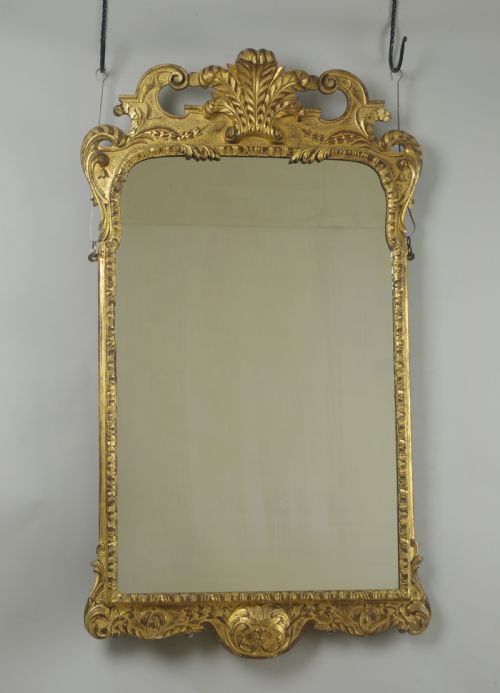
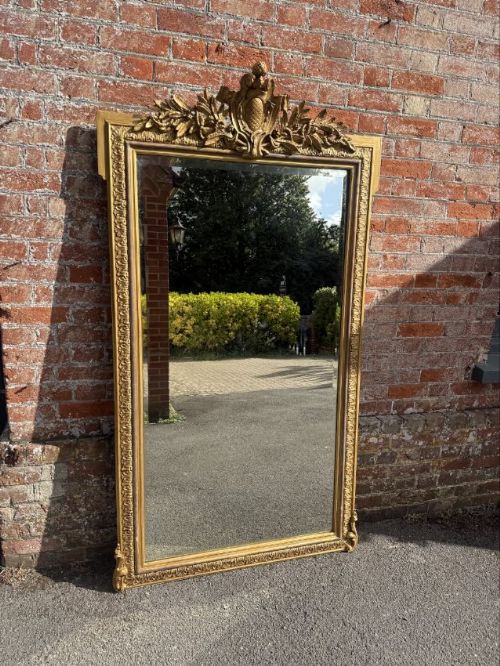
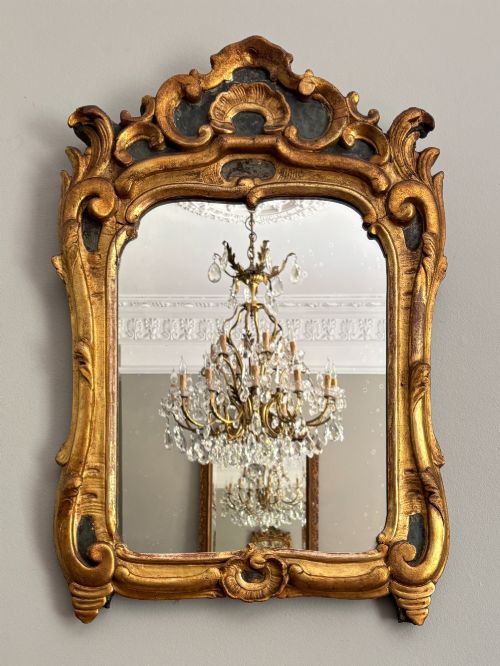
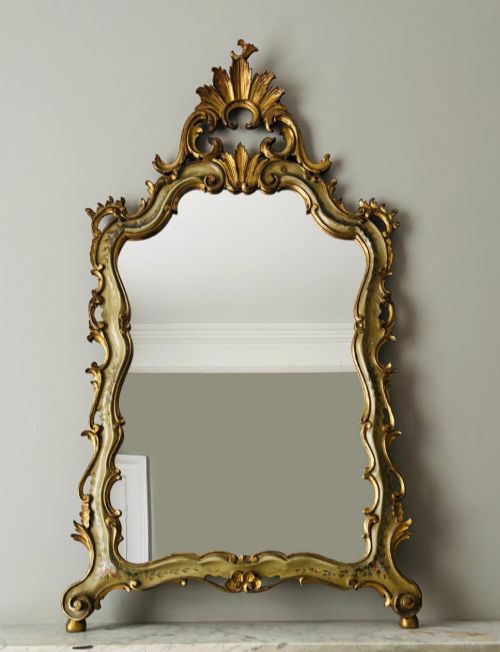
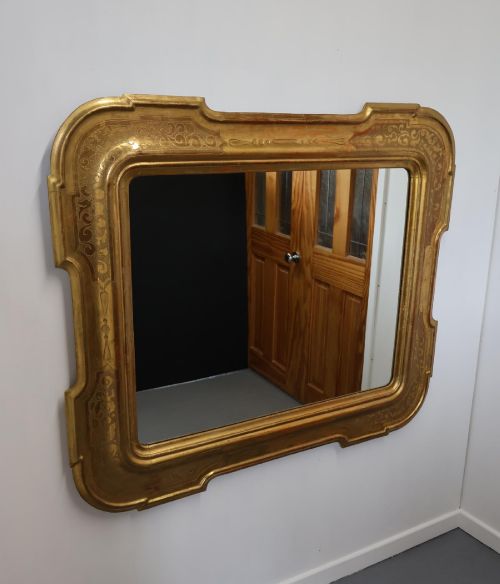
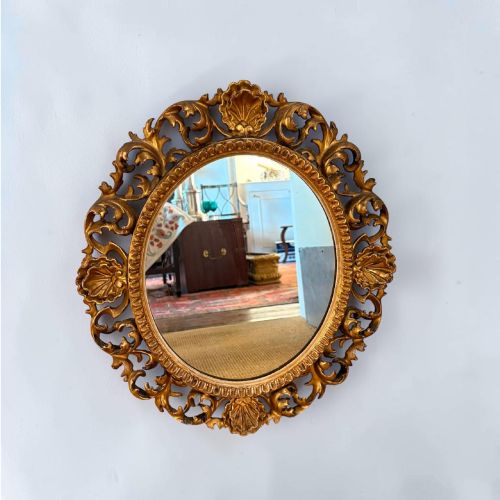
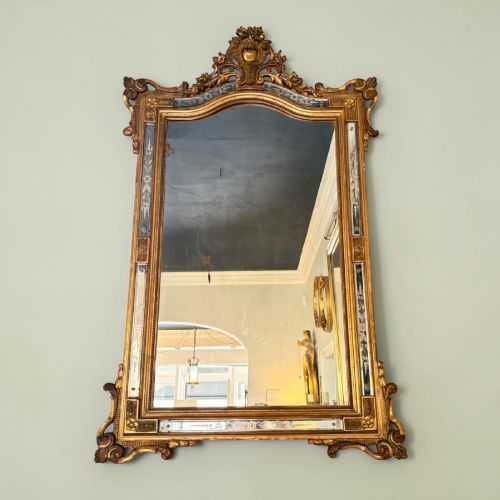
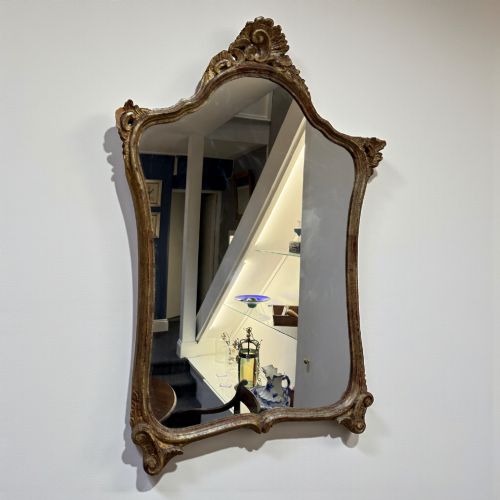
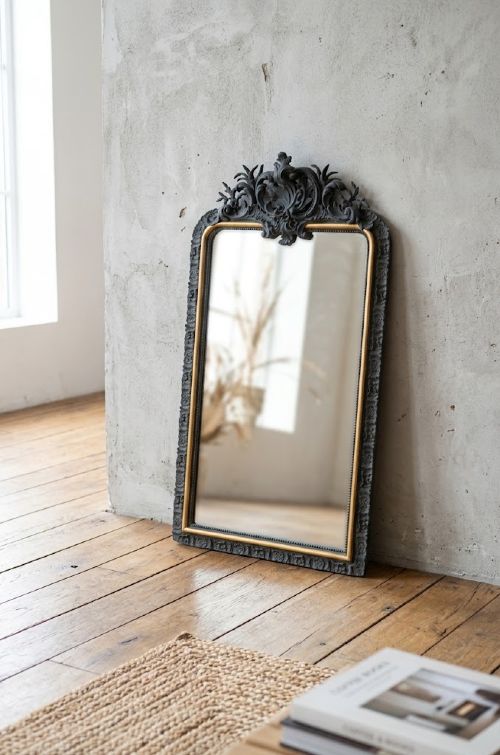
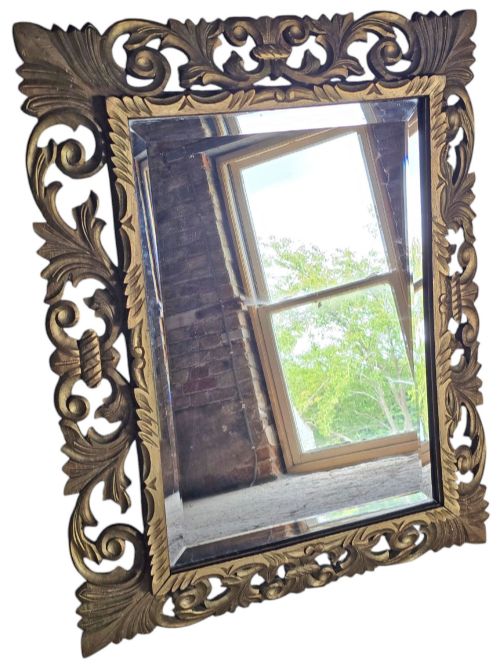
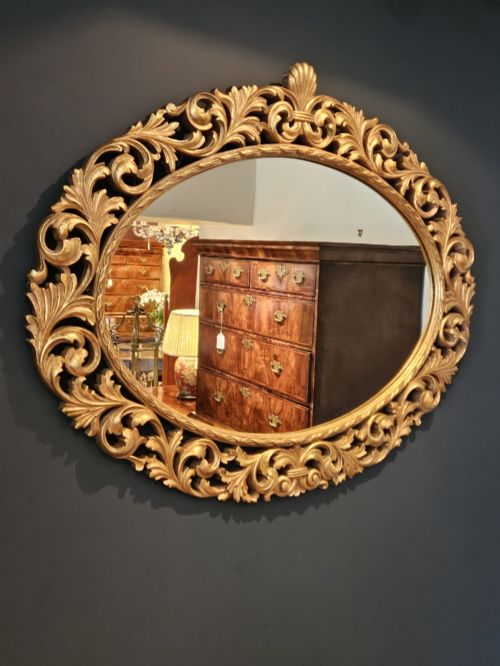
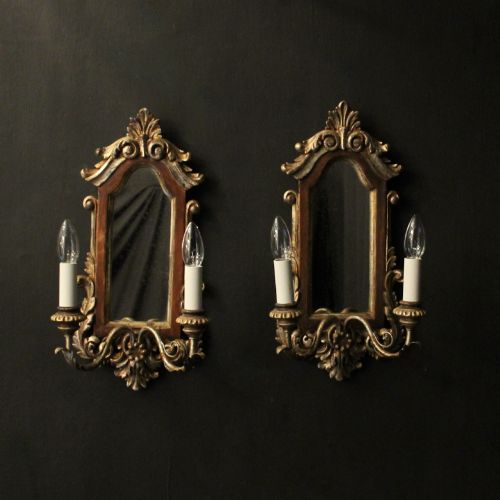
Giltwood Decorative Wall Mirror
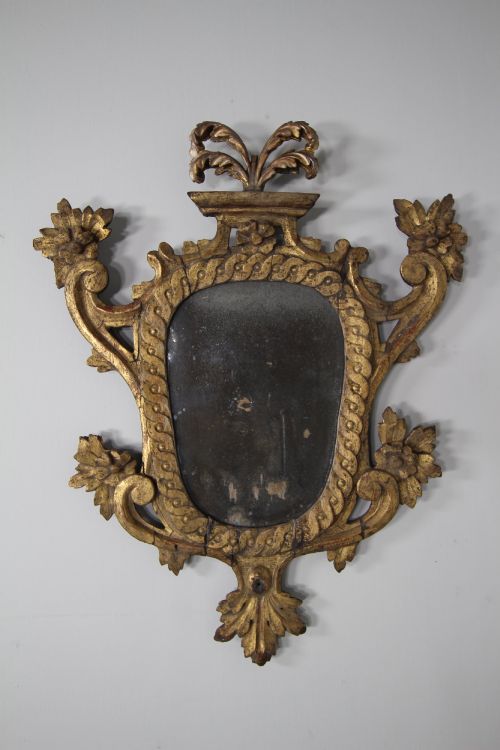
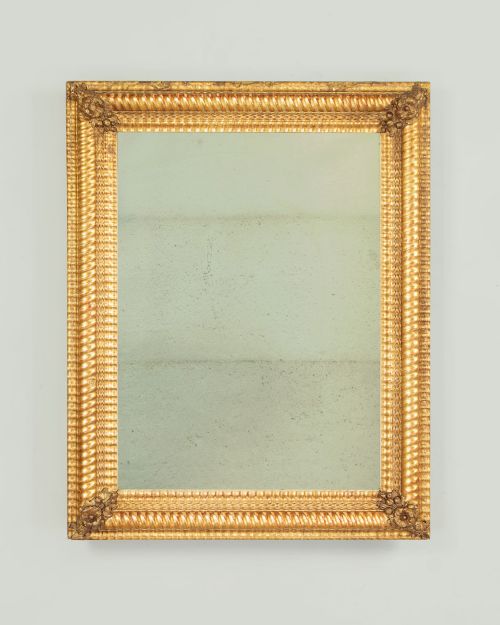
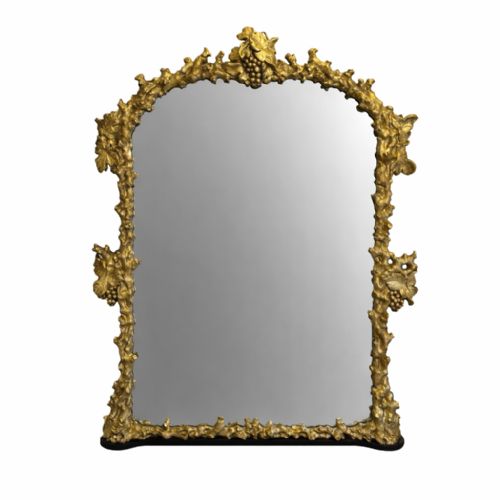
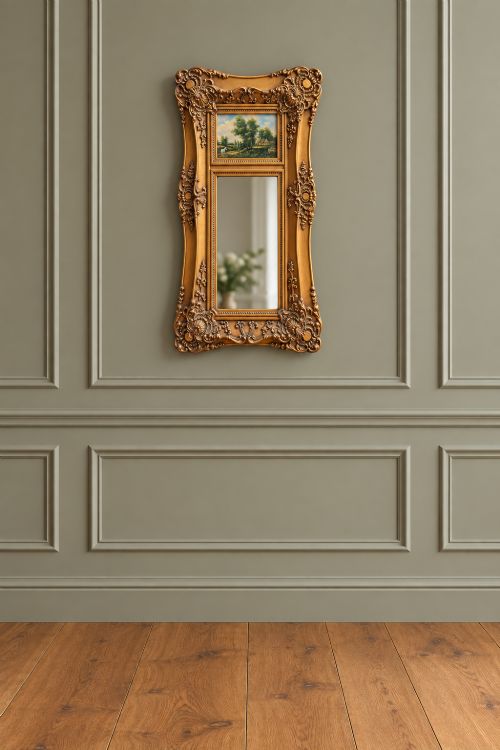
A giltwood decorative wall mirror brings warmth and reflection into a room, spanning styles from Italian Rococo Revival to French Chateau.
Giltwood Decorative Wall Mirror
A giltwood decorative wall mirror serves as both a functional looking glass and a focal point within a room, drawing the eye with its gilded surface.
Buyers searching for a giltwood decorative wall mirror encounter diverse forms, ranging from grand overmantels and pier mirrors to circular convex shapes and twin arm girandoles.
The pieces available originate across several centuries, with nineteenth-century Victorian and Regency examples appearing alongside eighteenth-century works and early twentieth-century interpretations.
Materials and construction
Carved timber forms the foundational structure of these pieces, often layered with gesso to create a smooth base for ornamentation.
Gold leaf or applied paint finishes the surface, sometimes paired with ebonised wood details or silver leaf to create contrast.
Mirror glass, occasionally retaining foxing or replaced in later periods, sits within frames shaped by hand carving.
Materials documented in the inventory include ebonised wood, gesso, paint, and gold leaf applied over carved timber.
Assessing quality
The depth and crispness of the carved wood and gesso ornamentation dictate the refinement of the frame.
The application of gold leaf and the preservation of the original surface determine how light reflects across the decoration.
Proportions relative to the scale of the mirror plate demonstrate the original maker's intent and design execution.
The Giltwood Decorative Wall Mirror Glossary
- Giltwood
- Wood coated with a thin layer of gold leaf. This finish creates the characteristic bright surface found on classical frames.
- Gesso
- A plaster mix applied to wood frames before gilding. It provides a smooth surface for detailed carving.
- Overmantel mirror
- A large glass designed to hang above a fireplace. These pieces often span significant widths to anchor the room.
- Convex mirror
- A round looking glass with a curved surface that distorts reflections outward. They frequently feature eagle surmounts or ebonised slips.
- Girandole
- A decorative wall mirror fitted with candle sconces. The arms reflect the candlelight across the room.
Giltwood Decorative Wall Mirror: Frequently Asked Questions
How do I hang a heavy overmantel mirror?
These large frames require secure fixings anchored directly into wall studs or masonry. Professional installation ensures the weight distributes evenly across the hanging brackets.
Verify that the structure of the timber frame can support the tension of the hanging wire or wall plates.
What is foxing on mirror glass?
Foxing refers to the small dark spots and age-related degradation that occurs behind the glass plate. This process happens as the silvering backing oxidises over long periods.
Many collectors value light foxing as evidence of genuine age rather than a defect.
How do I clean a giltwood frame?
Dust the carved surfaces gently with a soft, dry brush to remove particles without disturbing the gold leaf. Avoid liquid cleaners and chemical agents that strip the delicate finish.
Keep these mirrors away from direct sunlight and damp environments to protect the gesso and wood.
How do I date a giltwood mirror?
Examine the construction methods, backboards, and the style of the carving to identify the period. Eighteenth-century pieces display different joinery and ornament proportions compared to nineteenth-century Victorian revivals.
Look for tool marks on the timber and characteristics of the glass plate to narrow down the era.