


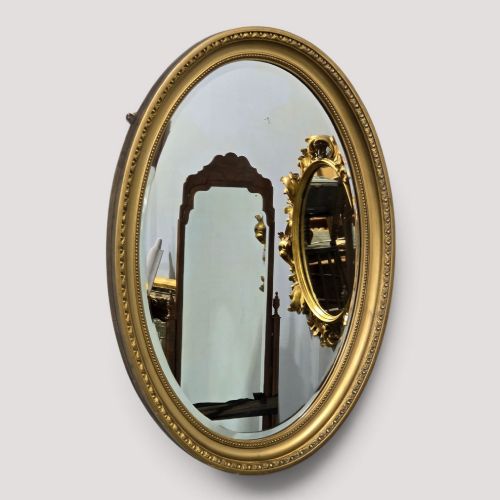
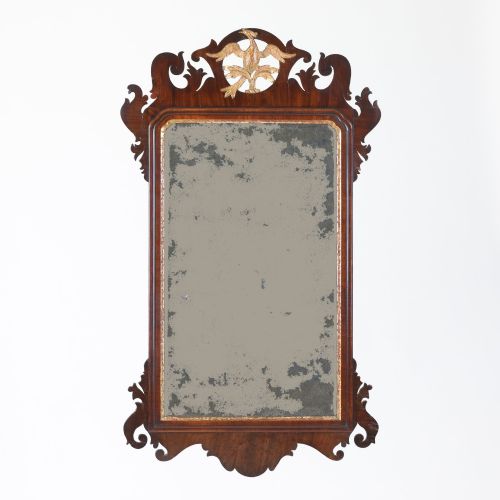
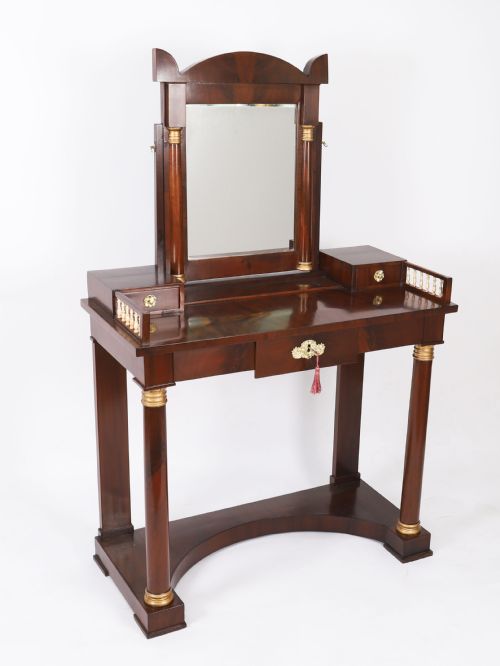
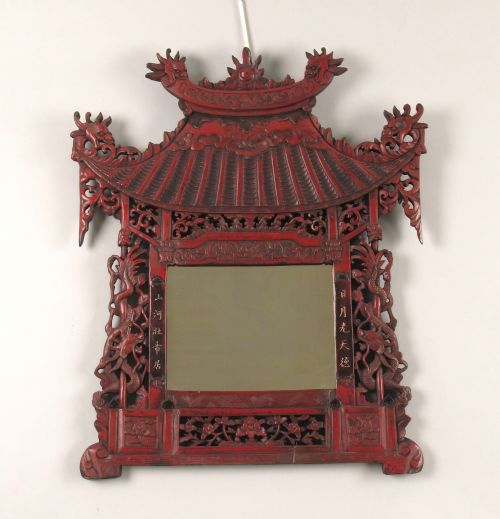


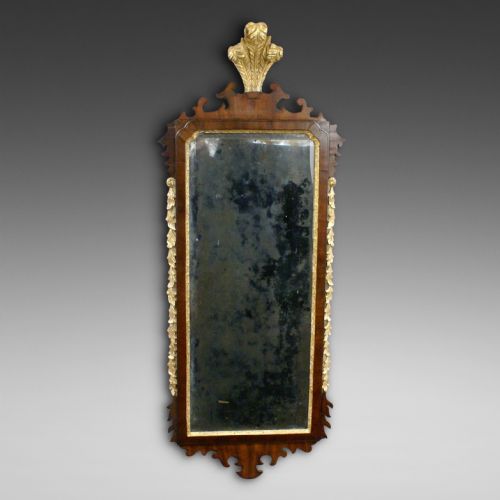
Gilt Wood Vanity Mirror
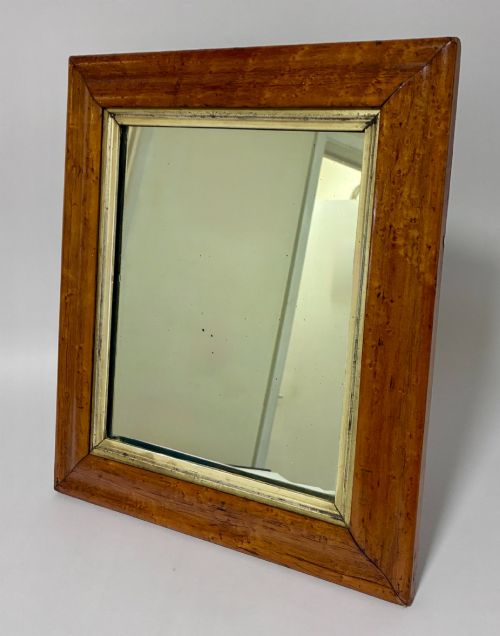
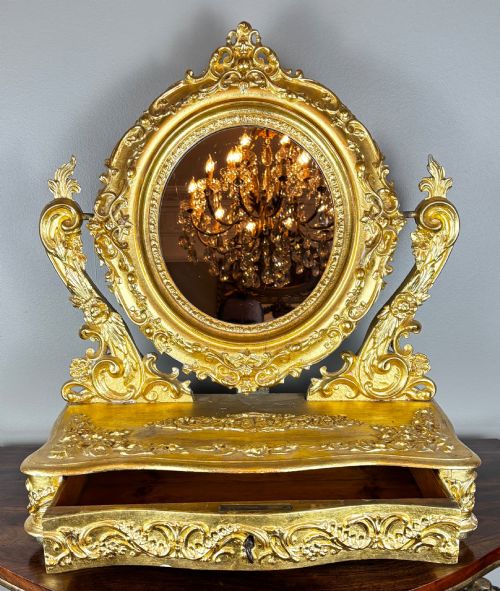
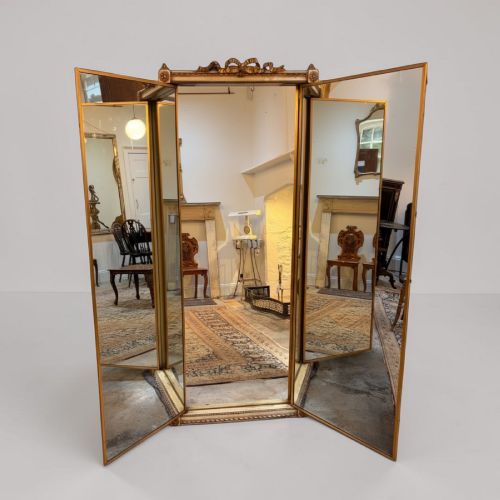
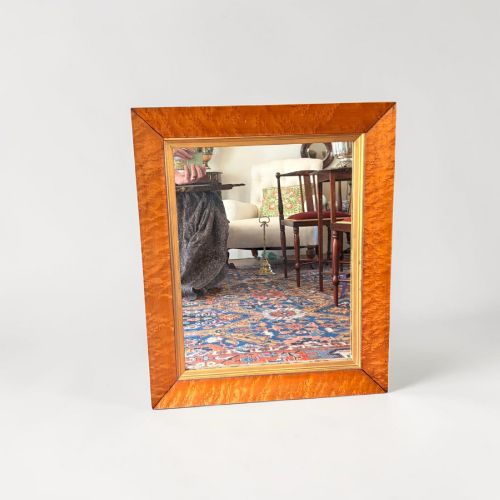
These gilt wood vanity mirror pieces bring warm reflected light and period character to a dressing space, combining carved timber with gilded surfaces.
Gilt Wood Vanity Mirror
A gilt wood vanity mirror sits on a dressing table or hangs on a wall, serving as both a functional glass and an ornamental focal point. The examples here span from the Georgian era through the Victorian period and into the twentieth century, taking forms such as dressing table mirrors, small easel mirrors, and carved wall pieces.
The materials recorded in these listings include gesso, mahogany, walnut, and gold leaf over carved wood and paint. Makers from English workshops to Italian studios shaped these frames in styles ranging from Rococo Revival and French Empire to Chinese red lacquer and Florentine carved designs.
How they were made
Carvers shaped solid woods like mahogany, walnut, and general timber before applying layers of gesso to build up intricate relief ornaments. Artisans then laid fine gold leaf or paint over the gesso ground to achieve the characteristic metallic sheen.
Joinery techniques on these frames include traditional mortise and tenon construction, alongside fret-cut fretwork patterns seen on Georgian and later revival pieces.
Gilt Wood Vanity Mirror Retail Price Guide 2026
Typical asking prices for gilt wood vanity mirror among the pieces listed under this phrase on Sellingantiques today, from the lower quarter to the upper quarter. They describe what is for sale here now, not the wider market.
The listings combine walnut, mahogany, and painted finishes across Georgian, Victorian, and twentieth-century periods.
What varies in quality
The crispness of the hand-carving defines the tier of craftsmanship, where deeply undercut foliage and birds show superior skill compared to softer, moulded gesso decoration. The preservation of the original gold leaf surface, rather than later overpainting, also marks a higher standard.
The quality of the timber beneath the gilding, such as figured mahogany or walnut, dictates the structural integrity and weight of the frame. Additionally, the clarity and age of the mirror plate contribute to the overall authenticity of the piece.
John Franklin London
The Gilt Wood Vanity Mirror Glossary
- Giltwood
- Timber that has been coated with gold leaf. This finish provides a luminous surface that catches candlelight or daylight.
- Gesso
- A plaster-like mixture applied to wood frames to create a smooth surface for carving or gilding. It allows artisans to model fine relief details.
- Parcel gilt
- Woodwork that is partially gilded while other areas show the natural grain of the timber. This technique highlights specific carved elements against walnut or mahogany.
- Fret-cut
- Wood that is pierced with a fretsaw to create openwork patterns. This technique appears frequently on eighteenth-century wall mirrors.
- Easel mirror
- A glass supported by a hinged back prop for table placement. These pieces allow adjustment of the viewing angle.
Gilt Wood Vanity Mirror: Frequently Asked Questions
How do I clean a gilt wood mirror?
Dust the carved surface gently with a soft dry brush to remove particles without disturbing the gold leaf.
Avoid using liquid cleaners or commercial polishes on gilded frames, as moisture degrades the underlying gesso.
Where should I place a vanity mirror?
Position the piece on a dressing table or chest of drawers where it receives indirect natural light from a nearby window.
Hanging a wall version at eye level maximises its utility while reflecting light across the room.
How can I tell an 18th century mirror from a revival piece?
Examine the construction joints, timber species, and the oxidation patterns on the glass plate or backing boards.
Eighteenth-century examples often display hand-beveled glass and older pin or screw fasteners rather than modern fixings.
What is the difference between a wall mirror and a vanity mirror?
Wall mirrors are designed to hang permanently from structural fixings, whereas vanity mirrors often incorporate stands, bases, or easel backs for table use.
Many smaller wall mirrors also function successfully as vanity pieces depending on where you mount them.