




Gilt Wood Table Cabinet
A gilt wood table cabinet brings portable luxury to a surface, offering neat compartments for valuables within a richly decorated frame.
Gilt Wood Table Cabinet
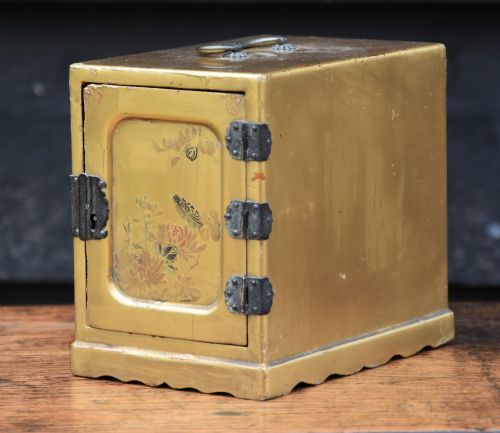
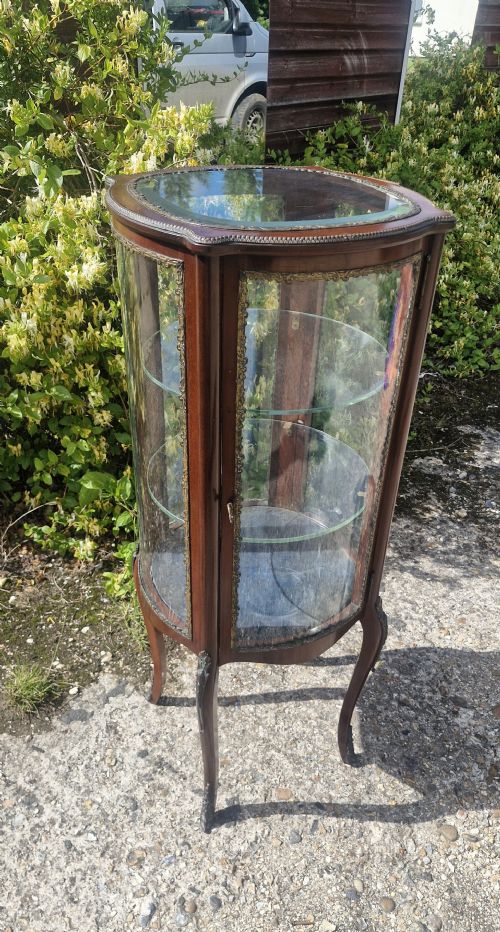
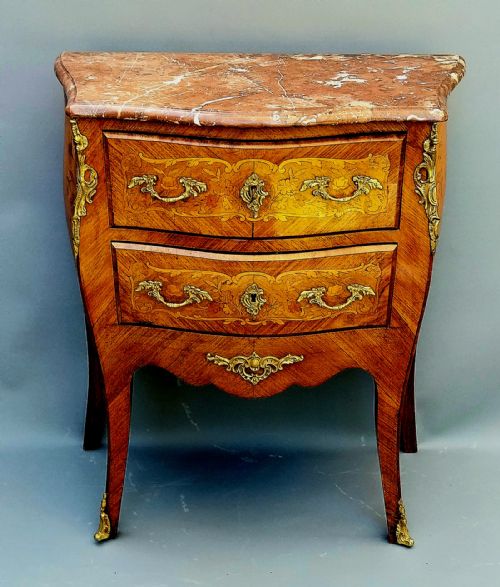
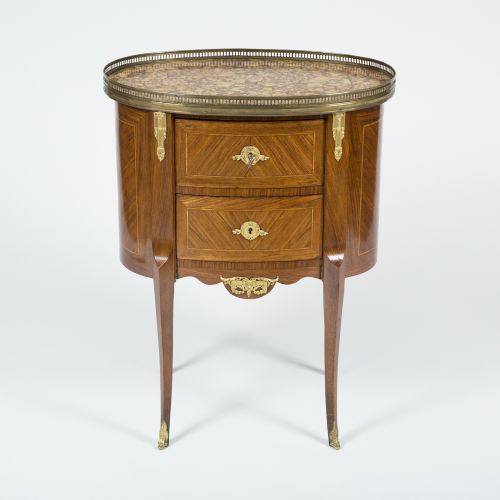
When you search for a gilt wood table cabinet, you enter a varied landscape of small antique storage pieces designed to sit upon larger furniture. These compact items range from delicate Japanese lacquer jewellery boxes to small French commodes, writing cabinets, and bedside tables featuring gilded decoration.
The versions most likely to meet you on this page span the eighteenth, nineteenth, and early twentieth centuries. They encompass revival styles such as Louis XV and Venetian Rococo alongside Chinoiserie and Edwardian pieces, serving as both practical containers and decorative accents.
How they were made
Cabinetmakers constructed these pieces using solid timbers and supportive veneers like mahogany and kingwood, often mounting them with ormolu, brass, or gilt metal. Surfaces were frequently painted, lacquered, or gilded to achieve rich decorative finishes.
Many of these cabinets incorporate inset marble tops, such as breche d'alep, requiring precise carpentry to support heavy stone alongside delicate drawer construction and compartment fitting.
Listings feature items from the eighteenth, nineteenth, and early twentieth centuries, incorporating materials like marble, ormolu, kingwood, and mahogany.
What varies in quality
The standard of a piece rests in the crispness of its gilding and the precision of its mounts, where finely chased ormolu stands apart from simpler gilt metal. Cabinet work shows distinction in the selection of timbers like kingwood and the smooth operation of small drawers and folding writing surfaces.
Proportion and stylistic cohesion define the upper tier, ensuring that smaller forms maintain balanced lines and authentic revival detailing whether built in an English workshop or a French atelier.
The Gilt Wood Table Cabinet Glossary
- Ormolu
- Gilded bronze used for decorative mounts on fine furniture. It provides a bright metallic contrast to dark woods and marble.
- Bombe
- A swelling, outward-curving shape found on the sides and fronts of certain cabinets and chests. This contour requires skilled woodworking.
- Kingwood
- A dense, richly figured timber utilised in fine veneering during the eighteenth and nineteenth centuries. Its grain creates striking patterns across small surfaces.
- Bonheur du jour
- A light lady's writing desk featuring a small cabinet or set of shelves on top. These pieces combine writing surfaces with enclosed storage.
Gilt Wood Table Cabinet: Frequently Asked Questions
What is a gilt wood table cabinet used for?
These pieces were originally designed to hold precious items such as jewellery, letters, or small collectables upon a larger desk or chest. Their compact footprint allowed owners to keep personal valuables close at hand in principal rooms.
Today, they serve a similar decorative and practical purpose in modern interiors. Collectors often place them on sideboards or tables to store modern trinkets while displaying period craftsmanship.
How do I care for marble top cabinets?
Marble tops require gentle cleaning with a soft cloth and neutral soap to avoid scratching the polished stone surface. Acidic liquids like citrus juice should be kept away from the marble to prevent etching.
Wooden frames and gilt mounts benefit from dusting with a dry cloth. Avoid using harsh chemical polishes that can degrade historical gilded surfaces.
How can I tell French and English styles apart?
French pieces often embrace flowing Rococo curves, bombe shapes, and lavish ormolu mounts influenced by court styles. They frequently incorporate Kingwood veneers and marble tops.
English interpretations tend to favour rectilinear proportions, mahogany timbers, and painted decorations such as Chinoiserie motifs. They reflect distinct regional preferences within the same historical periods.
Where should I place a table cabinet?
A table cabinet needs a stable surface like a sturdy chest of drawers, side table, or desk to support its weight safely. Positioning it away from direct sunlight protects vulnerable lacquered finishes and gilded wood.
Placing the piece at eye level allows the fine details of its mounts, veneers, and interior compartments to be appreciated fully in daily use.