


Gilt Wood Figure
When you search for a gilt wood figure, you seek a carved sculpture transformed by gold leaf, bringing historic presence and warmth into a room.
Gilt Wood Figure
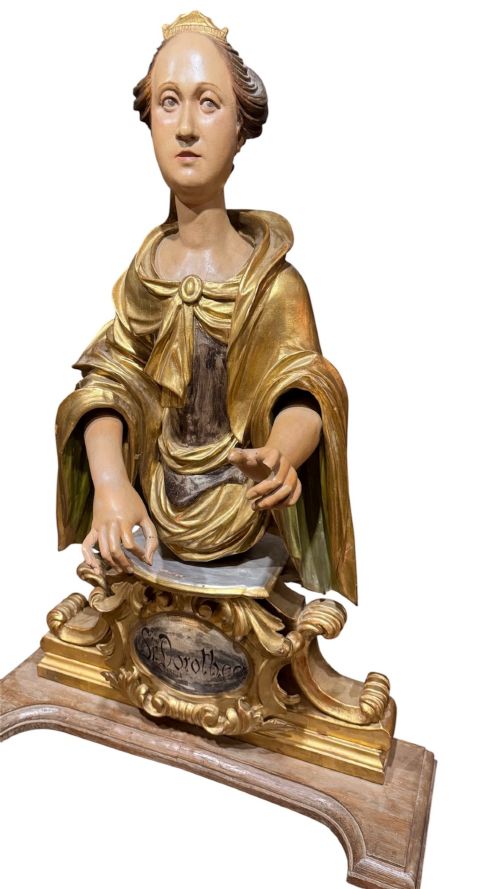
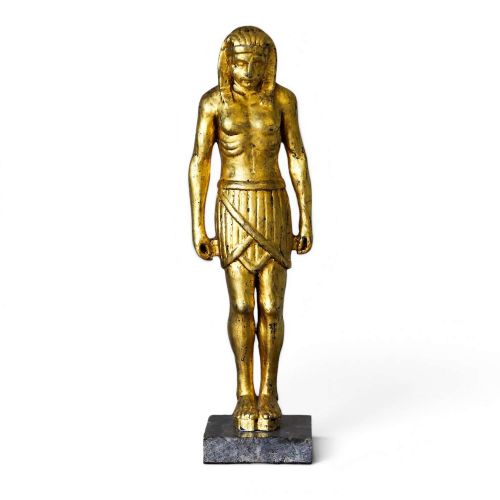
A gilt wood figure represents a carved wooden sculpture finished with a layer of applied gold leaf, gesso, or polychrome paint. These pieces span multiple centuries and stylistic traditions, originating from European workshops as well as Asian temples.
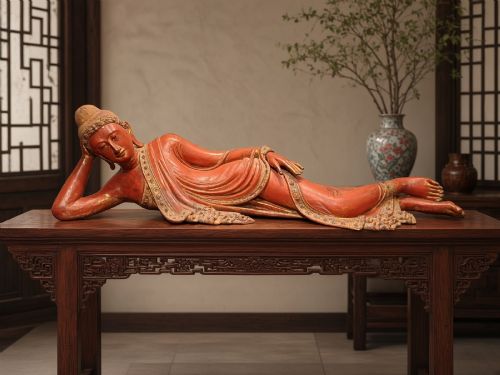
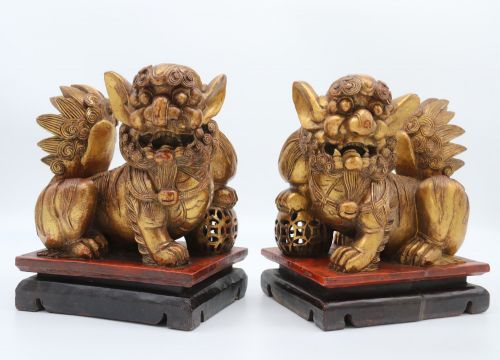
The selections available here range from Italian saints and Venetian figures on stands to Burmese Buddhas and Chinese temple guardians. Collectors encounter freestanding devotional sculptures, architectural fragments, and decorative figures created across the seventeenth, eighteenth, and nineteenth centuries.
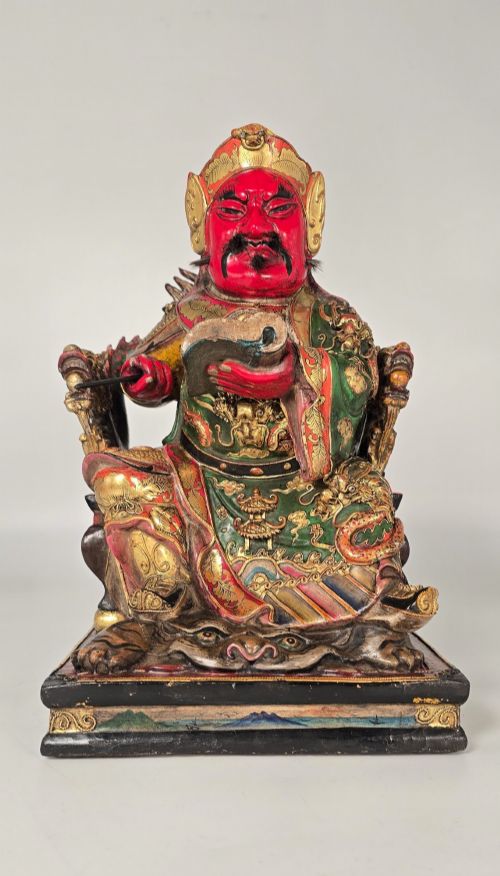
European examples often reflect religious devotion or classical revival themes, while Asian pieces frequently depict Buddhist deities, scholars, or officials. Each version carries the distinct hand-carved marks and material ageing characteristic of its period of origin.
Assessing quality
The integrity of the original gold leaf and gesso layers dictates the desirability of a piece. Finer examples retain their original surface patination, showing natural wear over centuries rather than heavy modern repainting or complete regilding.
Listings include carved wood, gesso, lacquer, and glass materials across the seventeenth, eighteenth, and nineteenth centuries.
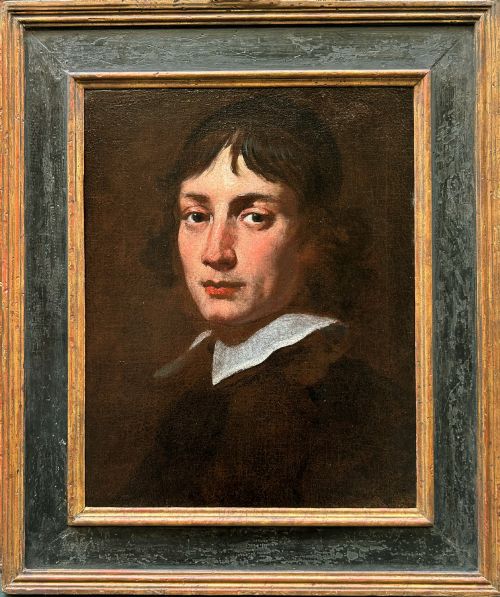
Guillaume Courtois·Ferdinand Victor Leon Roybet·Thomas Edward Roberts·John A. Houston·Frank Moss Bennett
The Gilt Wood Figure Glossary
- Gesso
- A plaster mix applied to a wooden base to prepare the surface for gilding and painting. This layer allows artisans to crisp up carved details before applying gold leaf.
- Gold leaf
- Extremely thin sheets of beaten gold used to cover wooden sculptures. It provides a permanent metallic finish that resists tarnishing over centuries.
- Polychrome
- The practice of decorating architectural elements, pottery, or sculptures in a variety of colours. On these pieces, paint often complements the surrounding gilt surfaces.
- Shabti
- A small funerary figure placed in ancient Egyptian tombs to act as a servant for the deceased. Later revival pieces emulate these forms in wood and gilt finishes.
- Grand Tour
- A traditional trip of Europe undertaken by upper-class young European men of means to flourish their cultural education. Travellers frequently acquired small carved figures and antiquities as souvenirs.
Gilt Wood Figure: Frequently Asked Questions
How old are these pieces?
The sculptures span from the seventeenth century through to the early twentieth century, reflecting distinct regional styles and periods.
Earlier seventeenth-century examples emerge from religious workshops, while nineteenth-century pieces often reflect Grand Tour enthusiasm or Eastern craftsmanship.
Where were they originally displayed?
Many European figures served a devotional purpose in churches, domestic chapels, or private shrines. Others functioned as decorative interior ornaments in grand reception rooms.
Asian pieces commonly originated in temples or ancestral halls, where they held religious or civic significance before entering private collections.
How should I clean gilded wood?
Maintenance requires gentle dusting with a soft, dry brush to prevent accumulation without disturbing delicate leaf layers. Water and chemical cleaning agents must be avoided entirely.
Professional conservators should handle any structural repairs or stabilization of flaking gesso to preserve the historical surface.
How do I identify different periods?
Period identification relies on carved details, tool marks, and the ageing characteristics of the underlying wood and gesso. Stylistic cues such as Baroque drapery or Qing Dynasty official attire provide clear dating markers.
Examining the base and reverse of the sculpture often reveals historical construction methods that help confirm the era of manufacture.