



Antique Tomb Figure
These antique tomb figure pieces span millennia and civilisations, offering tactile connections to ancient burial customs and later revivals.
Antique Tomb Figure
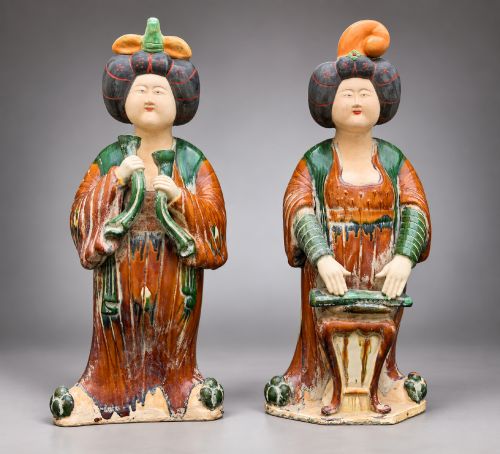
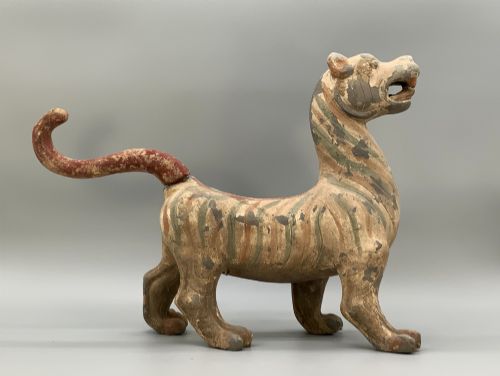
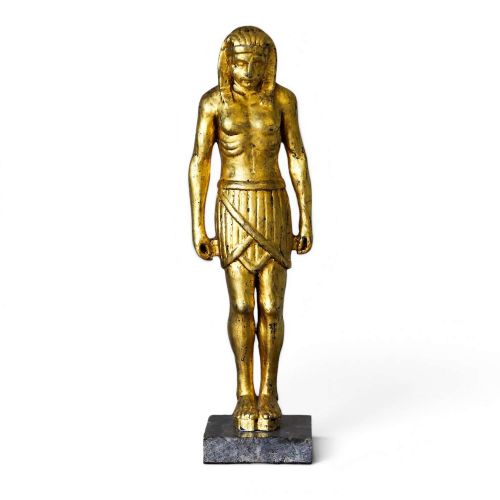
An antique tomb figure encompasses ancient funerary objects, including Chinese mingqi made for burial, alongside later nineteenth century Grand Tour revivals. These works range from earthenware and terracotta animals and human attendants to wooden shabtis mounted on granite bases.
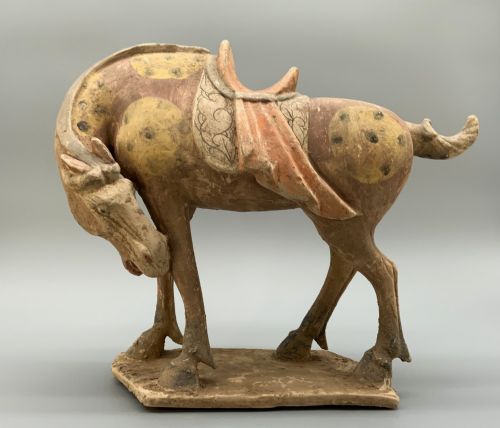
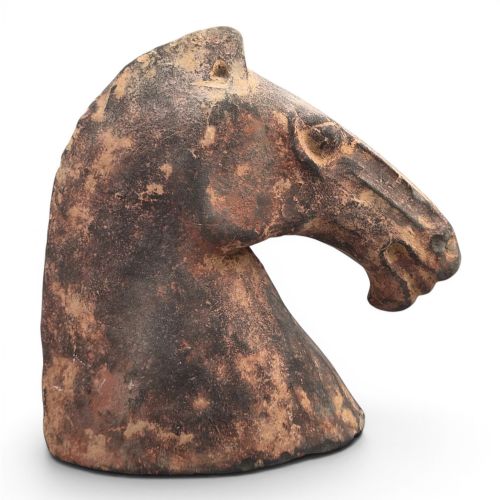
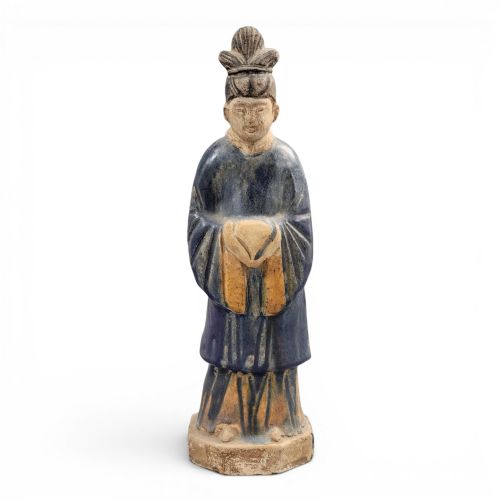
Buyers frequently encounter pieces attributed to major periods such as the Tang and Han Dynasties, alongside nineteenth century interpretations. Forms vary from grey pottery dancers and sancai glazed horses to carved stone and gilt wood sculptures.
Materials and construction
Pottery figures rely on terracotta, clay, and earthenware bodies, often finished with mineral pigments or lead glazes like the iconic sancai palette. Artisans also utilised stone carving, granite bases, and gilt wood to construct commemorative and decorative works.
Early ceramic pieces employ moulding and hand-modelling techniques, whilst later nineteenth century Grand Tour items incorporate bronze casting and serpentine stonework. Pigments applied to ancient terracotta provide colour, though much has weathered over centuries.
Listings feature terracotta, earthenware, and stone alongside nineteenth century bronze and gilt wood.
Assessing quality and authenticity
Quality rests in the crispness of modelling, the preservation of original pigment or glaze, and the sculptural presence of the form. Tang style sancai glazes show depth and controlled pooling, whilst genuine ancient pottery exhibits appropriate surface wear and structural integrity.
Later nineteenth century revivals succeed through precision in casting or carving, matching the ambition of their classical inspirations. The relationship between the sculptural figure and any fitted base, such as granite, indicates the care taken in presentation.
The Antique Tomb Figure Glossary
- Mingqi
- Artefacts placed in burials to accompany the dead, including ceramic figures of attendants, dancers, and animals.
- Sancai
- A three colour lead glaze technique characteristic of Tang Dynasty ceramics, typically featuring amber, green, and cream tones.
- Shabti
- Small funerary figures placed in Egyptian tombs to act as servants for the deceased in the afterlife.
- Grand Tour
- A cultural journey undertaken by European elites in the eighteenth and nineteenth centuries, collecting classical antiquities and souvenirs.
- Terracotta
- Unglazed, fired reddish brown clay used extensively for ancient sculptures and architectural elements.
Antique Tomb Figure: Frequently Asked Questions
What is an antique tomb figure?
An antique tomb figure is a sculptural object originally created for placement in a burial or funerary context, or a later nineteenth century revival inspired by such antiquities.
These pieces include ancient Chinese mingqi pottery, carved stone figures, and European Grand Tour souvenirs made to evoke classical civilisations.
How were ancient pottery figures made?
Ancient makers shaped local clays, terracotta, and earthenware by hand or in sections using moulds before firing them in kilns.
Pigment or lead glaze was then applied to the surface to add colour and detail, as seen in sancai glazed horses and painted dancer sculptures.
How do I style these figures at home?
These sculptures suit tabletops, shelves, and dedicated display cabinets where their forms can be appreciated from multiple angles.
Pairing ancient earthenware with simple modern backdrops allows the age and texture of the material to stand out.
What is a Grand Tour figure?
Grand Tour figures are nineteenth century reproductions and souvenirs collected by travellers touring historical sites in Italy, Egypt, and Greece.
Materials range from gilt wood and serpentine to bronze, replicating ancient statues and shabtis for Western display.