




Gilt Wood Bench
A gilt wood bench brings golden warmth and classical poise into a room, offering both a seat and a sculptural focal point.
Gilt Wood Bench
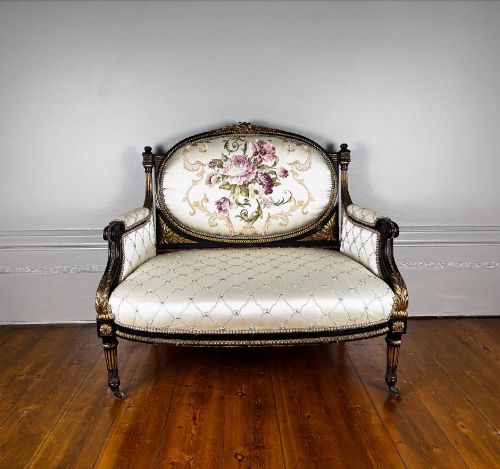
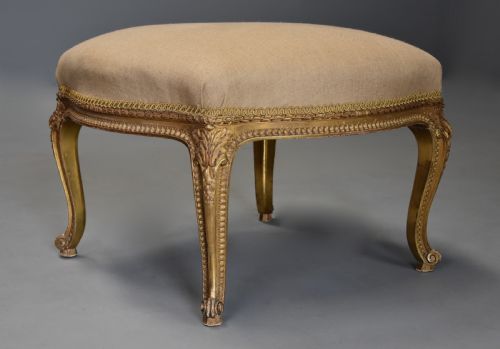
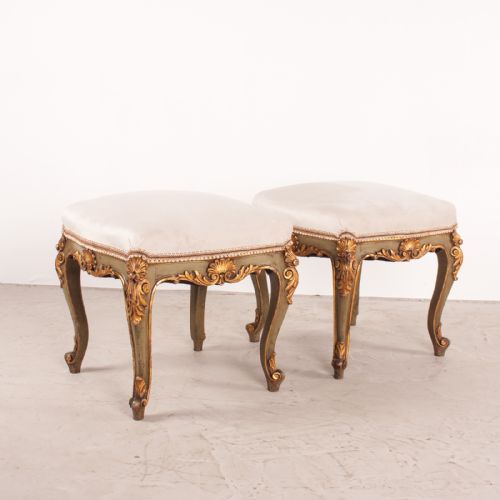
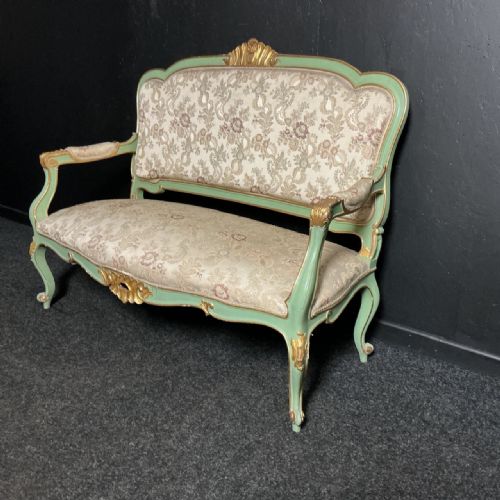
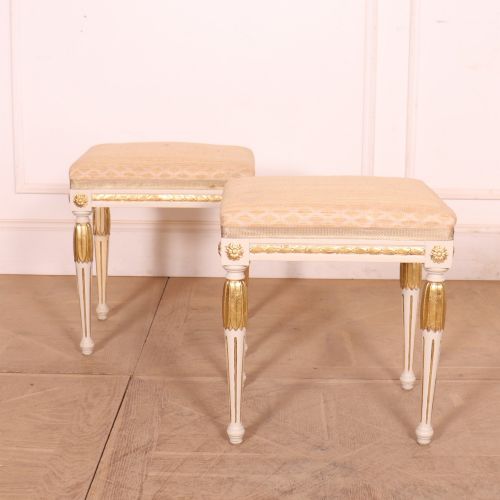
When you search for a gilt wood bench, you encounter a variety of seating forms designed with gilded surfaces, ranging from long sofas and settees to compact window seats and footstools. These pieces primarily date from the nineteenth century, with revivals echoing earlier French and Swedish design vocabulary.
The objects span multiple functional categories within seating, including two-seat and three-seat sofas, canapes, and various stools. Many pieces adopt specific historical styles such as Louis XV, Louis XVI, Gustavian, and Regency.
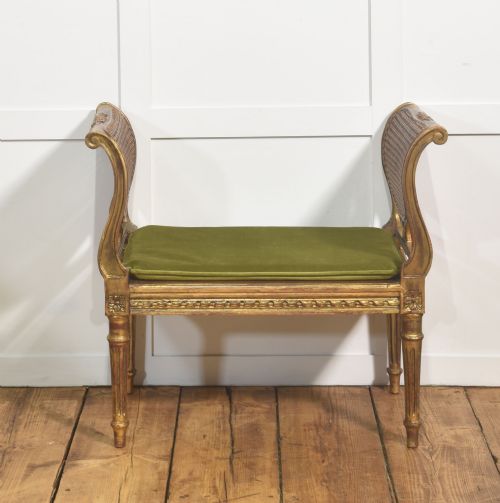
Origins stretch across Britain, France, Sweden, and Italy, bringing diverse regional interpretations to the gilded seating tradition. You are most likely to meet nineteenth-century French and Swedish examples, particularly window seats and smaller stools finished in gold leaf or paint.
How they were made
The underlying structure of these seats relies on carved wood, frequently embellished with gesso to prepare intricate ornamental details before gilding. Artisans applied gold leaf or metallic paint over the wood to create the luminous surface characteristic of the style.
Upholstery completed the furniture, utilising traditional textiles such as damask, fabric, and cane to provide comfort and texture against the metallic frames. Parcel gilt examples combine exposed painted wooden surfaces with selective gilding to highlight specific carved motifs.
Gilt Wood Bench Retail Price Guide 2026
Typical asking prices for gilt wood bench among the pieces listed under this phrase on Sellingantiques today, from the lower quarter to the upper quarter. They describe what is for sale here now, not the wider market.
Materials recorded across the inventory include giltwood, painted wood, damask, cane, and textile upholstery.
What varies in quality
The refinement of the wooden carving dictates much of the distinction between pieces, where crisp detailing on floral swags or classical lines separates masterwork from simpler production. Hand-carved depth and precision in the gesso work show the hand of a skilled artisan.
The application and preservation of the gold leaf or gilding also define the visual success of a piece, alongside the integrity of the underlying timber frame. Original upholstery materials and surviving cane work add further layers of historical authenticity.
Whytock and Reid
The Gilt Wood Bench Glossary
- Giltwood
- Wood that has been coated with gold leaf or powder. This finish gives furniture a bright, metallic sheen that catches the light in formal rooms.
- Canape
- An antique French sofa featuring an upholstered back and seat. These pieces often display elaborate carved frames in revival styles.
- Curule stool
- A form of seating with X-shaped legs inspired by ancient Roman magistrate chairs. They are frequently rendered in neoclassical or regency styles with gilded surfaces.
- Parcel gilt
- A decoration technique where only specific parts of a wooden object are gilded, leaving the rest painted or stained. This creates a contrasting two-tone effect on the frame.
- Gustavian
- A Swedish neoclassical design movement championed by King Gustav III in the late eighteenth century. It translates French court styles into lighter, simpler, painted furniture forms.
Gilt Wood Bench: Frequently Asked Questions
Where should I place a gilt wood bench?
These seats suit grand hallways, drawing rooms, or bedrooms where their reflective surfaces can catch natural light. They work particularly well at the foot of a bed or beneath a large window.
Because of their decorative presence, they also anchor empty wall spaces effectively when paired with a matching mirror or artwork.
How do I identify a Louis XVI style piece?
Louis XVI style seating is characterised by straight tapered legs, geometric symmetry, and neoclassical motifs like fluting and acanthus leaves. The frames are typically more rectilinear than the curving lines found in earlier rococo designs.
Look for crisp carving and restrained ornamentation that reflects classical architectural proportions.
Are these benches comfortable for daily sitting?
Many of these pieces were originally designed for formal drawing rooms rather than lounging, so cushioning can be firmer than modern standards. Window seats and larger settees offer practical seating for reading or putting on shoes.
Upholstery can also be updated to suit modern comfort preferences while preserving the historic frame.
What is the difference between a settee and a canape?
A settee is a traditional British or continental term for a wide seat with a back and armrests designed for multiple people. A canape is specifically a French style of upholstered sofa, often featuring an exposed carved wooden frame.
Both serve similar functional roles in a room but carry distinct stylistic lineages from their respective regions.