
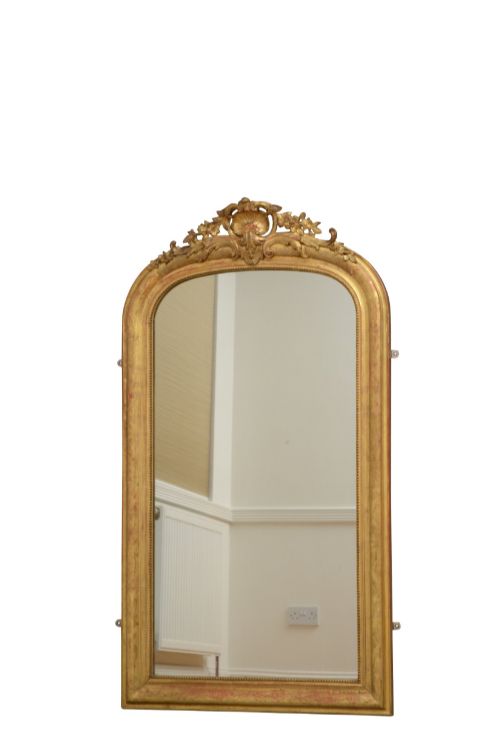
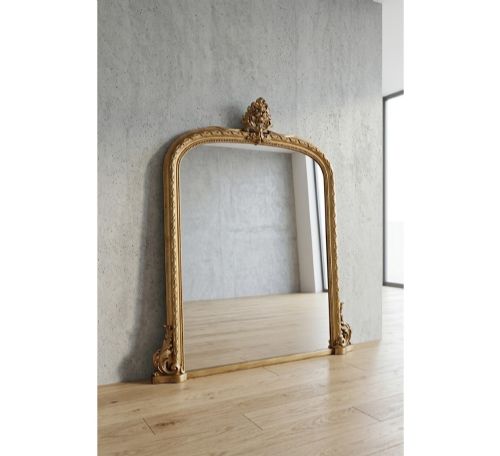
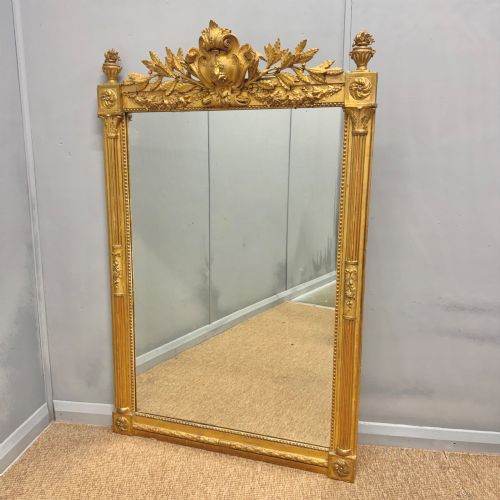
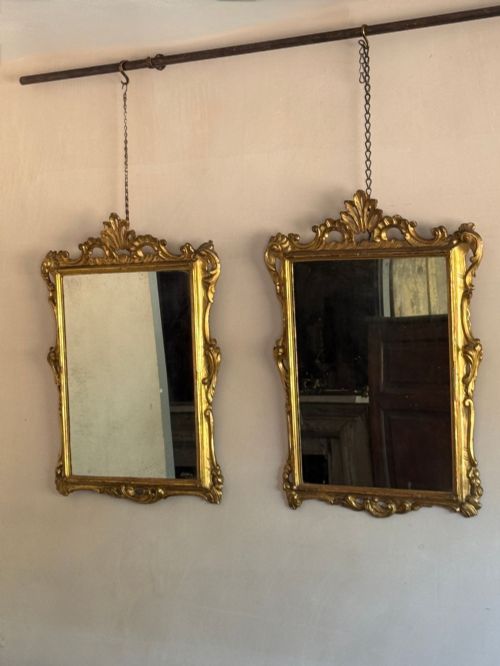
Gilt Wall Crest
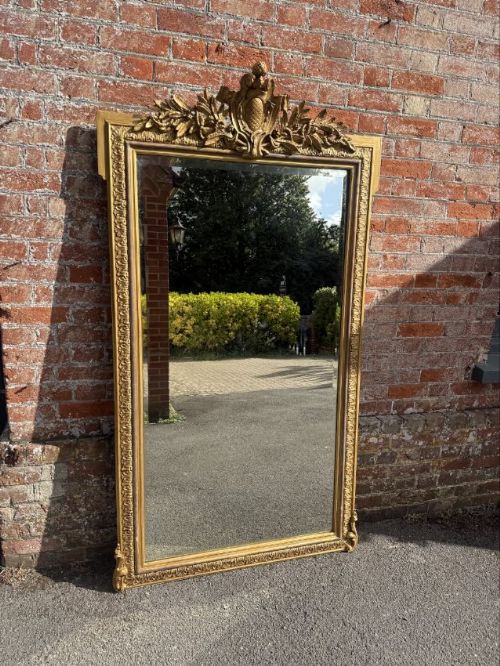
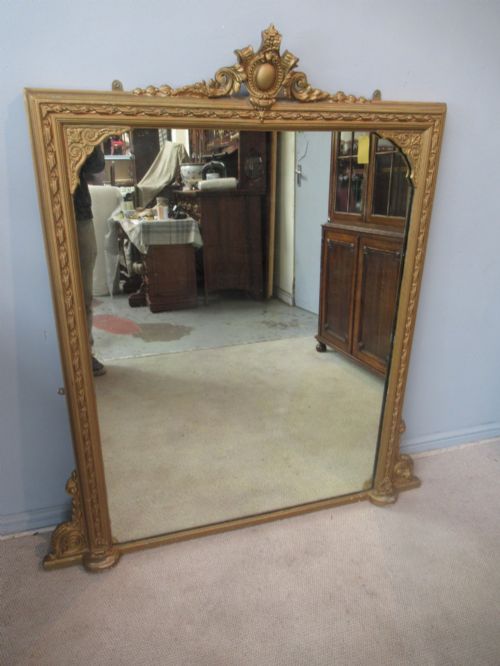
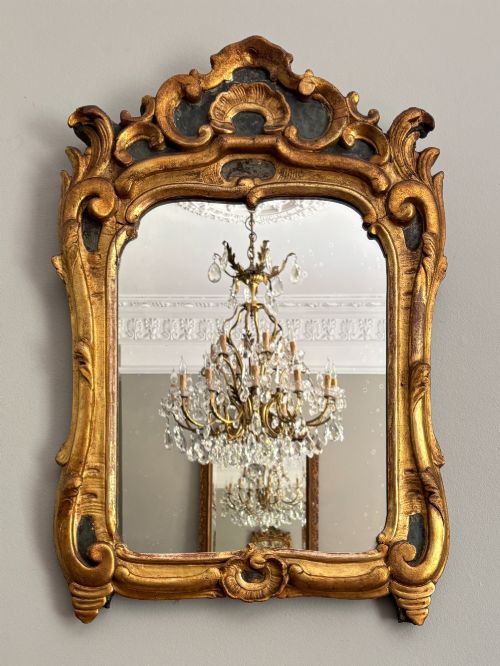
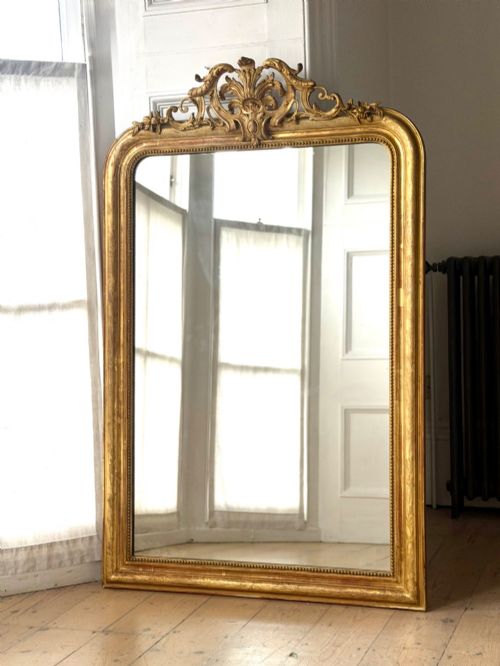
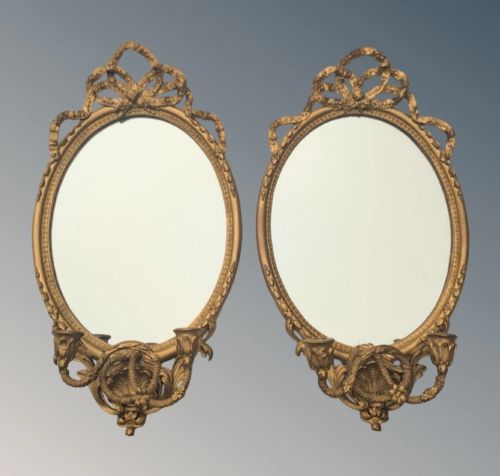
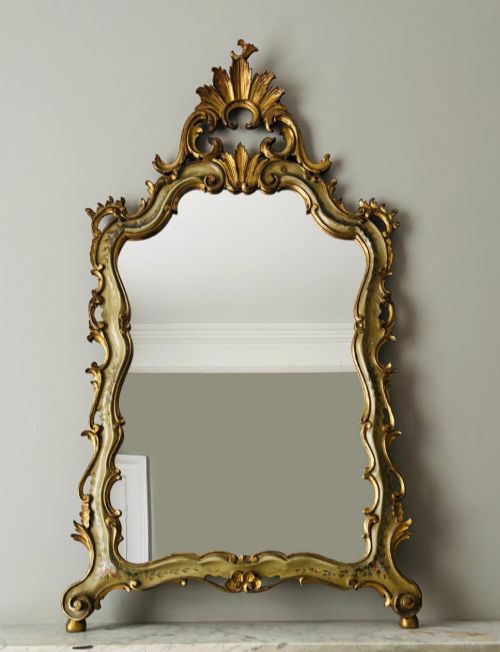
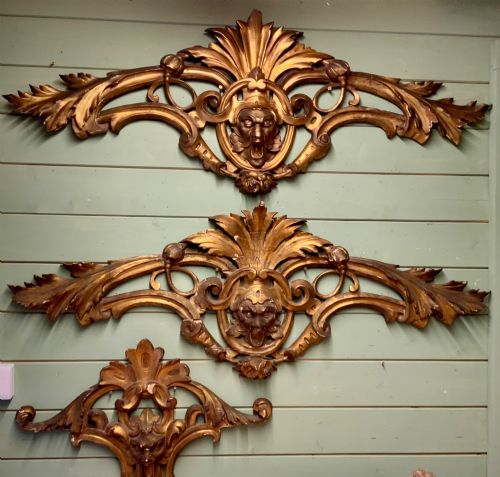
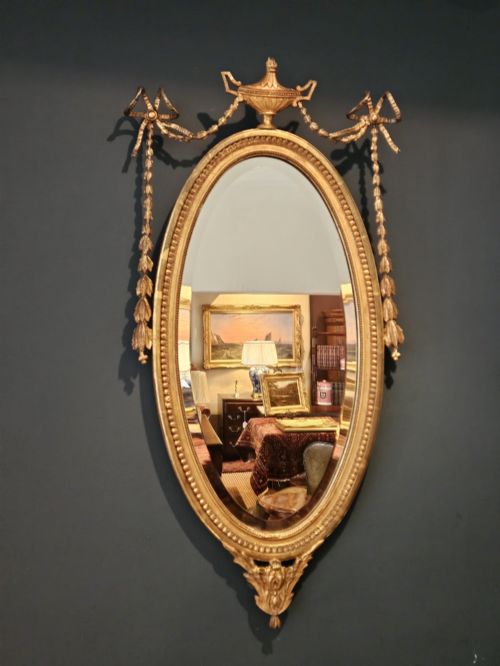
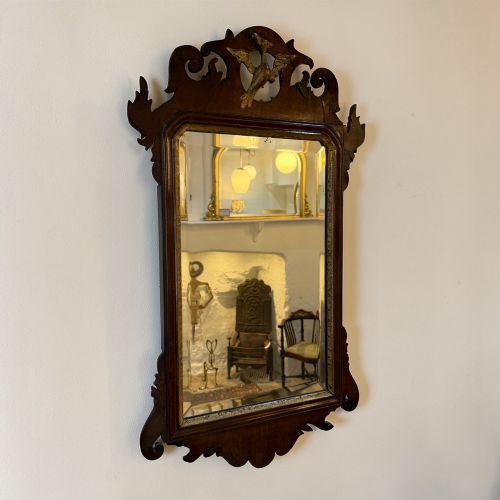
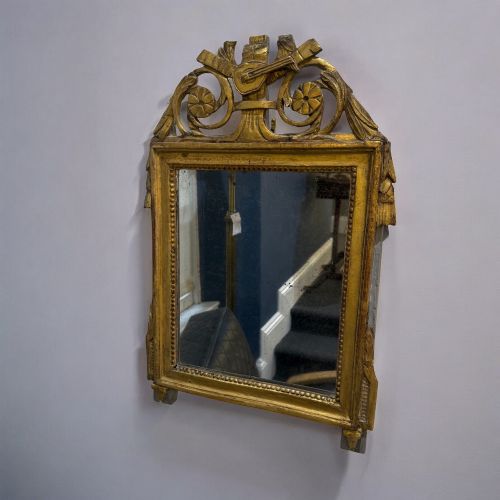
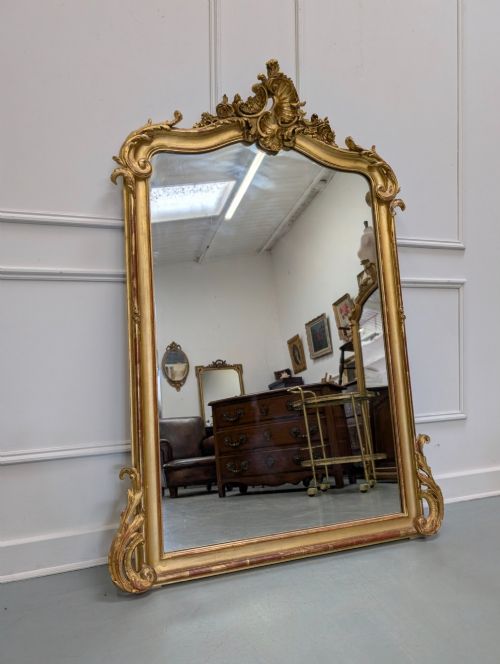
These gilt wall crest pieces combine carved ornamentation and reflective glass, bringing historic decorative presence to a room.
Gilt Wall Crest
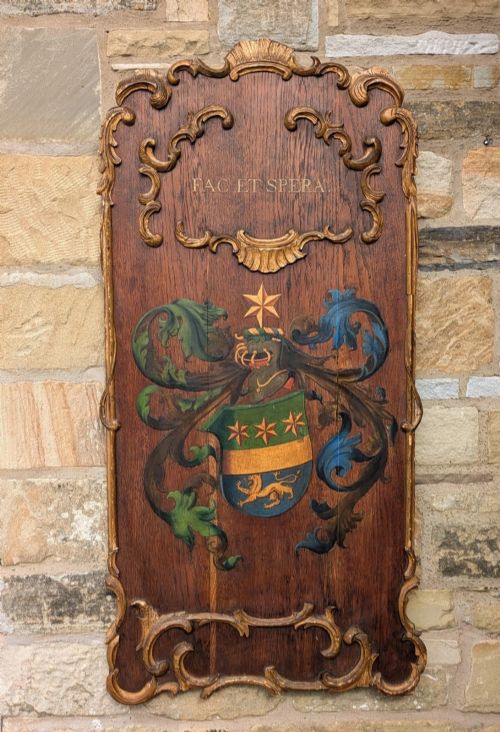
A gilt wall crest brings together decorative wall mirrors, overmantels, and armorial plaques adorned with carved or moulded top details. Buyers searching for a gilt wall crest encounter substantial overmantel mirrors and tall pier glasses featuring prominent crestings, eagles, or heraldic motifs.
The pieces appearing on this page span the eighteenth, nineteenth, and early twentieth centuries, drawing heavily on French and English domestic design. Examples range from Regency convex mirrors with bird surmounts to Napoleon III chateau mirrors with elaborate crest work.
Materials and construction
Carved timber forms the structural base for many items, utilising woods such as mahogany, ebonised wood, and general hardwoods. Artisans applied layers of gesso over the carved wood surface to build up intricate relief details before applying gold leaf or liquid gilding.
Mirror plates consist of glass, occasionally displaying original mercury silvering or foxing from age. Frames incorporate applied composition ornament for smaller decorative motifs, alongside cast gilt bronze on specific nineteenth-century French pieces.
Several mirrors watch over the room beneath the watchful gaze of carved spread eagles and perched dragons.
Assessing quality
The crispness of the carved wood or moulded gesso relief defines the visual impact of the upper crest. High-range examples display hand-carved depth and sharp contours rather than soft, repetitive composition mouldings.
The integrity of the original mercury glass plate and the retention of authentic gold leaf contribute to the historical value. Superior pieces preserve their primary gilding surfaces and original structural framing without extensive re-working.
The Gilt Wall Crest Glossary
- Giltwood
- Wood that has been coated with thin sheets of gold leaf over a prepared gesso ground. This technique creates a luminous metallic finish characteristic of period frames.
- Gesso
- A plaster-like mixture applied to wood frames to create a smooth surface for carving and gilding. It allows for intricate relief ornamentation.
- Convex mirror
- A circular mirror with a curved glass plate that provides a wide-angle reflection of the room. These often feature eagle surmounts.
- Overmantel mirror
- A large horizontal mirror designed to hang above a fireplace mantel. They frequently incorporate elaborate cresting at the top.
- Parcel gilt
- A finishing method where only specific portions of a wooden object are gilded, leaving the underlying wood grain visible elsewhere.
Gilt Wall Crest: Frequently Asked Questions
What is a wall crest mirror?
A wall crest mirror incorporates a decorative carved or moulded ornament at the topmost section of the frame. These additions often feature eagles, heraldic shields, or floral flourishes.
They serve as focal points in traditional interiors, drawing the eye upward and adding vertical scale to a room arrangement.
How do I hang a heavy overmantel mirror?
Large overmantel and wall pieces require secure attachment directly into structural wall studs using appropriate heavy-duty brackets. Professional installation is standard practice given the substantial weight of wood, gesso, and glass.
Weight distribution must be carefully managed across multiple fixing points to ensure stability over time.
How do I tell nineteenth century gilt from later copies?
Period nineteenth-century pieces display micro-crazing in the gesso and natural wear patterns on the gold leaf surface. Under magnification, the layers reveal hand-applied preparation rather than modern synthetic finishes.
Signs of age include oxidation on the mirror plate and shrinkage cracks within the wooden joints.
Where should I place a convex mirror?
Convex mirrors work effectively in hallways, dining rooms, and smaller spaces where their curved reflection expands the visual perspective. They were historically placed to monitor activity across a room.
Positioning them opposite a light source maximises their ability to brighten dark corners.