



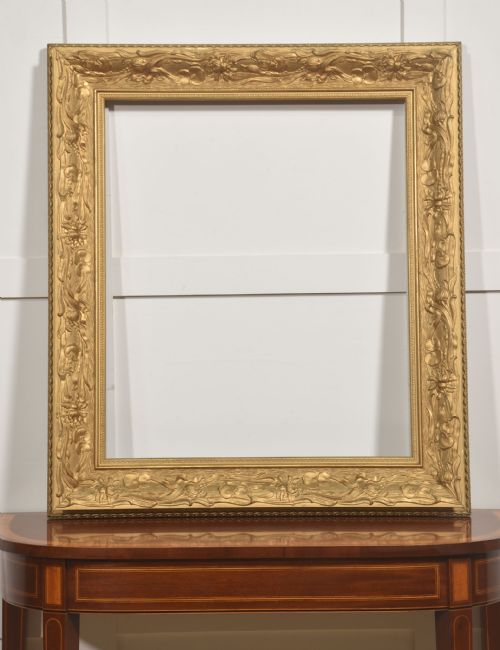


Gilt Swept Frame Painting
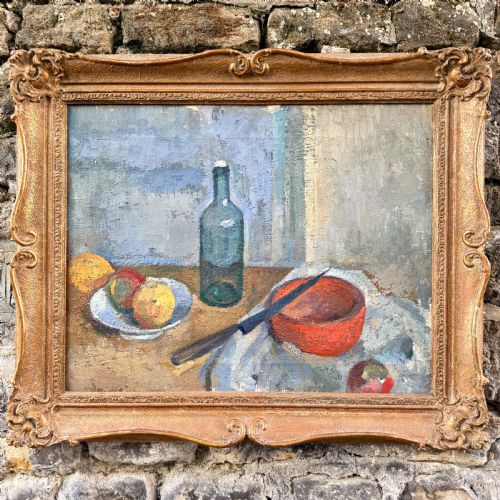
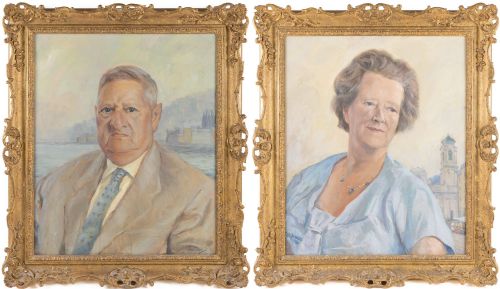
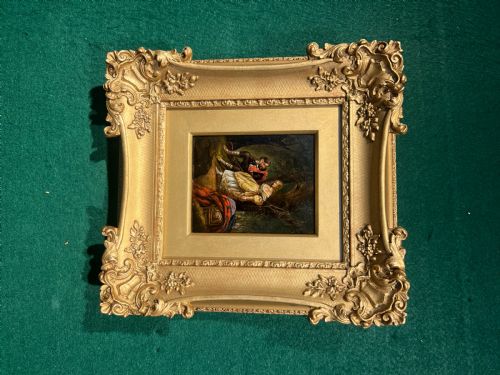
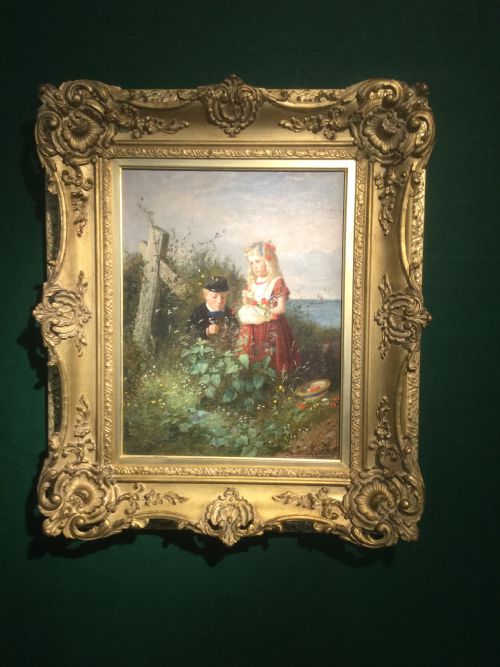
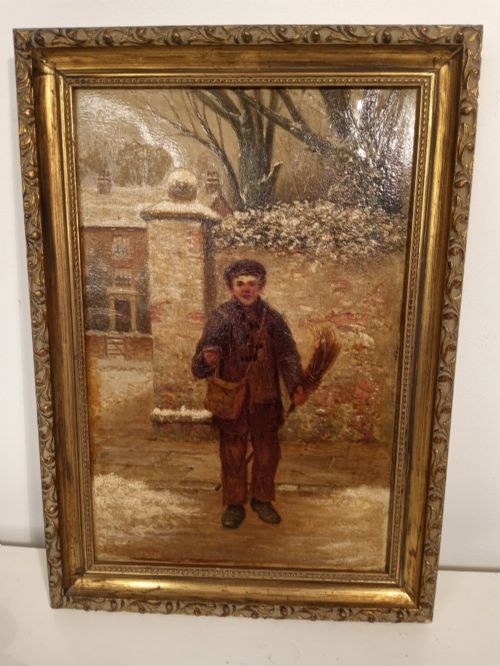
A gilt swept frame painting brings together elaborate, curving woodwork and traditional canvas art from periods spanning the Georgian era to the mid-twentieth century.
Gilt Swept Frame Painting
When you search for a gilt swept frame painting, you encounter artworks paired with highly decorative, curving frames that feature scrolling corners and deep moulding profiles. These pieces encompass everything from nineteenth-century British landscapes and Victorian portraits to early twentieth-century continental townscapes and still lifes.
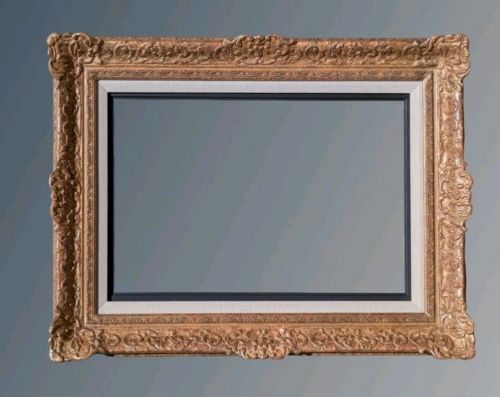
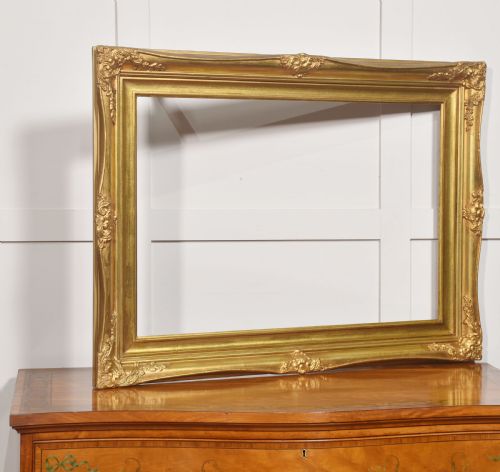
The selection ranges from complete works where the artwork and the swept frame share a contemporary history to standalone antique picture frames designed to house standard landscape or portrait oils. Buyers most frequently meet nineteenth-century oil paintings on canvas or board nestled inside ornate gesso and giltwood settings.
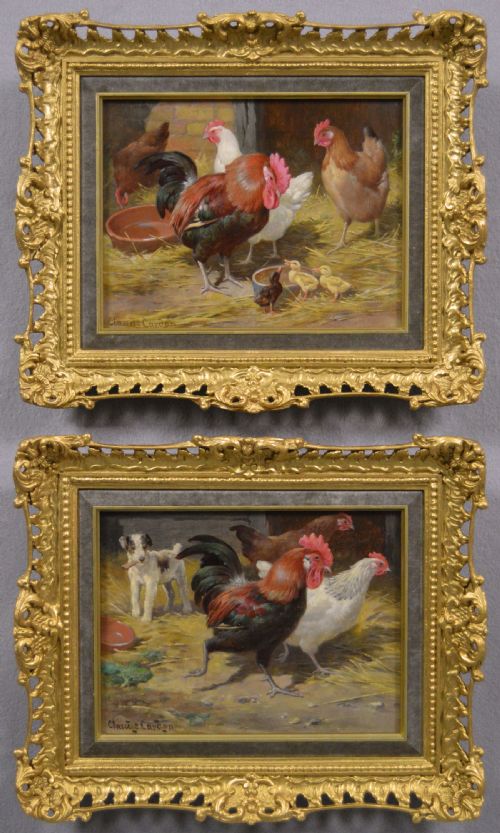
Originating across Britain and continental Europe, these items reflect diverse regional styles including Rococo revivals, French Montparnasse designs, and Impressionist interpretations. Each pairing demonstrates how historical makers matched opulent frame geometry with evocative subjects like pastoral countryside scenes, farmyard animals, and quiet coastal harbours.
How they were made
The construction of a traditional swept frame relies on a solid wooden carcass built up with layers of gesso, a plaster-like mixture applied to shape the intricate curves and scrollwork. Artisans then gilded these prepared surfaces using gold leaf or fine metallic applications to achieve a luminous, reflective finish that catches candle or natural light.
The paintings housed within these ornate surrounds utilise traditional mediums such as oil paint on canvas, oil on panel, or occasionally watercolour and pastel under glass. Artists built up their compositions with successive layers of pigment, creating depth in landscapes and portraits before securing the finished canvas inside the rebate of the heavy frame.
Listings feature works spanning from the 17th century to the mid-20th century, executed in oil, watercolour, and pastel.
What varies in quality
The distinction between ordinary and exceptional examples rests heavily on the crispness of the modelled gesso ornamentation and the depth of the gilding. Superior frames display hand-carved or meticulously moulded scrolling details that retain sharp relief, whereas lesser pieces often show softened contours and uniform, flat metallic paint rather than genuine leaf.
In the artwork itself, quality reveals itself through confident brushwork, balanced composition, and the harmonious relationship between the subject and its enclosing frame. Pieces that retain their original matching frames and show cohesive ageing across both canvas and wood command greater appreciation from collectors.
Charles Hunt·Claude Cardon·Arthur Herbert Rigg·Percival Glenfern·J Barclay·Sir Herbert Hughes-Stanton·Jeffrey Pratt·William Miller Frazer·Emily Selinger·William Sidney Cooper·Harold Edward Conway·Ludwig Hermann·George Harrison·George Parson-Norman·Owen Bowen·Kenneth Washburn·John Holland Snr·Edward Williams·Pieter Van Der Werff·Sir Thomas Lawrence·Thomas Gainsborough·George Stubbs·Jozsef Molnar·Frank Jason
The Gilt Swept Frame Painting Glossary
- Gesso
- A mixture of plaster of Paris or chalk with glue, used as a base on wood before gilding. This substance allows craftsmen to model elaborate three-dimensional scrollwork and floral motifs along the frame corners.
- Giltwood
- Wood that has been covered with thin sheets of gold leaf or metallic powder. It provides a warm, enduring lustre characteristic of high-status antique picture surrounds.
- Swept frame
- A picture frame featuring deeply curved, ogee-moulded profiles with sweeping corners and scrolling centres. This decorative form became particularly popular during the Victorian and Edwardian periods to showcase formal portraits and landscapes.
- Oil on canvas
- Pigments bound in a drying oil medium applied to stretched woven fabric. This combination forms the primary medium for historical paintings found within ornate swept enclosures.
Gilt Swept Frame Painting: Frequently Asked Questions
What is a swept frame painting?
A swept frame painting pairs a traditional canvas artwork with an ornate, deeply curved wooden frame finished in gold leaf or gesso. These pieces highlight the craftsmanship of historical frame makers alongside the skill of period painters.
The sweeping contours and scrolling corners draw the eye directly toward the central imagery, creating a distinct visual presence on any wall.
How do I care for giltwood frames?
Giltwood frames require gentle maintenance using a dry, soft brush to remove dust from the intricate recesses of the gesso moulding. Avoid moisture and chemical cleaners, which can damage the delicate metallic leaf and underlying plaster.
Placing the piece away from direct sunlight and sudden temperature changes protects both the wooden structure and the painting within.
Are these paintings usually original?
The selection includes authentic period works created in oil or watercolour by listed artists from the Georgian, Victorian, and mid-twentieth-century eras. Many retain their original decorative housings, though some antique frames have been paired with complementary period canvases over time.
Examining the canvas texture, stretcher bars, and framing materials helps determine the history of the combined piece.
Where should I hang a swept frame painting?
These substantial works suit prominent wall spaces in traditional or transitional interiors where their reflective gilt surfaces can catch ambient light. Pairing them with neutral wall colours allows the ornate curves of the frame and the depth of the painting to stand out.
Ensure the wall structure can support the combined weight of the heavy wooden frame and canvas.