



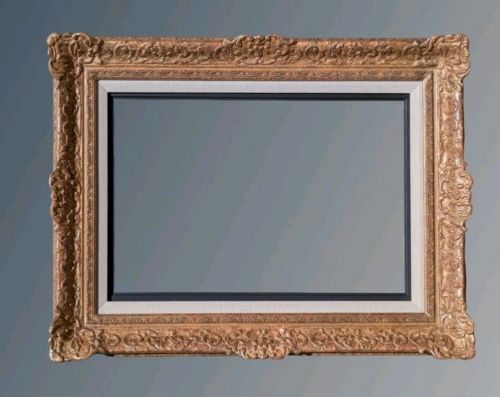


Gilt Slip Framed Picture
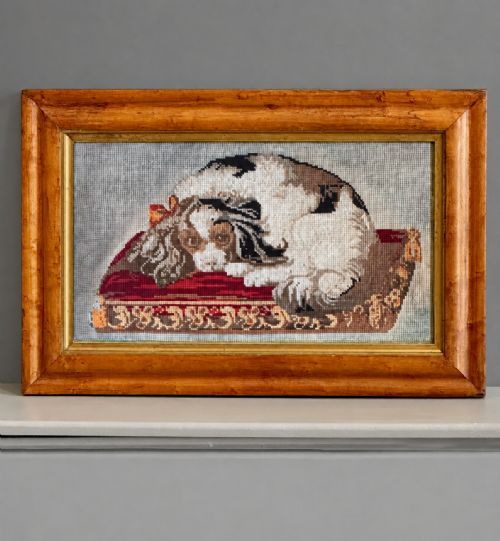
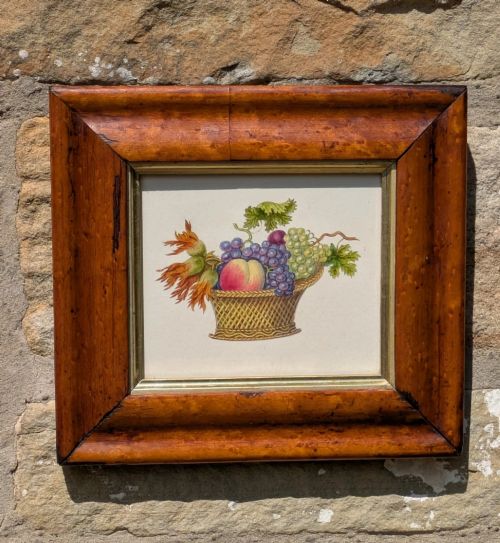
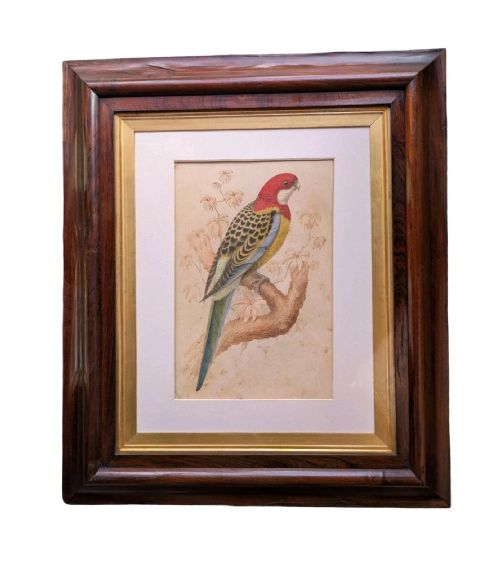
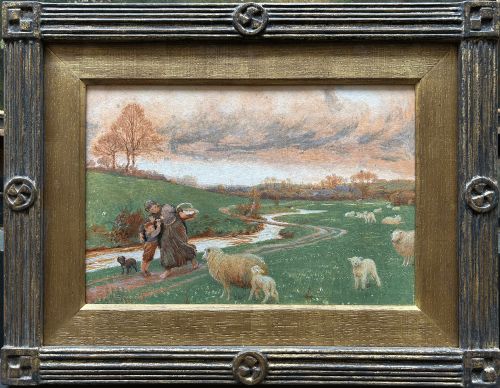
These gilt slip framed picture pieces bring period warmth to a wall, combining rich wooden frames with inner gold linings.
Gilt Slip Framed Picture
A gilt slip framed picture brings together artworks and historical wall pieces enclosed by frames featuring a distinctive inner gold or gilt slip border. When searching for a gilt slip framed picture, collectors encounter various forms ranging from oil paintings and watercolours to needlework, engravings, and silhouettes.
The pieces span periods including Regency, Victorian, and Edwardian eras, alongside items dating from around 1800 up to the twentieth century. These works often display traditional subjects such as portraits, landscapes, and still life studies.
The inner slip serves to separate the artwork visually from the outer moulding, creating depth and focus. Most examples found here combine wood frames with glass, paper, canvas, or textiles.
How they were made
The construction typically relies on wood frames housing paper, canvas, glass, or textile elements. Gold leaf application provides the luminous finish on the internal slips and outer mouldings.
Makers utilised traditional joinery and mounting techniques suited to the period, whether framing a delicate pencil sketch or a heavy oil painting on canvas.
Gilt Slip Framed Picture Retail Price Guide 2026
Typical asking prices for gilt slip framed picture among the pieces listed under this phrase on Sellingantiques today, from the lower quarter to the upper quarter. They describe what is for sale here now, not the wider market.
Listings feature 19th Century, Regency, and Victorian periods, utilising materials such as gold leaf, wood, canvas, and glass.
What varies in quality
Quality shows in the fineness of the carving and the application of the gold leaf on the slip, where superior examples exhibit crisp detail and warmth. The integration between the inner slip and the primary frame reveals the maker's precision.
The artistic execution of the enclosed painting, engraving, or needlework dictates the overall standing of the piece. Preservation of the original framing components adds significantly to the character of the object.
The Gilt Slip Framed Picture Glossary
- Gilt slip
- A narrow inner frame border coated in gold leaf or gilt finish. It creates a visual buffer between the artwork and the main outer frame.
- Regency
- An English design period spanning the early nineteenth century. Known for classical restraint and elegance in both furnishings and fine art framing.
- Burr maple
- A highly figured wood veneer valued for its mottled grain patterns. Often utilised on nineteenth-century frames for decorative richness.
- Chromolithograph
- A multicoloured print produced through a lithographic process. Popular during the Victorian era for reproducing paintings.
- Needlework
- Hand-stitched textile art using yarn or thread on canvas. Historical examples often depict figures or animals within period frames.
Gilt Slip Framed Picture: Frequently Asked Questions
What is a gilt slip?
A gilt slip is the narrow recessed frame component placed immediately around the artwork, finished in gold leaf to separate the picture from the outer moulding.
This technique draws the eye inward toward the canvas or paper, adding depth and a sense of refinement to the presentation.
How do I date these frames?
Dating relies on the joinery, timber type, and framing style relative to the enclosed artwork. Regency and Victorian pieces often display distinct moulding profiles and backboards characteristic of their decades.
Comparing the materials of both the frame and the internal art helps establish a consistent period origin.
Where should I hang them?
These framed pieces suit traditional reception rooms, hallways, or studies where their historical character can be appreciated up close. Direct sunlight and damp environments should be avoided to protect the paper, canvas, and gold leaf.
Secure wall fixings appropriate for the weight of the wood and glass must be utilised for safety.
Are the frames original?
Many pieces retain their original frames, such as burr maple or gilt wood surrounds mounted during the nineteenth century. Examining the fit at the corners and the ageing of the wood helps determine if the framing is contemporary to the artwork.
Original pairings offer greater historical integrity for collectors.