

Gilt Salon Chair
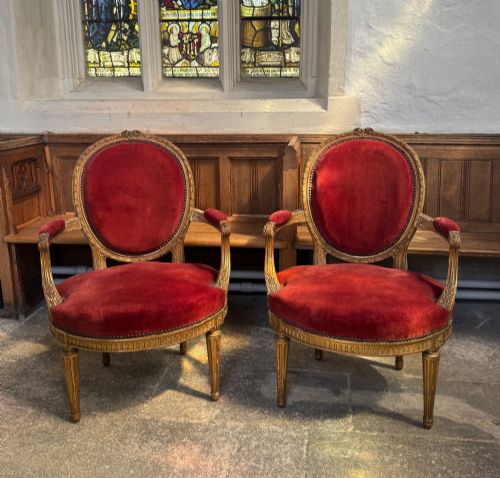
A gilt salon chair brings French decorative arts into a room, offering gilded woodwork and formal seating designed for entertaining.
Gilt Salon Chair
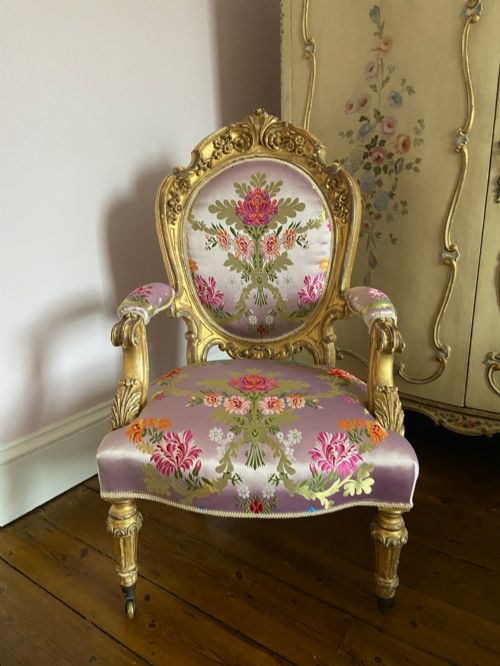
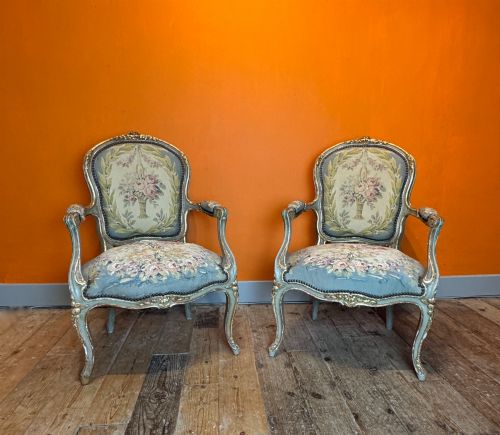
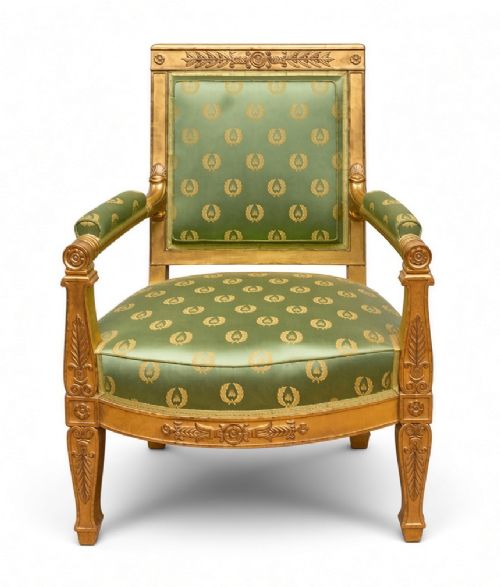
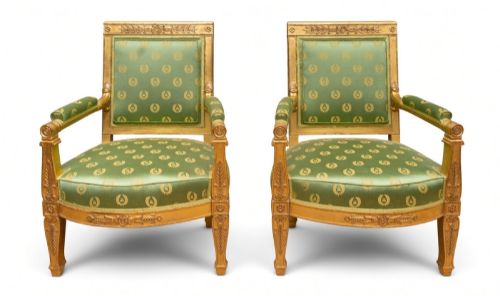
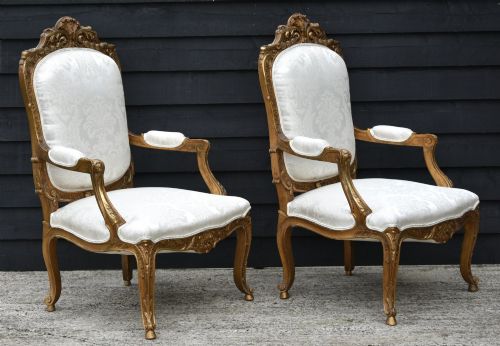
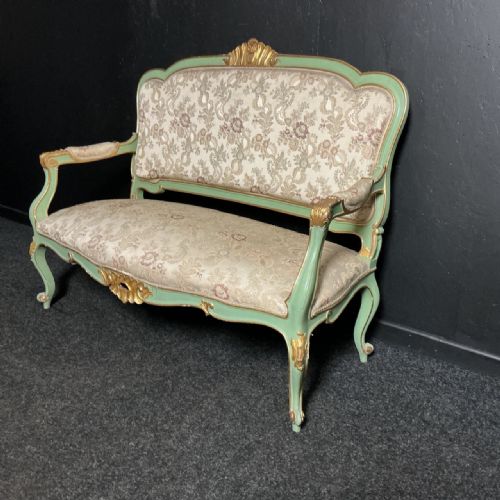
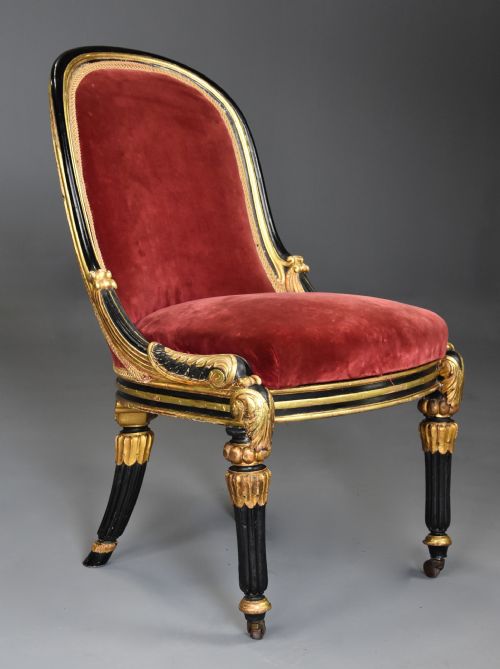
A gilt salon chair is a piece of formal seating finished with gold leaf or gilding, originating primarily from French and English drawing rooms and reception spaces.
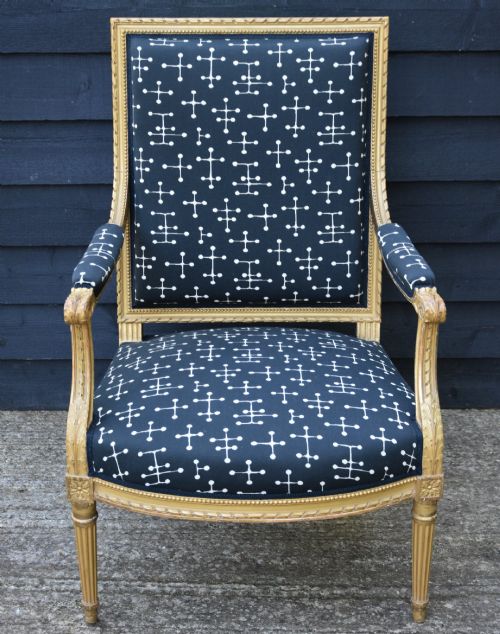
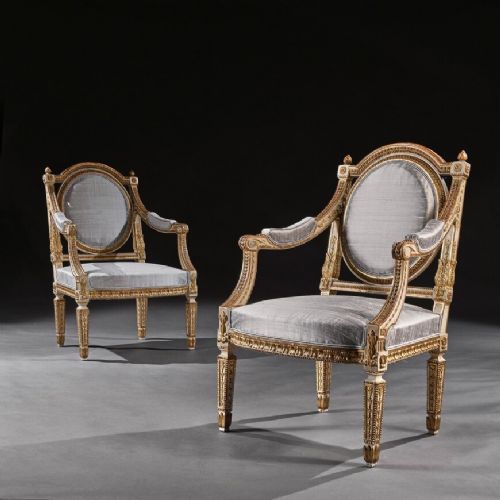
The selections available here lean heavily toward nineteenth-century French examples, particularly those drawing on Louis XVI style and Rococo revival aesthetics.
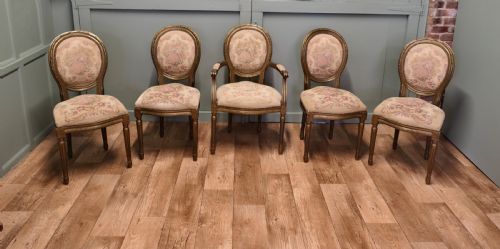
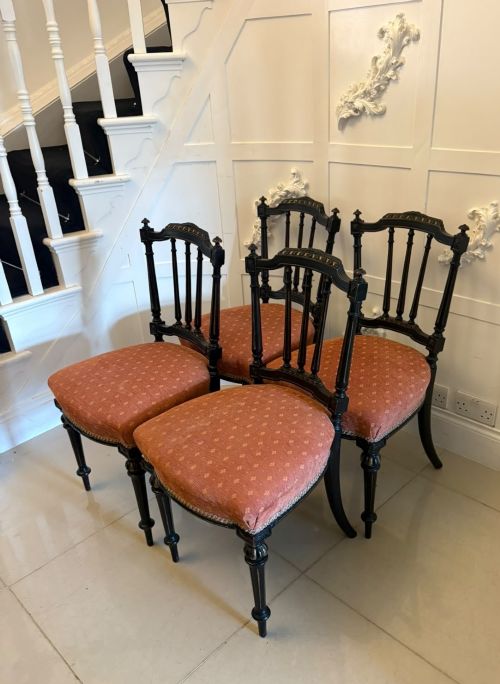
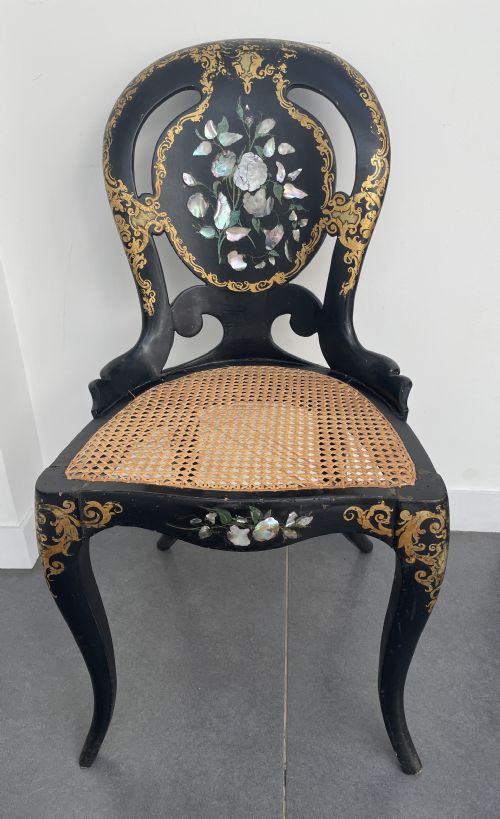
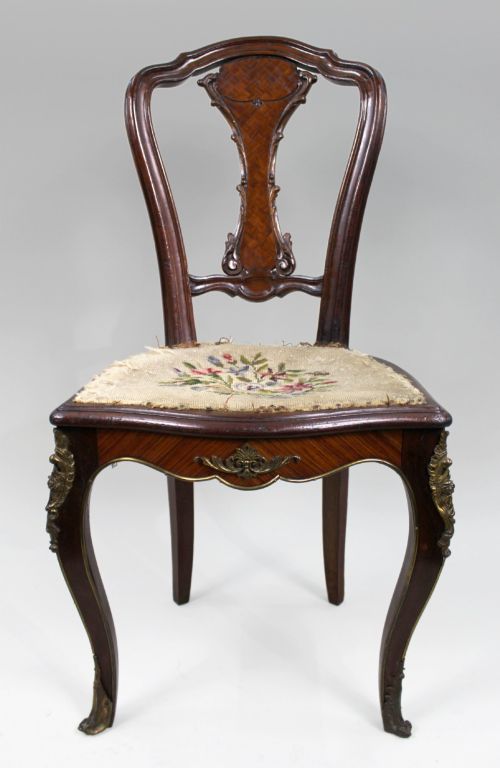
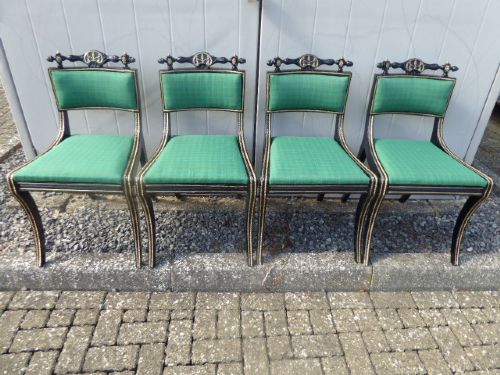
Forms range from open-armed fauteuils and bergères to side chairs and larger salon suites, reflecting the varied social functions of historic reception rooms.
How They Were Made
Carved wooden frames, commonly fashioned from beech or walnut, form the structural foundation of these seats.
Surfaces receive layers of gesso before the application of gold leaf, parcel gilding, or paint, creating the characteristic metallic sheen.
Upholstery relies on traditional textiles such as silk, velvet, tapestry, or woven canework secured to the frame.
Among the seating are miniature children's salon chairs, built to exact scale for tiny nineteenth-century aristocrats.
What Varies in Quality
The crispness and depth of the wood carving distinguish standard production from exceptional workshop output.
The integrity of the original gilding and the quality of the underlying preparation layers dictate the visual preservation of the surface.
Upholstery execution, whether utilising period-appropriate textiles or maintaining historic needlework, influences the overall coherence of the piece.
Jacob Desmalter·Blaise Maucuy·Holland and Sons·Gillows
The Gilt Salon Chair Glossary
- Giltwood
- Wood that has been coated with gold leaf or gold dust over a prepared gesso ground. This finish provides the characteristic metallic brilliance seen on formal nineteenth-century seating.
- Bergère
- An enclosed armchair with upholstered sides framed in wood. The design offers a deeper, more enclosed seat than an open armchair.
- Gesso
- A plaster-like mixture applied to wooden frames to prepare the surface for gilding. It provides a smooth base that allows fine detail in carving to remain sharp under gold leaf.
- Ormolu
- Gilt bronze mounts applied to furniture woodwork. These decorative metal additions appear on select pieces alongside carved giltwood frames.
Gilt Salon Chair: Frequently Asked Questions
Where were these chairs used originally?
These seats belonged in formal drawing rooms, receiving parlours, and salons where hosts entertained guests.
Their decorative gilt frames and refined upholstery suited public reception spaces rather than private chambers.
How do I identify Louis XVI style?
Louis XVI pieces typically display straight, tapered legs, often fluted, alongside geometric framework and neoclassical carved details.
This aesthetic contrasts with the curving, asymmetric lines of earlier Rococo designs.
Can I mix these chairs with modern decor?
Gilt frames function effectively as sculptural accents within contemporary interiors, contrasting against plain walls and modern textiles.
Pairing a single gilded armchair with minimalist furniture highlights its carved woodwork and metallic finish.
What is the difference between an armchair and a salon chair?
Salon chairs encompass a broader category of seating designed for reception rooms, including both armchairs and side chairs without arms.
Armchairs specifically feature structural armrests intended for relaxed sitting during social gatherings.