
Gilt Rim Porcelain
Gilt rim porcelain brings together the refinement of ceramic bodies and the gleam of metallic edges across centuries of European and Asian production.
Gilt Rim Porcelain
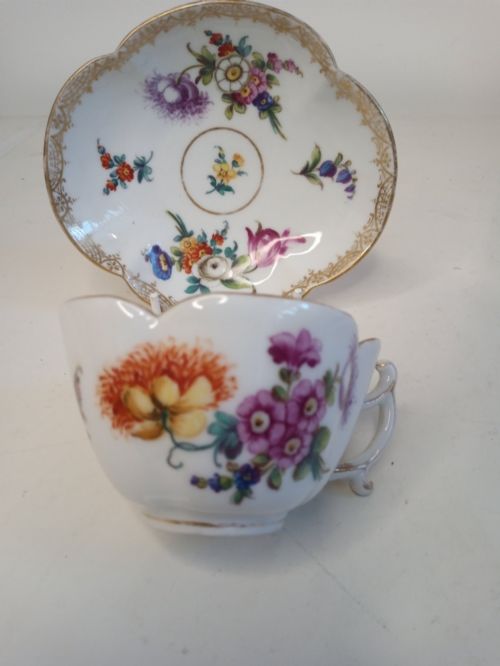
When you search for gilt rim porcelain, you encounter items shaped for display, dining, and decorative use, ranging from cabinet plates to vases and teacups. The pieces span periods from the eighteenth century through the mid twentieth century, drawing on English, continental European, and Japanese traditions.
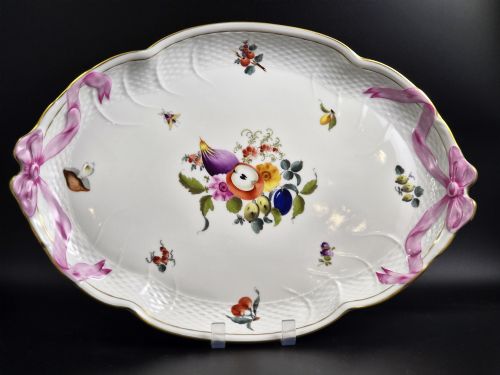
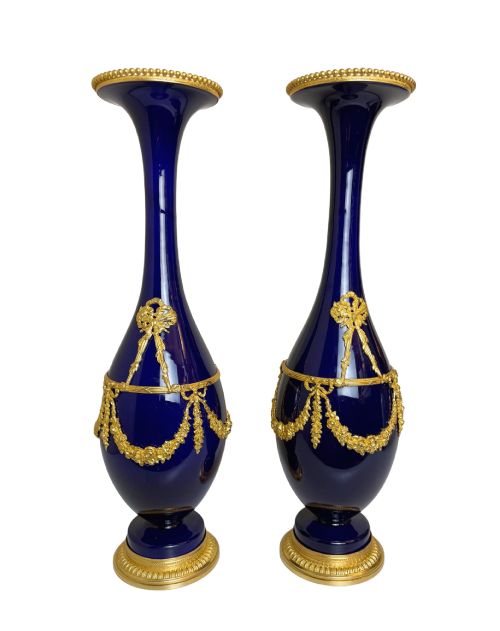
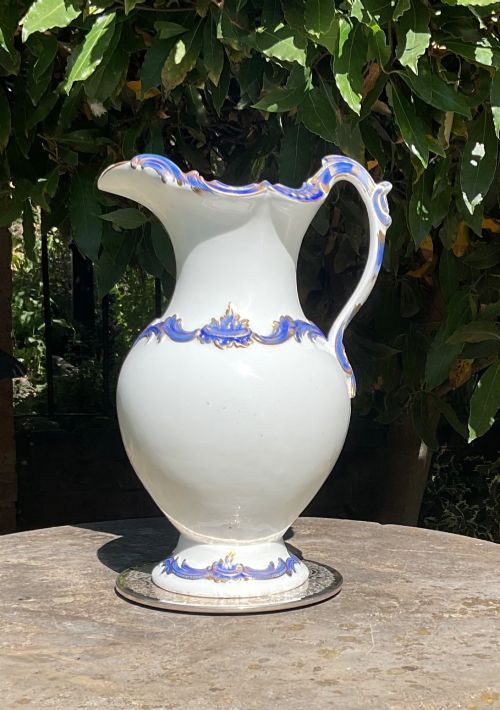
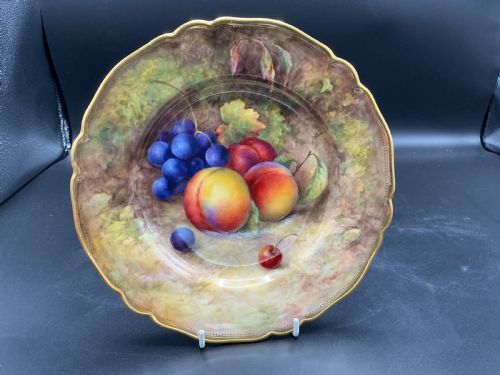
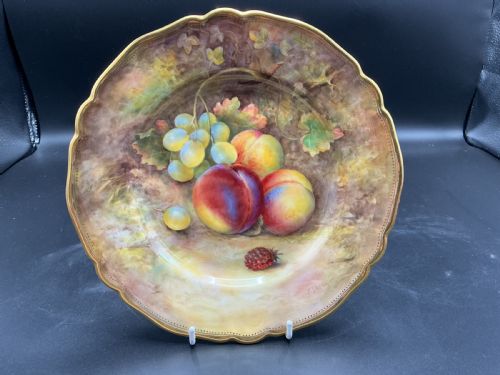
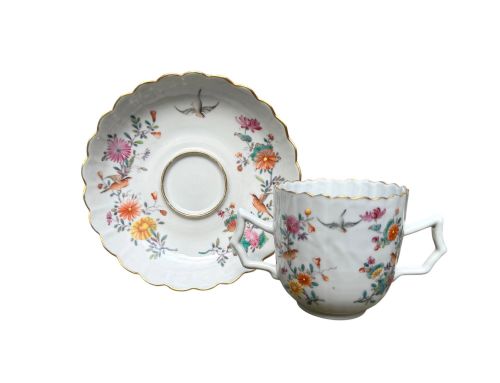
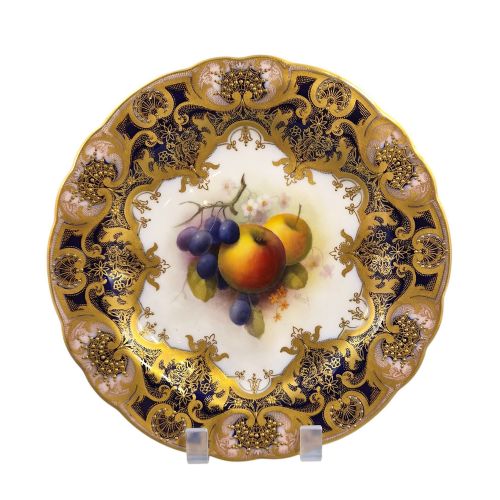
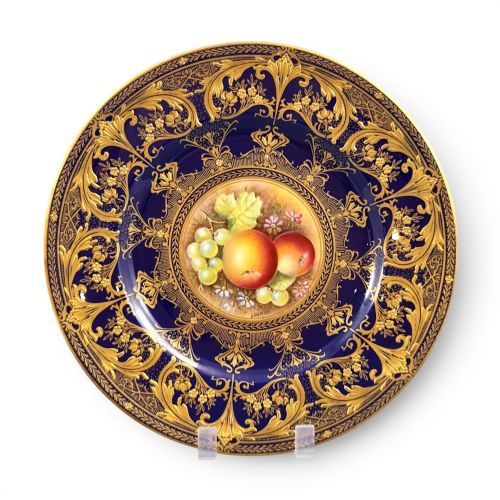
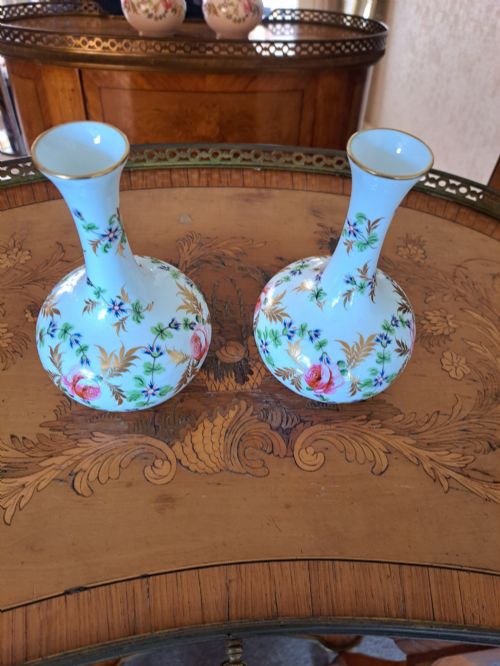
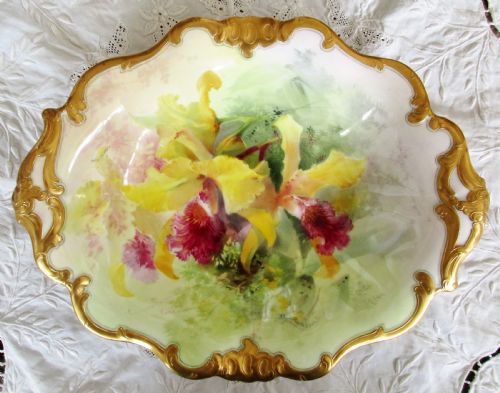
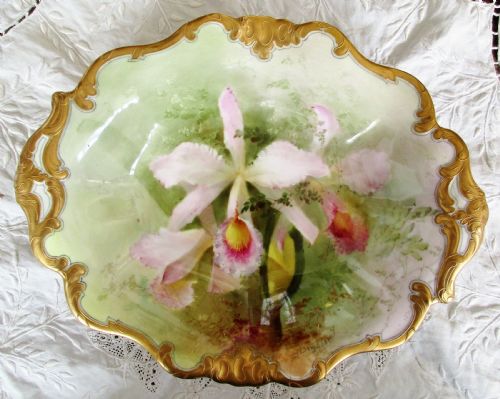
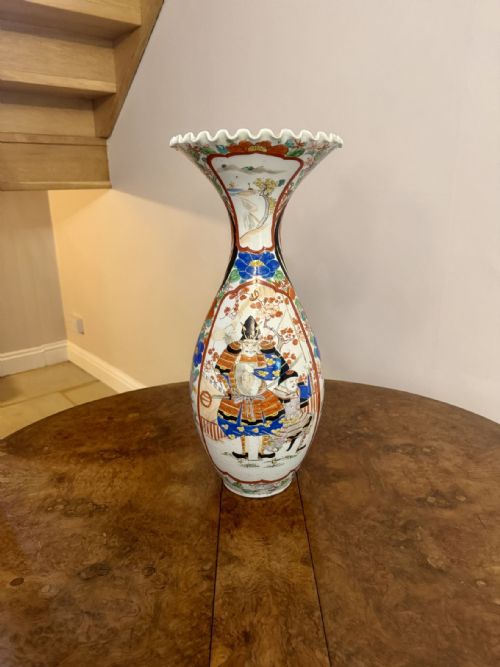
Cabinet plates and decorative dishes dominate the selection, often carrying hand painted fruit, floral sprays, or pictorial scenes framed by metallic borders. Alongside flatware, you find vases, bowls, and tea services produced by notable potteries.
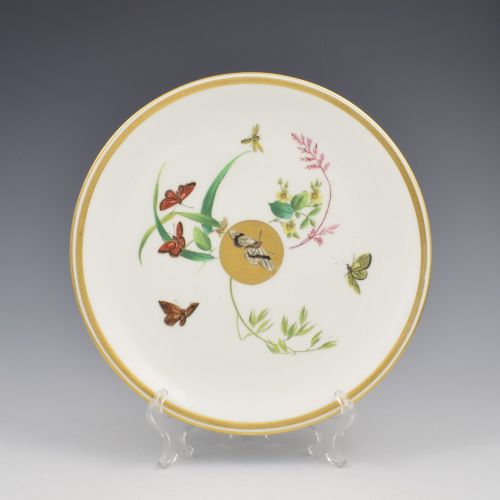
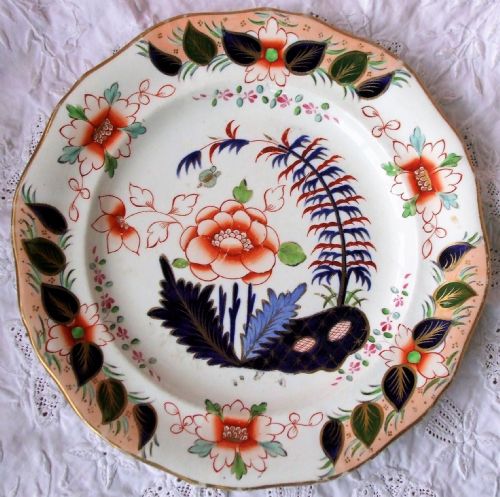
The aesthetic reaches from traditional floral patterns to Japanese Meiji period designs and Aesthetic movement motifs. Most examples date from the Victorian and Edwardian eras up to the mid twentieth century, reflecting varied tastes in domestic display.
How they were made
Maker utilise porcelain, bone china, ceramic, and hard paste porcelain as foundations, applying enamel and gold leaf or gilding to create metallic rims and highlights. Artisans combined thrown or moulded ceramic bodies with hand painted decoration before firing the pieces in kilns.
Application of the gilt edge required steady hands, using liquid gold or gold leaf fixed to the porcelain rim through high temperature firing. Painters added polychrome enamels for fruit, birds, and floral subjects, sometimes incorporating bronze trim on heavier decorative vessels.
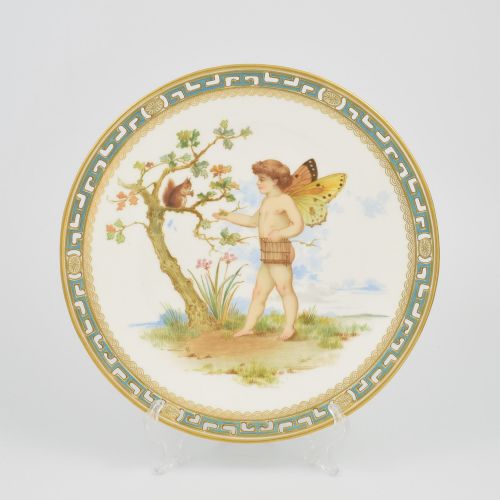
Squirrels and fairies share porcelain surfaces with cabinet fruit and American eagles.
What varies in quality
Quality rests on the execution of the hand painting and the precision of the gilding applied to the porcelain body. Pieces painted by named artists demonstrate a higher tier of craftsmanship than standard factory output.
The delicacy of the ceramic body, from eggshell porcelain to substantial hard paste forms, dictates the refinement of the item. Preservation of the gold leaf and enamel colours without rubbing or loss determines the standing of individual examples.
Royal Worcester·Minton·Crown Derby·Royal Doulton·John Davenport of Longport·Cauldon Ltd·Doe & Rogers·Hichozan Shinpo·Meissen·Coalport·Grainger & Co
The Gilt Rim Porcelain Glossary
- Cabinet plate
- A decorative ceramic plate intended for display rather than dining use. These items often feature detailed hand painted scenes or botanical studies.
- Gilding
- The application of gold leaf or gold powder to the surface of porcelain. This technique highlights rims, handles, and decorative borders.
- Hard paste porcelain
- A dense, durable ceramic composed of kaolin and petuntse fired at high temperatures. It forms the basis of many European and Asian wares.
- Reticulated
- Pierced or openwork ceramic decoration formed by cutting patterns into the clay before firing. This method appears on plates and baskets.
- Imari
- A style of Japanese export porcelain characterised by underglaze blue and overglaze red, green, and gold. European makers frequently copied these patterns.
Gilt Rim Porcelain: Frequently Asked Questions
How do I display cabinet plates?
Cabinet plates are best supported on dedicated wall brackets, plate wire hangers, or sturdy display stands that protect the gilt rim from abrasion.
Keep them away from direct sunlight to preserve the vibrancy of hand painted enamels and floral motifs over time.
Can I use these plates for dining?
While many items originated as functional tableware or dessert services, antique gilt rim pieces require careful handling. The metallic gilding on older ceramics can wear down with abrasive washing or cutlery use.
Gentle hand washing in lukewarm water with mild soap preserves the gold leaf and enamel decoration for daily admiration rather than heavy service.
How do I identify the maker?
Makers typically marked their porcelain on the underside with factory stamps, impressed ciphers, or painted monograms. Researching these specific marks reveals the pottery and approximate decade of production.
Signatures from individual artists, such as those found on painted fruit plates, also appear near the edge of the decorated surface.
What is the difference between bone china and porcelain?
Bone china incorporates bone ash into the ceramic paste, creating a lighter, slightly translucent body with a warm tone. Hard paste porcelain is denser and fired at higher temperatures, offering greater rigidity.
Both materials accept gilding and enamel painting well, though they originate from different manufacturing traditions.