


Gilt Porcelain Service
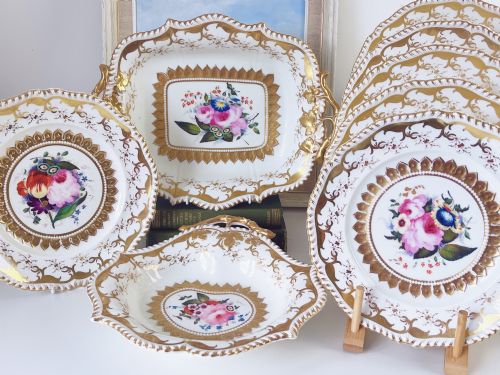
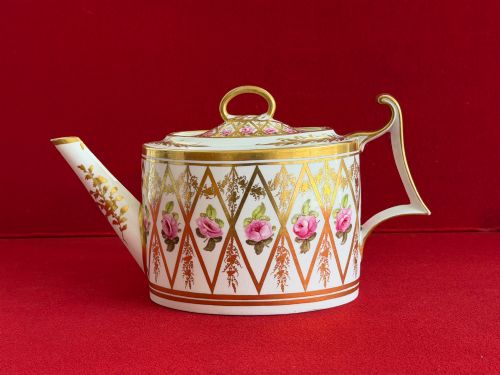
A gilt porcelain service brings hand-painted flowers, gleaming gold leaf and centuries of dining tradition straight to the table.
Gilt Porcelain Service
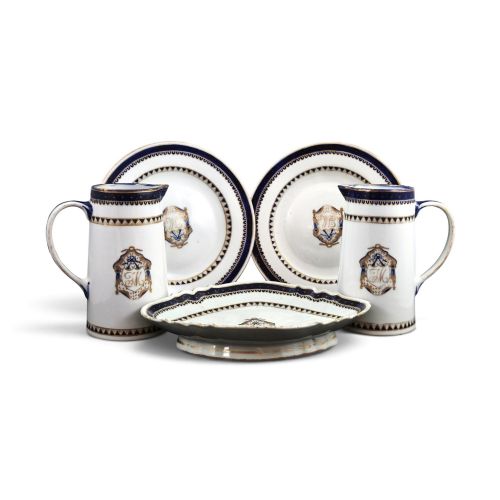
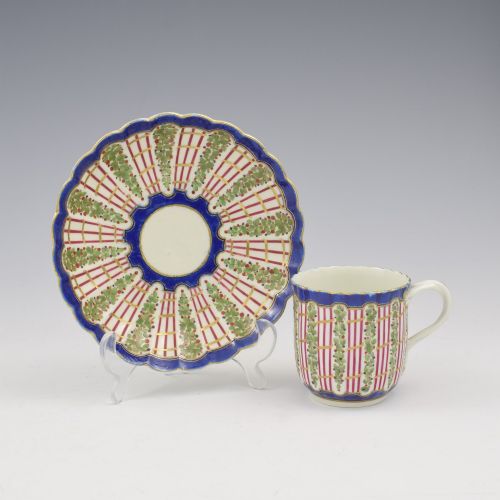
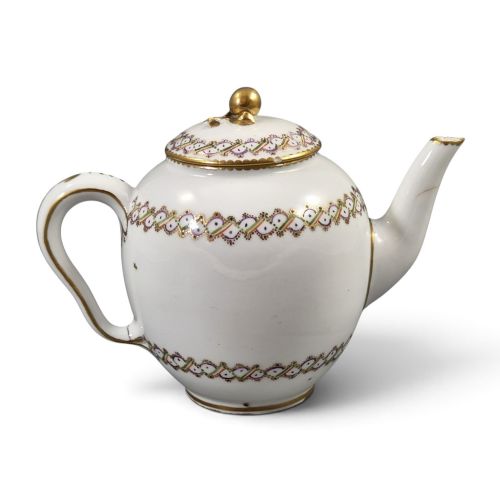
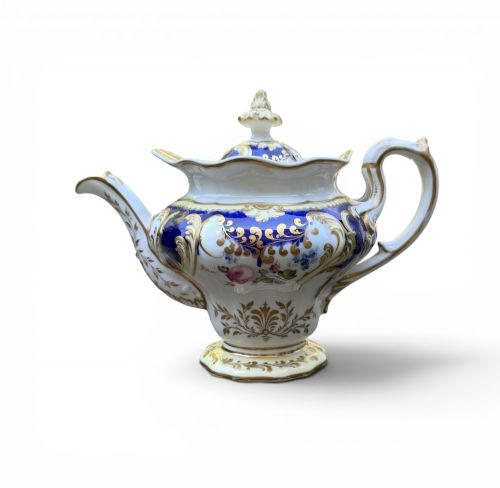
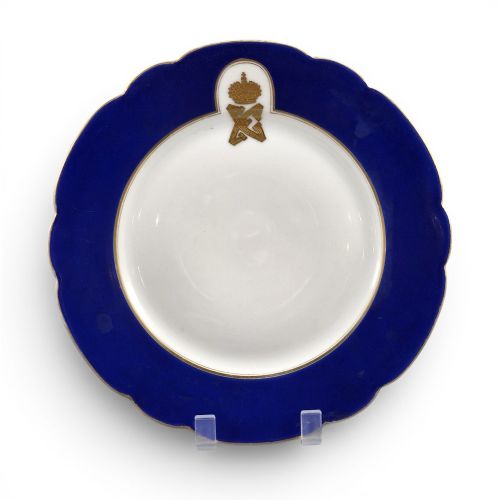
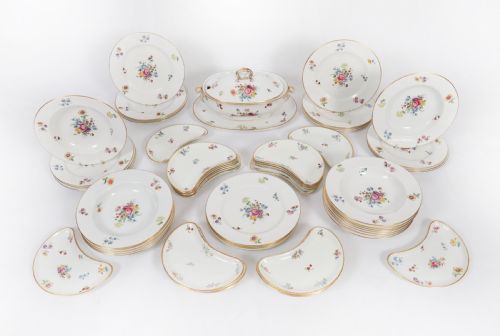
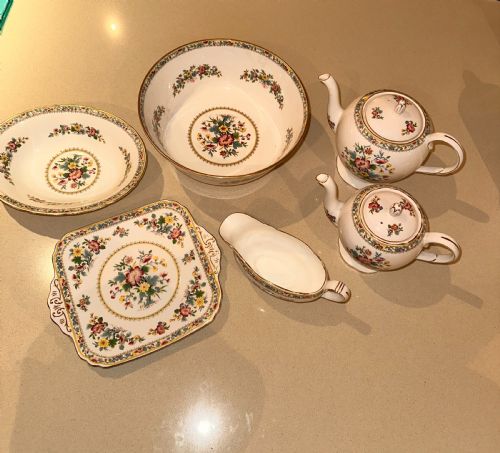
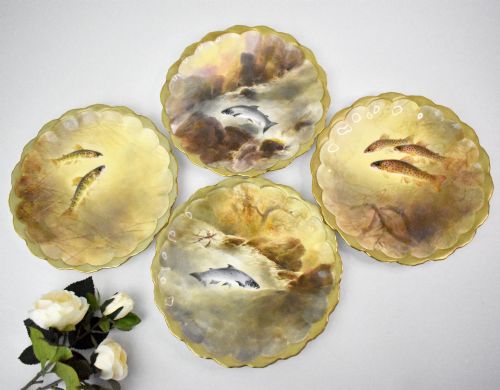
A gilt porcelain service comprises matched or part sets intended for tea, coffee, dessert or dinner dining, often featuring lavish metallic highlights. Buyers seeking a gilt porcelain service encounter everything from eighteenth-century Chinese export wares to grand nineteenth-century Victorian settings.
The material range spans standard ceramic, bone china, soft-paste porcelain and hard-paste porcelain, shaped into teapots, cabinet plates, sucriers and complete dining services. Many pieces originate from renowned English and continental factories, bearing specific monograms or historic patterns.
Completions vary from intimate breakfast sets and afternoon tea collections to massive multi-piece dinner services spanning dozens of individual items. These sets cross periods like the Georgian, Regency and Victorian eras, carrying distinct aesthetic influences from French Rococo Revival to Louis XVI.
Materials and technique
Potters formed these items using ceramic paste, bone china or soft-paste porcelain before firing and applying intricate hand-painted enamel decoration. Artisans then integrated gold leaf or gilding by hand across handles, borders and motifs.
The application of gold leaf required immense precision, often fixed and burnished to create striking contrast against white or coloured porcelain grounds. Factories utilised specialised enamel pigments to achieve vibrant botanical, landscape or armorial scenes alongside the precious metal accents.
Listings feature hard-paste porcelain, bone china and soft-paste porcelain decorated with gold leaf, enamel and ceramic paint.
Distinctions in quality
The standard of a gilt porcelain service rests upon the crispness of the hand-painting, the depth and preservation of the gold leaf, and the prestige of the maker. Master painters applied delicate botanical or figurative details that elevate specific plates and teapots above standard factory output.
Preservation of the original gilding and enamel integrity heavily dictates the standing of a service. Complete sets maintaining matching components and uniform wear across all items command greater appreciation than piecemeal collections assembled later.
Grainger Lee And Co·Derby Porcelain·Royal Sevres·Chamberlains Worcester·Russian Imperial Porcelain·Spode·Royal Doulton·Royal Crown Derby·Rockingham Pottery·Coalport·Flight Barr And Barr·Old Paris·Royal Davenport·Royal Albert Crown China·Limoges·Minton·Royal Worcester
The Gilt Porcelain Service Glossary
- Sucrier
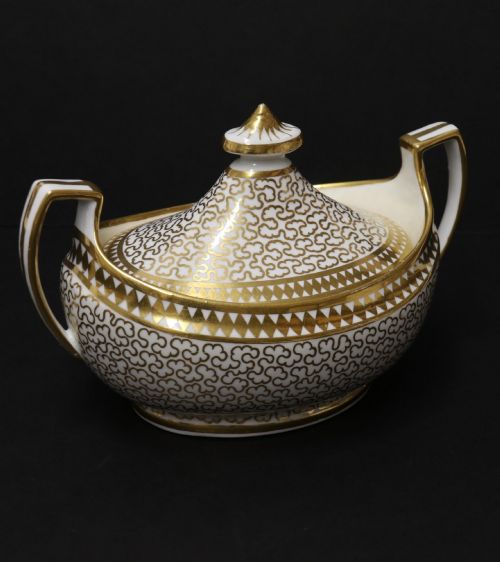
- A small covered sugar bowl designed to accompany a tea or coffee service. These vessels frequently feature matching gilt handles and painted floral motifs.
- Soft-Paste Porcelain
- An artificial porcelain body composed of clay, glass and frits, common in earlier European manufacture. It yields a warm, slightly creamy tone beneath the glaze.
- Felspar Porcelain
- A type of porcelain introduced in the nineteenth century using felspar in the body to increase durability. It provides a bright white foundation for heavy gilding.
- Imari
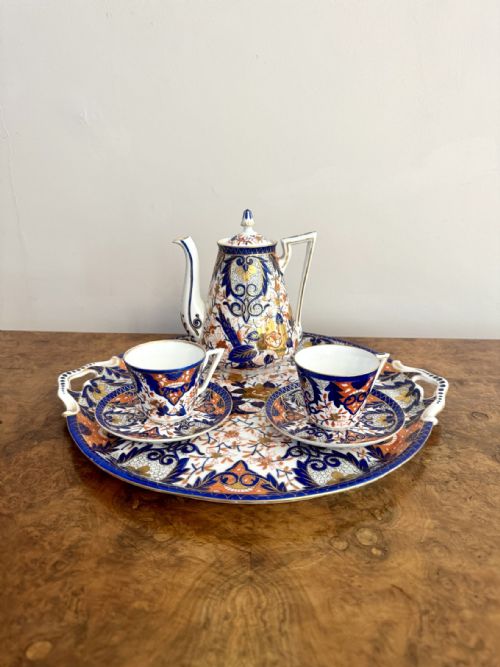
- A decorative style characterised by underglaze blue, iron-red enamel and heavy gilding, heavily adapted by European potteries. This palette creates a dense, colourful visual impact on plates and bowls.
- Gilding
- The application of gold leaf or powdered gold to ceramic surfaces for decorative enhancement. This technique defines the metallic borders and highlights seen across these items.
Gilt Porcelain Service: Frequently Asked Questions
How do I care for a gilt porcelain service?
Hand wash each piece gently in warm water using a mild detergent, avoiding abrasive sponges or modern dishwashers that can wear away delicate gold leaf and enamel.
Store items with protective felt pads between plates to prevent scratching the painted surfaces and fragile gilt rims during handling.
Can I use these antique sets for dining?
Most collectors reserve these historic sets for special occasions or display, though sturdy nineteenth-century porcelain can handle careful, low-temperature usage.
Avoid serving acidic foods or liquids that might react with older soft-paste bodies and historic enamel decorations over extended periods.
What is the difference between a tea set and a coffee set?
Tea sets traditionally include wider cups suited for infusions, alongside larger teapots, milk jugs and matching sugar bowls for social gatherings.
Coffee sets feature taller, narrower pots and smaller cups designed for concentrated brews, reflecting distinct nineteenth-century dining habits.
How do I identify the period of a porcelain service?
Examine the underside of the pieces for factory marks, pattern numbers or impressed ciphers that correspond to known operational dates of the pottery.
Stylistic cues such as Regency shapes, Victorian rococo curves or specific hand-painted monograms also point towards particular eras of manufacture.