


Gilt Porcelain Miniature
These gilt porcelain miniature pieces offer cabinet collectors delicate craftsmanship in small forms, combining painted ceramic bodies with gold leaf or ormolu mounts.
Gilt Porcelain Miniature
When you search for gilt porcelain miniature, you encounter small-scale items ranging from cabinet vases and ewers to painted plaques, cups, and clocks produced across the nineteenth and early twentieth centuries. These objects originate from British factories like Royal Worcester, Spode, and Coalport, as well as continental European manufacturers and Japanese Meiji period workshops.
The domestic and decorative items span periods from the Regency era through the Victorian and Edwardian years, reflecting varied tastes in cabinet display. You meet small pairs of vases, miniature teapots, framed portrait plaques, and clock mountings designed for intimate desk or shelf placement.
Materials and construction methods
The creation of these pieces relies on ceramic bodies shaped into miniature vessels or flat plaques, decorated with hand-painted details and enamel work. Gold leaf or ormolu mounts provide structural frames and decorative borders for the porcelain surfaces.
Makers combine porcelain, earthenware, and ceramic substrates with brass, ormolu, and glass components. Artisans apply fine brushwork to depict figures, florals, and landscapes, often sealing the metallic elements around the miniature forms.
Miniature poodles stand alongside tiny teapots and highland cattle.
Distinctions in craftsmanship and execution
The refinement of the ceramic body and the integration of metal mounts dictate the standing of a piece. Superior items show harmonious proportions between the porcelain miniature and its gilt or brass frame without crude joins or heavy-handed gilding.
Royal Crown Derby·Flight Barr And Barr·Royal Worcester·Hutschenreuter
The Gilt Porcelain Miniature Glossary
- Ormolu
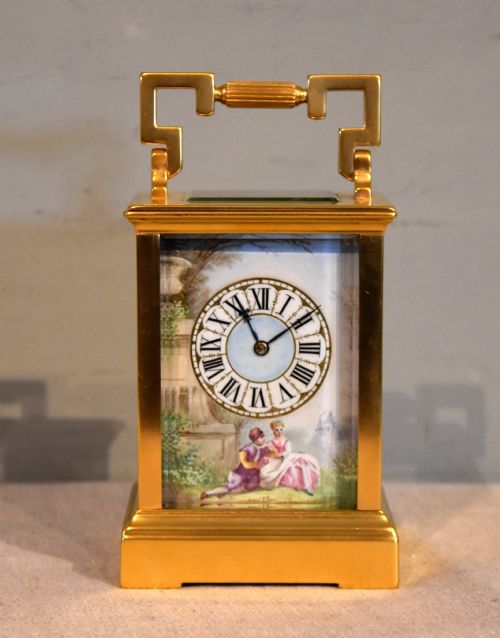
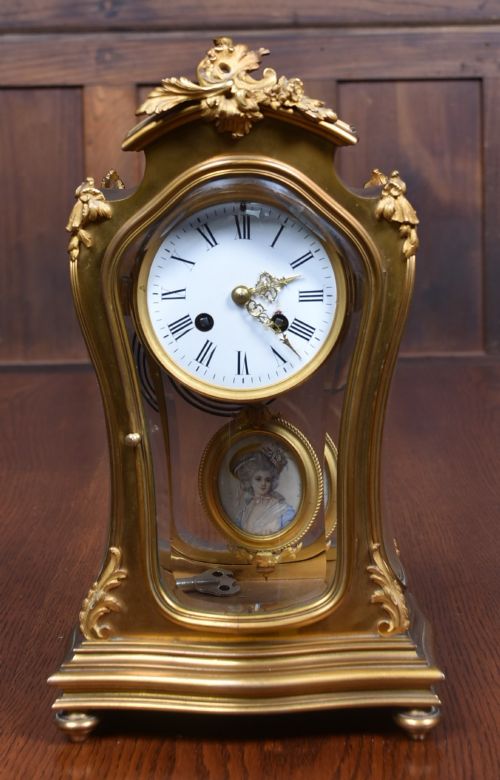
- Gilded bronze or brass mounts applied to furniture, clocks, and porcelain objects. This technique adds metallic lustre and architectural definition to small decorative items.
- Imari
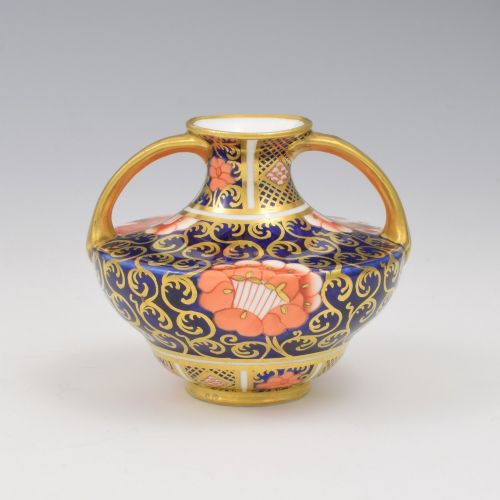
- A style of Japanese export ceramic featuring rich underglaze blue and iron red with extensive gilt highlights. It appears on domestic and cabinet wares from the Meiji period.
- Ewer
- A large-handled jug with a shaped spout, rendered in miniature form for cabinet display. These decorative vessels echo full-sized serving pieces in reduced scale.
- Plaque
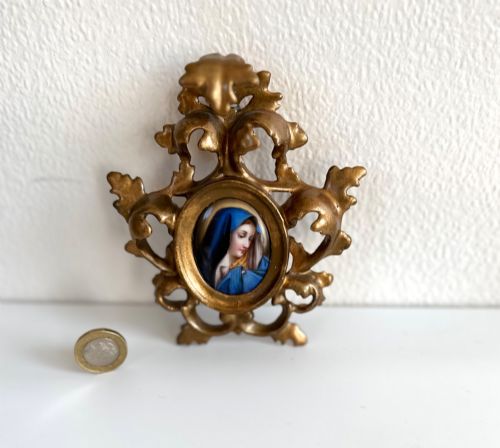
- A flat panel of painted porcelain mounted within a frame or integrated into furniture. Such pieces function as wall art or decorative inserts.
Gilt Porcelain Miniature: Frequently Asked Questions
How were gilt porcelain miniatures displayed?
These small items suited tabletop placement, mantelpiece decoration, or specialised display cabinets alongside other cabinet pieces.
Their compact scale allowed collectors to group multiple vases, plaques, and tiny tea wares within limited interior spaces.
What subjects appear on painted miniature plaques?
Portrait studies of women, religious figures, and scenes derived from Renaissance masters feature prominently on these ceramic panels.
Artists also rendered historical subjects and figural processions within the miniature format.
How do Meiji period miniature pieces differ?
Japanese Meiji pieces often utilise Satsuma earthenware bodies decorated with detailed figural processions and fine gilding.
These items display signature marks from specific workshops and artists working in centres like Kyoto.
What defines a miniature toy service?
Toy services comprise scaled-down dinner or tea wares intended for cabinet collection rather than children's active play.
These sets replicate full-scale ceramic production in miniature proportions.