


19th Century Coalport Porcelain
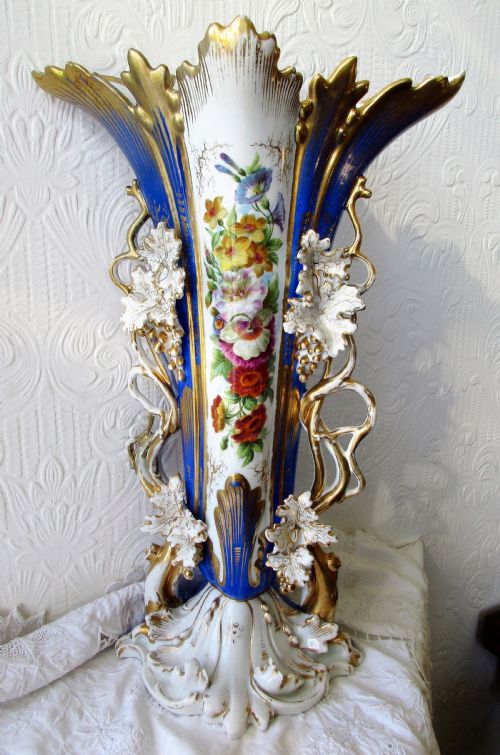
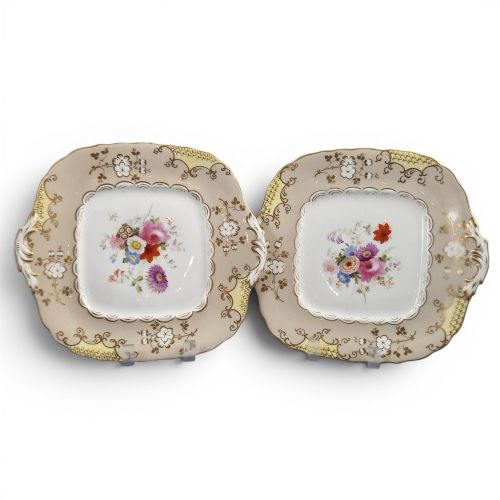
These 19th century coalport porcelain pieces bring handpainted flowers, rich gilding and Regency forms directly to the table and cabinet.
19th Century Coalport Porcelain
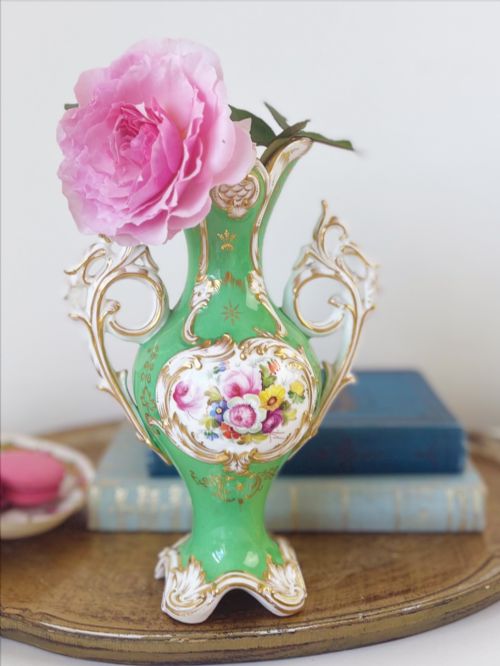
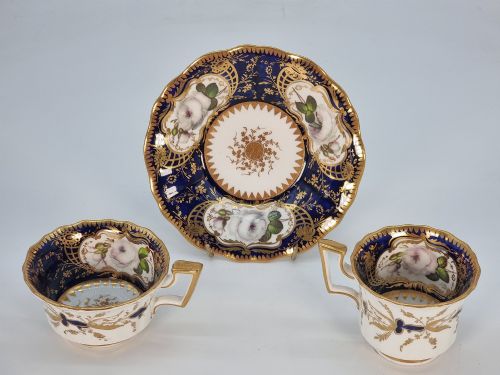
When you search for 19th century coalport porcelain, you encounter a range of functional and display items spanning the Georgian, Regency and Victorian eras. The selection on this page centres on decorative tableware and display items such as cabinet plates, vases, teacups and saucers, and serving dishes.
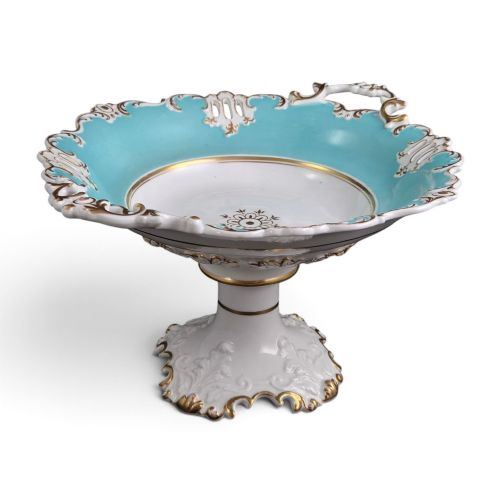
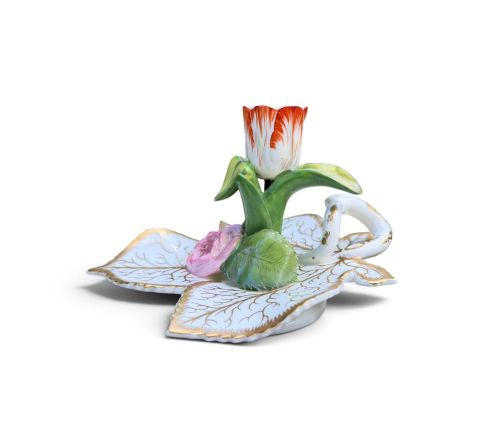
Most pieces date from the earlier decades of the century, showcasing forms like the Campagna urn, the tazza and the chamberstick. You will also find specialised items including supper sets on lazy susans, soup tureens and botanical serving dishes, reflecting both dining customs and ornate display traditions.
How they were made
Potters shaped these objects from bone china and standard porcelain body types, firing them to form sturdy ceramic vessels. Artisans then applied glaze to seal the surface before adding detailed overglaze decoration.
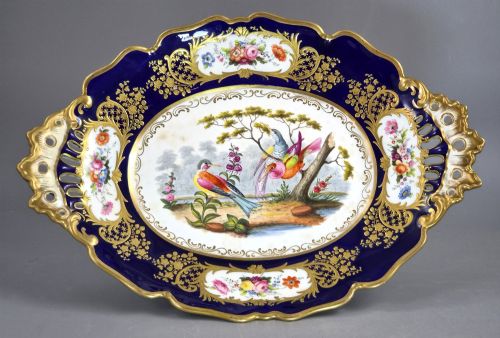
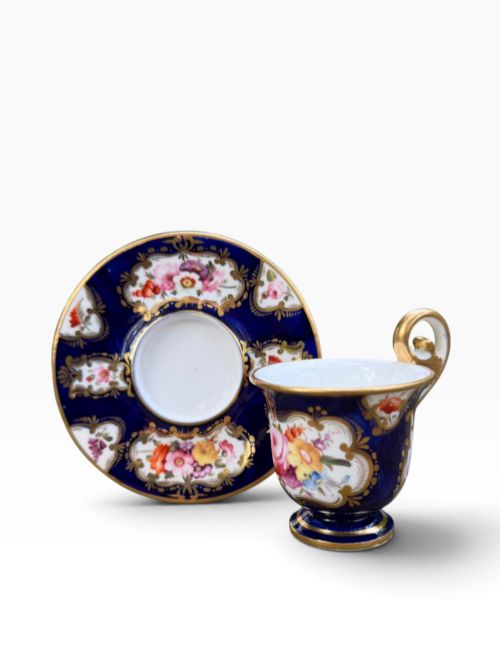
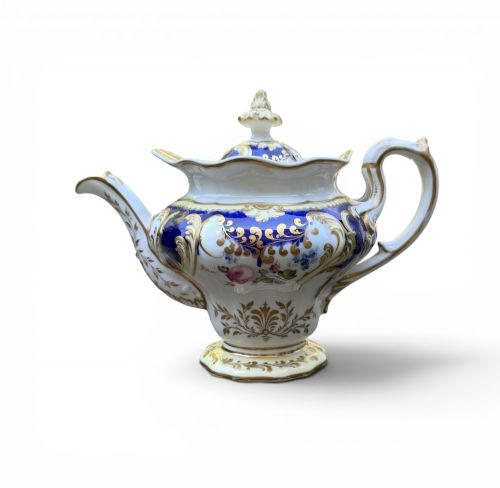
Decoration relied heavily on ceramic enamel pigments for handpainted floral motifs, bird studies and gallant scenes. Gilding and gold leaf highlights were hand applied to rims, handles and sculptural details, often complemented by rich cobalt blue grounds.
Supper sets came equipped with a rotating lazy susan so guests could easily reach their evening snacks without stretching.
What varies in quality
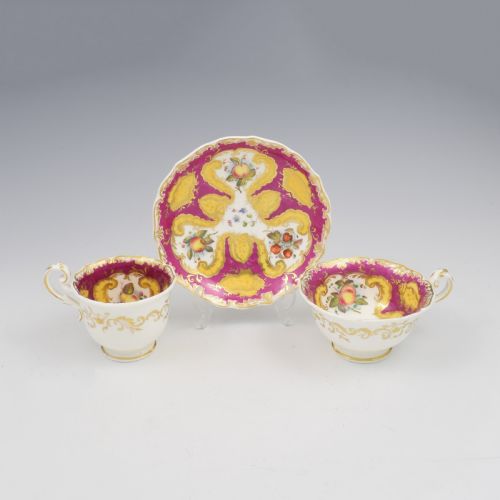
Quality in these ceramics depends chiefly on the precision and artistry of the handpainting, particularly in botanical studies, fruit patterns and figural scenes. Pieces with finely delineated brushwork and sophisticated enamel palettes stand apart from simpler decorated wares.
The ambition of the form and the density of the gilding also distinguish the pieces. Heavy, burnished gold leaf work and elaborate moulded elements like rococo scrolls or ornate handles indicate higher production standards.
Coalport·Coalbrookdale·John Rose
The 19th Century Coalport Porcelain Glossary
- Bone china
- A type of soft-paste porcelain incorporating bone ash, which creates a durable, slightly translucent body suitable for refined tableware.
- Tazza
- An elevated shallow bowl or dish mounted on a stem and foot, typically used for serving fruit or sweets in a dessert service.
- Campagna urn
- A classical two-handled vase shape with a wide mouth and a tapered body resting on a pedestal base, popular during the Regency period.
- Chamberstick
- A low candlestick fitted with a handle and a wide drip pan, designed for carrying safely from room to room in the evening.
- Cabinet plate
- A decorative plate intended primarily for display in a cabinet or on a wall rather than for everyday dining use.
19th Century Coalport Porcelain: Frequently Asked Questions
How do I identify a John Rose period piece?
John Rose period items generally date to the early part of the century, roughly between 1800 and 1830, during the foundational years of the manufactory.
Look for refined botanical painting, crisp bone china bodies and classic Regency forms such as the cabinet trio or serving dish.
Were these items used for daily dining?
Many items, including teacups, saucers, teapots and soup plates, were produced for active household use in wealthy homes. Elaborate cabinet plates and large decorative vases were intended strictly for display.
Service pieces like botanical dishes and supper sets sat on formal dining tables during multi-course meals.
What is the difference between Georgian and Victorian styles here?
Georgian and Regency pieces tend to feature cleaner classical lines, such as Campagna urns and botanical studies with restrained borders. Victorian examples often embrace the rococo revival style, featuring turquoise grounds, asymmetrical scrolling and heavy gilding.
Both periods share the same core porcelain materials but express different aesthetic priorities in their decoration.
How should I display a cabinet plate safely?
Cabinet plates are best housed in a stable display cabinet away from direct sunlight to protect the enamel colours and gold leaf. Use a secure, padded plate stand designed to distribute the weight evenly without stressing the rim.