



Gilt Parlour Chairs Pair
These gilt parlour chairs pair selections bring French revival elegance and gilded warmth straight into your sitting room.
Gilt Parlour Chairs Pair
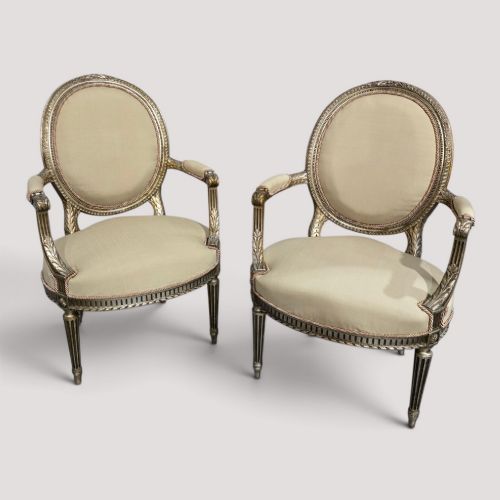
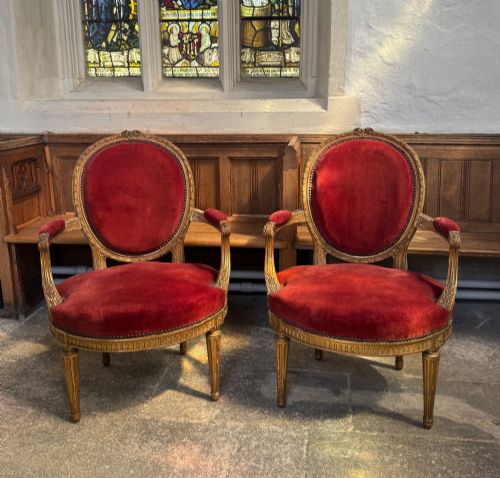
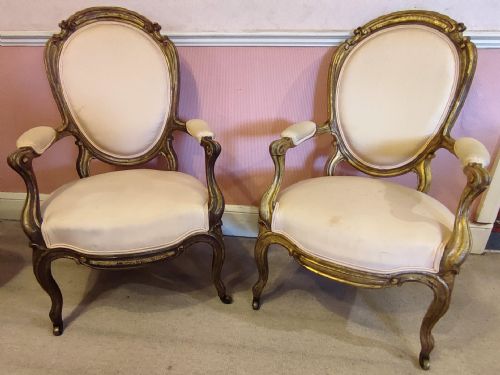
When you search for a gilt parlour chairs pair, you are looking at ornate seating created to furnish formal reception rooms and nineteenth century salons. The pieces available here consist primarily of nineteenth century armchairs, fauteuils, and salon chairs reflecting continental design revivals.
You are most likely to encounter nineteenth century examples rendered in the French manner, along with specific early twentieth century pieces dated around nineteen ten and nineteen twenty. These span forms from single bedroom chairs to substantial lounge suites.
The dominant aesthetic draws heavily on continental historicism, featuring French Rococo, Louis the Sixteenth revival, and Swedish Empire styles. These chairs were designed to impress visitors while offering ornamental luxury within domestic interiors.
How they were made
The framework of these chairs relies on traditional timbers such as beech and mahogany, shaped and joined to support decorative finishes. Artisans applied giltwood, paint, and intricate marquetry inlay to achieve the characteristic metallic sheen and surface ornamentation.
Upholstery forms an integral part of the construction, utilising tactile textiles like velvet and red velvet to pad the seats and backs. Metal components such as brass often appear in structural mounts and decorative detailing.
Gilt Parlour Chairs Pair Retail Price Guide 2026
Typical asking prices for gilt parlour chairs pair among the pieces listed under this phrase on Sellingantiques today, from the lower quarter to the upper quarter. They describe what is for sale here now, not the wider market.
Someone once decided a standard bedroom needed an empire revival lounge suite, proving grandeur belongs anywhere.
What varies in quality
Quality rests on the crispness of the carved woodwork and the fidelity of the revival style applied by the maker. Finer examples display meticulous attention to proportion and detail in the giltwood and painted surfaces.
The choice of upholstery materials and the integrity of the underlying frame also separate standard seating from exceptional pieces. Superior items maintain their structural presence and decorative impact across the entire suite or pair.
The Gilt Parlour Chairs Pair Glossary
- Giltwood
- Wood that has been treated with a thin layer of gold leaf or gilt finish. This technique creates a bright metallic surface popular in formal continental furniture.
- Fauteuil
- An open-armed upholstered armchair with wooden arms left uncovered. It originated in France and remains a staple of formal salon seating.
- Marquetry
- The art of applying pieces of veneer to a structure to form decorative patterns. Craftsmen use various woods to create intricate pictorial designs on the furniture surface.
- Louis XVI Revival
- A nineteenth century design movement drawing inspiration from the decorative arts of Louis the Sixteenth's reign. It emphasises straight lines, classical motifs, and restrained ornamentation.
- Salon Suite
- A matched set of seating furniture designed for a drawing room or reception space. These suites typically include armchairs, settees, and side chairs sharing identical stylistic details.
Gilt Parlour Chairs Pair: Frequently Asked Questions
What defines a gilt parlour chairs pair?
A gilt parlour chairs pair consists of matching seats finished with gold leaf or metallic paint, designed for nineteenth century reception rooms.
They reflect historical revival movements, particularly French styles like Louis the Sixteenth and Rococo.
How were these chairs used originally?
These chairs furnished formal parlours and salons where hosts received guests and displayed their refined taste.
They served both as functional seating for conversation and as decorative focal points within grand domestic interiors.
How do I care for giltwood surfaces?
Giltwood requires gentle dusting with a soft, dry cloth to protect the delicate metallic leaf finish from abrasion.
Keep these chairs away from direct sunlight and excessive moisture to preserve the underlying wood and paint.
How can I tell different revival periods apart?
Louis the Sixteenth revival pieces display straighter lines and classical motifs, whereas Rococo revival examples feature flowing, asymmetrical curves.
Examining the specific timber beneath the paint and the style of the carving helps determine the approximate period of manufacture.