



Gilt Painted Chair
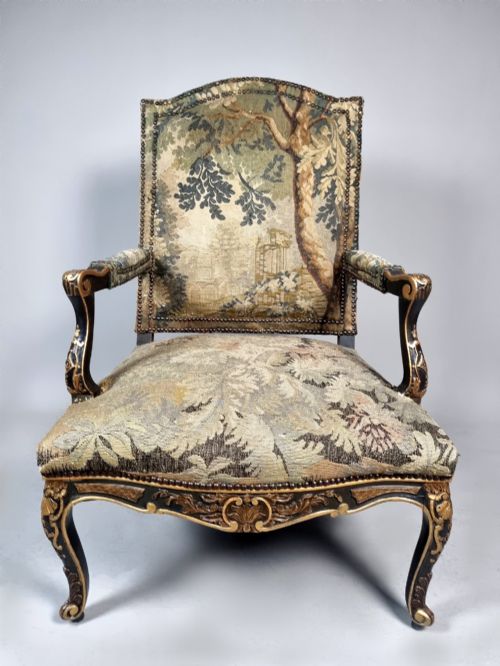
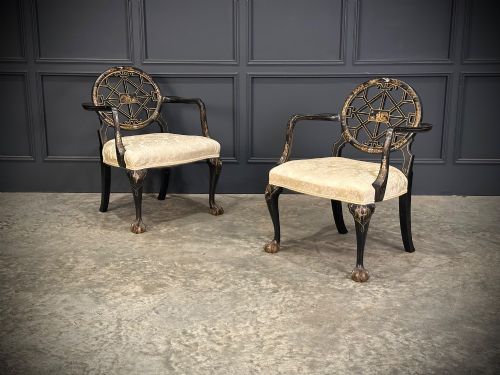
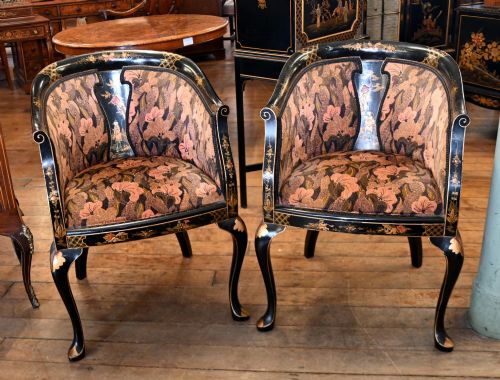
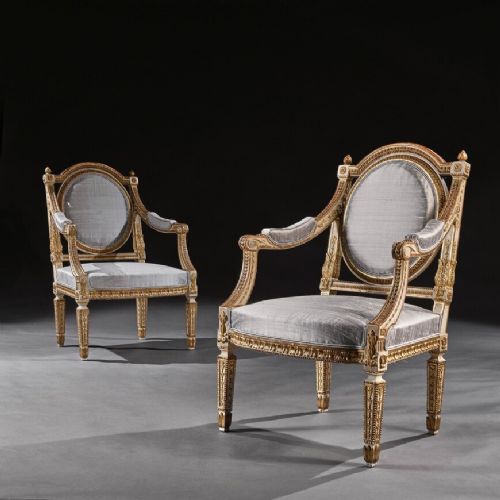
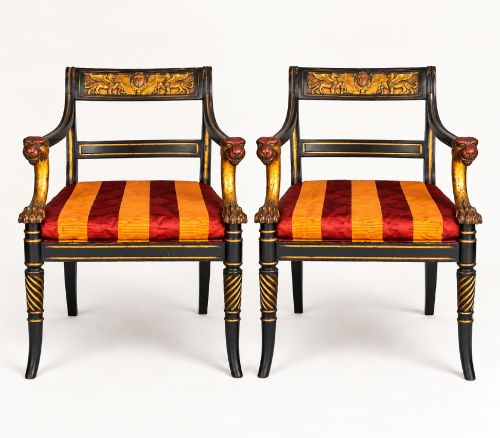
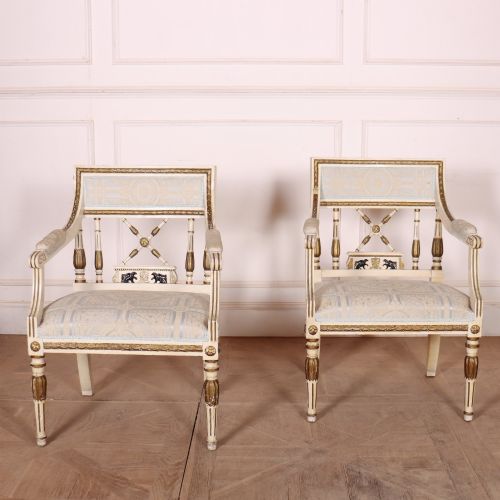
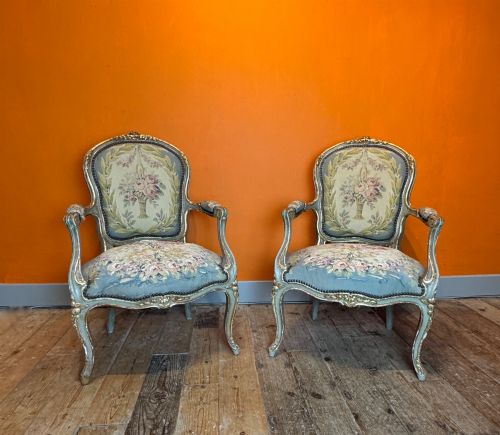
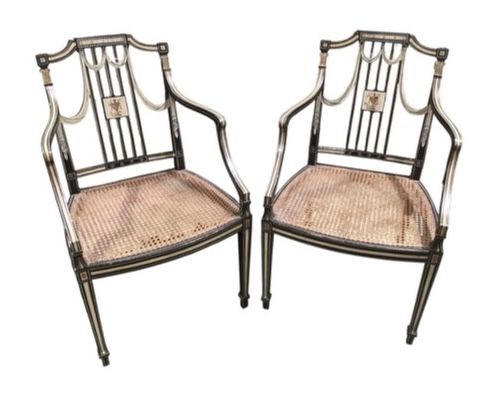
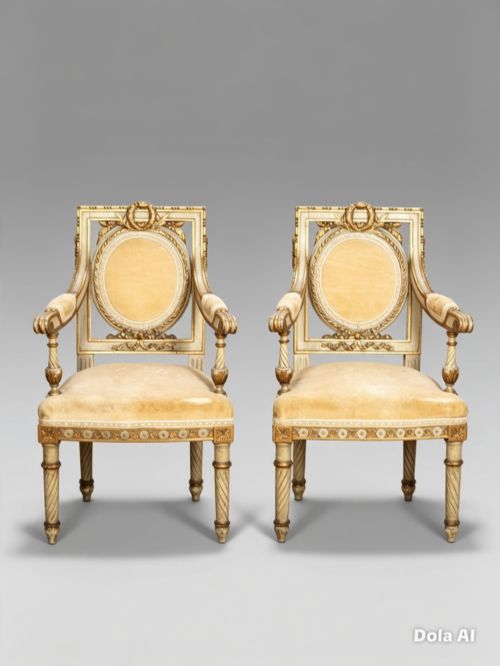
A gilt painted chair brings neoclassical elegance to a room, combining painted timber frames with highlights of gold leaf.
Gilt Painted Chair
A gilt painted chair encompasses seating pieces finished with decorative paintwork and applied metallic leaf, ranging from grand armchairs to simple side chairs. Buyers seeking a gilt painted chair encounter numerous examples spanning the eighteenth and nineteenth centuries, alongside later revivals from the twentieth century.
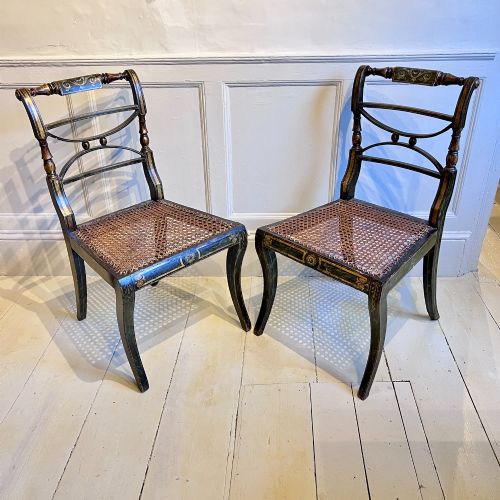
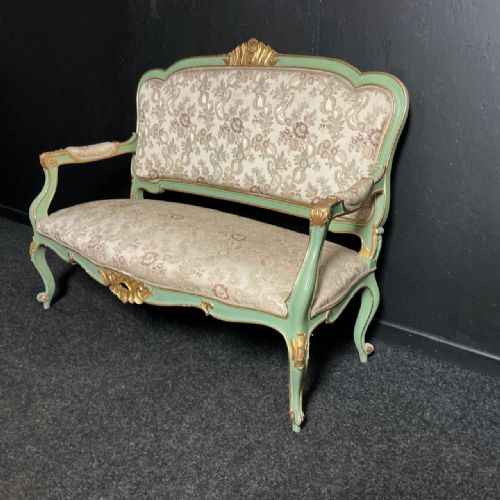
The selections span distinct historical eras, including Georgian, Regency, and various continental styles such as Louis XVI and Italian Rococo. Forms vary widely from dining sets and library chairs to boudoir seating, window seats, and salon armchairs.
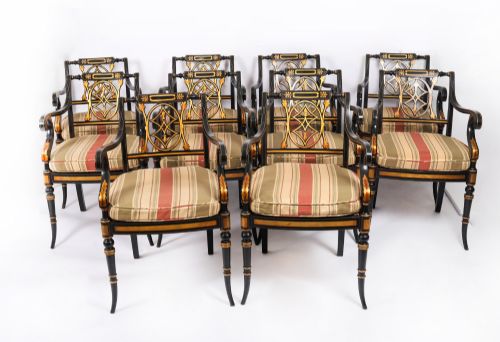
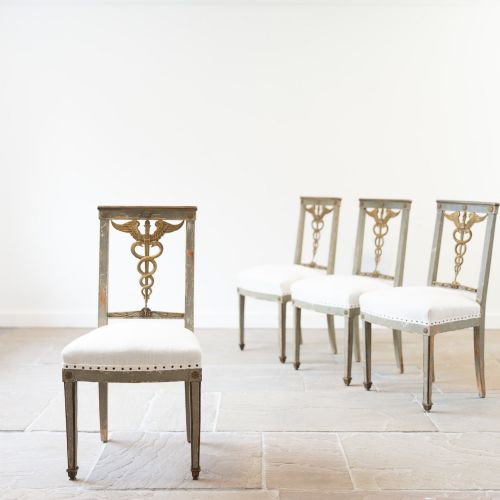
Origin details reveal English, French, Italian, and Northern European workshops, often following classical design vocabulary. Dining chairs appear in sets, while armchairs and salon seats more frequently present as pairs or single statement pieces.
Materials and construction methods
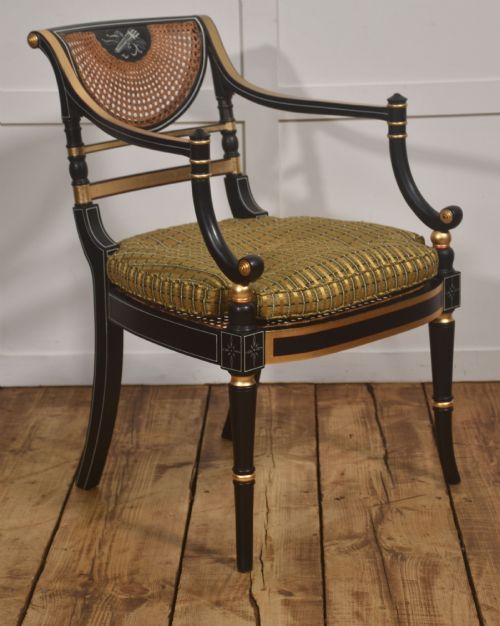
Makers utilised solid timbers such as wood, sometimes employing cane inserts for seats or intricate pierced splats for backrests. Frames received base coats of paint, frequently complemented by parcel-gilt details where gold leaf highlights carved motifs.
Upholstery materials include traditional fabric, velvet, and tapestry, supporting structural frames shaped in Regency, Neoclassical, and revival styles. Surface finishes range from lacquered treatments to ebonised and simulated satinwood effects.
Gilt Painted Chair Retail Price Guide 2026
Typical asking prices for gilt painted chair among the pieces listed under this phrase on Sellingantiques today, from the lower quarter to the upper quarter. They describe what is for sale here now, not the wider market.
Children secure their own dedicated salon chairs and diminutive gilded armchairs within the historical record.
Assessing quality in decorative seating
Quality rests upon the crispness of the carved wooden ornament beneath the paint and the subtlety of the parcel-gilt detailing. Finer examples display meticulous brushwork and cohesive integration between the painted ground and the gilded highlights.
The integrity of the timber frame, the fidelity of the period style - whether authentic Georgian or later revival - and the condition of the original decorative surface dictate the distinction between standard and exceptional pieces.
Gillows
The Gilt Painted Chair Glossary
- Parcel-gilt
- A decorative treatment where only specific carved elements or details of an object are highlighted with gold leaf. This technique contrasts metallic brilliance against a painted timber ground.
- Bergere
- An enclosed upholstered armchair with wooden framing exposed around the sides and back. These comfortable seats often feature cane panels or fully upholstered sides.
- Fauteuil
- An open-armed French armchair with upholstered back and seat supported by exposed wooden arms. The armrests typically feature padded elbow rests.
- Ebonised
- Wood finished to resemble ebony through dark staining, painting, or chemical treatment. This dark ground frequently serves as a contrast for gilt decoration.
- Splats
- The vertical central strip of wood in the back of a chair. Pierced splats feature openwork carved designs common in dining chair backs.
Gilt Painted Chair: Frequently Asked Questions
What periods do these chairs represent?
The pieces span the eighteenth century, the Georgian and Regency eras, the nineteenth century, and twentieth-century revivals. Styles reflect historical movements including Neoclassical, Louis XVI, and Italian Rococo.
Dates range from early eighteenth-century examples to mid-twentieth-century interpretations, showing how classical aesthetics endured across multiple generations of cabinetmakers.
How were these chairs used historically?
These decorative seats functioned primarily in formal reception rooms, salons, libraries, and withdrawing rooms where appearance mattered greatly. Armchairs and salon chairs provided comfortable seating for conversation, while dining chairs furnished large estate dining rooms.
Smaller boudoir chairs and piano stools catered to specific domestic activities in private apartments, combining functional utility with refined interior decoration.
How do I distinguish original period pieces from revivals?
Distinguishing original pieces from later revivals requires examining the construction techniques, timber ageing, and the application of paint and gold leaf. Eighteenth and early nineteenth-century pieces exhibit hand-carved details and material wear consistent with age.
Revival pieces, such as those from the twentieth century or Victorian era, often emulate earlier Regency or Louis styles using period-appropriate machinery and specific revival design markers.
How should I care for painted and gilded furniture?
Preserving these surfaces requires protection from direct sunlight and stable indoor humidity levels to prevent timber movement. Dusting should occur gently with a dry, soft cloth without chemical polishes that might damage fragile gold leaf.
Upholstered components benefit from professional cleaning methods suited to historic fabrics, velvet, or tapestry to maintain the overall integrity of the piece.