
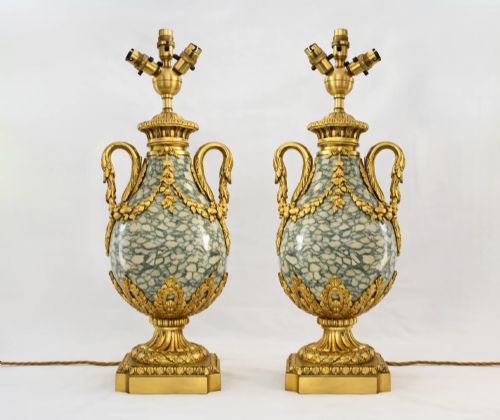


Gilt Mounted Vase Lamps
These gilt mounted vase lamps transform decorative porcelain and earthenware vessels into striking interior lighting through metal mountings.
Gilt Mounted Vase Lamps
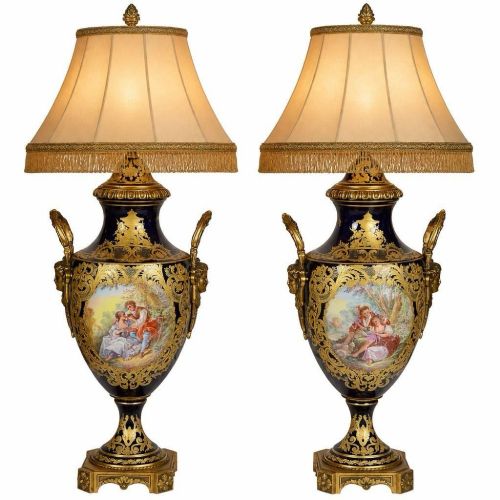
Gilt mounted vase lamps combine historical ceramic bodies with electrical fittings for interior display. Buyers examine pieces originating from Chinese dynasties, Japanese kilns, and French workshops adapted for lighting.
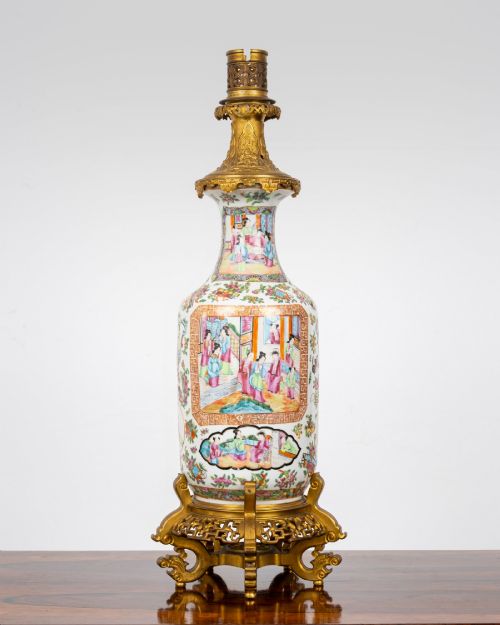
The most frequent items on this page are nineteenth-century pairs featuring oriental porcelain bodies fitted with gilt bronze or ormolu mounts. These pieces integrate distant ceramic traditions with European decorative preferences.
Forms range from lidded vessels and cassolettes to ginger jars and open vases. Each object serves a dual purpose as a decorative antique and a functional light source.
Materials and construction
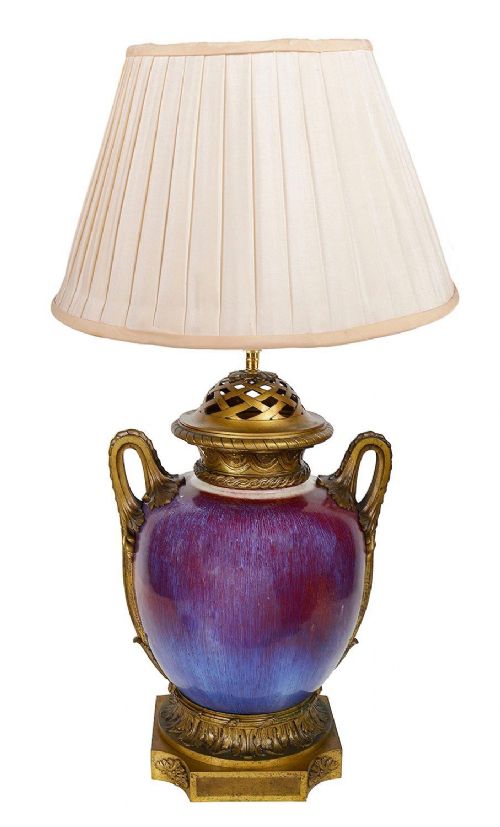
Ceramic bodies consist of porcelain, earthenware, and cloisonné enamel decorated with hand-painted glazes, famille rose, or sang de boeuf finishes. These vessels provide the structural core and visual identity for each lamp.
Metal mounts utilise gilt bronze, ormolu, brass, and gilt metal shaped into feet, rims, handles, and collars. Artisans secured these cast elements to protect ceramic edges and elevate the status of the vessel.
Lighting adaptations integrate wiring through drilled bases or fitted collars alongside fabric and silk shades. These components support modern electrical use while retaining the original decorative character of the antique vessel.
Materials span porcelain, earthenware, cloisonne enamel, gilt bronze, ormolu, brass, and silk.
Judging quality in mounted lamps
Quality depends upon the integration between the ceramic body and the metal mounts. Superior examples display cast ormolu that conforms precisely to the contours of the porcelain without damaging the glaze.
The precision of hand-painted ceramic decoration distinguishes finer productions from standard workshop pieces. Detailed brushwork in famille rose or cloisonné enamel indicates higher craftsmanship.
Proportion governs the visual success of the conversion. The scale of the metal mounts and the choice of shade must complement the weight and form of the central vessel.
Samson Porcelain
The Gilt Mounted Vase Lamps Glossary
- Ormolu
- A gilded bronze finish applied to decorative metal mounts. This technique creates a rich golden surface popular in French furniture and decorative hardware.
- Cassolette
- A decorative vessel shaped like a perfume burner or vase, often fitted with a reversible lid. These objects frequently appear converted into ornamental lamps.
- Famille Rose
- A palette of opaque Chinese ceramic glazes dominated by pink enamel colours. Introduced in the eighteenth century, this style continued to influence nineteenth-century production.
- Cloisonné
- An enamel technique where metal wires form raised cells on a vessel surface to hold coloured pastes. Firing creates a patterned design across the body.
- Satsuma
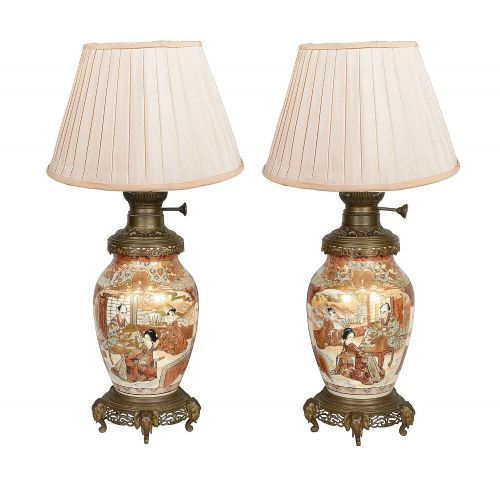
- A type of Japanese earthenware featuring a crackle glaze decorated with fine polychrome patterns and gilding. These ceramics were widely exported during the nineteenth century.
Gilt Mounted Vase Lamps: Frequently Asked Questions
What periods do these lamps come from?
The listings span the eighteenth and nineteenth centuries, incorporating Victorian productions and later reinterpretations. Many items date specifically from the eighteen-eighties and eighteen-nineties.
European workshops frequently utilised imported Asian ceramics from earlier eras, mounting them with ormolu during subsequent decades.
Were these vessels originally made as lamps?
Almost all ceramic bodies started as decorative vases, jars, or cassolettes created for display rather than illumination. Artisans adapted them into lamps at a later date by adding electrical components and metal fittings.
This conversion process allowed historical decorative arts to find practical application in domestic interiors.
Are these lamps sold as pairs?
Many listings feature matching pairs of lamps, which suits placement on sideboards, mantels, or bedside tables. Single lamps also appear individually across different decorative styles.
Pairs typically share identical ceramic bodies, mount designs, and overall dimensions.