




Gilt Moulding Wall Mirror
A gilt moulding wall mirror brings warmth and reflective depth to a room, drawing the eye with carved detail and metallic brilliance.
Gilt Moulding Wall Mirror
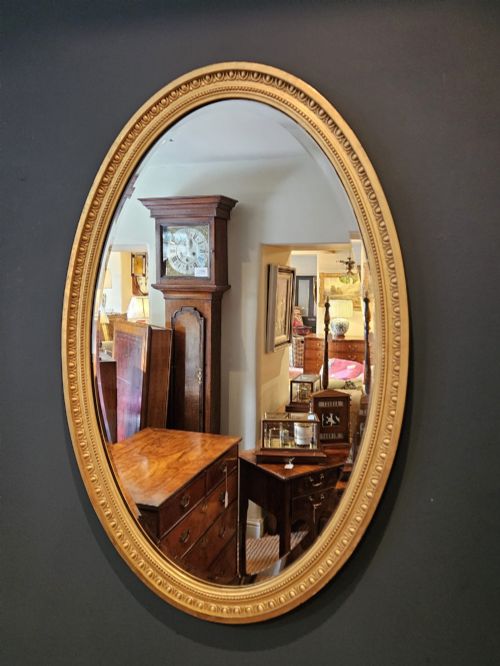
A gilt moulding wall mirror is a framed looking glass designed for hanging, incorporating metallic surface treatments across periods from the Regency era through to the Edwardian decades.
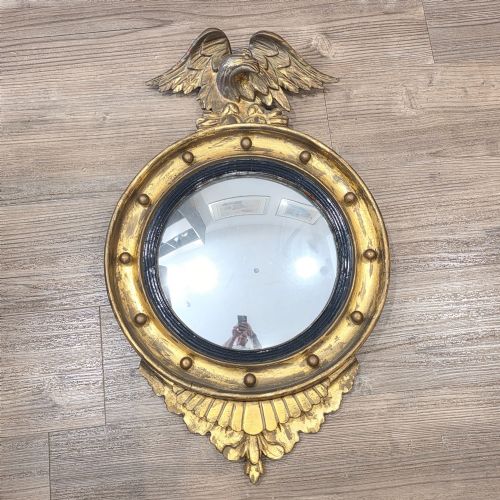
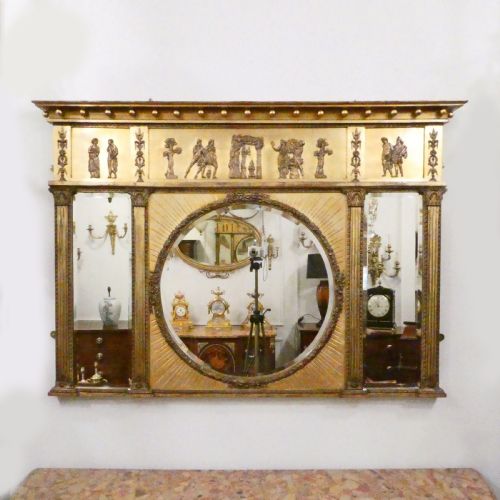
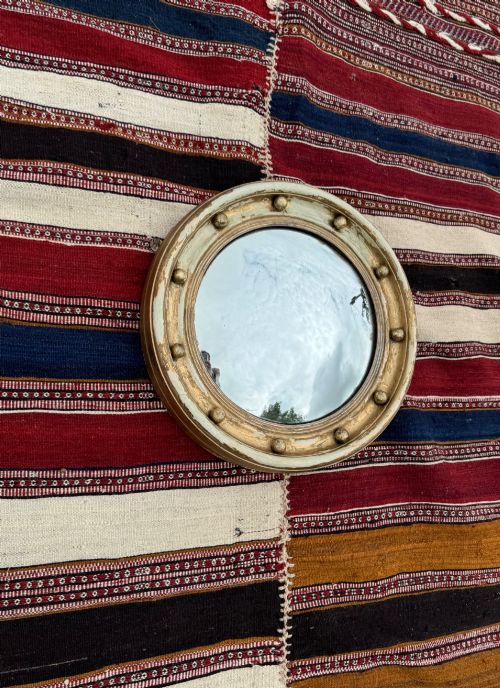
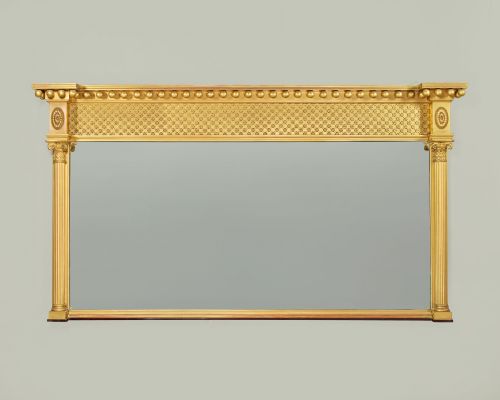
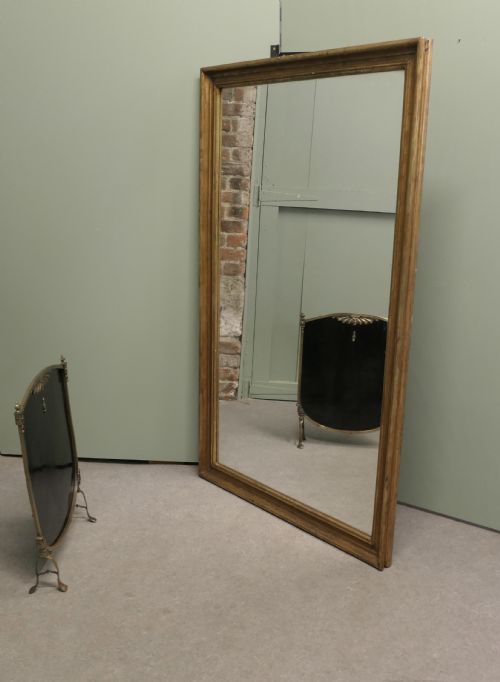
The selections span grand overmantels, convex circular glasses with eagle mounts, and tall rectangular frames suited for hallways or principal rooms.
Origin points range from English workshops to French Louis Philippe designs, with nineteenth-century examples forming the core of what is available.
Materials and construction
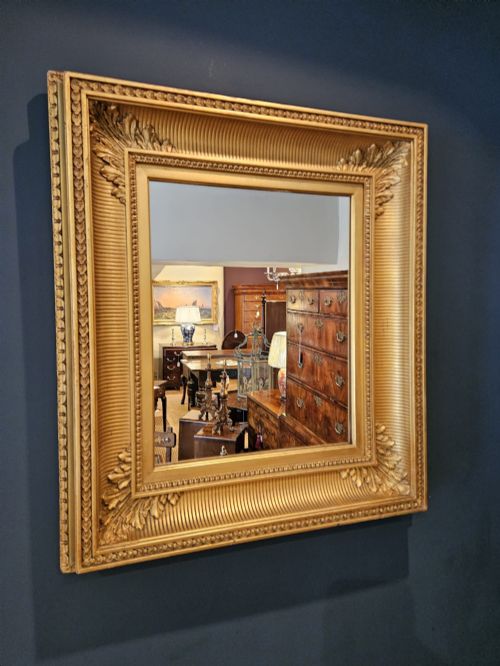
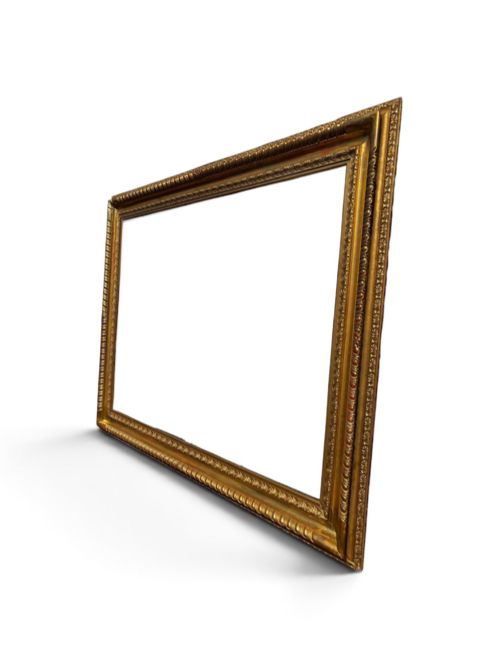
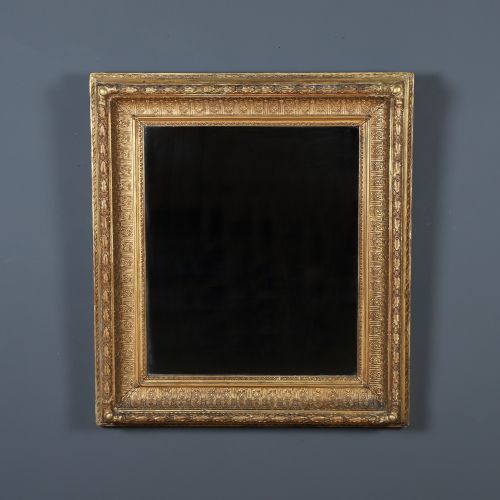
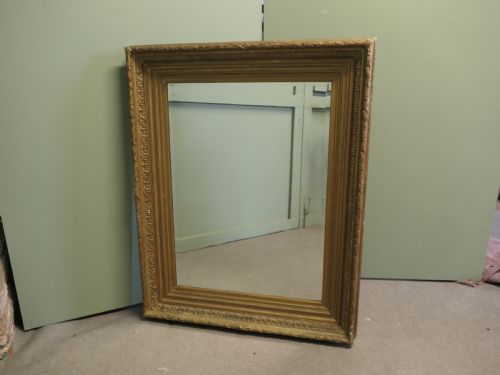
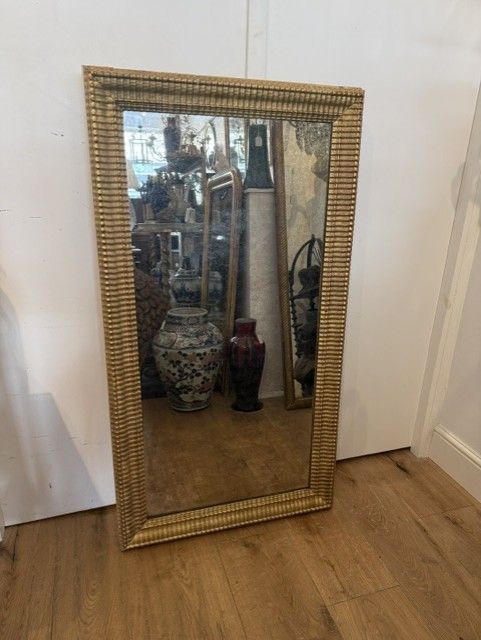
Carved wood and moulded gesso provide the foundation for many frames, allowing intricate floral, acanthus leaf, or ripple patterns to take shape.
Gold leaf and gilt finishes impart the characteristic metallic radiance, sometimes applied over preparatory layers on timber or plaster substrates.
Mirror glass panels, occasionally featuring bevelled edges or aged patination, sit within these sturdy wooden structures to complete the piece.
Several convex mirrors feature watchful birds perched on top, ready to oversee the entire drawing room.
Quality factors in framing and glass
Depth of carving and sharpness in gesso mouldings separate standard production from superior craftsmanship, particularly in complex decorations like spread eagles or scrolling foliage.
The integrity of the original gilding and the clarity or character of the mirror glass dictate the overall standard of preservation and visual impact.
The Gilt Moulding Wall Mirror Glossary
- Gesso
- A plaster-like mixture applied to wood frames as a base for gilding, allowing fine detail work. Artisans carve and mould this material before applying gold leaf.
- Giltwood
- Timber that has been coated with gold leaf or a gold-coloured finish. This material defines the bright, reflective appearance of traditional frames.
- Convex mirror
- A circular looking glass with a curved surface that provides a wide-angle reflection of the interior. These pieces frequently feature decorative eagle mounts.
- Overmantel mirror
- A large horizontal looking glass designed specifically to hang above a fireplace mantel. They often incorporate arched tops or classical architectural framing.
- Verre eglomise
- A cold decoration technique where design elements are applied to the reverse of glass using gold or silver leaf and pigment. It appears on select Regency period frames.
Gilt Moulding Wall Mirror: Frequently Asked Questions
Where should I hang an overmantel mirror?
These large horizontal frames traditionally sit directly above a fireplace mantelpiece to reflect light and anchor the room's proportions.
Ensure secure wall fixings support the considerable weight of timber, gesso, and glass.
How do I identify a Regency convex mirror?
Look for a circular timber frame featuring a rounded, bulging glass plate that offers a panoramic view of the interior.
Many examples include ebonised reeded inner rings and carved crests such as spread eagles.
What is a French Louis Philippe mirror?
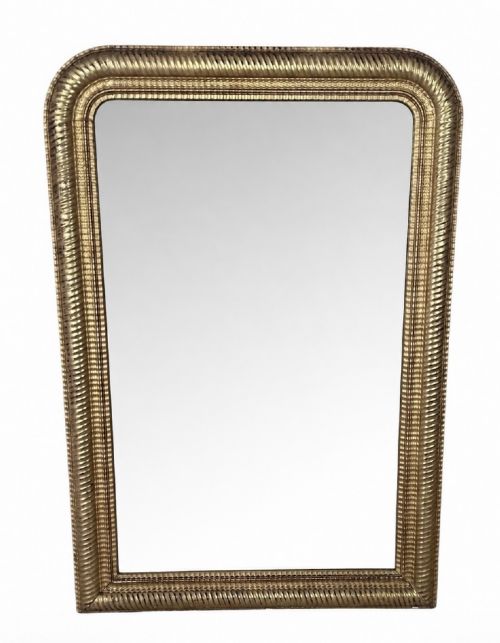
This style typically presents a tall rectangular format with characteristic rounded upper corners and subtle decorative moulding.
French pieces from this tradition often display understated elegance compared to heavily ornamented Victorian alternatives.
How do I care for antique gilt frames?
Dust gently with a soft, dry brush and avoid liquid cleaners or harsh chemicals that can strip delicate gold leaf.
Keep the mirrors away from direct moisture and strong sunlight to preserve the historic finish.