

Gilt Metal Table
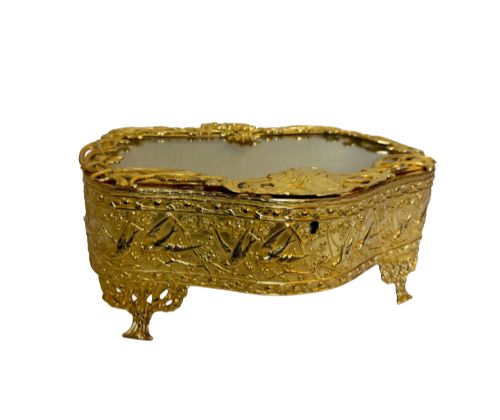
A gilt metal table brings a reflective metallic surface and ornamental presence to an interior space.
Gilt Metal Table
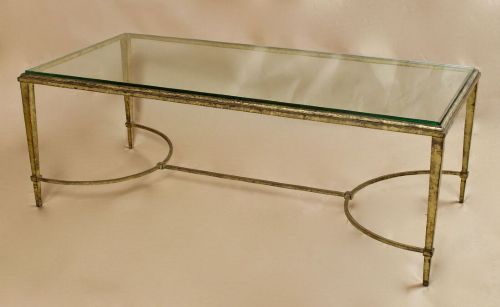
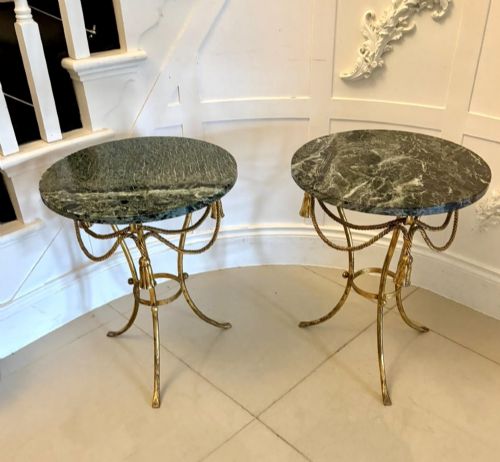
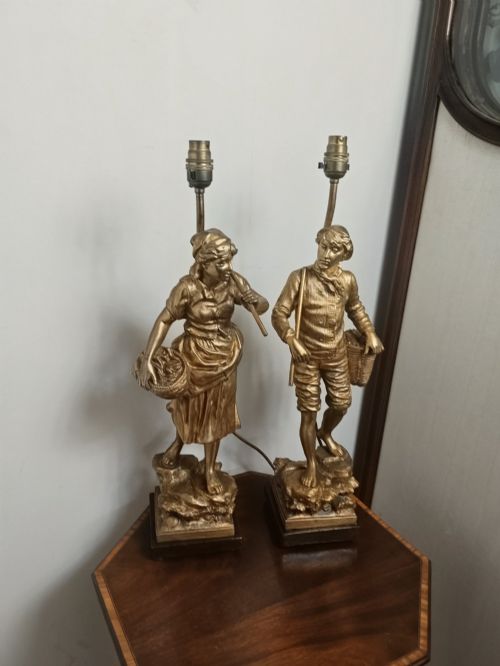
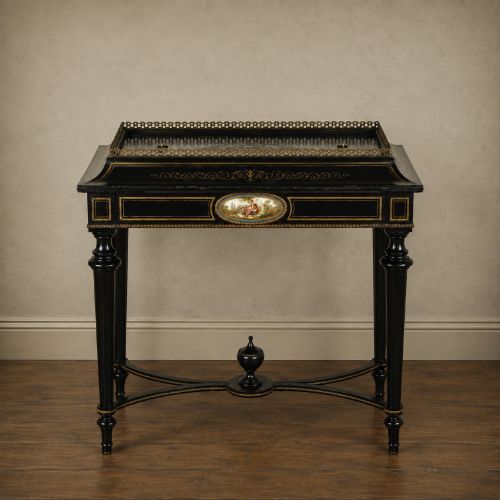
A gilt metal table serves practical placement beside seating or beds while providing decorative display surfaces. The selection encompasses occasional tables, side tables, coffee tables, and jardiniere stands.
Pieces emerge from periods including the Victorian era, the nineteenth century, and early decades of the twentieth century. French Rococo Revival, French Empire, Regency, and Art Nouveau styles dominate the forms.
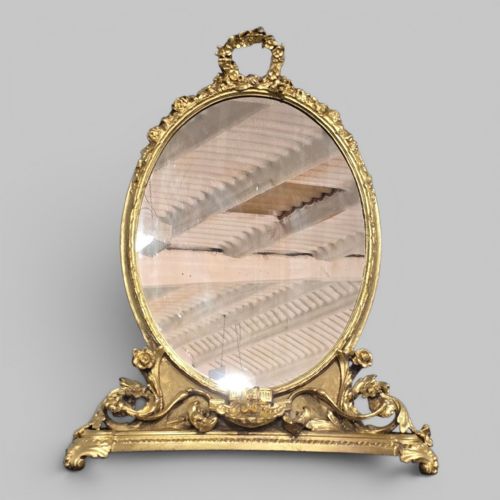
Makers and designers incorporate gilt bronze, brass, ormolu, and gilt metal frames alongside glass, marble, and wood. Smaller supporting items such as lamp tables and plant stands appear alongside larger coffee tables.
How they were made
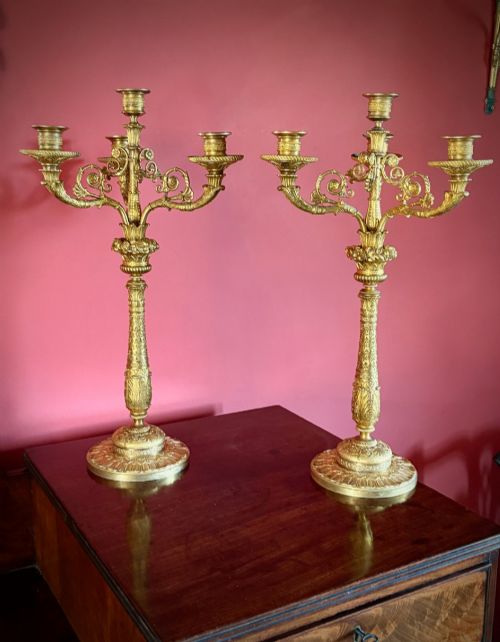
Metal components undergo casting, forging, or mounting in brass, bronze, and gilt metal. Ormolu applications and gilt finishes provide the characteristic metallic sheen across frames and supports.
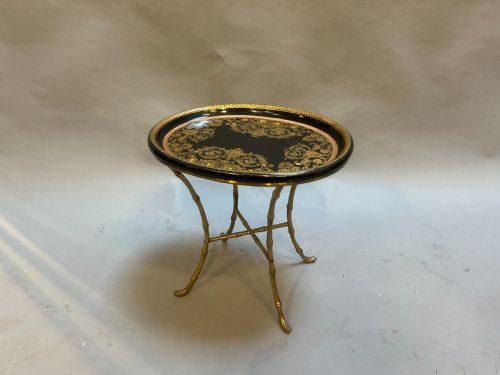
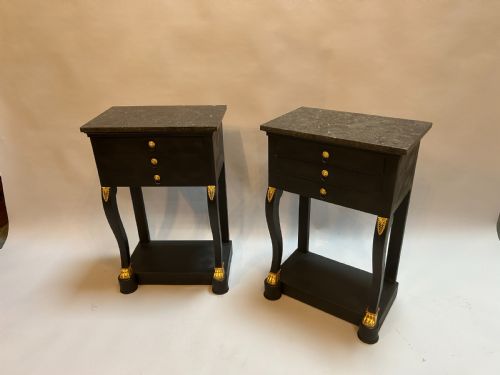
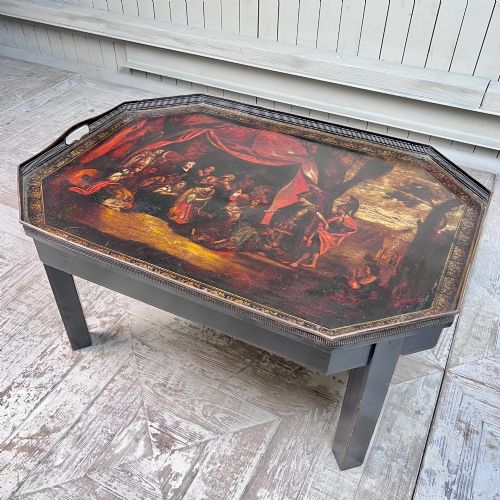
Surfaces combine metal structures with inset materials such as marble, glass, toleware, and wood like mahogany and walnut. Artisans integrate porcelain plaques, champleve enamel, and cloisonne detailing into the structural designs.
Tables share space with unexpected companions like silver plated spoon warmers and elephant-shaped porcelain candelabras.
What varies in quality
Detailing in the metal casting and chasing dictates the visual sharpness of mounts, foliage, and figural elements. Heavier bronze foundations and crisp hand-chased ornamentation separate finer items from simpler production pieces.
The integrity of the gilding and the quality of inset materials such as specimen marble or bevelled glass define the standard of execution. Well-preserved original surfaces and solid structural joinery mark the upper tier.
Maison Ramsay·Mappin and Webb·E Rousseau·Japy Freres
The Gilt Metal Table Glossary
- Ormolu
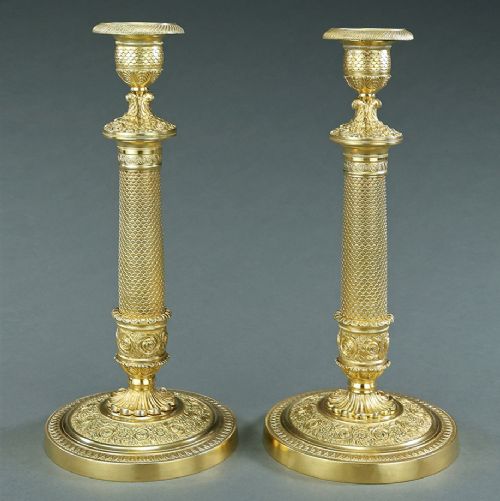
- Gilt bronze produced by applying a finely ground mercury and gold amalgam to a bronze object before heating. This technique creates a durable golden finish seen on nineteenth-century mounts and decorative hardware.
- Champleve
- An enamelling technique where troughs or cells are hollowed out of a metal surface and filled with vitreous enamel powder before firing. The resulting coloured designs sit flush with the surrounding metal borders.
- Toleware
- Enamelled or japanned metalware painted with decorative motifs. The technique appears on trays and decorative table surfaces from the Victorian period.
- Bijouterie
- A glass-topped display cabinet or table designed for small valuables and curiosities. These pieces utilise mahogany, gilt metal mounts, and glazed panels to showcase collections.
- Jardiniere
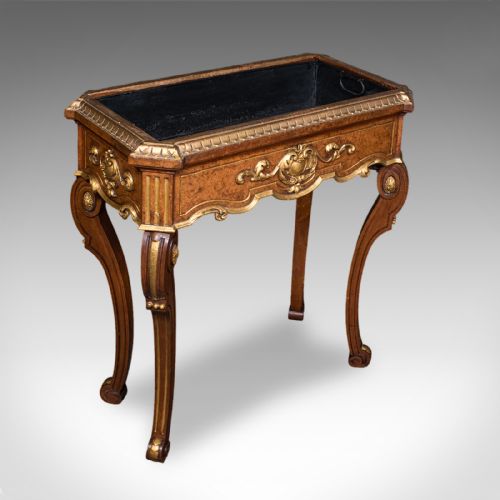
- A decorative stand or container intended for holding plants or floral arrangements. Examples incorporate walnut, ormolu mounts, and porcelain plaques.
Gilt Metal Table: Frequently Asked Questions
How do I style a gilt metal table?
Pair the metallic finish with neutral upholstery, timber furniture, or natural stone to let the reflective surface stand out. Keep tabletop arrangements minimal to showcase the decorative framing and inset materials.
Position side and coffee variants where they catch natural light from windows or lamps. This highlights the chasing and gilding on the metal components without crowding the room.
What periods do these tables represent?
The selection spans the nineteenth century, the Victorian era, and early twentieth-century production up to the nineteen-forties. Styles draw heavily on earlier French design movements such as Rococo Revival, Empire, and Louis XV.
Earlier nineteenth-century examples often feature heavy gilt bronze and detailed ormolu mounts. Later pieces from the twentieth century lean towards simplified brass and wrought iron structures.
How should I clean gilt metal surfaces?
Dust the metal elements gently with a soft, dry microfibre cloth to prevent the accumulation of particles. Avoid harsh chemical cleaners, abrasive polishes, or commercial metal dips that can strip away the historic gilding.
For glass or marble inserts, use a damp cloth with mild soap followed by immediate drying. Take care not to let moisture pool around the joints where the metal meets the stone or glass.
Are these tables suitable for everyday use?
Occasional and side tables function well for holding books, lamps, and drinks during normal daily activities. Coffee tables provide stable surfaces in living spaces while accommodating everyday items.
Consider the top material when planning usage, as marble and glass require different handling than wood or metal surfaces. Using coasters and protective pads helps preserve the finish against wear over time.