






Gilt Metal Statue
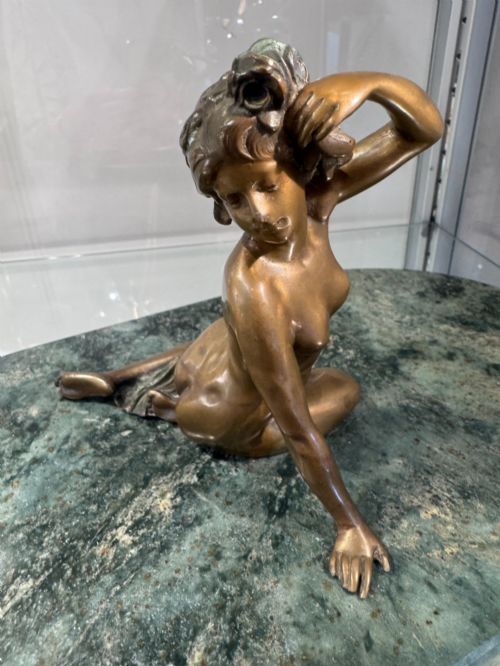
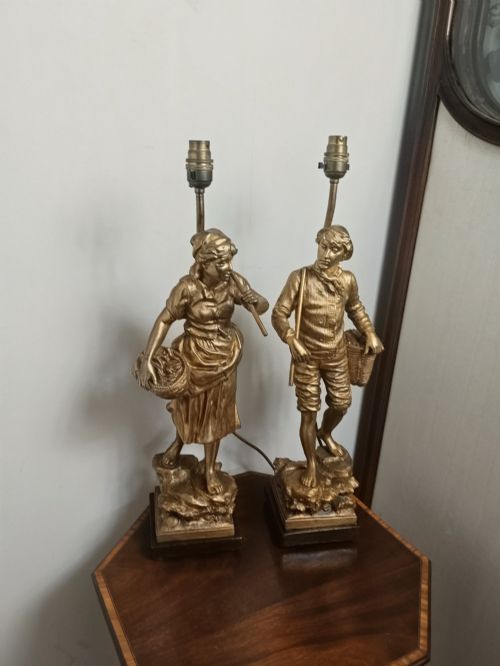
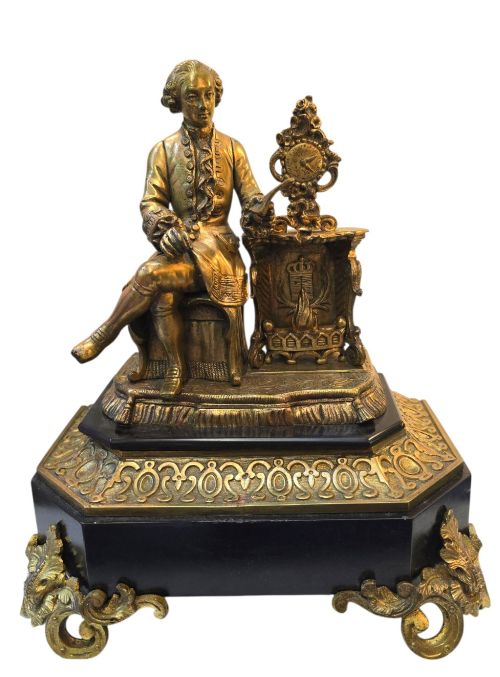
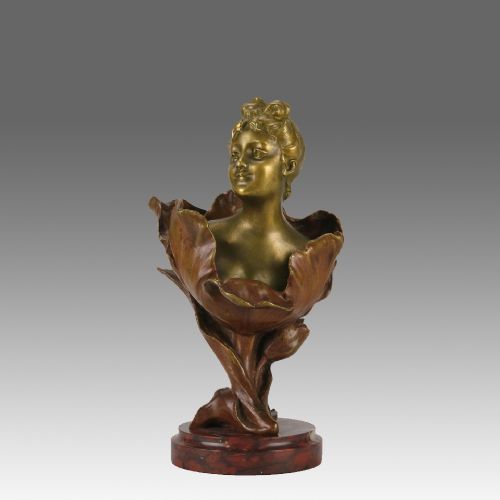
These gilt metal statue pieces bring sculptural presence and golden lustre to a room, ranging from classical figures to decorative table lamps.
Gilt Metal Statue
When you search for a gilt metal statue, you encounter sculptures, statuettes, and figures spanning from the sixteenth century to the twentieth century. The selection includes works in bronze, gilt bronze, gilt spelter, brass, and iron, often mounted on marble, wood, or malachite bases.
The versions most frequently met on this page are nineteenth-century French figures, Chinese and Sino-Tibetan deities, and Art Nouveau or Art Deco decorative pieces. Subjects range from classical Greek and Roman deities to animals, literary characters, and religious icons.
Makers and origins vary widely, encompassing European studios, Grand Tour souvenirs, and Asian artistic traditions such as the Ayutthaya period and Chinese Buddhist sculpture. These objects function as standalone sculptures, table lamps, car mascots, and architectural ornaments.
How they were made
The pieces are produced using casting techniques in bronze, brass, iron, or spelter, capturing intricate details in human figures, animals, and drapery. Metals are then finished with gilding, ormolu, cold painting, or turquoise inlays.
Bases are integrated using natural materials such as marble, olive wood, and malachite, providing stability and visual contrast to the metallic figures above.
Gilt Metal Statue Retail Price Guide 2026
Typical asking prices for gilt metal statue among the pieces listed under this phrase on Sellingantiques today, from the lower quarter to the upper quarter. They describe what is for sale here now, not the wider market.
Materials documented across the pieces include gilt bronze, bronze, brass, iron, gilt spelter, marble, wood, and malachite.
What varies in quality
The quality of the surface finish and the preservation of the original gilding or cold-painted pigments dictate the visual impact of the object. Weight, sturdy construction, and the choice of mounting materials like marble or malachite also influence the overall standing of a piece.
Pierre Augustin Caron de Beaumarchais·Henri Godet·Emile Coriolan Guillemin·Jennings Brothers·Jean Jacques Pradier·Charlotte Monginot·Jose Dunach
The Gilt Metal Statue Glossary
- Gilt Bronze
- Metal alloy coated with a thin layer of gold to produce a rich, durable golden finish. This material is widely used in European decorative sculpture and Asian religious figures.
- Ormolu
- Finely ground gold applied to a bronze base using a mercury amalgamation process. This technique yields a deep, warm lustre characteristic of French decorative arts.
- Spelter
- An alloy of zinc and other metals used as a cost-effective alternative to bronze. It accepts surface plating or paint to imitate heavier metals.
- Grand Tour
- Souvenirs collected by affluent travellers in Europe during the eighteenth and nineteenth centuries. These pieces typically replicate classical antiquities.
- Cold Painted
- Pigment applied to a metal surface without subsequent firing. This technique is frequently seen on twentieth-century animal and figure studies.
Gilt Metal Statue: Frequently Asked Questions
What periods do these pieces come from?
The selection spans multiple eras, beginning with sixteenth-century pieces and extending through the eighteenth, nineteenth, and early twentieth centuries. You will find items representing specific movements like Art Nouveau and Art Deco.
European foundry work sits alongside Asian Buddhist sculpture and classical Grand Tour souvenirs, offering a broad chronological spread.
How were these statues used originally?
Many served as interior ornaments, mantelpiece decorations, or scholarly desk accessories in period homes. Others functioned as religious icons in temples or as personal devotional objects.
Some pieces were adapted later into functional items such as table lamps or integrated into architectural settings.
How do I distinguish bronze from spelter?
Bronze carries a heavier weight, a cooler temperature to the touch, and a resonant sound when lightly tapped. Spelter feels lighter, softer, and often shows a greyish metal underneath worn surface finishes.
Examining the underside or areas of friction helps reveal the underlying material composition.
How should I care for gilt metal?
Dust the surface regularly with a soft, dry brush to prevent particle buildup. Avoid chemical cleaners, abrasive cloths, or excessive moisture, which can strip delicate gilding or cold-painted finishes.
Keep the pieces in stable indoor environments away from direct sunlight and high humidity.