




Gilt Metal Shelf Clock
A gilt metal shelf clock brings a bright, metallic focal point to a mantelpiece, combining decorative presence with reliable timekeeping.

Gilt Metal Shelf Clock
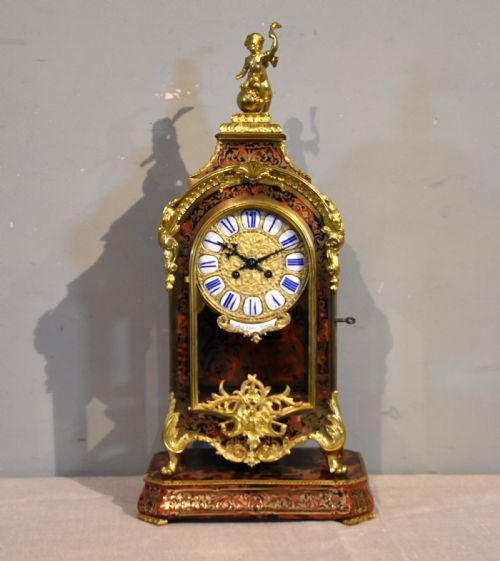
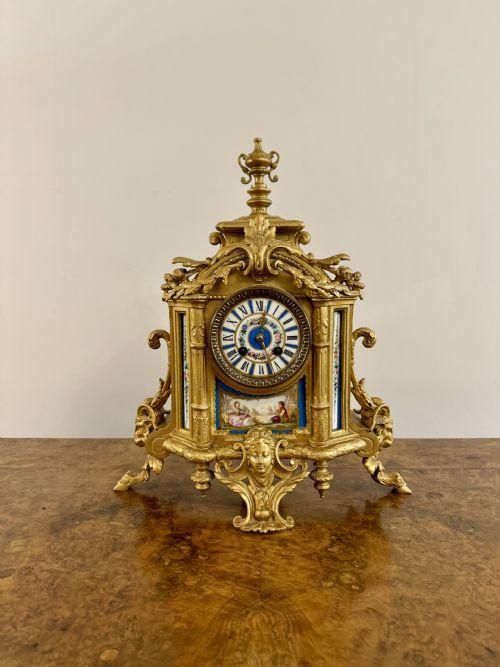
When you search for a gilt metal shelf clock, you encounter nineteenth-century timepieces designed to sit prominently on mantels and ledges. These objects range from English fusee clocks to elaborate continental pieces featuring figural decoration.
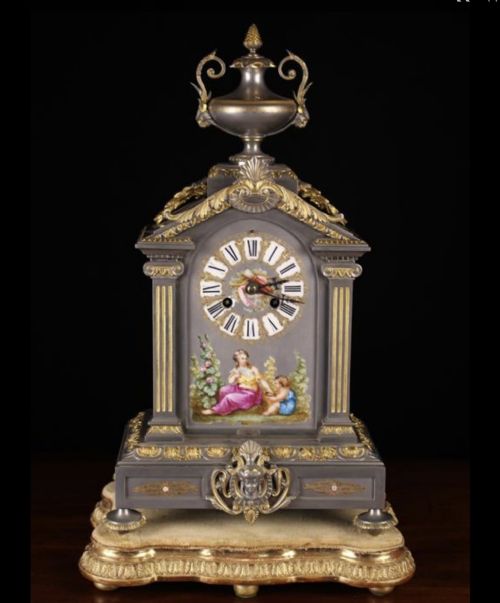
The most common examples on this page are French nineteenth-century clocks dating from the Victorian era and the 1860s. They frequently incorporate porcelain plaques, marble bases, and classical revival styling.
Makers and workshops from London and Paris produced these clocks in various revival styles, including Louis XVI and French Rococo. They serve both as functional timekeepers and as decorative sculptures for the interior.
How they were made
Makers utilised cast gilt metal, brass, and ormolu to form the decorative chassis and ornate mounts of these clocks. Ormolu involved applying finely ground high-carat gold to a bronze base through mercury amalgamation or electrogilding.
Enamel and porcelain components, sometimes painted with floral scenes or classical figures, formed the dials and decorative panels. Marble, onyx, and glass elements added weight, structure, and visual contrast to the metalwork.
Several clocks on this page keep watch over their owners in the company of William Shakespeare, cherubs, and putti.
What varies in quality
The refinement of the casting and chasing in the gilt bronze or ormolu separates standard production from superior work. Crisp detail in figural elements like putti or cherubs indicates careful hand-finishing by skilled artisans.
The quality of the movement inside, whether an eight-day striking mechanism or a chain fusee system by a known maker, dictates the horological standard. Integrated materials like hand-painted porcelain panels and heavy marble bases also elevate the piece.
Japy Fils·P.H Mourey·Bently and Beck·Wm Gilbert
The Gilt Metal Shelf Clock Glossary
- Ormolu
- Gilt bronze produced by applying a gold amalgam to a bronze object and heating it to drive off the mercury. This technique creates a rich, durable golden surface.
- Fusee
- A conical pulley used in spring-driven clocks to equalize the diminishing power of the mainspring as it unwinds. It ensures more consistent timekeeping.
- Putti
- Representations of small winged infants or cherubs frequently used as decorative figures in French and Victorian clock cases. They appear cast in gilt metal or bronze.
- Enamel
- A glassy substance fused to metal dials at high temperatures to provide a smooth, white background for painted numerals. It creates a durable and legible face.
- Boulle
- A form of marquetry using brass and tortoiseshell inlaid in intricate patterns, sometimes found on the wooden components of nineteenth-century clock cases.
Gilt Metal Shelf Clock: Frequently Asked Questions
How do I wind a shelf clock?
Most nineteenth-century shelf clocks use an eight-day movement requiring a key to wind both the time and strike trains. Insert the key into the winding holes on the dial and turn gently until you feel resistance.
Avoid overwinding the mainsprings, as this can damage the internal mechanism. Consult the specific movement type to ensure proper care and tension management.
Are these clocks suitable for daily use?
Many antique shelf clocks remain fully operational and can keep reliable time with regular professional servicing. Mechanical movements from the Victorian period require periodic cleaning and oiling to function correctly.
Place the clock on a stable, level surface to ensure the pendulum swings evenly. Irregular surfaces can cause the clock to gain, lose, or stop keeping time altogether.
How do I identify French and English styles?
French mantel clocks from the nineteenth century frequently employ gilt metal, ormolu, and painted porcelain with Rococo or Louis XVI revival motifs. They often feature cast figural groups and decorative marble or onyx bases.
English examples tend to use more restrained architectural cases in wood, ebonised finishes, or brass. Movements and dial signatures often point directly to London workshops and makers.
What maintenance do gilt metal cases need?
Gilt metal and ormolu surfaces require very little intervention beyond gentle dusting with a soft, dry cloth. Avoid using commercial metal polishes, abrasive cloths, or liquid cleaners, which can strip the thin gold layer from the bronze or brass beneath.
Keeping the clock away from direct sunlight and excessive humidity protects both the metal gilding and the enamel dial. Proper environmental control preserves the original finish for future generations.