
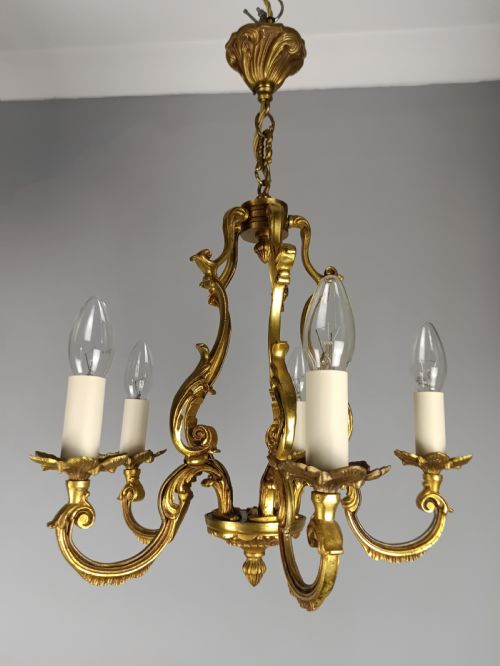
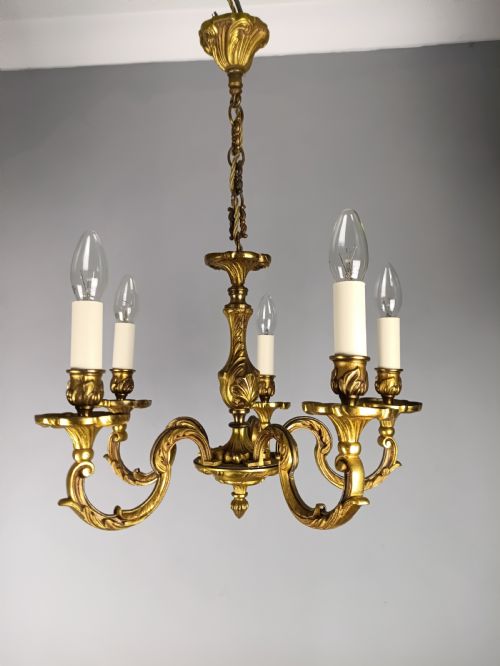
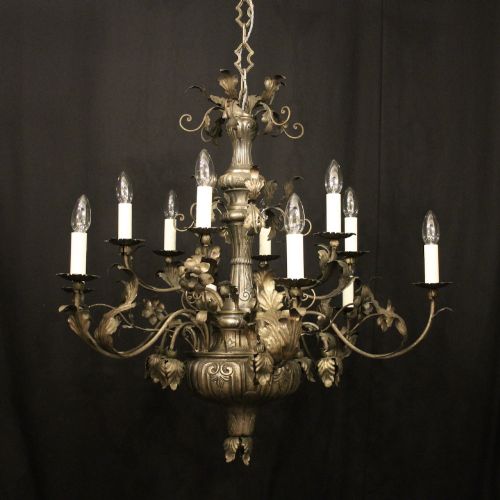
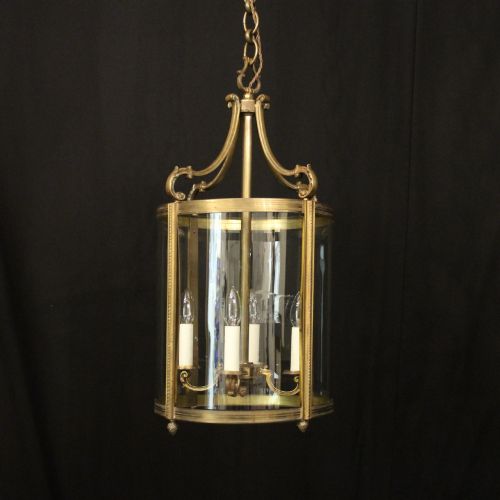
Gilt Metal Pendant Light
These gilt metal pendant light fixtures bring antique elegance to any room through period brass and gilded bronze forms.
What They Are
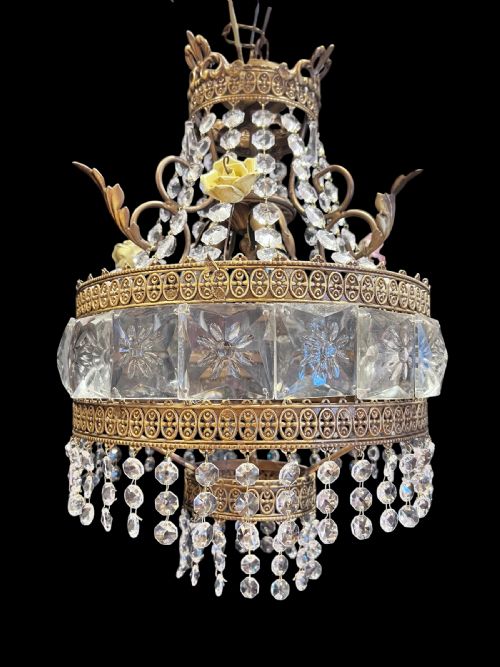
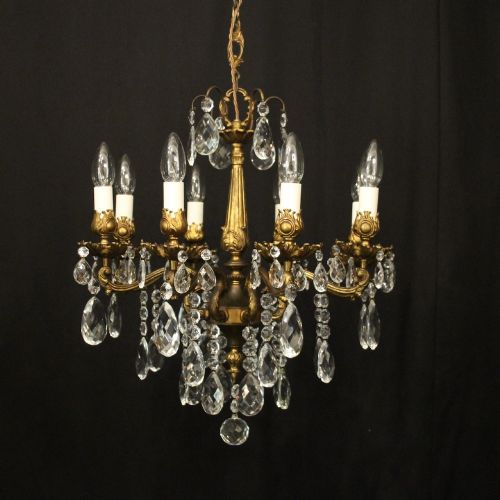
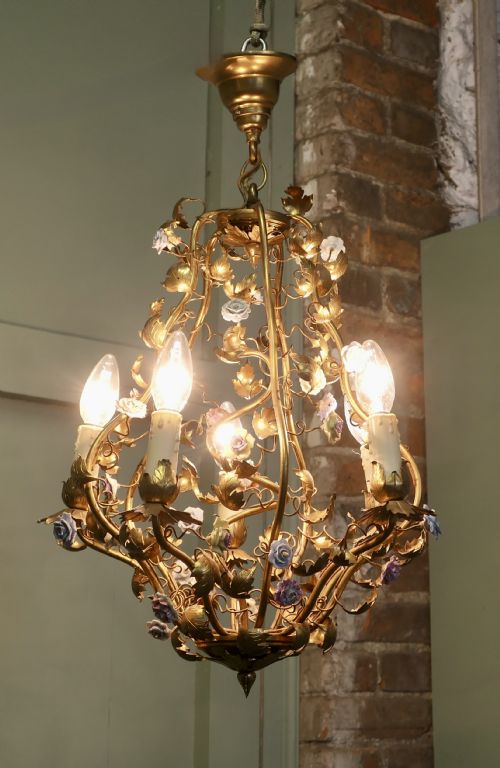
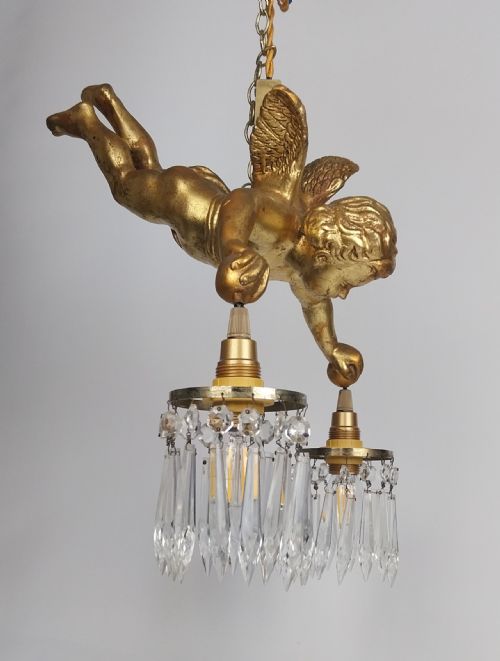
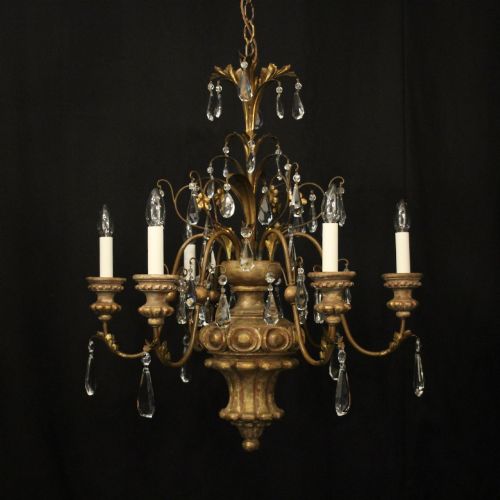
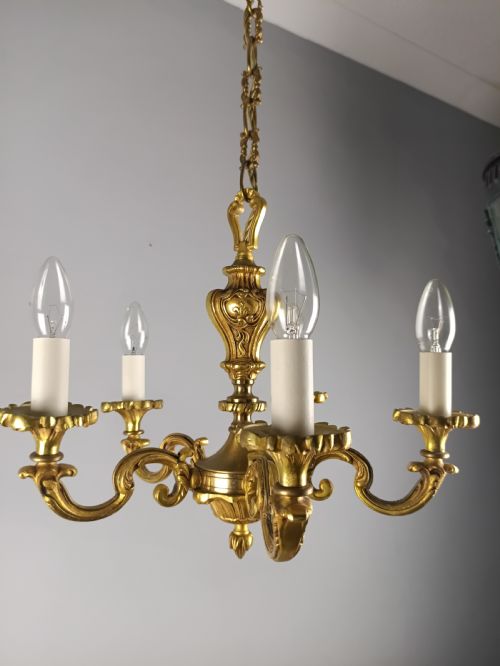
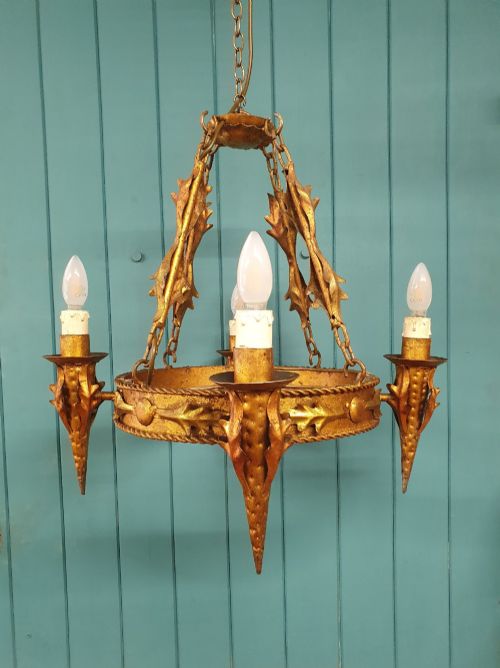
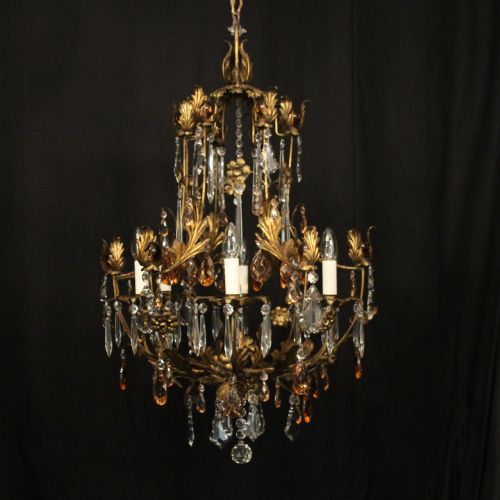
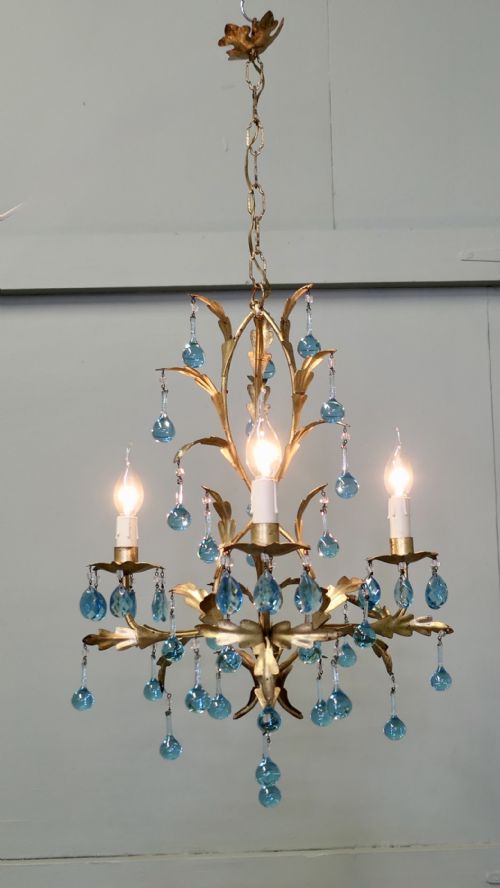
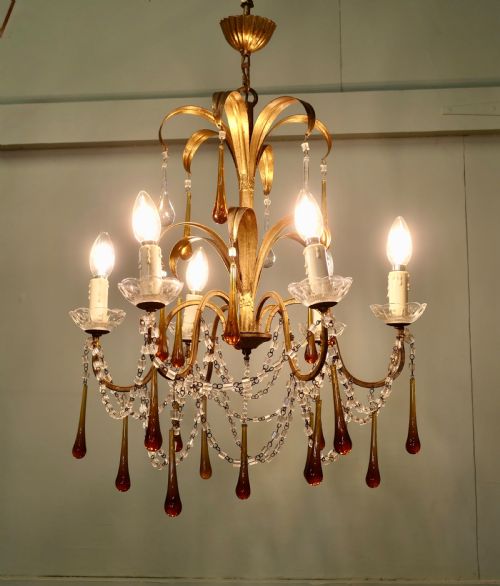
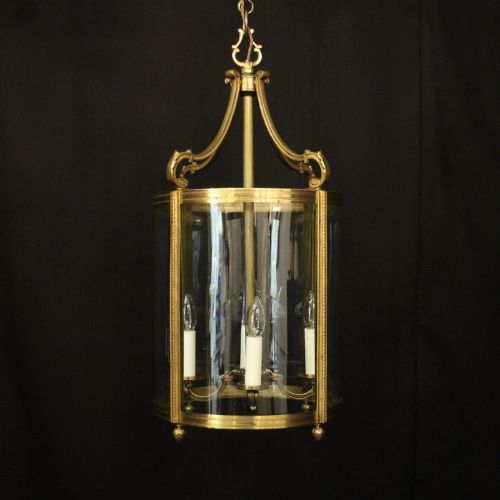
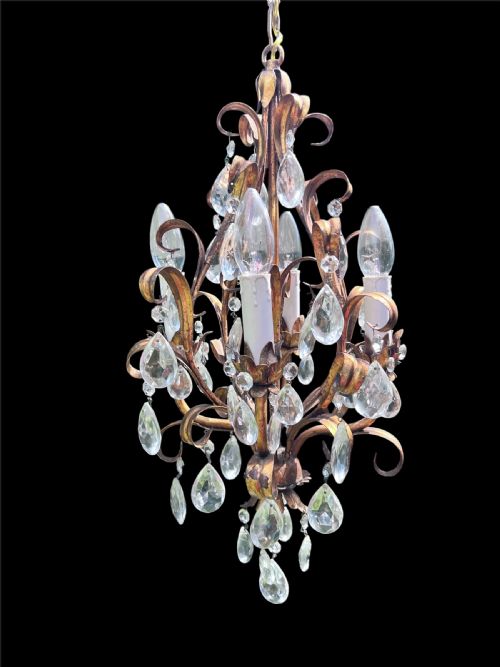
A gilt metal pendant light brings period illumination to a space, taking the form of hall lanterns and chandeliers sourced from the early twentieth century. Buyers searching for a gilt metal pendant light encounter pieces reflecting French Chateau, French Neoclassical, Art Deco, and Italian Florentine styles.
How They Were Made
Craftsmen built these fixtures using gilded bronze, brass, and general gilt metal as the primary structural chassis. These metallic foundations were shaped to hold glass components securely within the overall design.
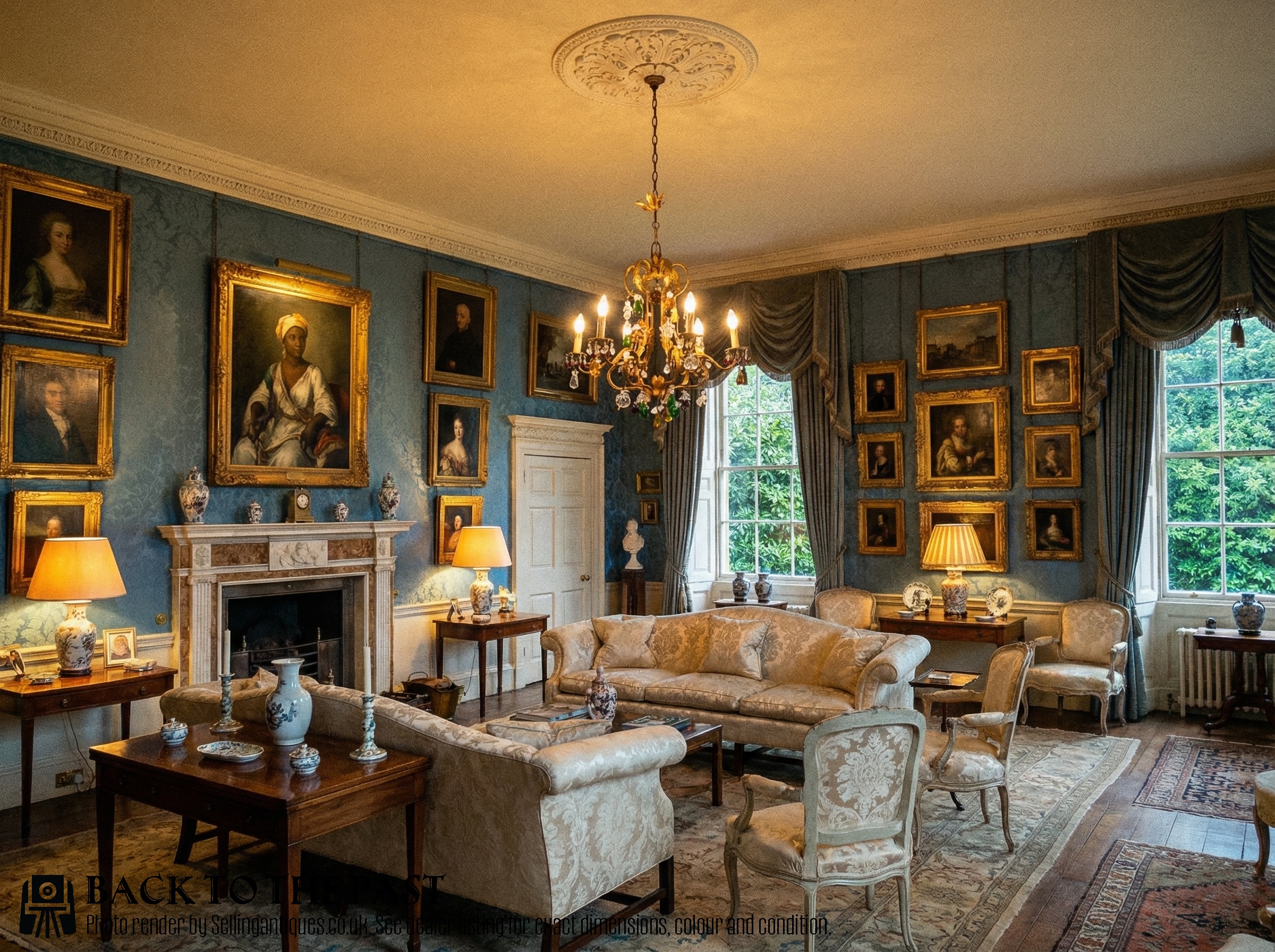
Artisans integrated transparent elements such as bevelled glass panels, standard glass, and crystal drops. Certain designs incorporate coloured fruits as decorative hanging ornaments alongside standard multi-arm arrangements.
Retail Price Guide 2026
Typical UK retail prices for gilt metal pendant light, calculated from the Sellingantiques database of over a million retail prices indexed since 2003. This retail price guide relies exclusively on Sellingantiques data; no external sources or auction records are used, so the figures do not describe the wider market.
Materials utilised across the current selection include gilded bronze, brass, gilt metal, bevelled glass, glass, and crystal.
What Varies in Quality
The distinction between standard and superior pieces rests on the complexity of the metalwork and the integration of glass elements. Elaborate fixtures feature finely chased gilded bronze and precise bevelled glass panels rather than simpler brass frames.
Ornamental additions such as crystal drops and coloured fruits elevate the visual richness of a piece. The proportion of the arms and the clarity of the glass determine the overall decorative presence of each light.
The Gilt Metal Pendant Light Glossary
- Gilded Bronze
- Bronze that has been coated with a thin layer of gold or gold-coloured material to give a rich metallic finish. This technique provides durability while maintaining a bright decorative surface.
- Bevelled Glass
- Glass panes featuring an angled edge ground around the perimeter. This treatment refracts light and adds depth to hall lantern panels.
- Hall Lantern
- An enclosed hanging light fixture traditionally placed in entranceways or corridors. These pieces protect the light source behind glass panels within a metal frame.
- Crystal
- High-clarity glass used to create light-reflecting pendants and decorative drops. It disperses illumination across a room through cut facets.
Frequently Asked Questions
What rooms suit a hall lantern?
Hall lanterns work well in entranceways, corridors, and high-ceilinged landings where vertical space allows the fixture to hang freely.
Their enclosed glass panels protect the interior while directing illumination downward and outward into the surrounding area.
How do art deco chandeliers differ from neoclassical ones?
Art deco chandeliers from the nineteen-thirties feature streamlined geometric lines and simplified three-arm structures.
In contrast, neoclassical pieces draw on historical motifs with ornate gilded bronze frames and classical proportions.
What materials make up these lights?
These fixtures incorporate gilded bronze, brass, and gilt metal for the main structural frames and arms.
Glass elements include bevelled panes, standard glass, crystal drops, and coloured fruit ornaments.
How do you date an antique chandelier?
Dating relies on stylistic markers, such as the geometric lines of the nineteen-thirties versus the classical ornamentation of nineteen-hundred pieces.
Materials and manufacturing techniques observed across the frame also indicate the specific period of origin.