



Gilt Metal Cabinets
Gilt metal cabinets bring together rich timbers and gleaming mounts to anchor a room with undeniable presence.
Gilt Metal Cabinets
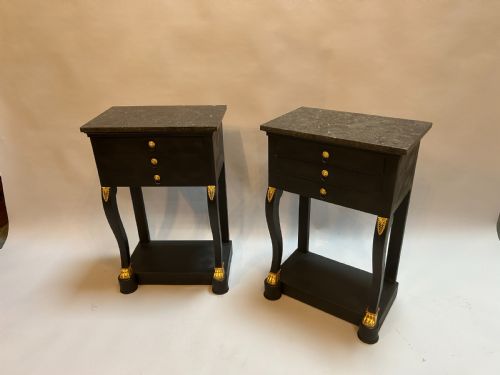
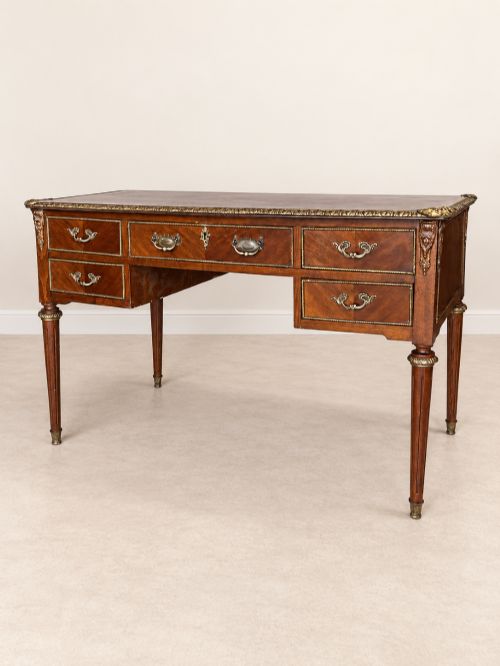
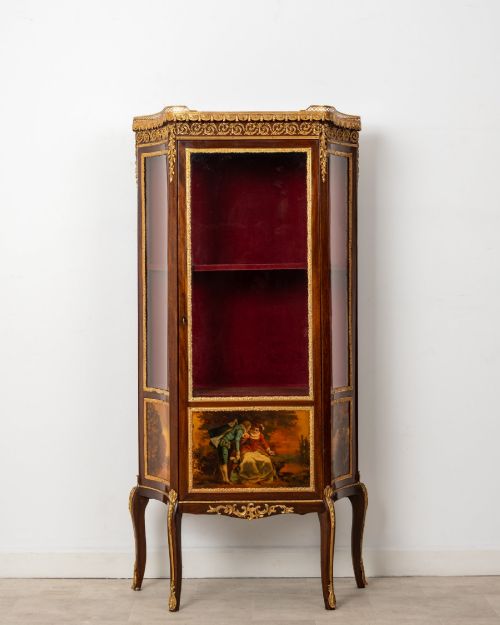
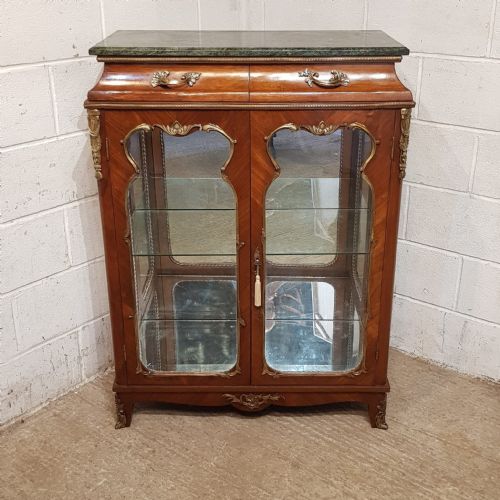
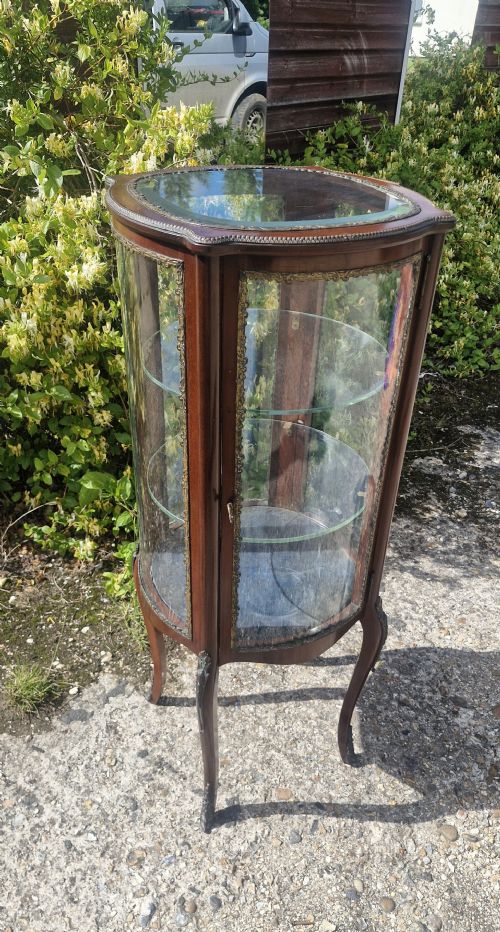
Gilt metal cabinets encompass a variety of statement furniture pieces, most frequently appearing as display cabinets, vitrines, and bedside cabinets ornamented with metallic mounts. These items draw heavily on nineteenth-century French design traditions, including Louis XVI and Empire styles, alongside Victorian English production.
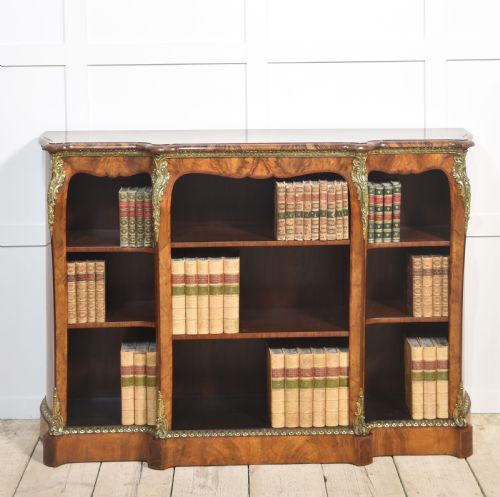
Buyers encounter forms ranging from large breakfront bookcases and credenzas down to compact bedside chests and pier cabinets. The timber body generally serves as a dark or polished foil to the metallic enrichment, creating a distinct visual contrast.
How they were made
Construction relies on a foundation of quality hardwoods such as mahogany, walnut, kingwood, or ebonised wood, frequently finished with fine veneers or marquetry inlay. Selected pieces incorporate glass panels, marble tops, and porcelain plaques alongside the timber structure.
The metallic decoration takes the form of gilt metal, ormolu, or gilt bronze mounts, which are secured to the exterior surfaces. These mounts highlight the architectural lines and corners of the furniture.
Some bedside chests hide their gilt mounts behind small doors, as if the maker wanted to keep the gold a secret.
What varies in quality
Quality rests in the crispness of the cast metal mounts and how cleanly they integrate with the timber carcase. Finer pieces demonstrate precision in the joinery, timber selection, and the preservation of the original surface finish.
The sophistication of secondary materials, such as amboyna, Vernis Martin panels, or pietra dura inlay, elevates the standing of an individual piece.
The Gilt Metal Cabinets Glossary
- Ormolu
- Gilded bronze used for decorative furniture mounts and ornaments. This technique involves applying a finely ground gold-mercury amalgam to a bronze base before heating.
- Credenza
- A low cabinet originating in Italy, often fitted with doors and used for storage or display. Victorian and later examples frequently feature extensive marquetry and gilt metal mounts.
- Vernis Martin
- A simulated Japanese lacquer technique developed in eighteenth-century France. The finish involves multiple layers of resin and varnish, often painted with scenic designs.
- Pietra dura
- An inlay technique using cut and fitted polished coloured stones to create pictorial designs. Artisans embed these stone mosaics directly into marble or wood tabletops and cabinet doors.
Gilt Metal Cabinets: Frequently Asked Questions
Where should I place a gilt metal cabinet?
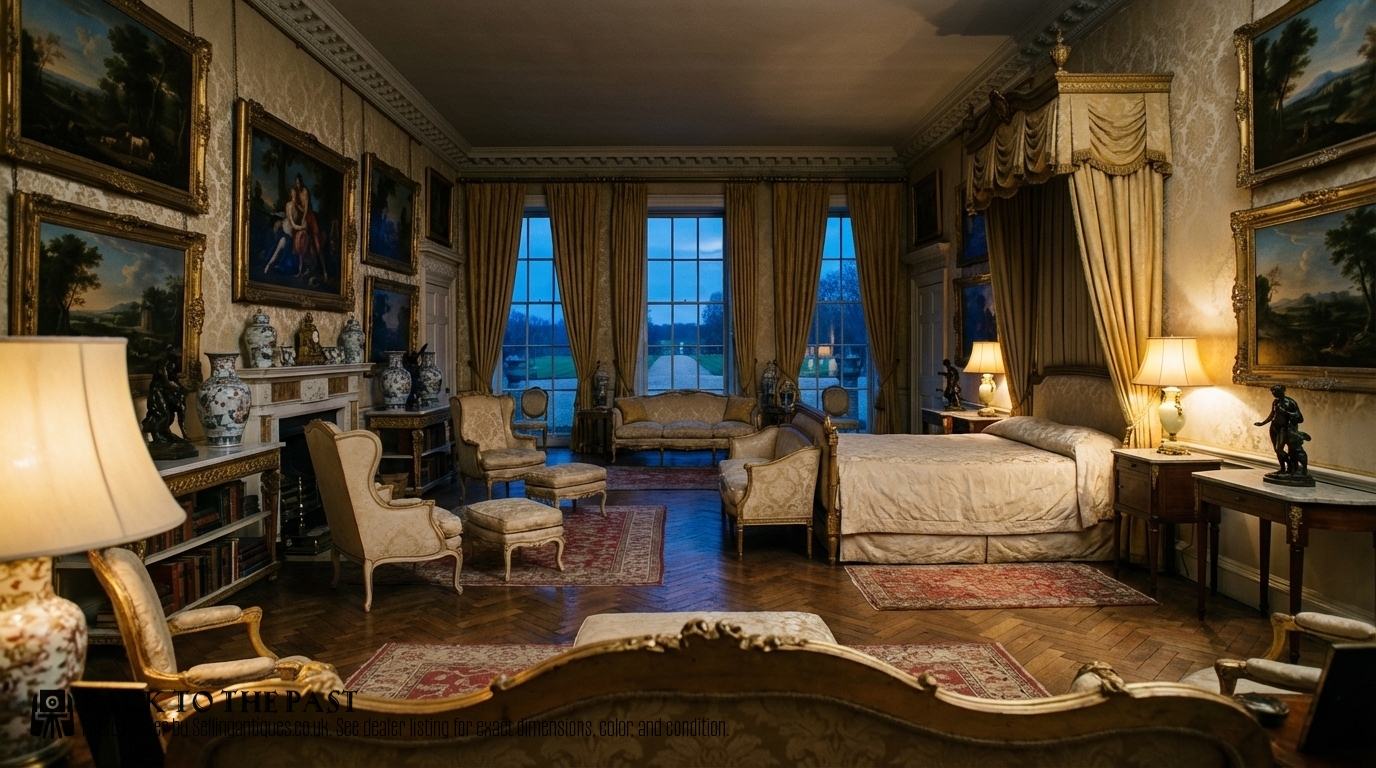
These cabinets suit drawing rooms, formal dining spaces, or hallways where their reflective mounts catch the light. They function well against neutral walls that allow the timber and metal details to stand out.
Keep them away from direct sunlight and strong heat sources to protect the polished wood surfaces and delicate veneers over time.
How do I clean the gilt mounts?
Dust the mounts gently with a dry, soft cloth to prevent particle buildup. Avoid using metal polishes or abrasive cleaners, which can strip away the original gilding.
Professional conservation advice is recommended if deeper cleaning becomes necessary to preserve the metallic finish.
What is the difference between ormolu and gilt metal?
Ormolu specifically denotes gilded bronze created through a traditional mercury amalgamation process, yielding a deep and durable lustre. Gilt metal covers a broader category of base metals treated with a gold finish.
Both materials serve a similar decorative purpose on nineteenth-century furniture, though ormolu generally appears on higher-end pieces.
Are these cabinets suitable for everyday use?
Many forms, such as bedside cabinets and small chests, offer practical storage alongside their decorative appeal. Display cabinets and vitrines require careful handling due to their glass panels and delicate internal shelves.
Placing items inside them should be done with attention to weight limits on antique timber shelves.