
Gilt Mantle Glass
When you search for a gilt mantle glass, you are seeking a substantial mirror designed to sit above a fireplace, bringing reflected light and gilded presence to a room.
Gilt Mantle Glass
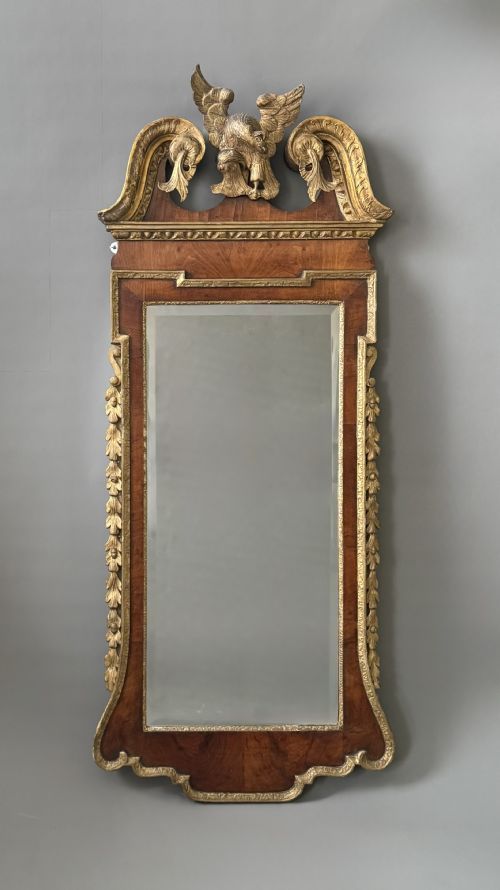
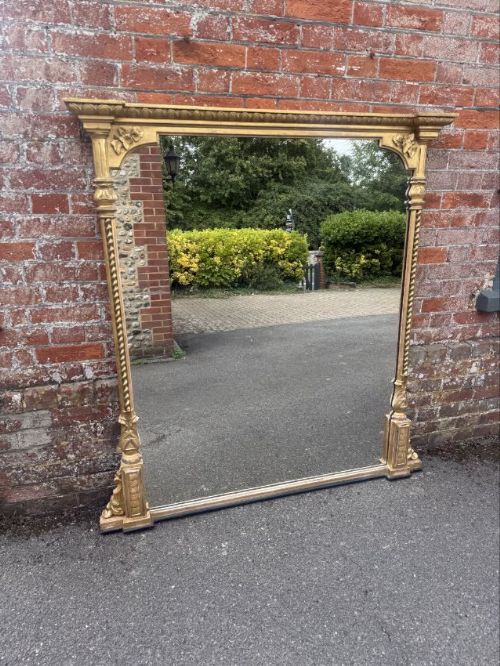
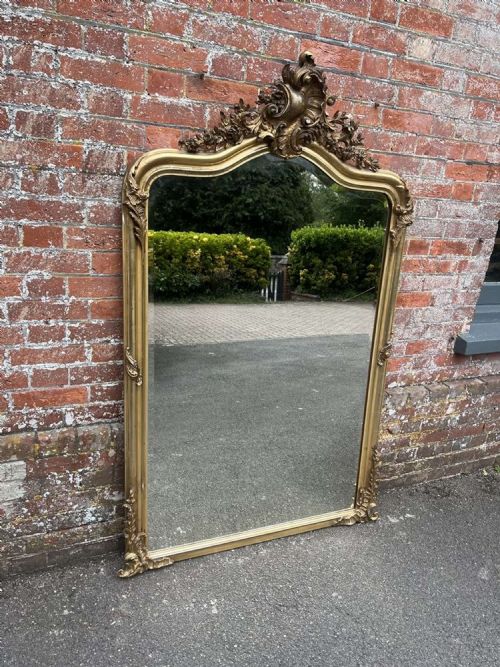
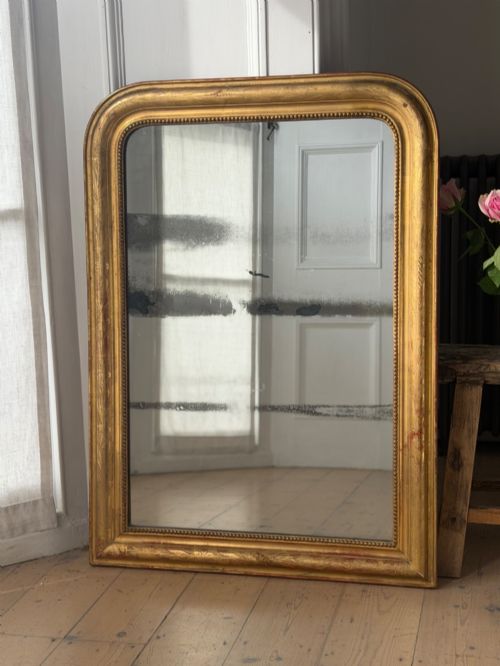
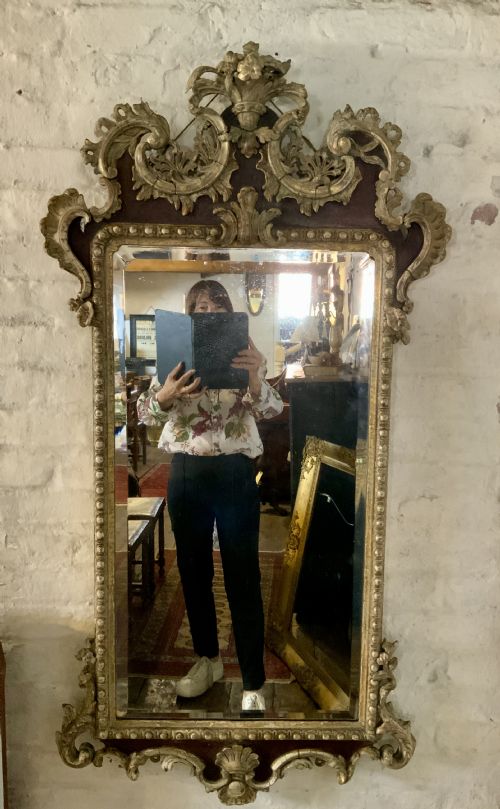
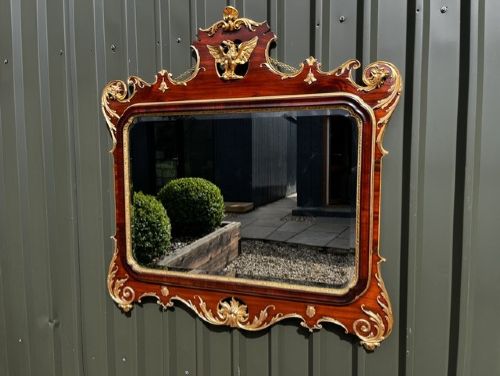
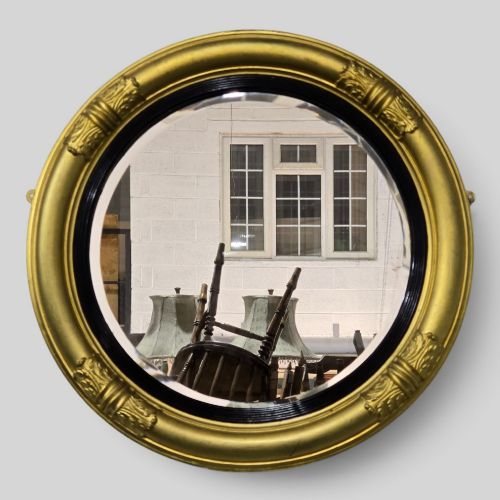
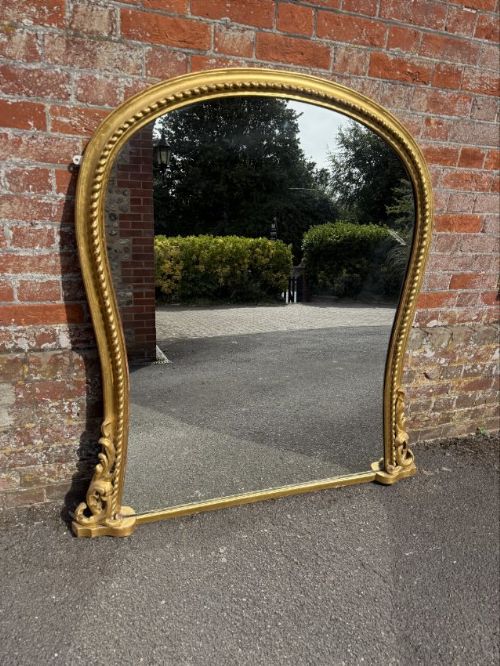
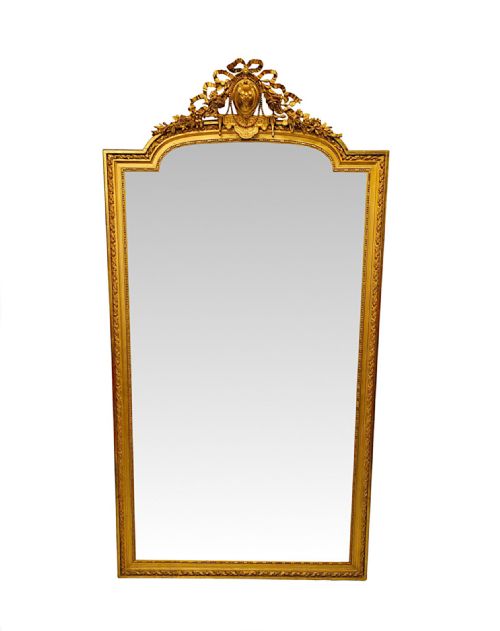
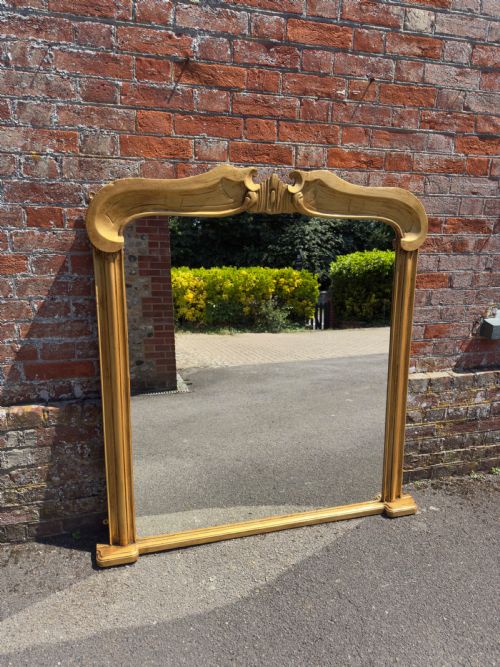
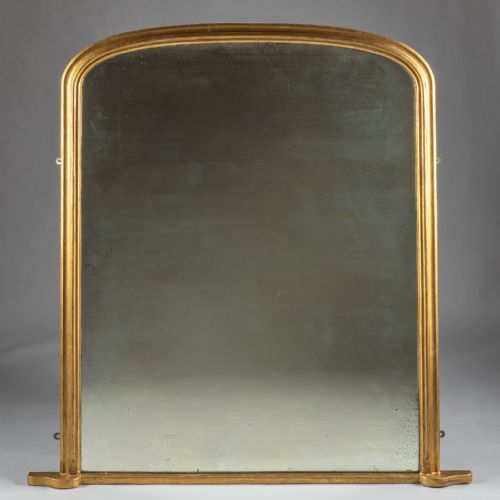
A gilt mantle glass most frequently appears on this page as a large nineteenth-century overmantel mirror framed in carved wood and gesso, spanning English and French aesthetic traditions.
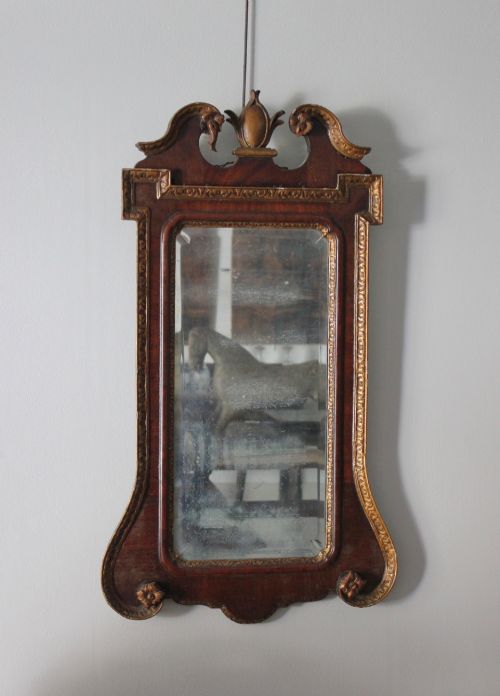
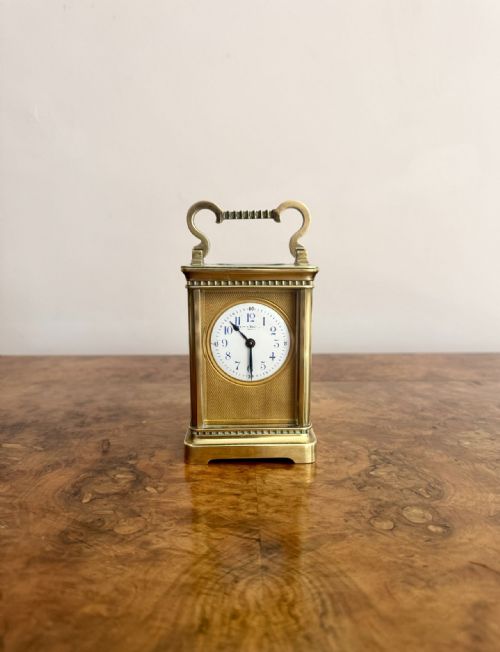
The selection also encompasses Georgian and Regency examples, alongside tall pier glasses, trumeau mirrors, and occasional mantel clocks housed in brass or ormolu.
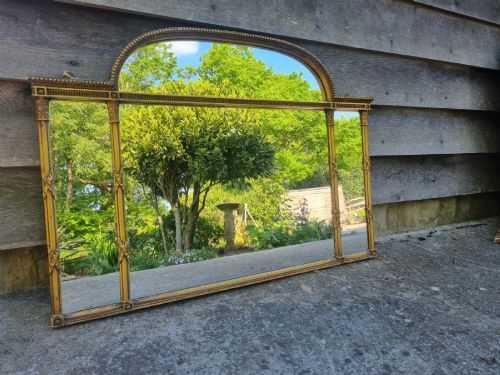
Victorian and Edwardian interpretations dominate the available forms, often featuring arched tops, rope twist or hour glass frames, and original bevelled glass plates.
How They Were Made
Craftsmen built the underlying structure using carved wood, frequently applying a layer of gesso to create intricate relief decoration such as ribbon and flower motifs before gilding.
Surface decoration relied upon gold leaf or composition applied to the prepared gesso, while the glazing often incorporated mercury glass or early bevelled plates.
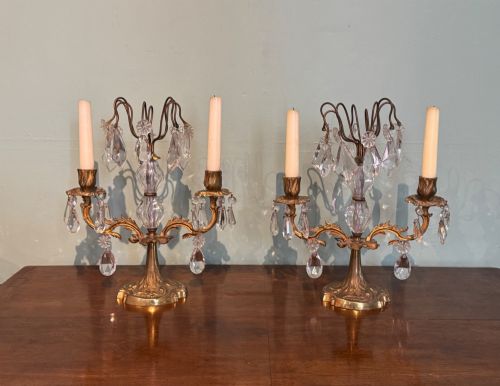
Clocks and related mantel pieces combined brass, bronze, and ormolu framing with enamel dials and precision glass housing.
Some nineteenth-century mantel clocks arrive complete with marching bronze stags, proving that timekeeping once required a touch of woodland theatre.
What Varies in Quality
The depth and crispness of the carved wood and gesso ornamentation distinguish high-level craftsmanship from simpler production, particularly where delicate motifs like foliage or ribbon work remain sharp.
The condition and originality of the mirror plate itself alter the character of a piece, with surviving foxed mercury glass or untouched bevelled plates commanding greater interest.
Structural integrity of the heavy wooden frames and the retention of original gilding without excessive modern intervention determine the enduring merit of an overmantel mirror.
TIFFANY
The Gilt Mantle Glass Glossary
- Overmantel mirror
- A large mirror specifically proportioned to hang on the wall directly above a fireplace mantelpiece. These pieces often feature horizontal or arched formats designed to fill the chimney breast.
- Gesso
- A plaster-like mixture applied to a wooden frame to provide a smooth surface for carving and subsequent gilding. It allows for crisp relief details such as scrolls and floral flourishes.
- Trumeau mirror
- An antique wall mirror combined with a painted panel or decorative artwork positioned above the glass. Originating in French interiors, these pieces integrate architectural woodwork with reflective surfaces.
- Mercury glass
- An early form of double-walled silvered glass created by pouring a liquid mercury amalgam between glass layers. It produces a distinctive speckled, foxed appearance unique to antique mirrors.
- Pier glass
- A tall, narrow mirror designed to hang on the wall space between two windows, known as the pier. They often match the height of adjacent furniture consoles or dressing tables.
Gilt Mantle Glass: Frequently Asked Questions
How do I hang a heavy overmantel mirror?
These large mirrors carry substantial weight due to their dense wooden frames and thick glass plates. Secure wall fixings must anchor directly into structural studs or masonry rather than relying on standard plasterboard hooks.
Professional mirror hangers often utilise mirror plates or heavy-duty french cleats attached to the reinforced wooden backboards common on nineteenth-century examples.
What is foxed glass?
Foxing refers to the natural oxidation and degradation of the silvering or mercury backing behind the glass over many decades. This process creates dark spots, cloudy patches, and mottled areas across the reflection.
Many collectors prize original foxed glass because it proves the antiquity of the mirror plate and lends a soft, historic quality to the reflection.
Can these mirrors sit directly on a mantel?
While many nineteenth-century overmantel mirrors were designed to rest their weight on the marble or wooden shelf of a fireplace while secured to the wall above, others are strictly wall-hanging pieces.
Checking the base of the frame for original feet or flat contact surfaces helps determine whether a piece was intended to bear weight on a mantel or hang entirely independently.