




Gilt Leather Volume
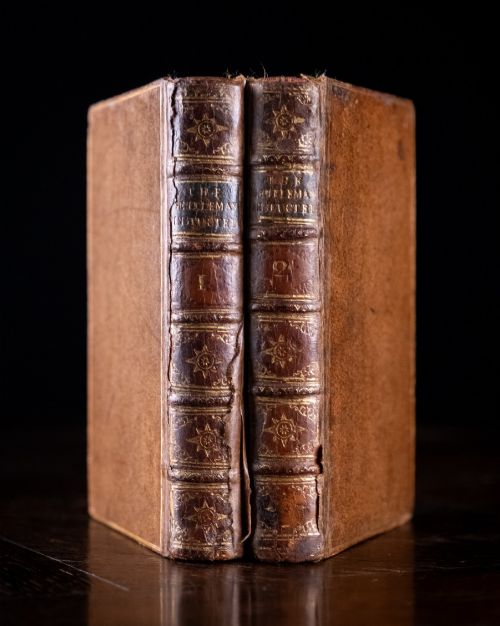
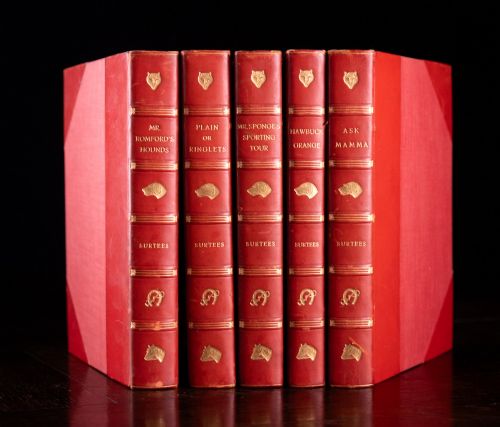
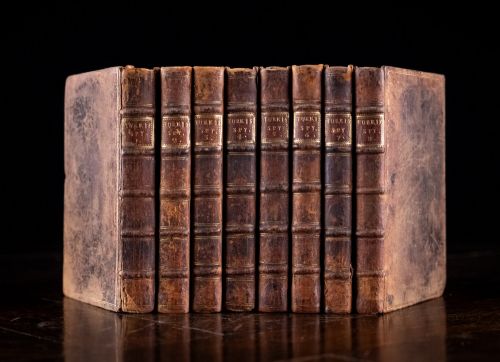
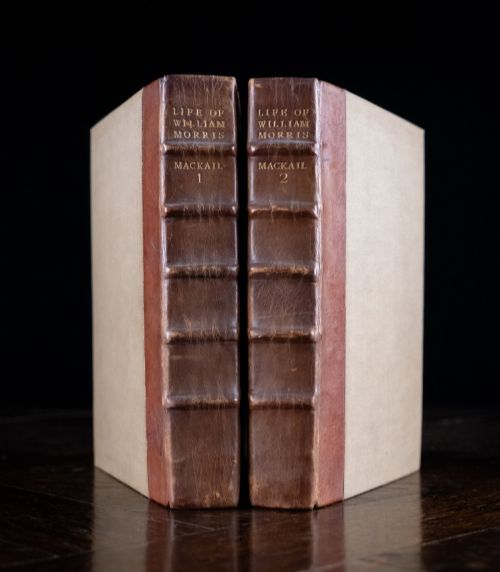
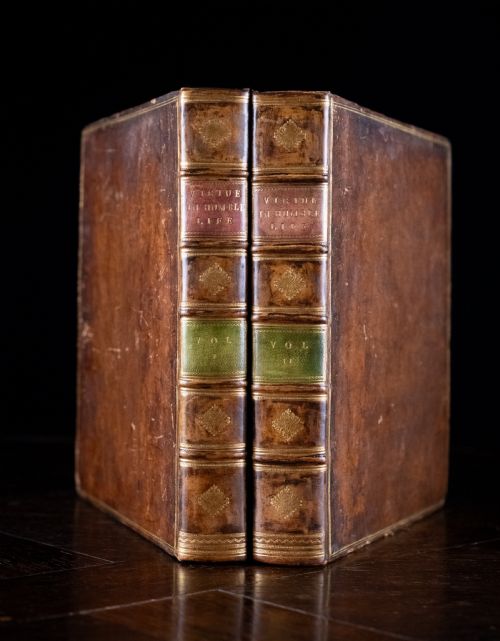
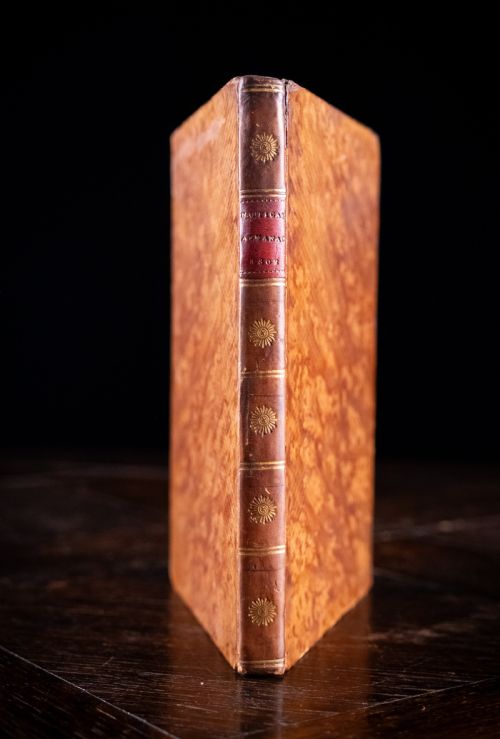
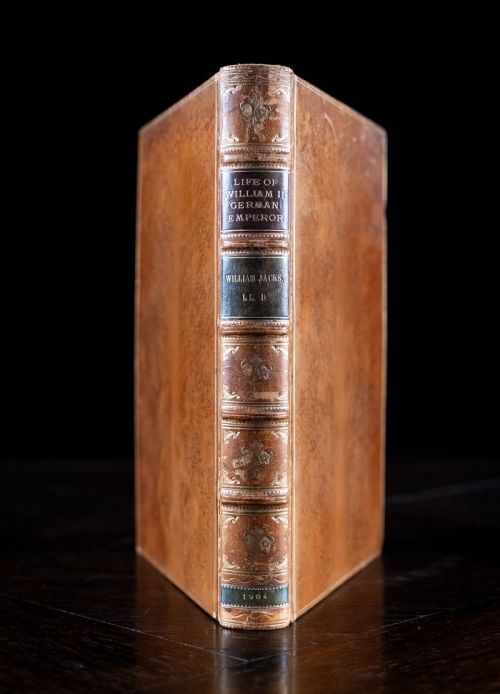
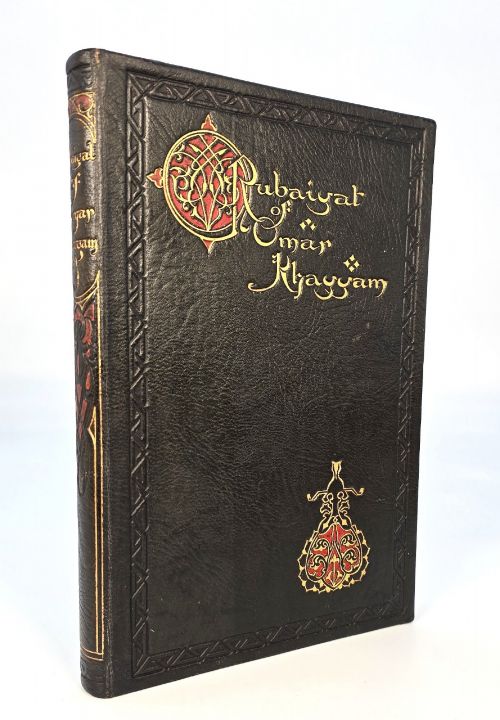
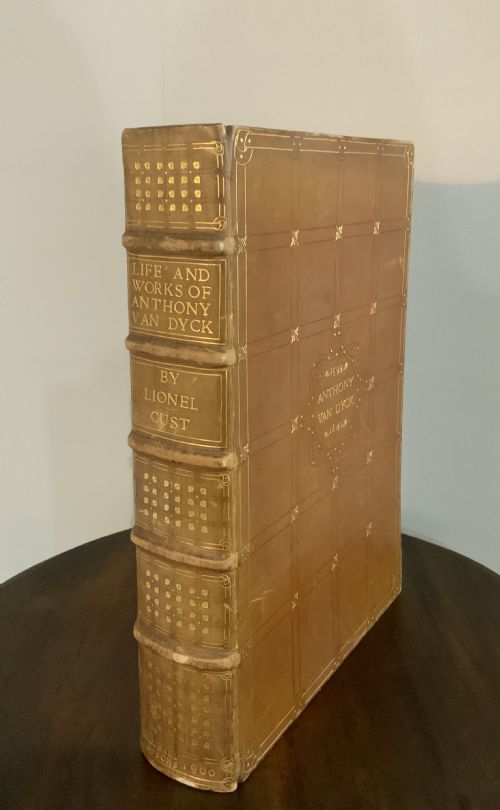
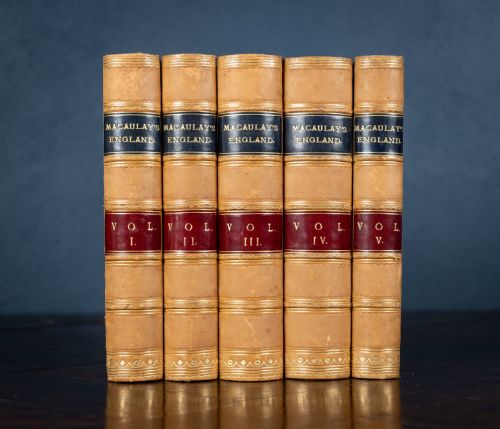
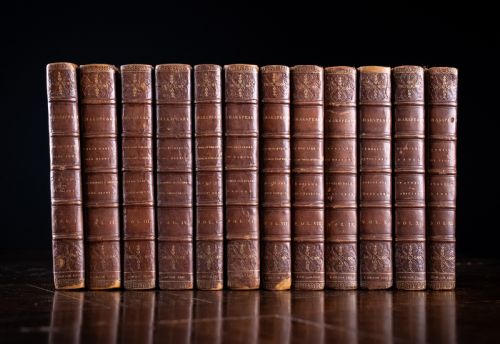
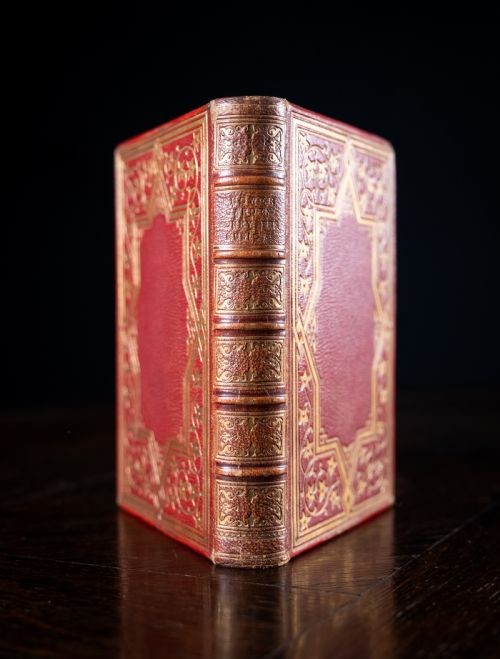
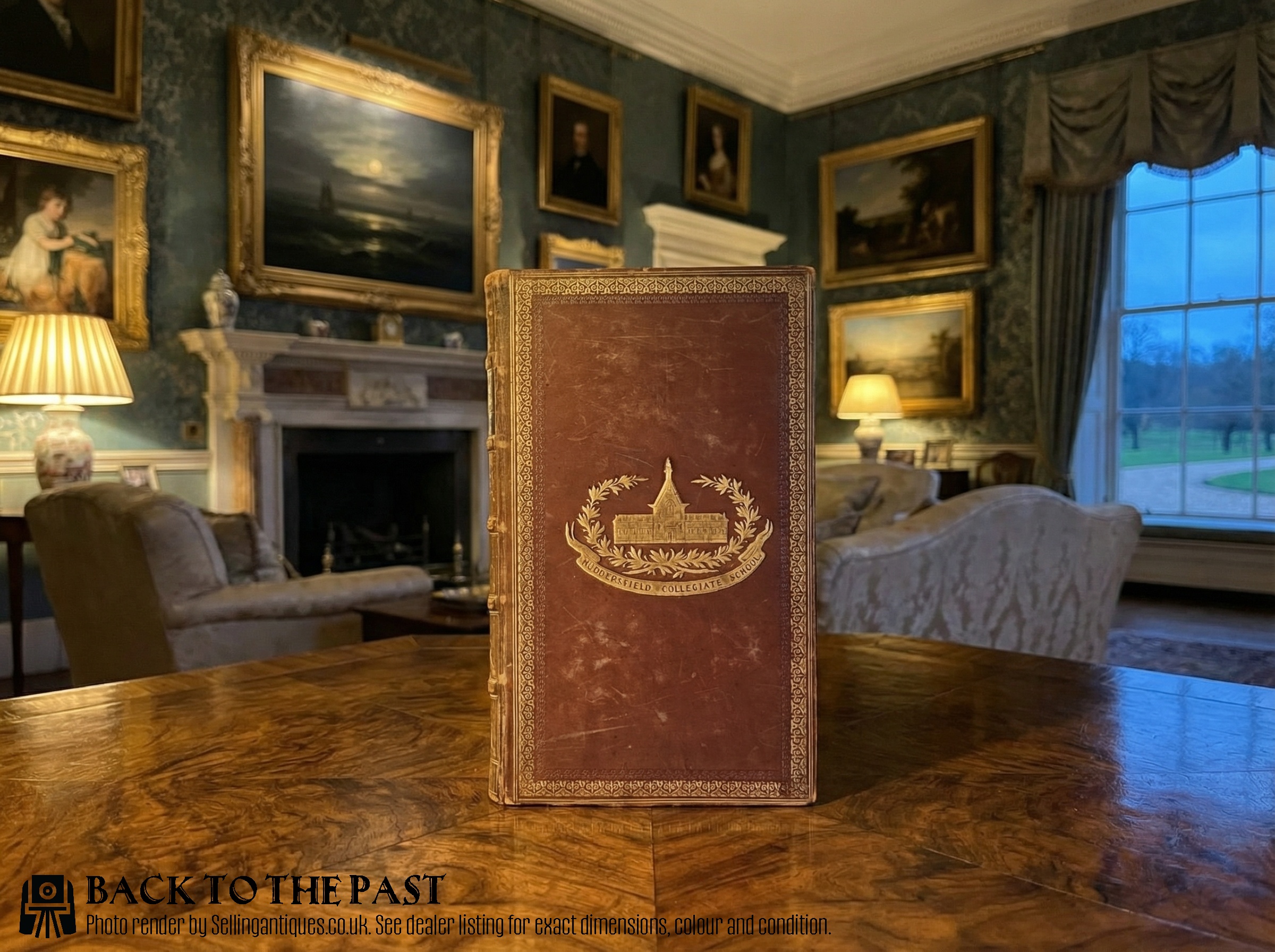
These gilt leather volume pieces are nineteenth- and early twentieth-century books bound in calfskin and adorned with gold leaf, offering both historical text and decorative presence.
What they are
When you search for gilt leather volume, you are looking at nineteenth- and early twentieth-century books housed in sturdy leather bindings with metallic detailing. These volumes span historical biographies, scientific lectures, and illustrated fiction from the Victorian and Edwardian eras.
The versions you are most likely to meet on this page include mid-Victorian travel accounts, botanical and musical miscellanies, and fine biographical editions from eighteen-fifty to nineteen-hundred. Each piece functions simultaneously as a readable text and a shelf-ready decorative object.
The forms range from substantial single-author studies to collected works featuring marbled paper endpapers alongside their calfskin exteriors.
How they were made
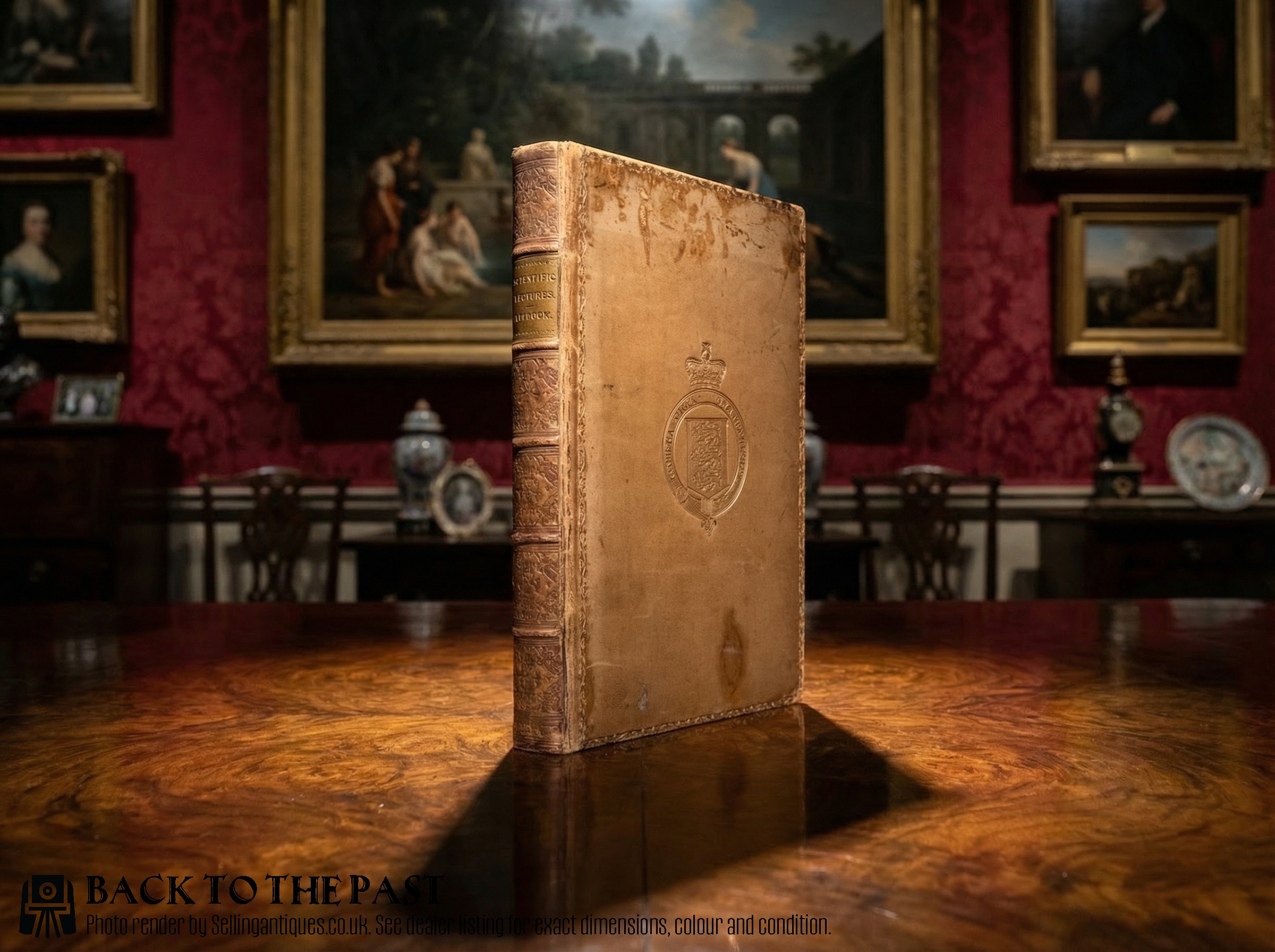
Binders constructed these books using durable calfskin leather stretched over rigid cardboard and paper cores. Pages were sewn together and secured within leather bindings designed to withstand frequent handling.
Decoration relied on the application of gold leaf, pressed into the leather using heated metal tools to create gleaming titles and ornamental borders. Marbled paper often lined the interior covers, complementing the exterior metallic tooling.
Retail Price Guide 2026
Typical UK retail prices for gilt leather volume, calculated from the Sellingantiques database of over a million retail prices indexed since 2003. This retail price guide relies exclusively on Sellingantiques data; no external sources or auction records are used, so the figures do not describe the wider market.
Nineteenth-century readers enjoyed German Faust tales dressed in gleaming gold and calfskin.
What varies in quality
The distinction between standard examples and superior volumes lies in the crispness and depth of the gold tooling upon the spine and boards. Finer pieces retain brilliant metallic lustre and precise stamping without excessive rubbing.
Quality also rests on the integrity of the calfskin leather and the rigidity of the internal card and paper structures. Well-preserved bindings show minimal cracking along the joints and firmly attached text blocks.
The Gilt Leather Volume Glossary
- Calfskin leather
- A supple, fine-grained leather derived from the skin of a calf, frequently used for durable and luxurious book bindings.
- Gold leaf
- Gold beaten into extremely thin sheets, applied to the leather exterior of books to create luminous titles and decorative tooling.
- Marbled paper
- Paper decorated with a colourful patterned swirl design, traditionally used for the endpapers inside the front and back covers.
- Antiquarian book
- A term for older books valued for their age, historical content, physical binding, or rarity rather than mere utility.
Frequently Asked Questions
What is a gilt leather volume?
A gilt leather volume is a nineteenth- or early twentieth-century book bound in leather and decorated with gold leaf. These pieces encompass biographies, scientific lectures, and literature.
They combine historical texts with decorative bindings featuring marbled paper and calfskin.
How old are these books?
The books listed span the Victorian and Edwardian periods, primarily dating from eighteen-fifty to nineteen-four. They reflect the publishing and binding standards of those decades.
Earlier examples originate from the mid-nineteenth century, while others extend into the early nineteen-hundreds.
How should I display them?
These volumes suit upright placement on bookshelves where their decorated spines remain visible. Keeping them out of direct sunlight preserves the leather and gold leaf.
Allowing adequate air circulation around the bindings prevents moisture accumulation in the paper and cardboard.
What materials were used?
Binders utilised calfskin leather, cardboard, and paper to form the structure of each book. Gold leaf provided the metallic exterior ornamentation.
Interior components frequently incorporated marbled paper for endpapers alongside standard printed text pages.