



Gilt Leaf Mirror
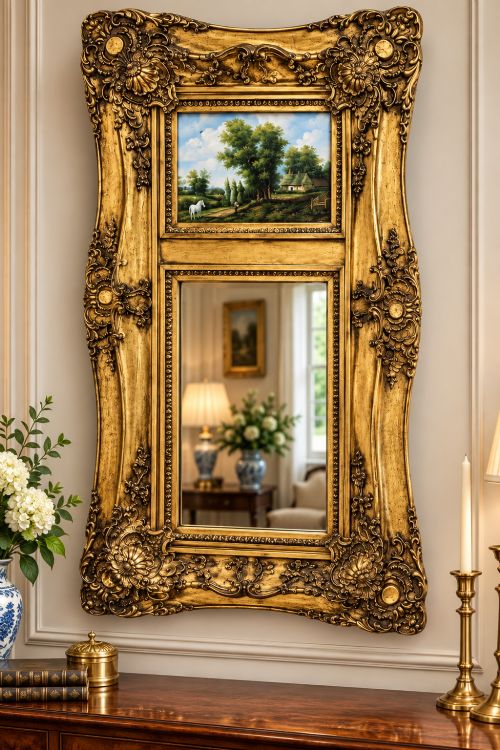
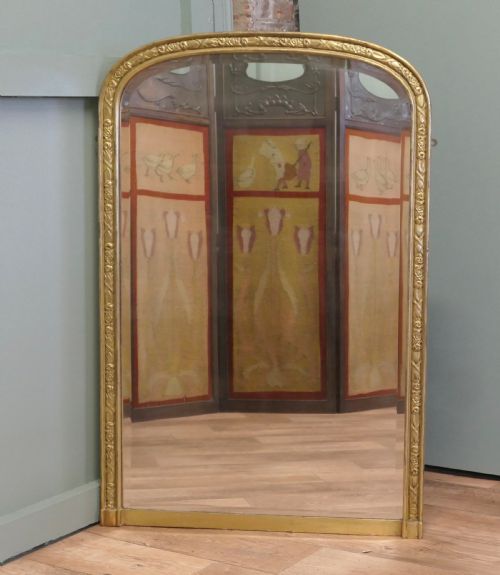
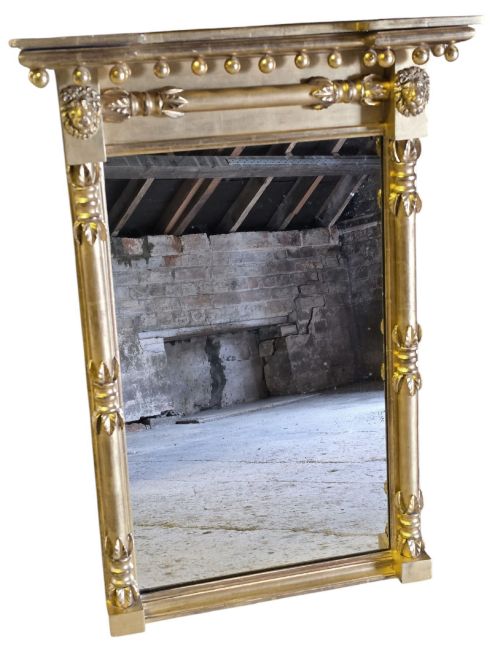
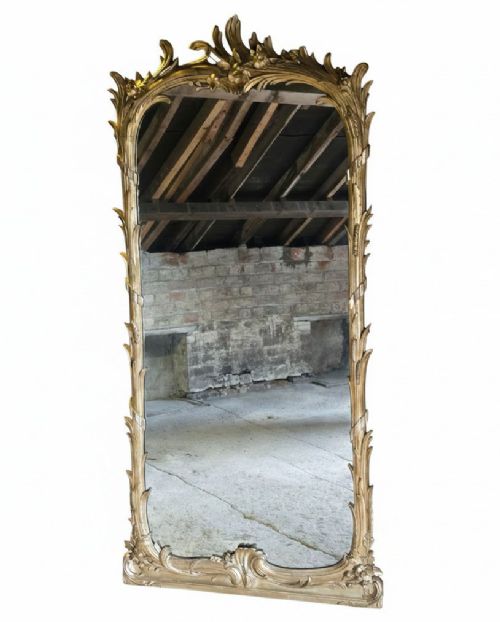
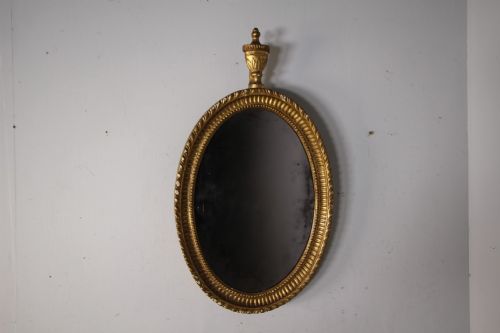
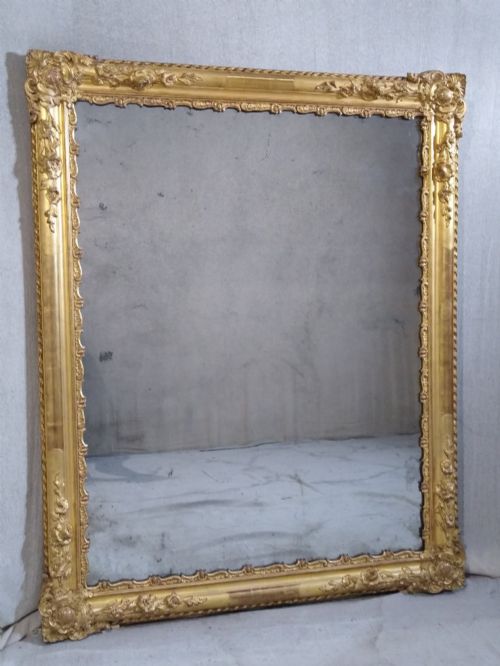
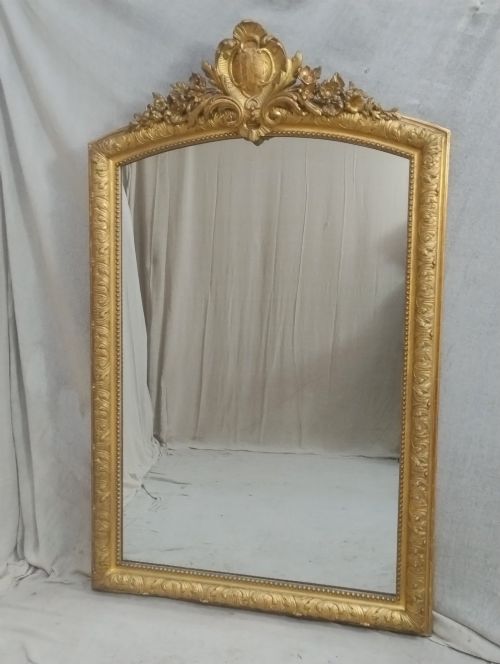
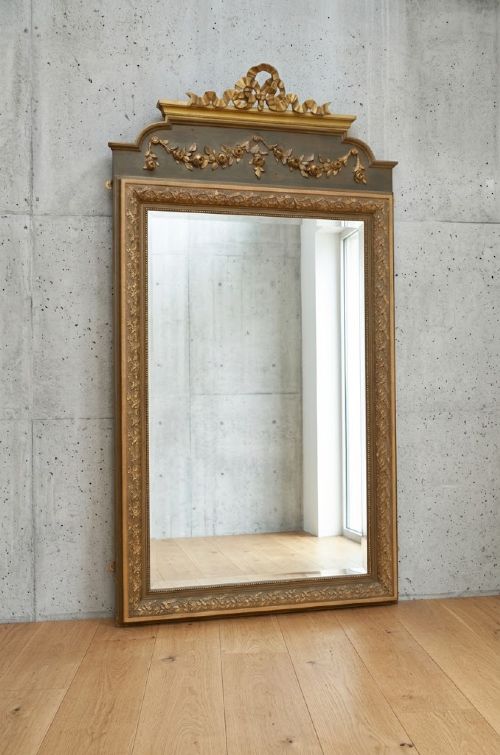
A gilt leaf mirror brings warmth and botanical detail into a room, utilising reflective glass held within gilded frames adorned with natural motifs.
Gilt Leaf Mirror
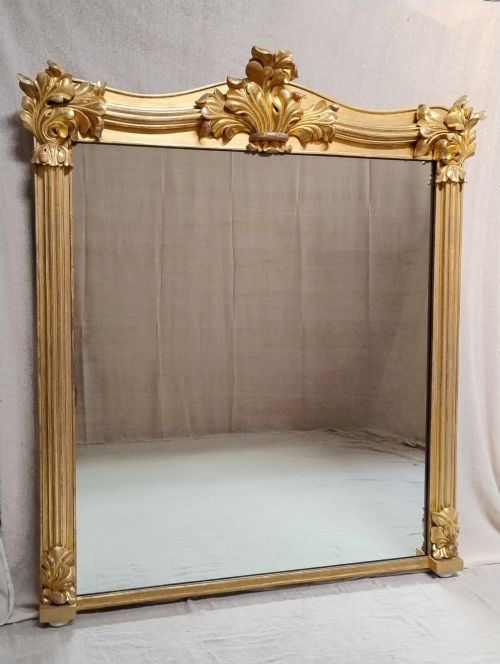
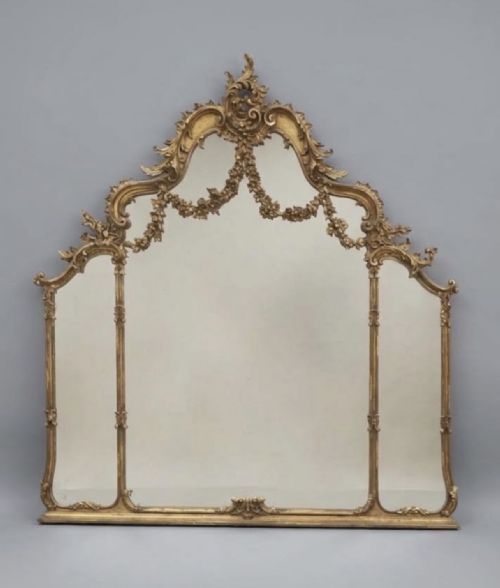
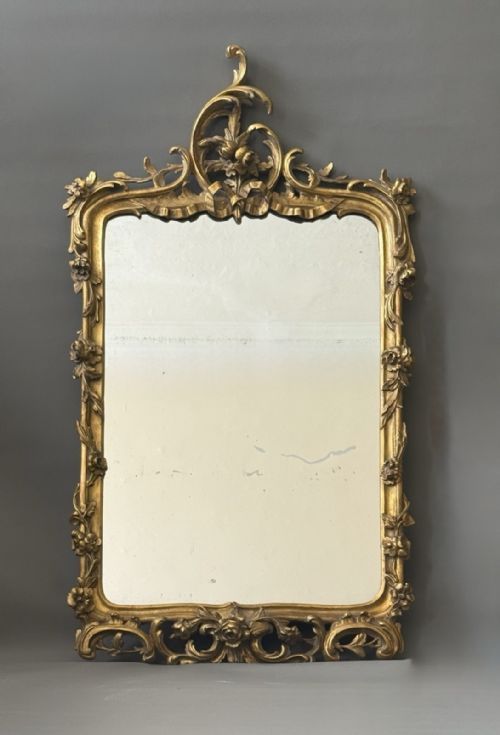
A gilt leaf mirror focuses the eye through intricate botanical carvings and reflective surfaces designed to brighten interior spaces. Collectors encounter these pieces primarily across eighteenth, nineteenth, and early twentieth-century periods, spanning English, French, and Italian origins.
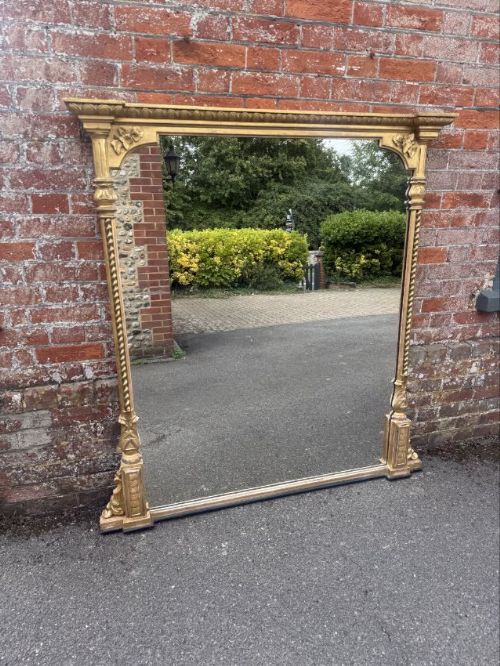
The selection ranges from large architectural overmantle mirrors intended for placement above fireplaces to compact wall mirrors and pier glasses. Many examples incorporate specific foliage themes, displaying carved acanthus, oak, laurel, and vine leaves along the wooden frames.
Origins include domestic English workshops as well as continental centres such as France and Italy, reflecting diverse regional tastes from the Regency era through the Victorian period. These objects serve both functional reflective purposes and decorative focal points within traditional interiors.
How They Were Made
Frames rely on a foundation of solid timber, frequently utilising carved wood or layered composition and gesso to build up high-relief botanical details. Artisans sculpt the foliage directly into the wood or mould the gesso mixture over the base structure before applying the finish.
The characteristic metallic sheen comes from the application of gold leaf or gilt coatings onto the prepared surfaces, sometimes accompanied by painted highlights or contrasting sections. Glazing utilises traditional glass plates, occasionally featuring mercury backing or bevelled edges depending on the period of production.
Materials recorded across current inventory include painted wood, composition, mercury glass, and gold leaf applied to carved botanical motifs.
What Varies In Quality
The depth and crispness of the hand-carved botanical elements separate standard production from superior examples, where every leaf vein and berry remains sharply defined. Finishes display distinct levels of hand-applied skill, ranging from densely layered gold leaf applications to simpler painted treatments.
Structural integrity of the original wood foundation and the preservation of the antique mirror plate heavily influence desirability. Pieces retaining their original mercury glass or early hand-bevelled plates hold greater historical character than later replacements.
The Gilt Leaf Mirror Glossary
- Gesso
- A plaster-like mixture applied to wooden frame bases to create a smooth surface for detailed moulding and subsequent gilding. This material allows artisans to achieve deep, crisp relief work for leaf and vine motifs.
- Giltwood
- Timber that has been coated with thin sheets of gold leaf or metallic paint to simulate solid gold. It forms the primary structural and decorative medium for traditional ornate frames.
- Mercury Glass
- A type of double-walled glass blown with a silvering mixture containing mercury, utilised in mirrors produced before the mid-nineteenth century. It creates a distinctive dark, mottled reflection.
- Pier Mirror
- A tall, narrow mirror traditionally hung on the stretch of wall between two windows, often placed above a matching pier table or console. These items maximise natural light within formal reception rooms.
- Overmantel Mirror
- A wide mirror specifically proportioned to sit on the chimney breast directly above a fireplace mantelpiece. They anchor the room's central hearth focal point.
Gilt Leaf Mirror: Frequently Asked Questions
How do I clean a gilt leaf mirror?
Dust the carved leaf details gently using a soft, dry brush to prevent accumulation in the crevices. Avoid commercial chemical sprays, as moisture and ammonia damage delicate gold leaf and historical mirror plates.
Clean the glass plate sparingly with a microfiber cloth slightly dampened with distilled water. Ensure no liquid seeps behind the frame edges where it might affect the backing.
Where should I hang an overmantel mirror?
Mount the piece centrally above the fireplace mantelpiece to reflect light and balance the vertical proportions of the room. Ensure the wall fixings match the substantial weight of the timber and gesso structure.
Position the mirror at a height that reflects eye-level artwork or open space rather than the ceiling. This placement enhances the room's sense of depth and volume.
What is mercury glass?
Mercury glass refers to double-walled silvered glass popular in mirrors dating from the eighteenth and early nineteenth centuries. The reflective substance creates a characteristic foxed, speckled appearance over time.
This aged quality provides an authentic indicator of period manufacture. Collectors value original plates for the gentle, distorted reflection they cast across interiors.
How do I identify a Regency mirror?
Regency pieces often incorporate classical architectural motifs, convex circular plates, and bold carved foliage such as laurel leaves and berries. The frames frequently display distinct ebonised details alongside traditional gilding.
Proportions tend to be balanced and formal, reflecting early nineteenth-century design trends. Examining the construction techniques on the reverse helps confirm the period.