

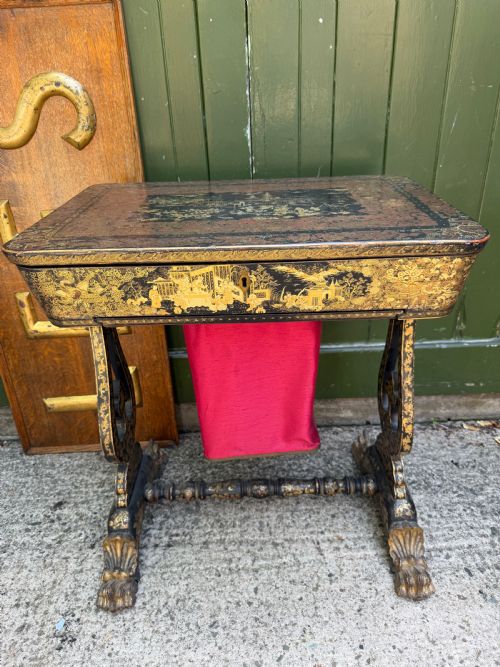


Gilt Lacquer Boxes
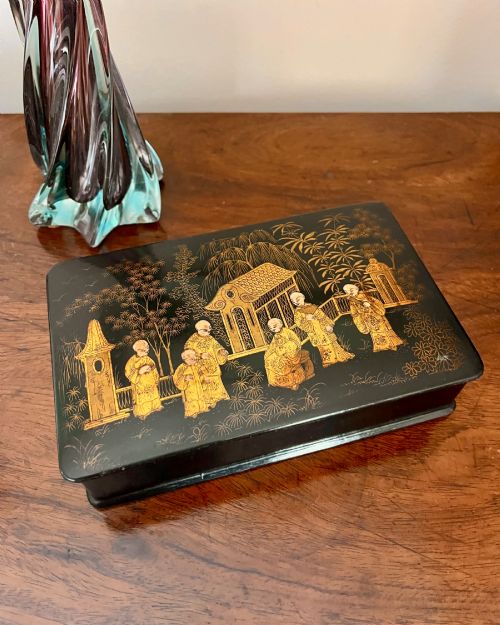
These gilt lacquer boxes span centuries of Asian and European craftsmanship, offering intricate decorative surfaces designed to store precious keepsakes.
Gilt Lacquer Boxes
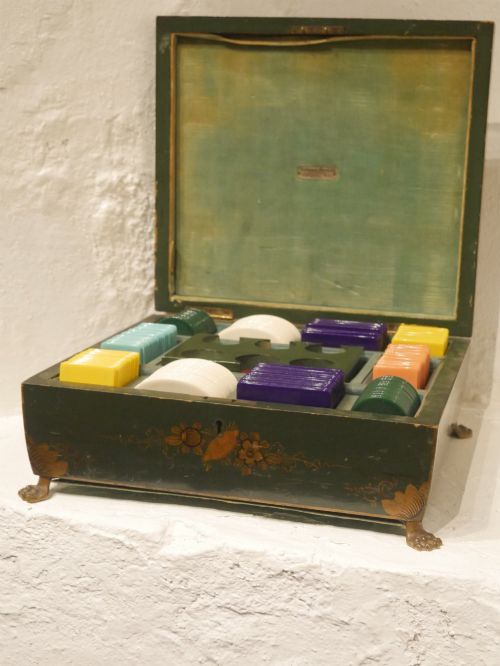
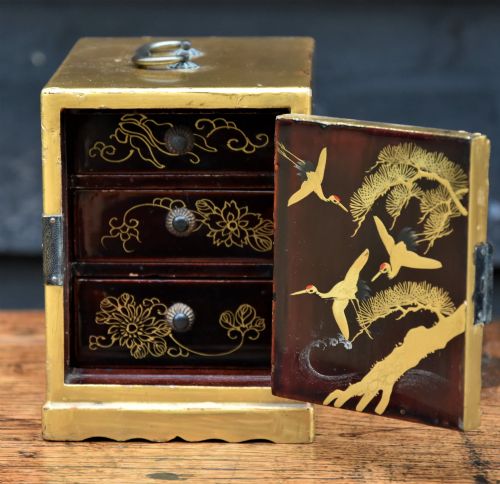
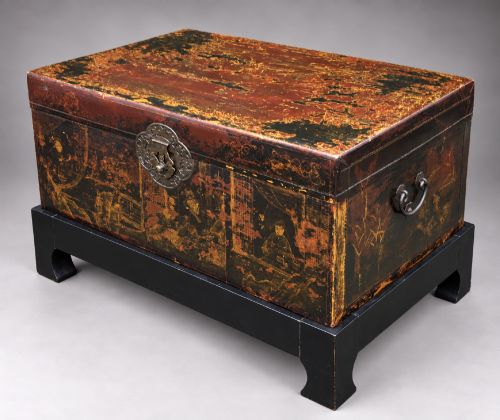
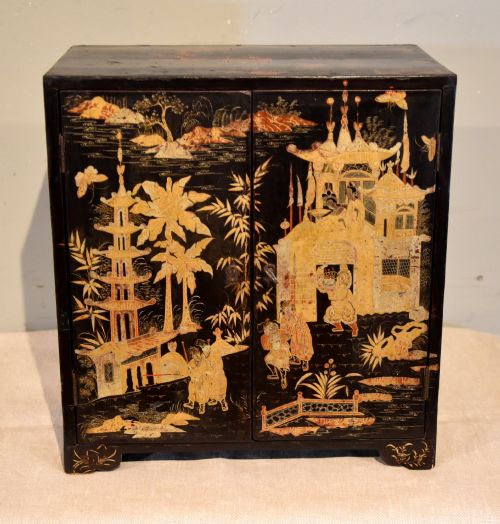
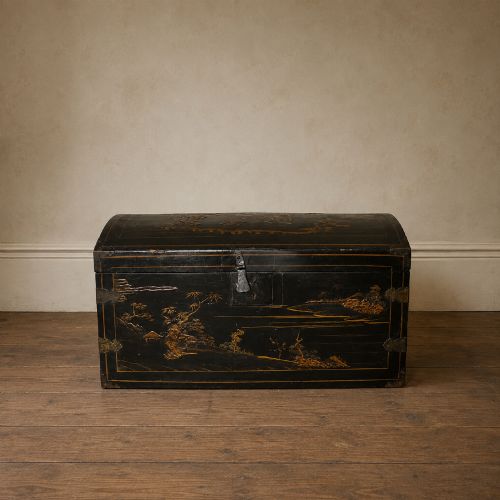
Gilt lacquer boxes encompass a broad variety of forms ranging from compact jewellery boxes and tea caddies to larger table cabinets and trunks. You are most likely to encounter nineteenth-century examples originating from China, Japan, and Britain.
The objects serve both decorative and utilitarian purposes, often featuring hinged lids, internal compartments, or stands designed for domestic display and storage.
Origins stretch across multiple cultural traditions including Chinese Export, Japanese Meiji, Regency Chinoiserie, and Victorian English designs.
Materials and construction
Construction relies heavily on wood, lacquered wood, and papier-mâché as a base for the applied layers of lacquer. Artisans then build up the surface before applying gold leaf and delicate gilding.
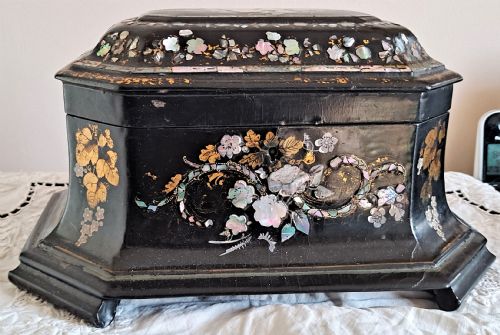
Many pieces incorporate supplementary materials such as brass fittings and mother of pearl inlay to accent the exterior decoration and structural edges.
Gilt Lacquer Boxes Retail Price Guide 2026
Typical asking prices for gilt lacquer boxes among the pieces listed under this phrase on Sellingantiques today, from the lower quarter to the upper quarter. They describe what is for sale here now, not the wider market.
Some nineteenth-century tea caddies secretly guarded dried leaves behind locked lids while sharing shelf space with innocent letter wall pockets.
Assessing quality
Quality rests upon the precision of the surface decoration and the condition of the lacquer layers. Finer pieces display crisp, detailed gold leaf work without significant loss to the underlying black or coloured lacquer.
The integrity of the underlying woodwork or papier-mâché core, alongside the original state of any brass hardware or internal fittings, distinguishes standard production items from superior works.
The Gilt Lacquer Boxes Glossary
- Chinoiserie
- European decorative style reflecting Chinese artistic influences. This style appears frequently on nineteenth-century English and continental boxes.
- Inro
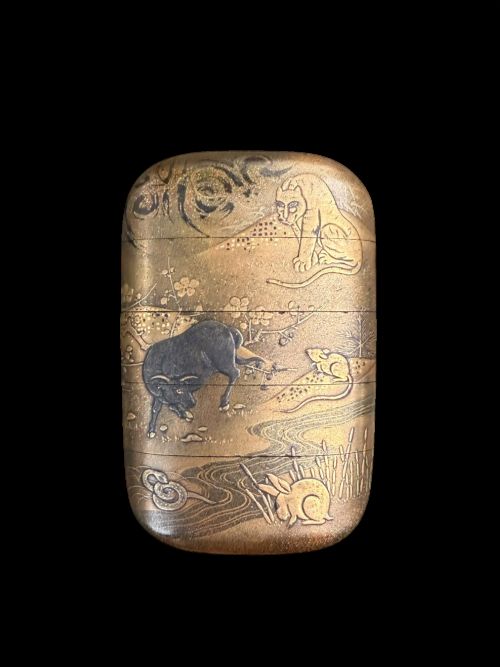
- Small traditional Japanese case for carrying small objects, suspended from a sash. These items often feature detailed lacquer and gilt work.
- Papier-mâché
- Composite material made from paper pulp or reinforced paper sheets bound with glue. Victorian makers utilised this substance for tea caddies and small boxes.
- Toleware
- Painted or lacquered metalware popular in the Georgian period. Such items share decorative coating techniques with traditional lacquer boxes.
Gilt Lacquer Boxes: Frequently Asked Questions
What were gilt lacquer boxes used for?
Gilt lacquer boxes served varied domestic purposes, functioning as repositories for jewellery, loose tea, sewing implements, and personal documents. Their decorative surfaces suited placement in prominent rooms.
Larger variations, such as table cabinets and trunks, provided secure storage for larger valuables and textiles while adding to the interior aesthetic of the home.
How do I care for antique lacquer?
Antique lacquer requires gentle maintenance, avoiding direct sunlight and excessive humidity which can cause the finish to crack or lift. Dusting with a soft, dry cloth preserves the fragile surface.
Polishing compounds and harsh chemical cleaners should be avoided entirely, as they damage the delicate gold leaf and lacquer layers.
How do I identify Chinese Export pieces?
Chinese Export pieces typically feature distinct decorative motifs tailored for Western markets during the eighteenth and nineteenth centuries. They often utilise black lacquer grounds with dense gilt decoration depicting figures, landscapes, or floral patterns.
These items frequently take the form of sewing tables, domed chests, and tea caddies destined for European and British homes.
What is the difference between Meiji and Edo periods?
The Edo period spans earlier centuries of Japanese history, while the Meiji period covers the late nineteenth and early twentieth centuries. Meiji period lacquerwork often displays refined technical mastery and detailed pictorial designs.
Cabinets and small boxes from the Meiji era frequently exhibit sophisticated integration of metal fittings and varied lacquer techniques.