
Gilt Framed Wall Mirrors
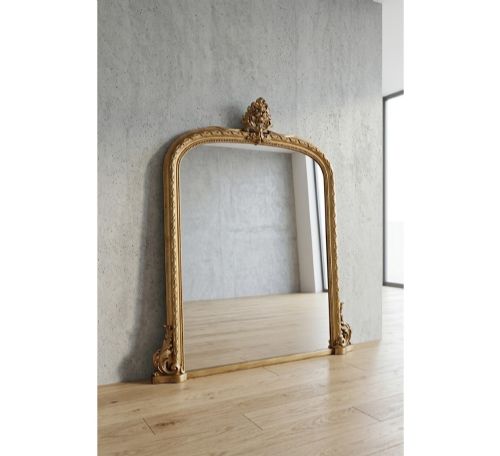
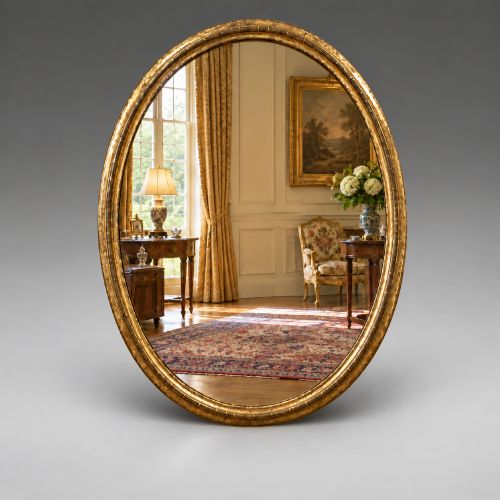
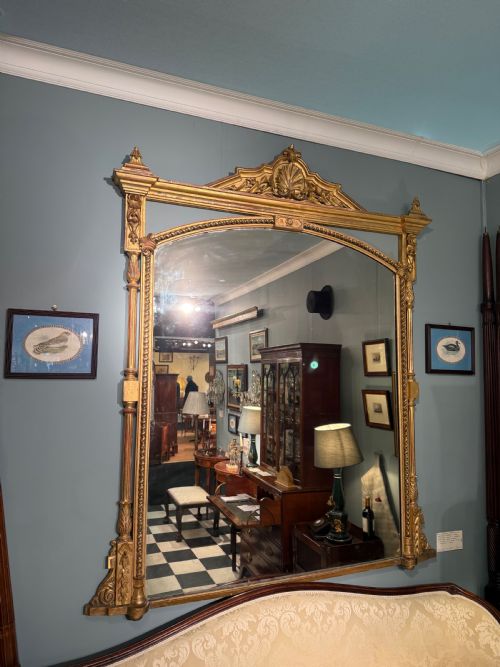
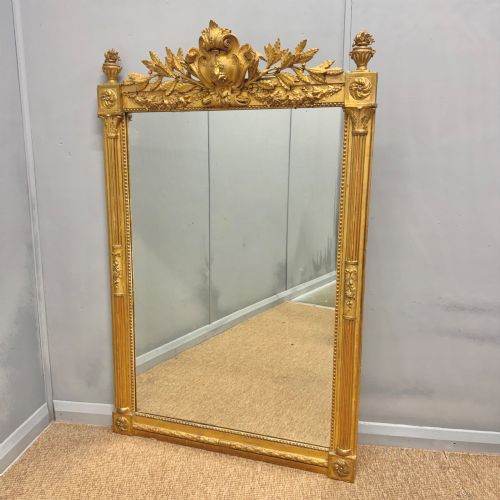
These gilt framed wall mirrors bring depth and warm metallic reflection to a room, spanning French Louis Philippe, Victorian overmantels, and Georgian styles.
Gilt Framed Wall Mirrors
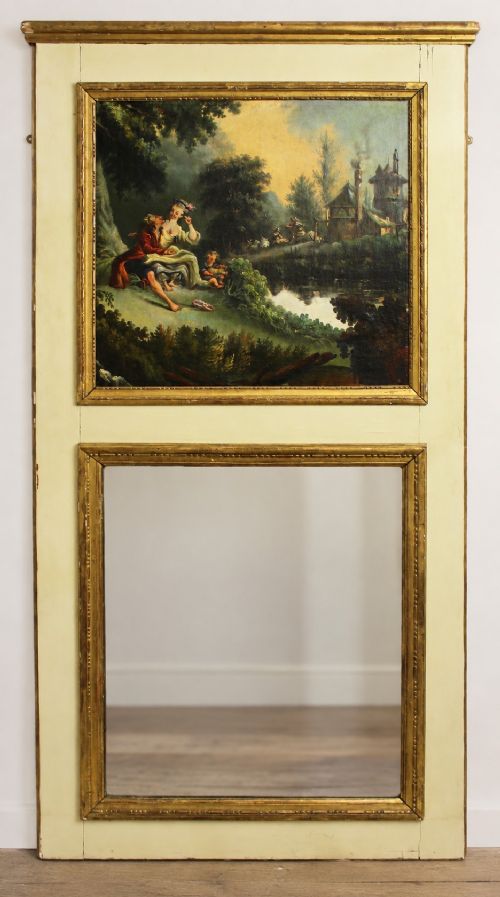
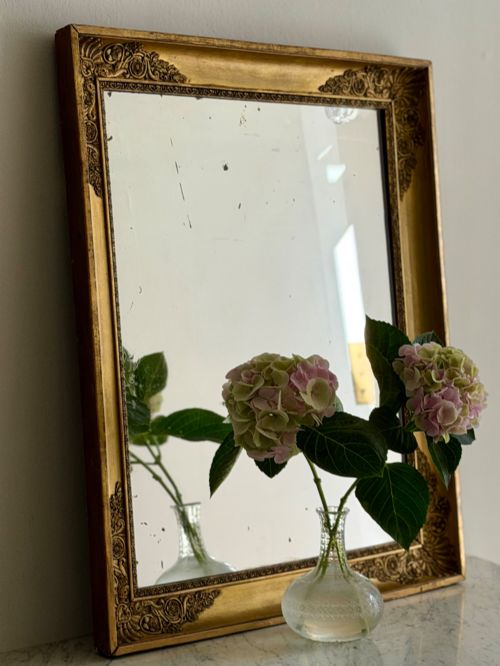
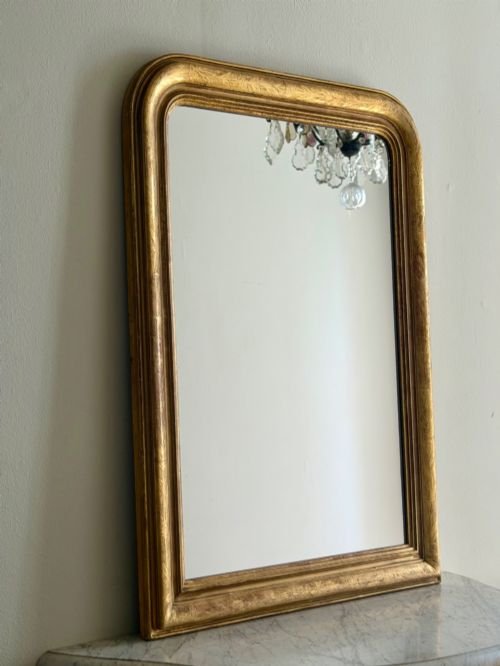
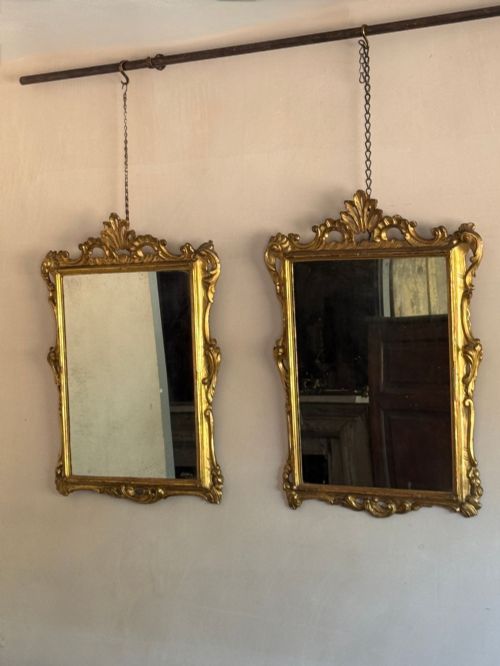
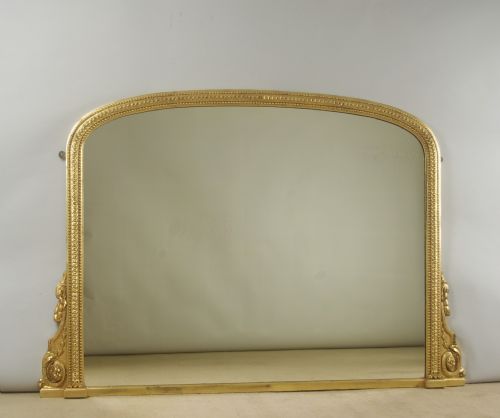
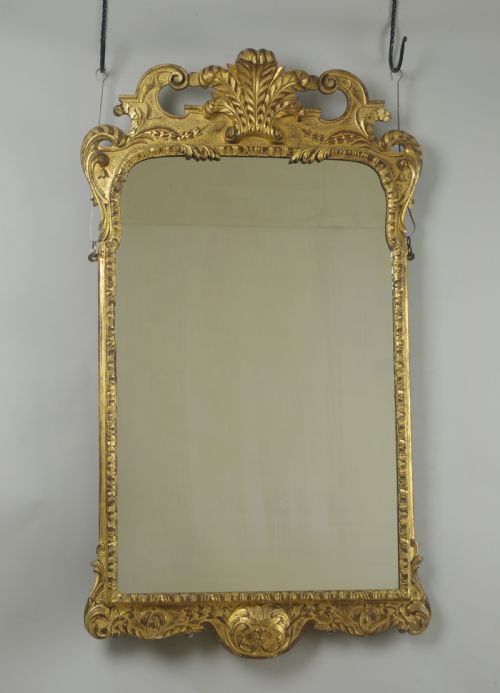
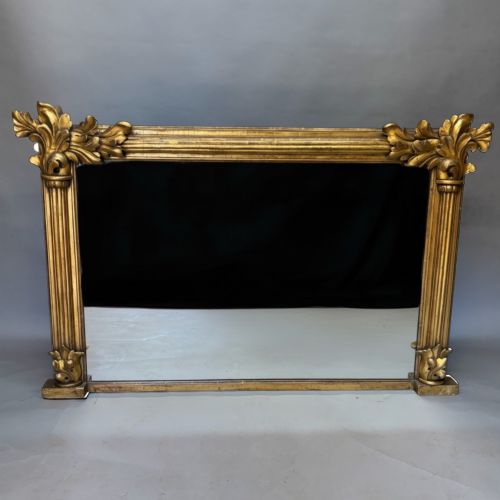
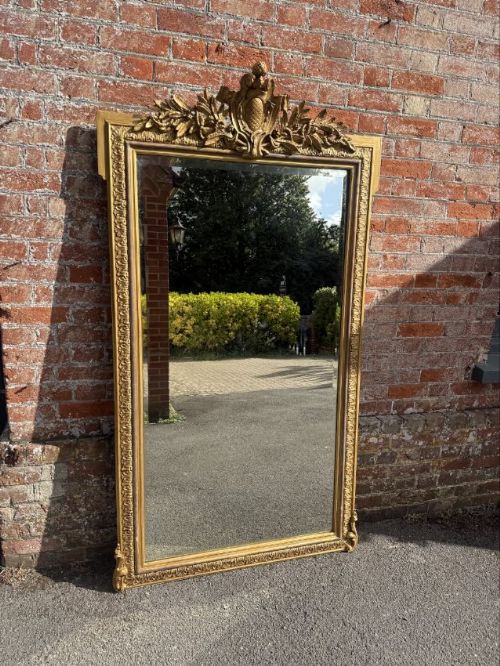
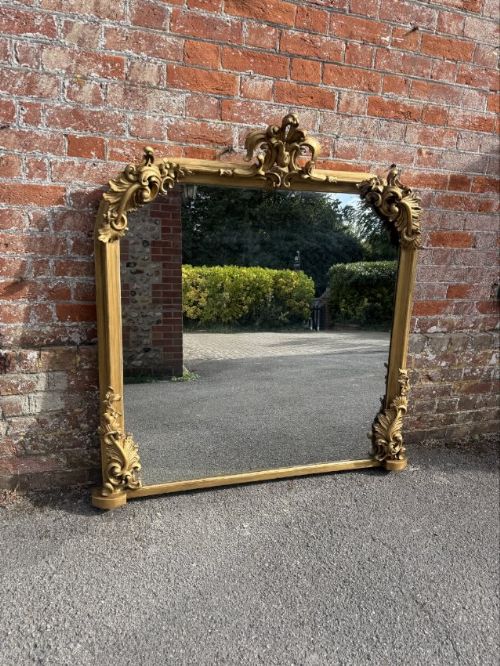
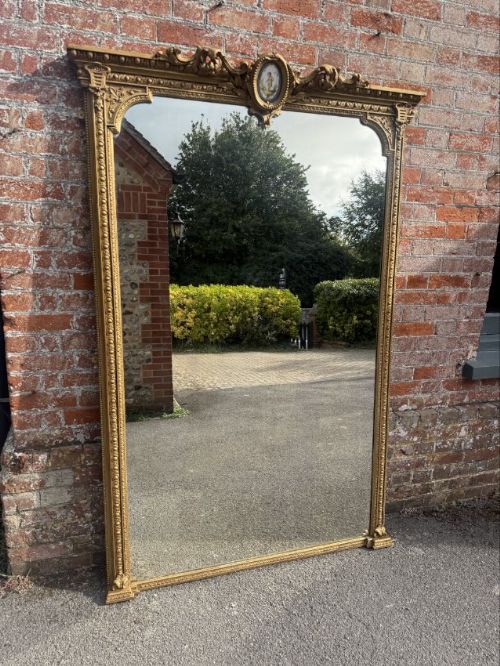
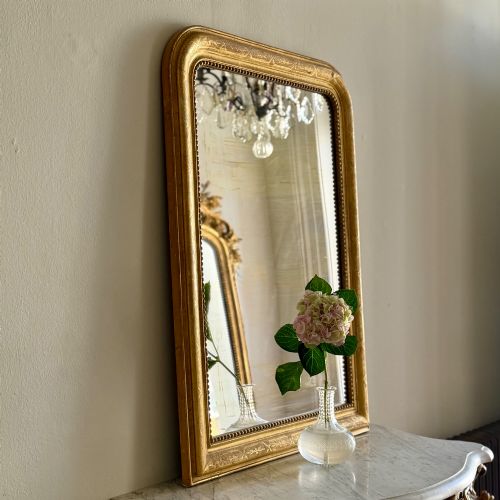
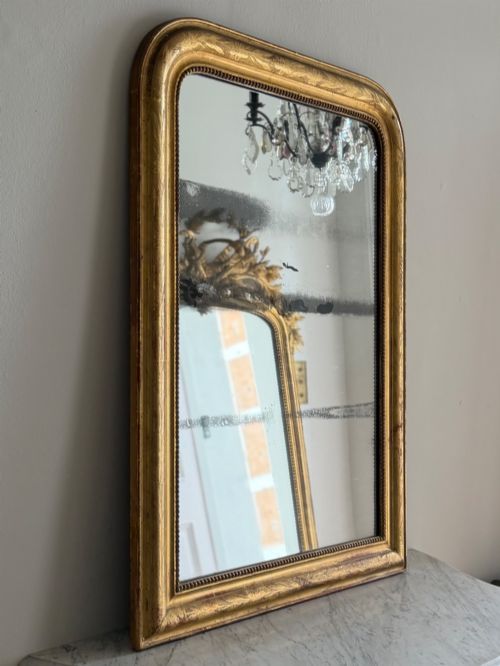
Gilt framed wall mirrors appear in multiple distinct forms across this selection, ranging from grand overmantel mirrors designed to sit above a fireplace to tall trumeau mirrors incorporating oil paintings. French Louis Philippe examples with rounded upper corners sit alongside English Victorian arched top designs and carved wooden Georgian frames.
The objects take various shapes, including rectangular, oval, and shaped top formats, scaled from domestic wall pieces to massive overmantels. Origins trace to English, French, and Italian workshops spanning the eighteenth, nineteenth, and early twentieth centuries.
How they were made
Maker construction relies on timber foundations such as carved wood, parcel gilt mahogany, birds eye maple, and burr walnut, layered with gesso to build up decorative reliefs. Composition ornament is also applied to mouldings before finishing.
Surface gilding utilises gold leaf or silver gilt applied over the prepared ground, while glazing employs traditional mirror glass, including mercury glass variants that exhibit foxing over time.
Listings feature periods from the 18th century through to 1920, encompassing Georgian, Victorian, Regency, and French Louis Philippe styles.
What varies in quality
Quality rests in the crispness of the carved wood and gesso ornamentation, where hand-carved detail displays greater definition than moulded composition work. The depth and integrity of the original gilding dictate the visual impact of the surface.
The character of the glass plate matters, as period mercury glass with natural foxing provides an authentic historical patina that machine-made glass lacks. Structural joinery in the underlying timber frame determines long-term stability for heavy overmantel pieces.
The Gilt Framed Wall Mirrors Glossary
- Giltwood
- Wood that has been coated with gold leaf or metal leaf. This finish gives the frame its characteristic metallic sheen.
- Gesso
- A plaster mix applied to a wooden frame to create a smooth surface for gilding or to build up low-relief carved details. It provides the base for intricate moulding.
- Trumeau mirror
- A decorative wall mirror paired with a panel above, often containing an oil painting or carved motif. These pieces originated in eighteenth-century interior architecture.
- Overmantel mirror
- A large mirror designed to hang specifically on the wall above a fireplace mantelpiece. They scale larger to suit the proportions of the hearth.
- Mercury glass
- Mirror glass produced by applying a silver and mercury amalgam behind the glass plate. It develops characteristic dark spots, known as foxing, over time.
Gilt Framed Wall Mirrors: Frequently Asked Questions
What is the difference between Louis Philippe and Victorian mirrors?
Louis Philippe mirrors typically feature clean rectangular proportions with softly rounded upper corners and subtle beaded or leaf ornamentation. They originate from mid-nineteenth-century France and offer a refined, restrained aesthetic.
Victorian mirrors tend to be larger and heavier, often incorporating arched tops, rope twist carvings, and elaborate gesso decoration. English Victorian overmantels were built specifically to command attention above the fireplace.
How should I clean antique gilt frames?
Dust antique gilt frames gently using a dry, soft artist's brush or a feather duster. Avoid applying water, chemical sprays, or modern cleaning cloths, which can strip the delicate gold leaf or damage the underlying gesso.
Keep the mirrors away from direct sunlight and damp environments to protect the antique wood and silvered glass. Professional restoration is recommended if the gilding begins to flake.
What does foxing on a mirror mean?
Foxing refers to the small dark spots and mottled patches that develop behind older mirror glass over decades of oxidation. This chemical reaction occurs particularly in mercury glass and signals genuine age.
Many collectors value foxing because it proves the authenticity of the glass plate. It softens the reflection and contributes an atmospheric historical quality to the piece.