
Gilt Framed Paper Print
A gilt framed paper print brings centuries of graphic art, portraiture and cartography to the wall inside traditional wooden mouldings.
Gilt Framed Paper Print
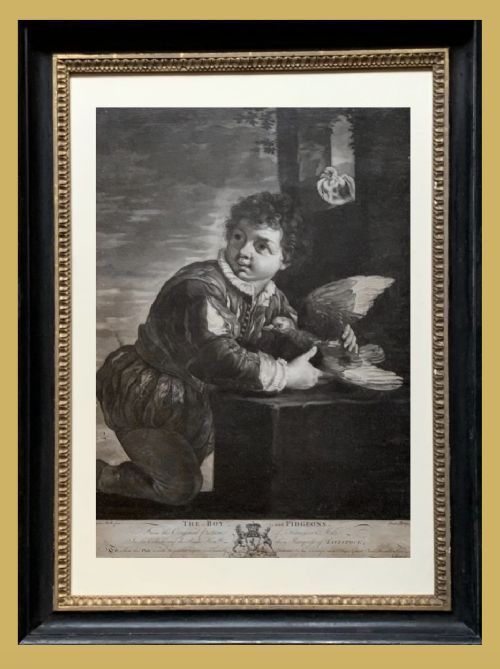
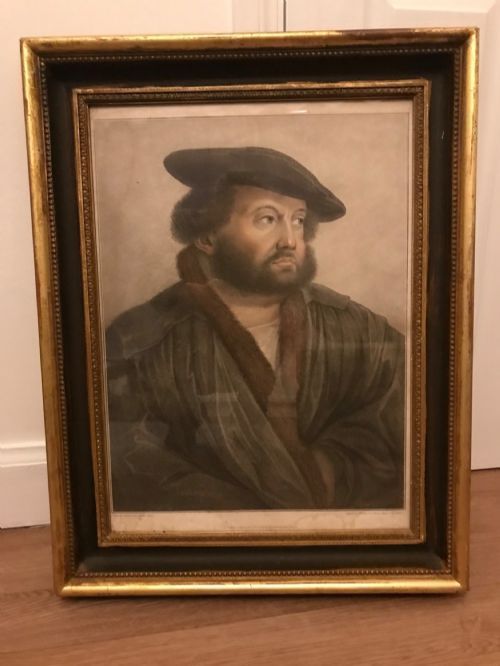
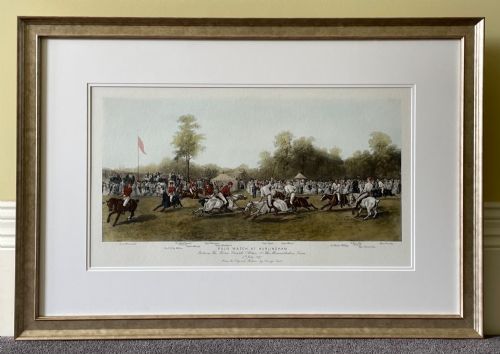
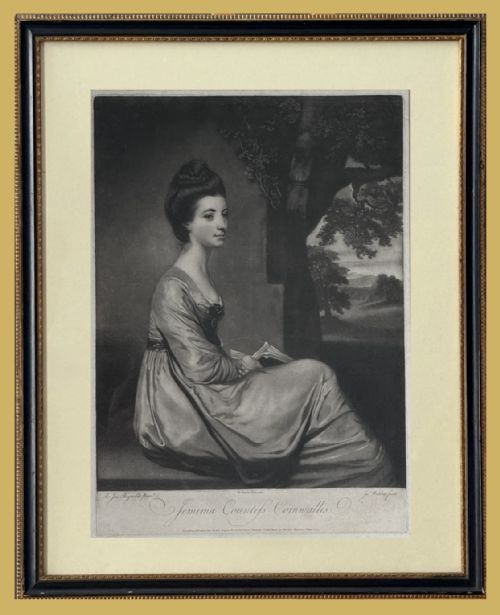
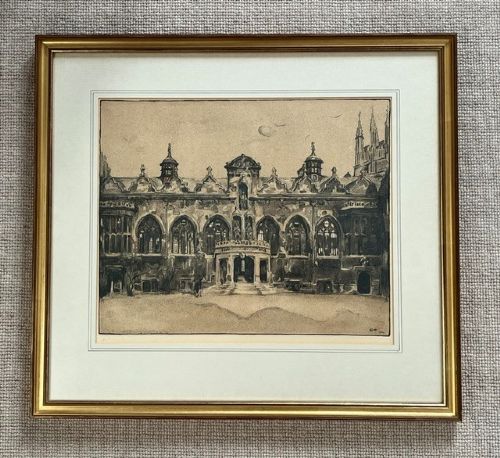
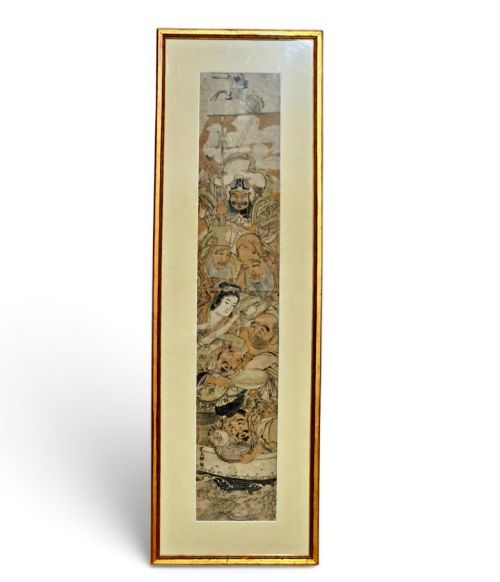
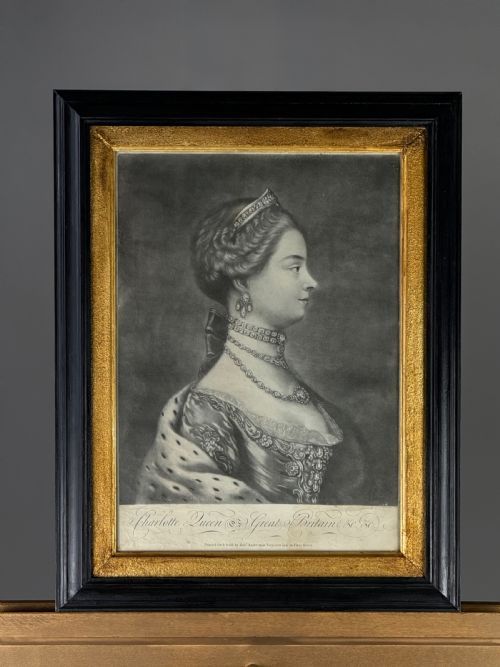
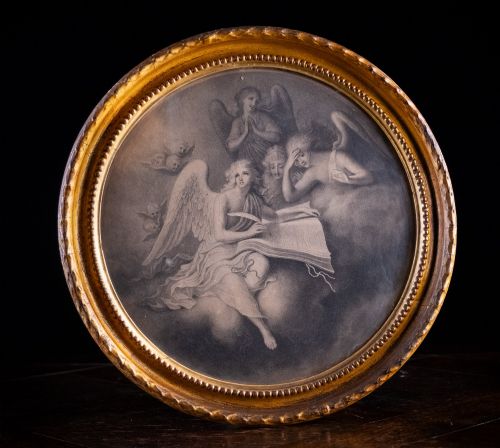
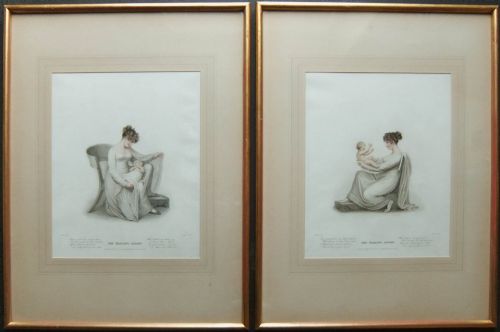
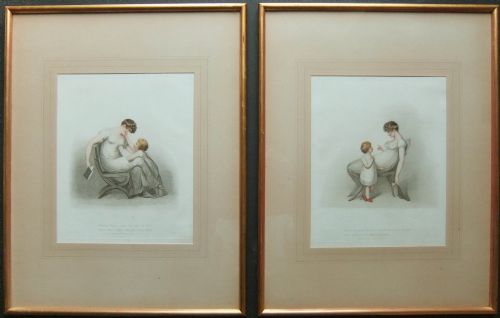
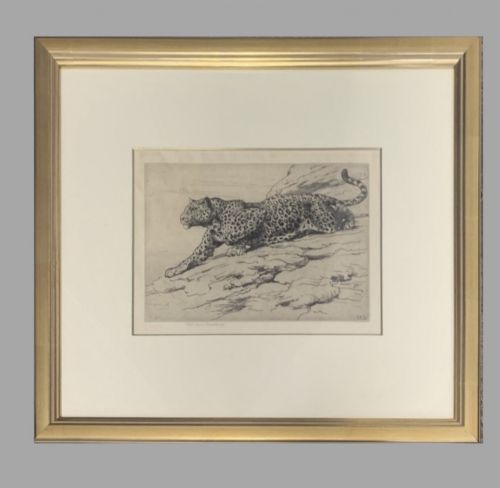
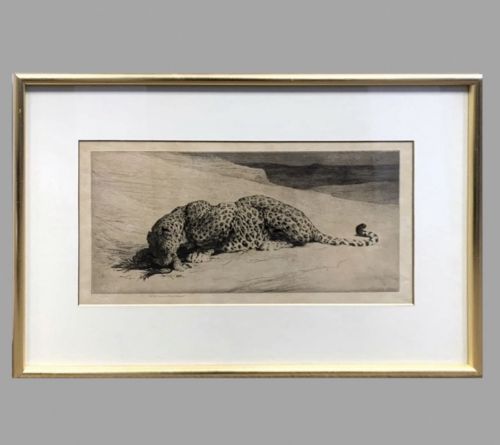
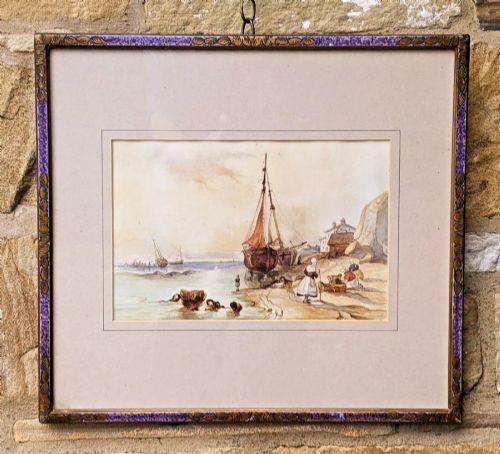
When searching for a gilt framed paper print, collectors encounter a diverse range of works on paper spanning from the seventeenth century to the early twentieth century. The selection encompasses stipple engravings, mezzotints, lithographs, etchings, watercolours, pastels and woodblock prints.
Materials and methods
The physical objects rely upon paper supports inscribed through ink printing techniques, hand colouring, watercolour washes and pastel applications. Wood and glass protect the delicate mediums within traditional frames.
Mouldings receive applications of gold leaf, giltwood or metallic finishes to create the luminous borders surrounding the imagery. Many plates employ copper or steel engravings executed by skilled printmakers.
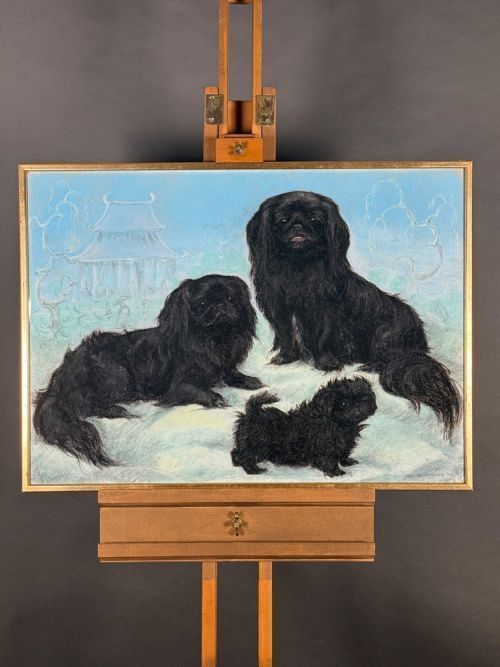
A study of three black Pekingese dogs rendered in pastel on paper brings aristocratic lapdogs straight from history into the room.
Assessing visual distinction
Quality rests upon the clarity of the printed impression, the crispness of plate marks and the vibrancy of surviving hand-applied pigments. Early impressions from copper plates yield sharper detail than later printings.
The integrity of the original framing, the preservation of the paper surface and the presence of artist signatures or contemporary annotations elevate individual examples.
John Boydell·Francesco Bartolozzi·James Watson·Sir Joshua Reynolds·Sir William Nicholson·Katsukawa Shunshō·James McArdel·Adam Buck·Herbert Dicksee·George Rankin·John Speed·William Hogarth·Sydney Wilson·Charles Edward Wilson·Henry William Banbury·Joan Blaeu·Kunisada·Johannes Janssonius·Robert Morden
The Gilt Framed Paper Print Glossary
- Mezzotint
- A printmaking process of the intaglio family where the plate is roughened to produce rich tones and subtle gradations of light and shade. This technique was frequently employed for reproducing oil paintings.
- Stipple engraving
- A method of creating prints by building up designs with small dots rather than continuous lines. It allows for delicate flesh tones and subtle shading in portraiture.
- Cartography
- The study and practice of making maps, represented here by engraved county maps and town plans from seventeenth and eighteenth-century atlases. These sheets often feature hand-coloured cartouches and borders.
- Ukiyo-e
- A genre of Japanese art encompassing woodblock prints and paintings produced during the Edo period. Subjects include landscapes, tales and figures.
- Artist proof
- An impression of a print taken in the printmaking process to verify the state of the plate before the edition is printed. These proofs are often signed by the artist.
Gilt Framed Paper Print: Frequently Asked Questions
How are antique paper prints protected inside their frames?
These works utilise glass glazing to shield the fragile paper surface from dust, moisture and handling damage. The frame provides structural support while wooden mouldings secure the backing.
Traditional framing methods often incorporate wooden backing boards and protective seals to maintain the stable environment required for antique paper.
What subjects appear most frequently in these framed pieces?
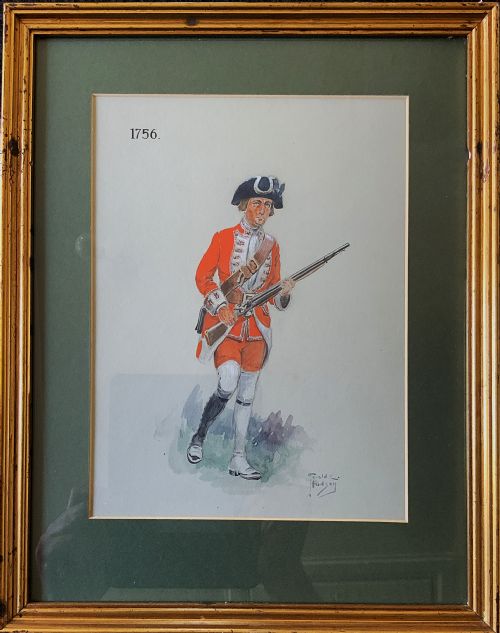
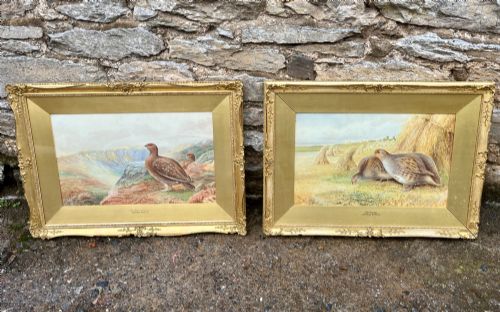
The selection includes formal portraits, military studies, botanical illustrations, hunting scenes and historical cartography. Artists recorded contemporary figures, landscapes and sporting events across various centuries.
Map engravings from seventeenth-century atlases and nineteenth-century lithographs of architectural subjects also feature prominently among the available works.
How do you distinguish an engraving from a lithograph?
An engraving exhibits physical indentation in the paper where the metal printing plate pressed into the damp sheet under heavy pressure. Lines appear sharp and slightly raised in cross-section.
Lithography relies on a chemical process using limestone or metal plates, producing flat marks without plate impressions. Lithographs often reveal a fine dot pattern or smooth tonal washes under magnification.
Where should these framed works be hung at home?
Display these pieces away from direct sunlight and high humidity to prevent paper degradation and fading of inks or watercolours. Stable interior walls maintain the longevity of the materials.
Positioning works at eye level in rooms with controlled light allows proper appreciation of the fine detail found in early engravings and drawings.