

Gilt Framed Panels
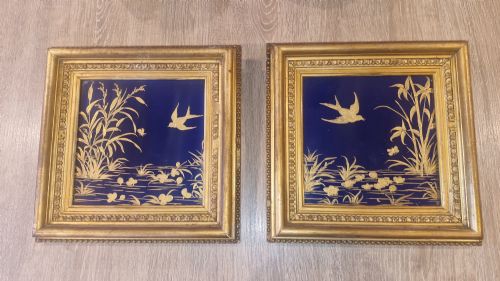
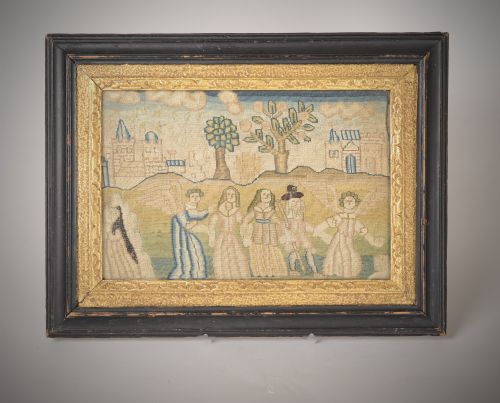
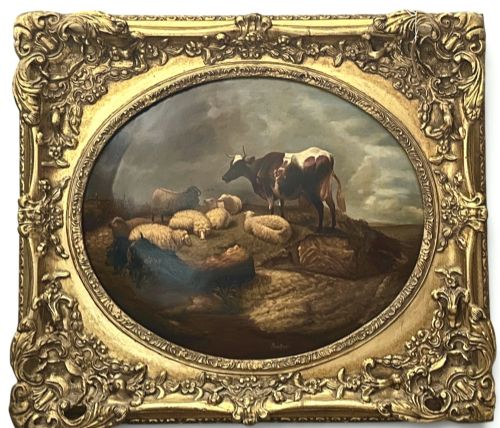
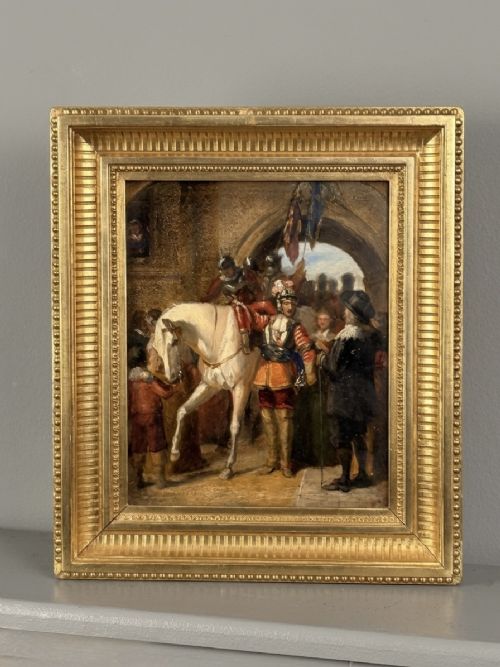
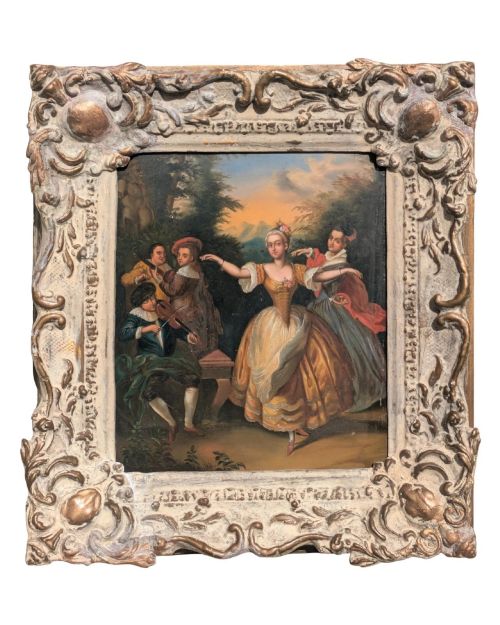
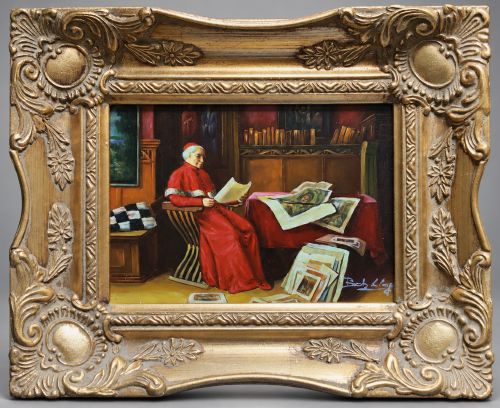
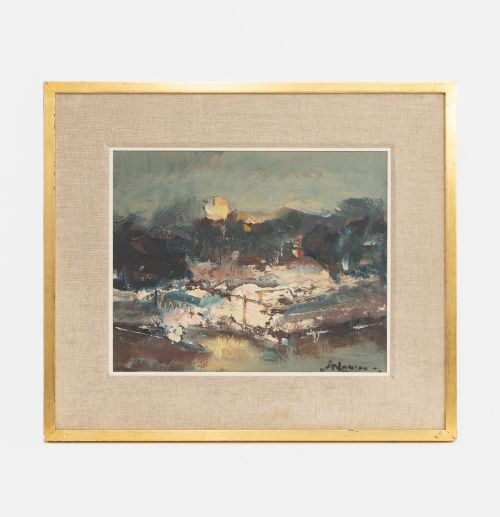
These gilt framed panels gather together centuries of oil paintings, embroidered silk pictures, porcelain plaques and wall mirrors.
Gilt Framed Panels
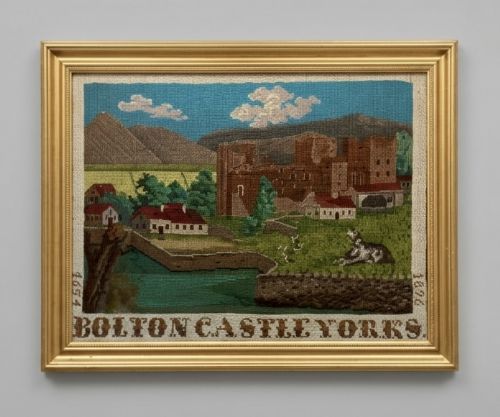
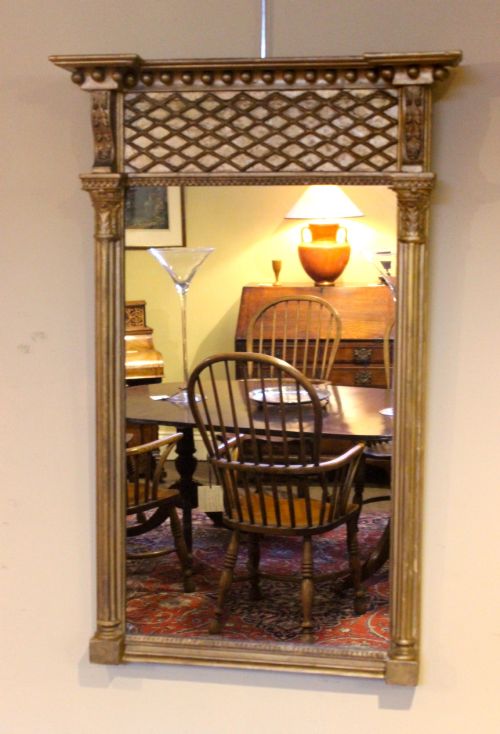
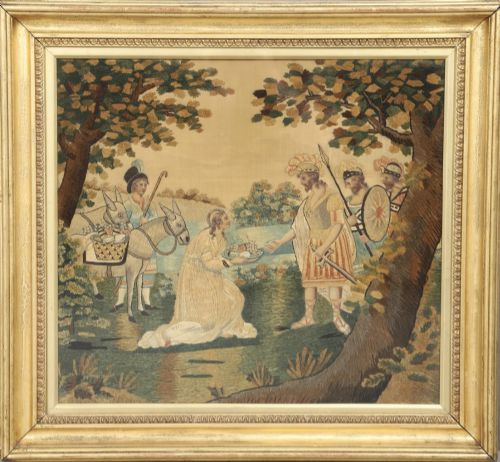
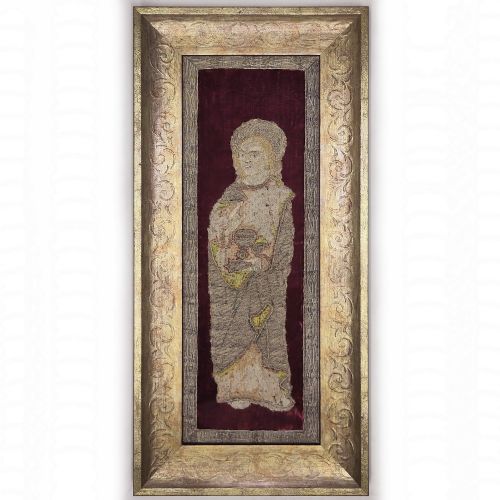
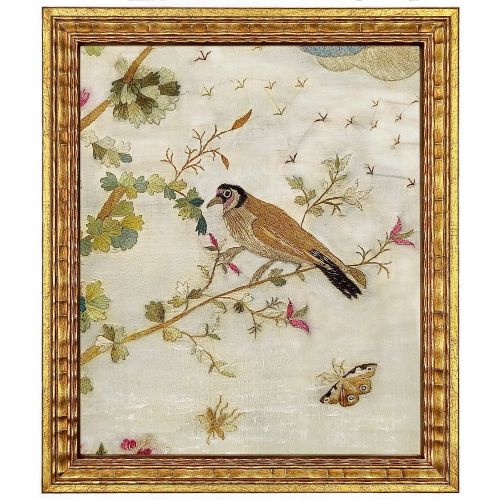
When you search for gilt framed panels, you find a diverse assembly of decorative works united by their presentation within gilded surrounds. The selections span from seventeenth-century oil paintings on oak panels and intricate embroidered textile art to nineteenth-century porcelain plaques and mirror glasses.
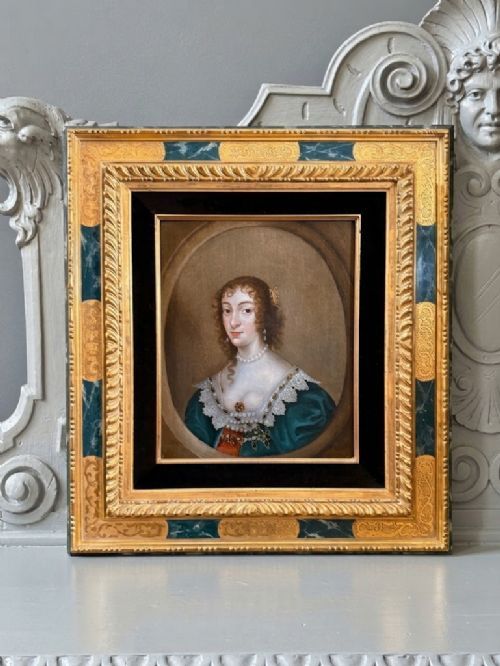
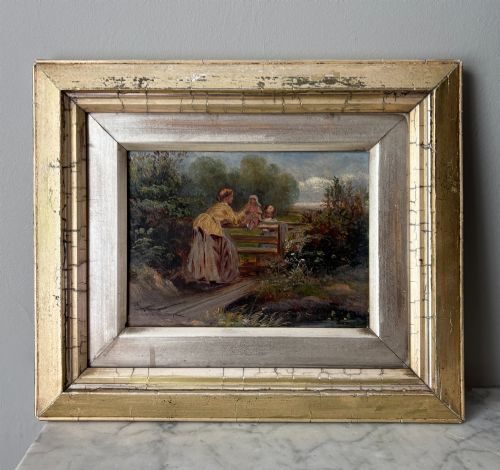
Oil paintings on wood panels form a substantial group within the material evidence, often depicting portraits, landscapes or historical scenes. These pieces capture centuries of artistic output across British, Dutch and broader European schools.
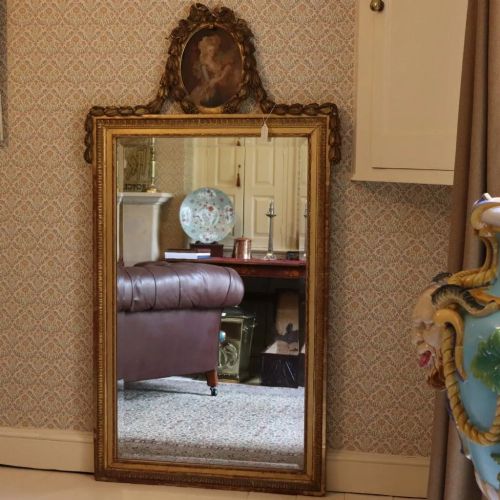
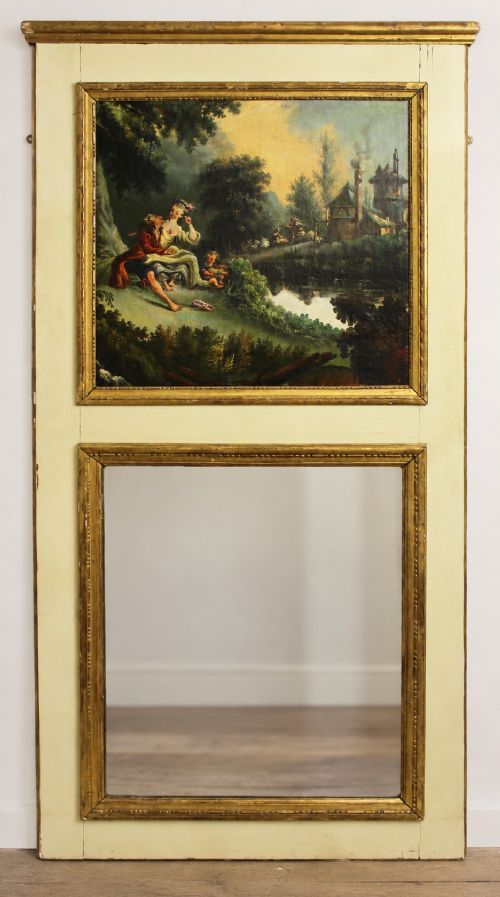
Other notable variants include needlework scenes, such as Berlin work and silk embroideries, alongside trumeau mirrors incorporating pastoral oil paintings. Each object demonstrates how makers historically combined decorative surrounds with fine art or craft.
Materials and construction
The physical objects rely heavily on wood panels and canvas supports housed within frames of giltwood, gesso and gold leaf. Wood panel supports, particularly oak, provide a stable foundation for oil paint and tempera applications.
Surrounds are frequently shaped from wood and finished with layers of gesso before the application of gold leaf. Textile works conversely employ silk, metal thread and wool stitched onto backing fabrics, then protected beneath glass or set into burr maple and gilt frames.
Gilt Framed Panels Retail Price Guide 2026
Typical asking prices for gilt framed panels among the pieces listed under this phrase on Sellingantiques today, from the lower quarter to the upper quarter. They describe what is for sale here now, not the wider market.
Listings feature oil paint, gesso, gold leaf, and glass across periods from the seventeenth century to the early twentieth century.
Factors determining quality
Distinctions in quality often rest upon the precision of the hand painting, the complexity of the needlework and the original integrity of the gilding. Masterful brushwork in oil paintings on panel or finely executed details in porcelain plaques elevate specific works above standard decorative items.
The preservation of the original gilt frame or housing also influences the character of the piece. Retaining period materials, untouched surfaces and authentic mounting indicates superior historical survival.
Joseph Clover RA·William Etty·Benjamin Eugene Fichel·Pierre Mignard
The Gilt Framed Panels Glossary
- Giltwood
- Wood that has been coated with gold leaf or gold paint. This finish creates a reflective and decorative border around paintings and mirrors.
- Gesso
- A paint mixture consisting of a binder mixed with chalk, gypsum, or pigment. It served as a smooth preparation base for laying down gold leaf on wooden frames.
- Verre eglomise
- A cold decoration technique where the back of glass is gilded and painted. It creates a mirror effect with decorative borders seen in pier glasses.
- Trumeau mirror
- A wall mirror featuring a painted panel or carved artwork set above the glass plate. These decorative items originated in France.
- Berlin work
- A type of coloured wool needlework popular in the nineteenth century. It used charted patterns printed on grid paper.
Gilt Framed Panels: Frequently Asked Questions
What periods do these panels represent?
The selections span multiple eras, ranging from the seventeenth century through the Georgian and Regency periods into the Victorian age and around nineteen hundred.
Earlier pieces often feature seventeenth-century British and Dutch oil portraits on wood, while later examples include nineteenth-century porcelain plaques and embroidered silk pictures.
How were these framed panels used historically?
Many served as focal points in period interiors, hung upon drawing room walls or integrated into architectural overmantels.
Some objects, such as trumeau mirrors, combined functional glass with pastoral paintings to decorate reception rooms and parlours.
Are all panels painted in oil?
Paintings on wood panels form a notable category, but the grouping encompasses various mediums including silk embroidery, wool needlework, tempera and porcelain.
Textile art and porcelain plaques demonstrate that makers utilised diverse materials beyond traditional canvas and oil paint.
How do I care for a gilt framed panel?
Gilded surfaces and antique wood require gentle maintenance away from direct sunlight and excessive moisture. Dusting should be done lightly with a soft brush to protect the delicate gold leaf and gesso layers.
Textiles and paintings behind glass benefit from stable indoor temperatures to preserve the historic materials.