




Gilt Framed Oil
A gilt framed oil painting brings historic depth and warmth to any interior through its luminous canvas and ornate metallic border.
Gilt Framed Oil
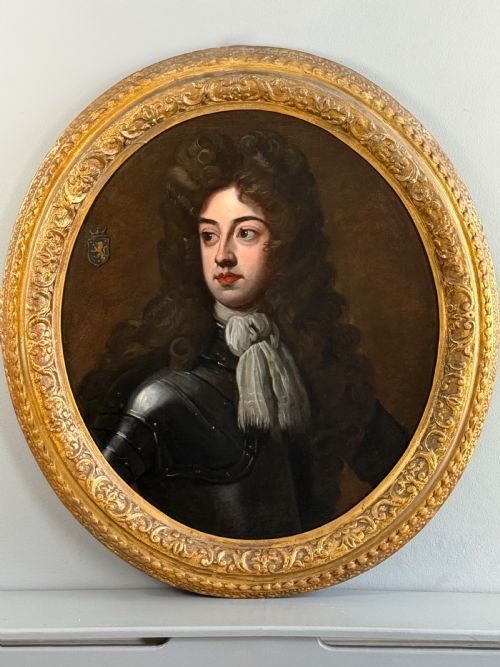
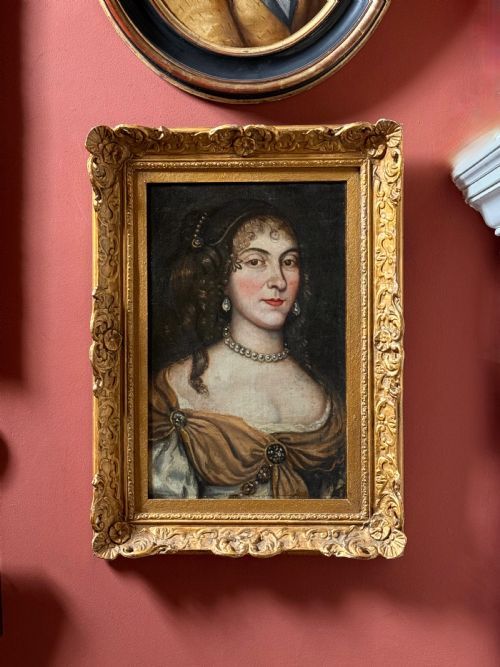
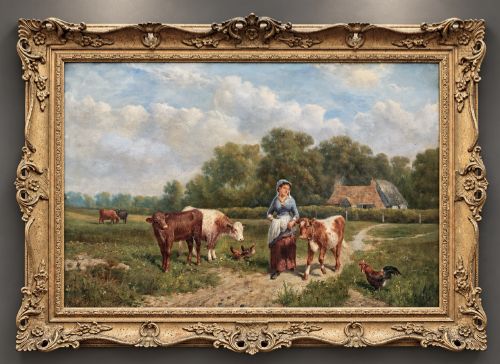
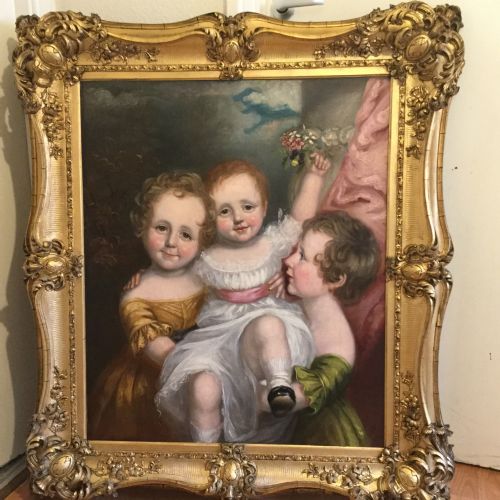
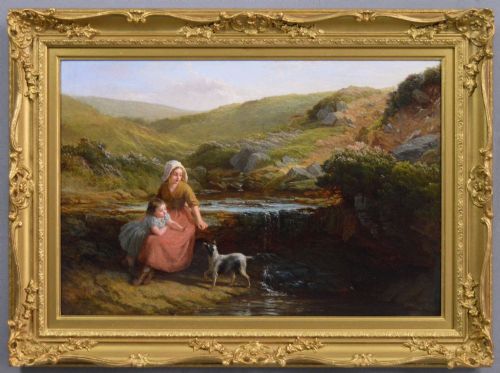
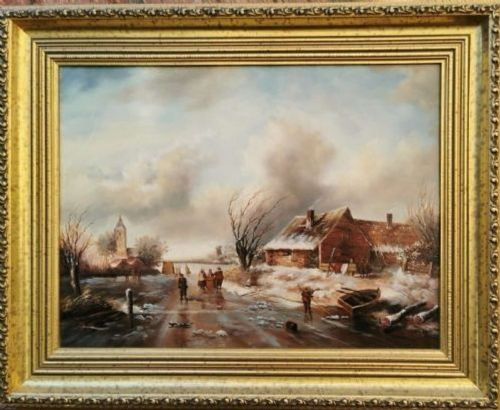
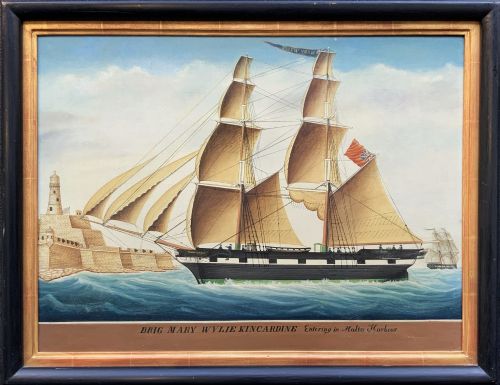
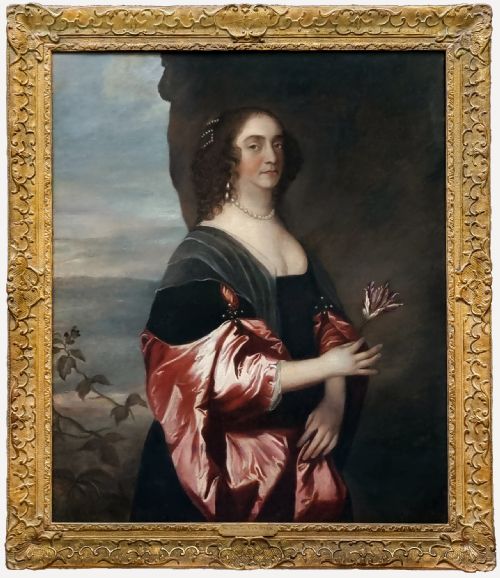
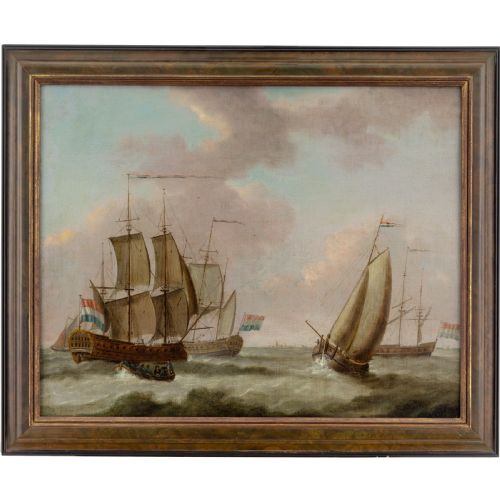
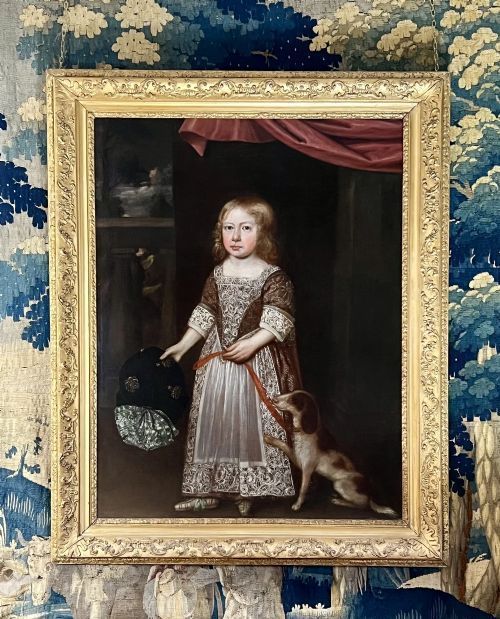
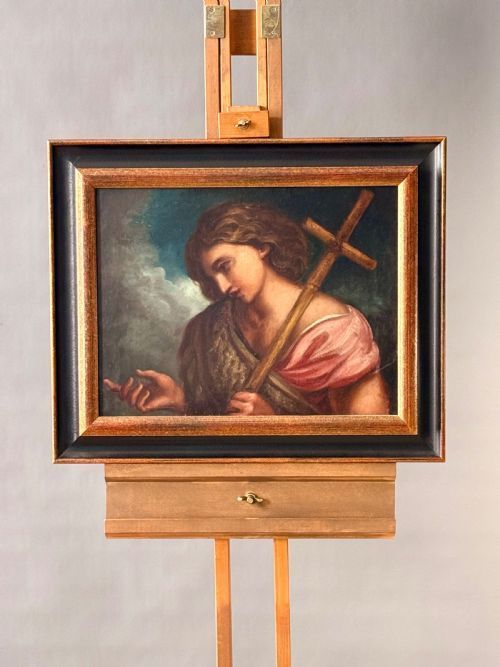
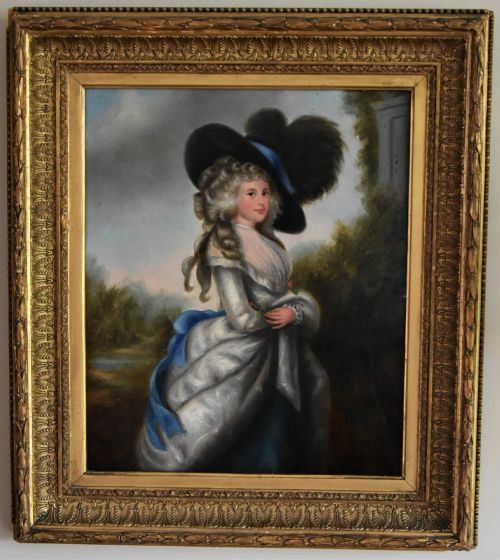
Buyers browsing for a gilt framed oil find a diverse array of fine art spanning several centuries, including seventeenth-century aristocratic portraits, nineteenth-century pastoral landscapes, and marine scenes. The selection encompasses both intimate panel paintings and monumental canvases housed within decorative surrounds.
Originating from British, French, and Flemish schools, these artworks capture subjects ranging from quiet domestic moments to dramatic coastal shipwrecks. The integration of period frames with historic oil paint creates a cohesive decorative object ready for immediate hanging.
How they were made
Makers applied oil paint onto prepared supports of woven canvas, rigid wooden panels, or board, building up rich layers of colour and texture. This medium allowed artists to achieve deep tonal gradations and luminous effects that endure across centuries.
The accompanying surrounds utilise carved wood finished with gold leaf or gilt composition, imparting a brilliant metallic sheen that complements the artwork. Joinery techniques on the frames vary from simple mitred corners to elaborate decorative mouldings.
Gentlemen in dark doublets share wall space with curious hare-coursing hounds and botanical explosions of poppies.
What varies in quality
The calibre of a piece rests upon the artist's command of anatomy, perspective, and light, distinguishing masterly brushwork from rigid or formulaic studio output. Superior examples display confident pigment application and psychological depth in portraiture or atmospheric harmony in landscapes.
Frame craftsmanship equally dictates overall excellence, separating hand-carved giltwood mouldings with crisp relief from later replacements or heavily restored surrounds. The harmonious relationship between the canvas and its original enclosure elevates the stature of the entire object.
Joseph Clover·Henry Barraud·George Armfield·Theude Grönland·Sir Joshua Reynolds·William Oliver·Richard Sebastian Bond·Jean-Baptiste Van Loo·William Beattie-Brown·Jozsef Molnar·Sir Martin Archer Shee·Felix Stone Moscheles·R Leyton·Georges de La Tour·Sir Anthony van Dyck·John Hayls·Sir Peter Lely·William Henry Williamson·Robert F Watson·Carlton Edwin Harris·William R Dommersen·Frederick J Sang·George F Gregory·Edward Callow·Constant Troyon
The Gilt Framed Oil Glossary
- Oil on Canvas
- A painting technique where pigmented oil is applied to a stretched woven fabric support. This method became dominant due to its durability and flexibility.
- Giltwood
- Timber that has been decorated with a thin layer of gold leaf or metallic powder. It provides a reflective, opulent border that enhances the framed artwork.
- Panel Painting
- An artwork executed on a flat piece of wood rather than fabric. These sturdy supports were particularly common in earlier periods before canvas predominated.
- Trumeau Mirror
- An antique wall glass featuring an oil painting set into the upper section of the wooden frame. This French decorative form combines functional reflection with integrated fine art.
- Impressionism
- A nineteenth-century artistic style characterised by relatively small, thin yet visible brush strokes and an emphasis on accurate depiction of light. Works in this manner capture fleeting visual moments.
Gilt Framed Oil: Frequently Asked Questions
How do I hang a heavy oil painting safely?
Secure the hanging wire or brackets directly into wall studs using appropriate fixings rated for the combined weight of the canvas and frame. Ensure the top of the piece sits at comfortable eye level to best appreciate the composition.
Verify that the wall material can support the load over time without shifting. Using a two-point hanging system distributes the weight evenly and keeps the artwork level.
Should I clean the gilt frame myself?
Dust the ornate wooden mouldings gently with a soft, dry brush to remove surface particles without disturbing the delicate metallic leaf. Avoid using water, chemical sprays, or abrasive cloths that can strip the historic finish.
Professional conservators should handle deep cleaning or repairs to damaged gilding. Gentle maintenance preserves the original patina and prevents accidental flaking of the gold.
Can I place an oil painting in direct sunlight?
Ultraviolet rays from direct sunlight degrade organic pigments in oil paint and accelerate the fading of colours across the canvas. Position the artwork on an interior wall away from harsh windows to maintain its visual integrity.
If natural light fills the room, consider UV-filtering glass or window treatments. Stable lighting protects both the painted surface and the underlying wooden support from warping.
How do I identify the period of a frame?
Examine the construction methods, corner joints, and the type of gesso applied beneath the gold leaf to determine the manufacturing era. Hand-carved wooden details and period-specific motifs reveal whether the surround is contemporary to the canvas.
Many historic paintings were reframed later in their lifespan to suit changing interior tastes. Inspecting the rabbet and backboards helps clarify the history of the pairing.