



Gilt Display Stand
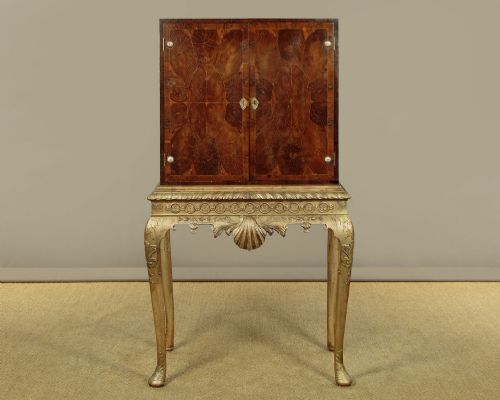
A gilt display stand raises precious objects into the light using carved surfaces and gilded finishes to command attention in a room.
Gilt Display Stand
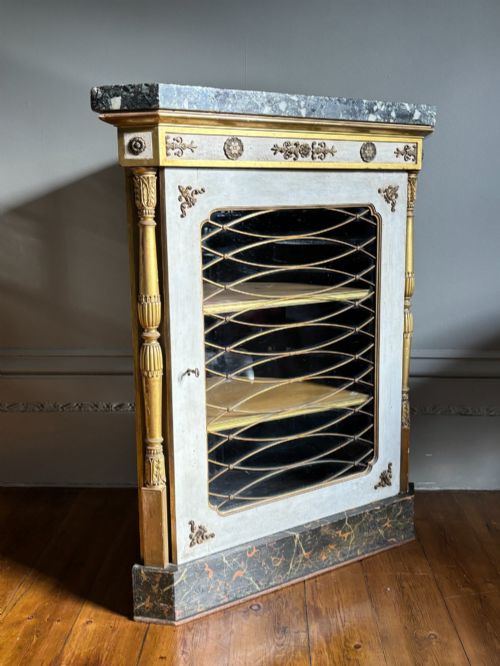
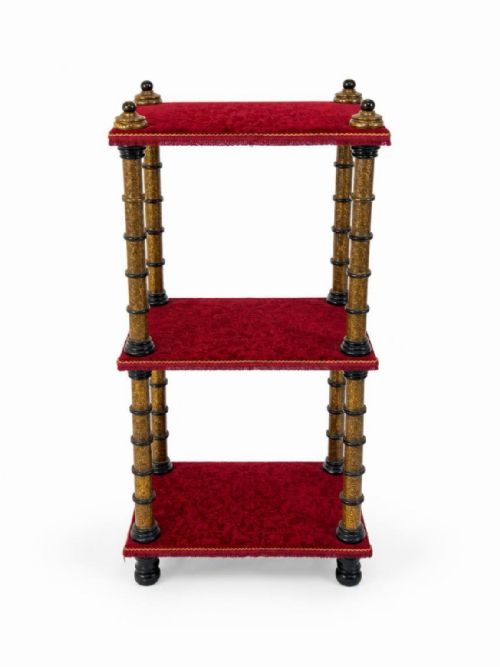
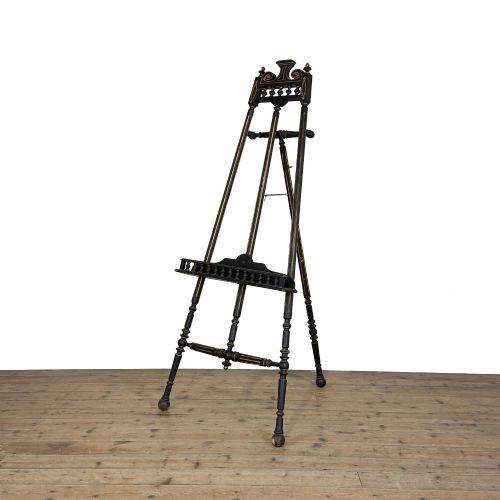
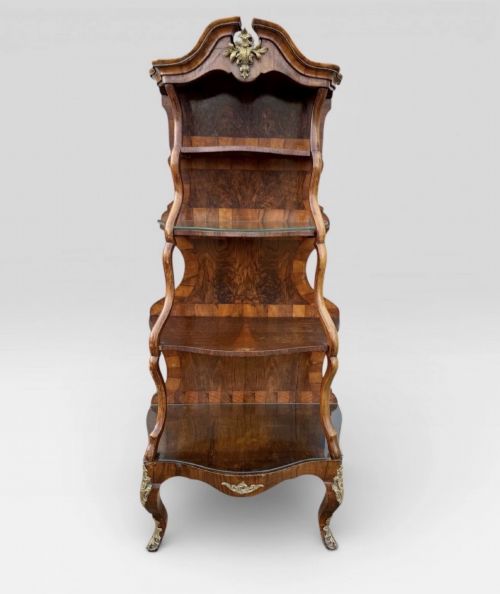
A gilt display stand encompasses vertical supports, multi-tiered étagères, and cabinets raised upon gilded frames designed to showcase decorative items. These pieces emerge primarily across the nineteenth and early twentieth centuries, spanning Victorian, Edwardian, and earlier eighteenth-century periods.
The material vocabulary centres on giltwood, brass, gesso, and gold leaf applied to wood bases, often accompanied by glass panels, marble tops, and ebonised timber. Surfaces carry stylistic influences ranging from French Rococo and Neoclassical designs to Chinoiserie and the Aesthetic Movement.
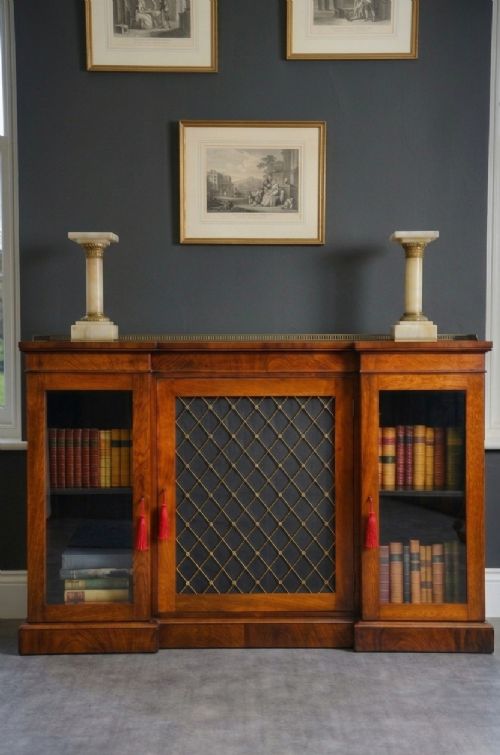
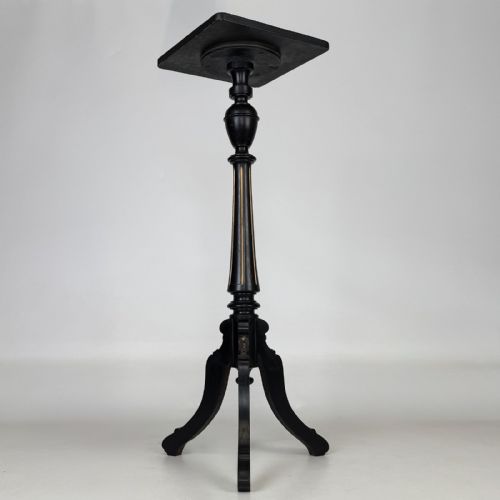
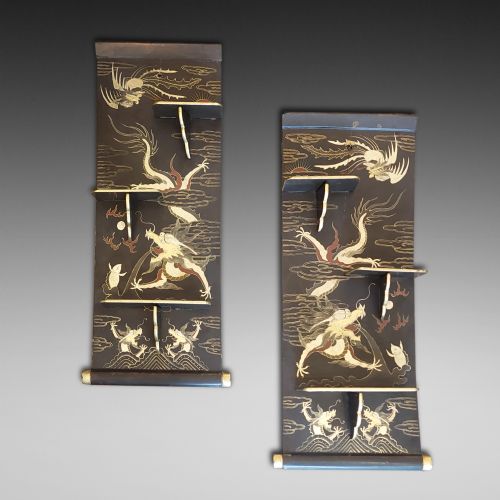
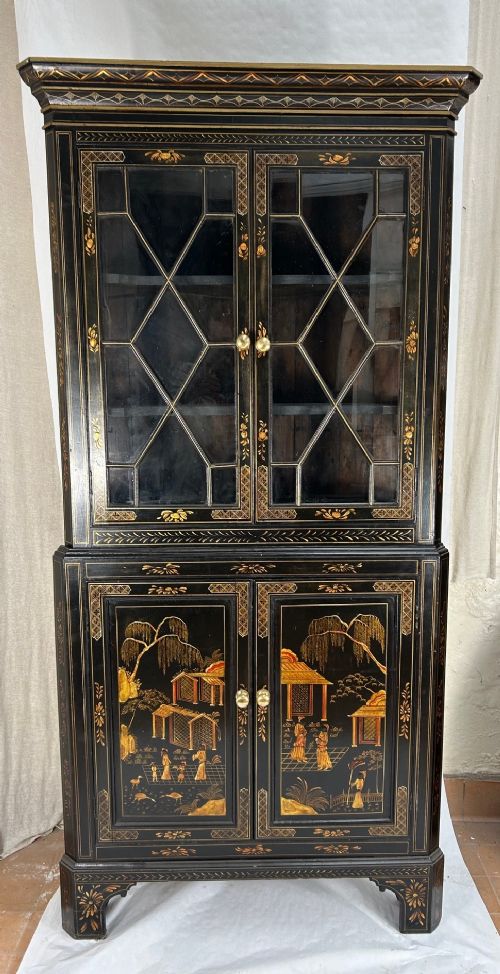
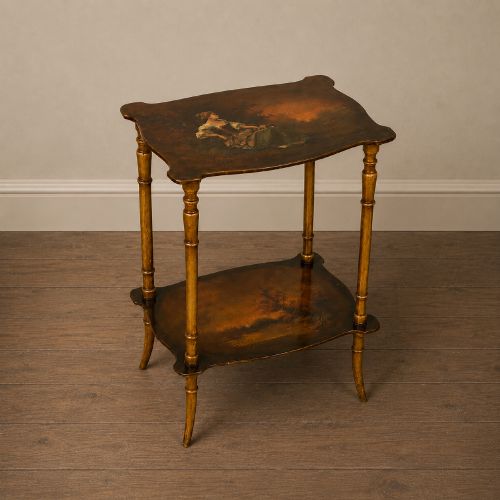
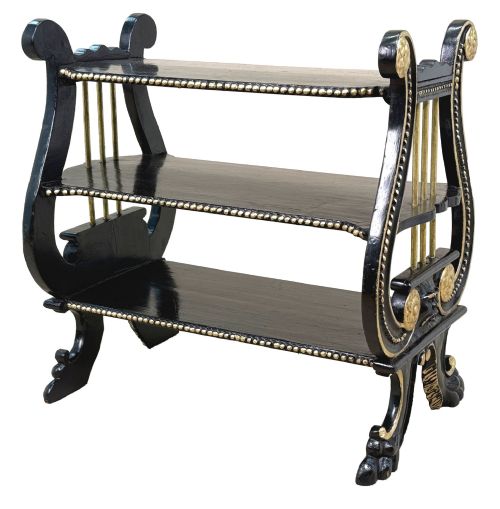
Buyers encounter pedestal stands, columns, display cabinets, and smaller tabletop frames or book troughs that elevate ornaments within domestic interiors. These formats reflect a Victorian and continental passion for arranged interiors where prized porcelain, fans, and miniatures could be closely inspected.
Materials and Technique
Craftsmen applied thin sheets of gold leaf or liquid gilding over layers of gesso and bole primed onto carved wooden frames. This traditional water-gilding technique provided the brilliant reflective sheen characteristic of period giltwood and parcel-gilded surfaces.
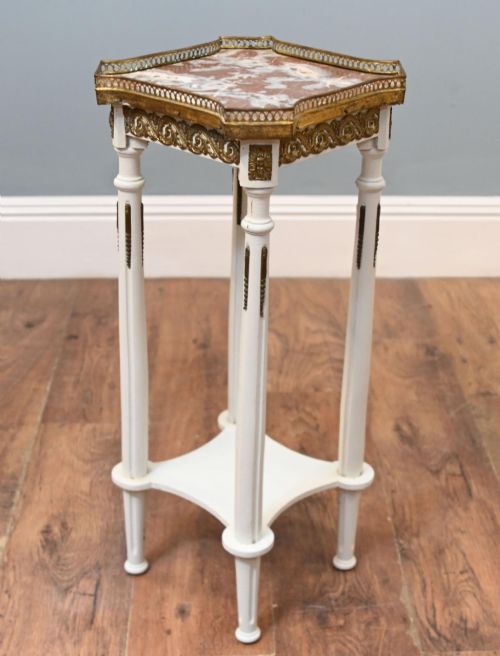
Structural integrity relied on dense timbers such as walnut, mahogany, and ebonised wood, sometimes combined with cast bronze or ormolu collars and mounts. Glazed panels and marble or onyx tops added weight and stability to tall columns, vitrines, and display cabinets.
Gilt Display Stand Retail Price Guide 2026
Typical asking prices for gilt display stand among the pieces listed under this phrase on Sellingantiques today, from the lower quarter to the upper quarter. They describe what is for sale here now, not the wider market.
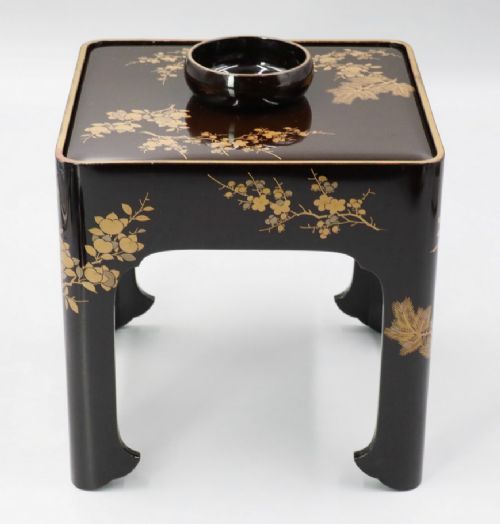
Victorian households loved miniature stages so much they even displayed tiny painted lacquer sake cups upon専用 stands.
Craftsmanship and Proportion
The finesse of the carved ornamentation dictates the distinction of a piece, separating crisp, hand-chiselled acanthus leaves and moulded gesso from mechanical or blunt detailing. Genuine depth in the carving and careful burnishing of the gold leaf reveal the hand of a skilled workshop.
Proportion and material harmony govern the architectural success of columns, pedestals, and etageres. High-grade examples balance the visual weight of heavy marble or onyx tops with robust internal framing and coherent stylistic ornament.
Gillow & Co.
The Gilt Display Stand Glossary
- Giltwood
- Timber that has been coated with gold leaf or powder over a prepared gesso ground. This finish provides a warm, metallic lustre that reflects candlelight and daylight.
- Ormolu
- Finely chased and gilt bronze mounts applied to furniture, pedestals, and clock cases. The technique originated in France and adds decorative contrast to dark woods and marble.
- Étagère
- A piece of furniture consisting of open shelves for displaying small objects or ornaments. These tiered stands developed in France and became popular across Victorian drawing rooms.
- Gesso
- A plaster mixture spread over wood and sculpted to form a smooth base for gilding. It allows intricate relief decoration to be carved before applying gold leaf.
- Vitrine
- A glass-fronted cabinet or display case designed to protect and exhibit porcelain, miniatures, and curiosities. Glazed sides allow light to reach the interior objects from multiple angles.
Gilt Display Stand: Frequently Asked Questions
What objects belong on a gilt display stand?
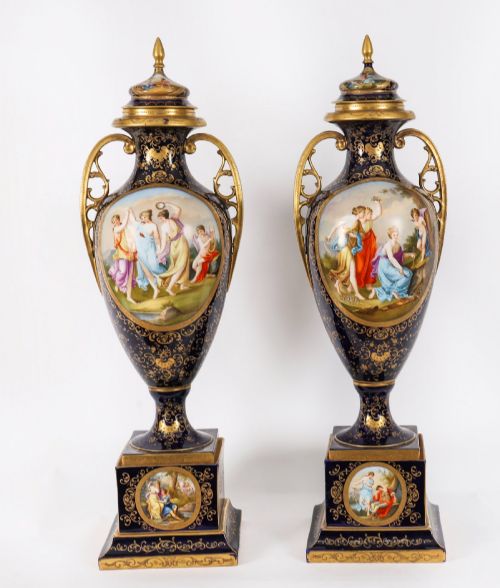
These stands are designed to elevate decorative items such as porcelain vases, pocket watches, portrait miniatures, and small bronzes.
Their primary purpose is to draw the eye upward and present cabinet treasures at a comfortable viewing height within a reception room.
How do I clean a gilded surface?
Dusting requires only a very soft, dry artist brush or a clean feather duster to protect the delicate gold leaf.
Water and chemical cleaning agents must be avoided entirely because moisture lifts the underlying gesso and strips the metallic finish.
Where should I place a display stand?
Tall columns and vitrines perform best against solid walls or in corners where foot traffic will not destabilise their weighted tops.
Smaller etageres and table stands suit occasional tables or cabinet tops where their tiered shelves can catch indirect natural light.
How do I identify Victorian pieces?
Victorian examples often combine ebonised wood with parcel gilding, drawing on Aesthetic Movement or heavy Rococo revival vocabularies.
Construction methods visible underneath, such as machine-sawn timbers or brass screw fittings, help distinguish mid-to-late nineteenth-century work from earlier hand-finished items.