



Gilt Claw Foot Table
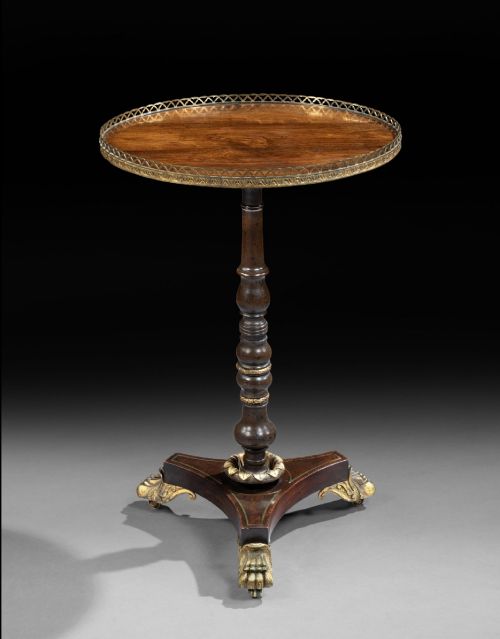
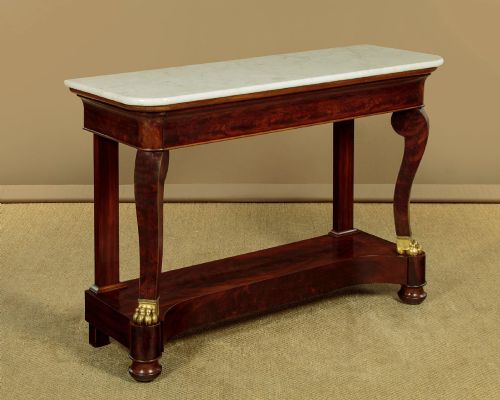
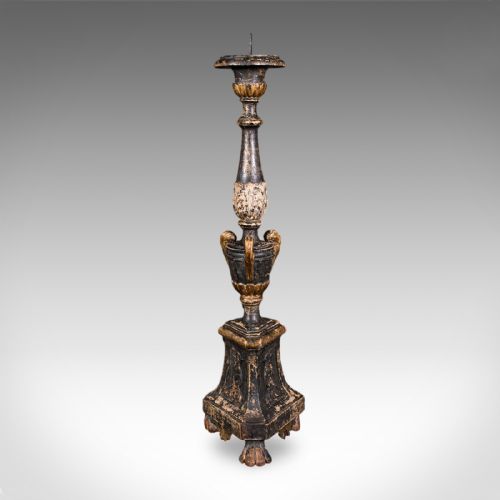
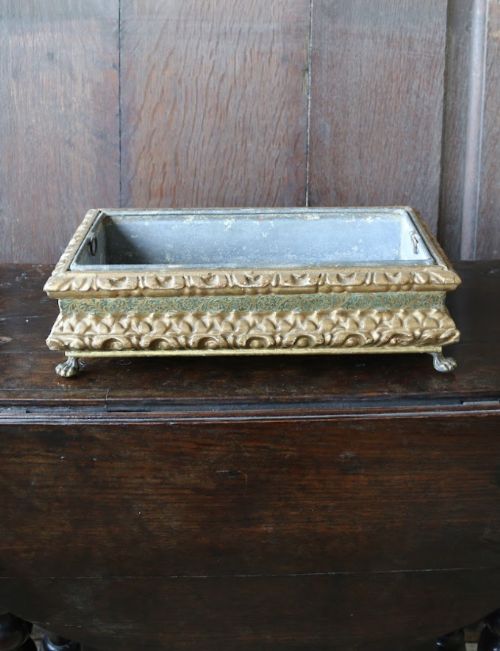
These gilt claw foot table pieces combine grand materials with animal paw supports, offering a dramatic accent for classical interiors.
Gilt Claw Foot Table
When you search for a gilt claw foot table, you are looking at surfaces and supports defined by gilded finishes and animal paw feet. The examples seen across these listings span centuries, running from seventeenth-century carved giltwood boxes and Italian Baroque pieces through to nineteenth-century centre tables and occasional tables with marble tops.
You are most likely to encounter nineteenth-century centre tables and occasional tables, often featuring marble tops alongside ebonised wood or giltwood frames. Forms extend beyond standard tables to include card tables, decorative boxes, and table lamps resting upon bronze, ormolu, or gilt metal paw feet.
Origin and period heavily influence the character of these items, with French Empire, Regency, and George II influences appearing frequently in the records. Whether dealing with a heavy marble-topped centrepiece or an occasional table, the shared vocabulary relies on gilded surfaces and distinct claw feet.
Materials and construction methods
Makers utilised solid timbers such as ebonised wood and kingwood as foundations for decorative schemes involving gold leaf, giltwood, and ormolu. Carved wooden frames receive layers of gold leaf or gilt metal application to achieve a bright, reflective surface finish.
Heavy stone tops, notably marble and onyx, sit atop these frames, supported by cast bronze, brass, or gilt metal mounts shaped into animal paws. Construction relies upon traditional joinery for the wooden carcasses combined with precise metal casting for the claw feet and decorative trims.
Gilt Claw Foot Table Retail Price Guide 2026
Typical asking prices for gilt claw foot table among the pieces listed under this phrase on Sellingantiques today, from the lower quarter to the upper quarter. They describe what is for sale here now, not the wider market.
Listings feature periods spanning from the seventeenth century through to the 1930s, alongside materials including marble, onyx, ormolu, and ebonised wood.
Judging the standard of manufacture
The distinction between tiers of the market lies in the crispness of the carving and the quality of the gilding applied to the wood or metal. Superior examples display sharply defined claws on the feet and smooth, even applications of gold leaf or ormolu rather than flat, uniform paint.
Material selection for the top surface also separates standard items from finer pieces, particularly where heavy slabs of marble or polished onyx are fitted flush to the frame. The integration of bronze mounts and the weight of the underlying timber structure dictate the overall rigidity and finish.
The Gilt Claw Foot Table Glossary
- Giltwood
- Timber that has been coated with a thin layer of gold leaf or gold paint. This technique creates a rich, metallic appearance across frames and carved furniture.
- Ormolu
- Finely ground high-carat gold applied to a bronze base object through mercury gilding. It provides a durable and brilliant finish found on mounts and decorative objects.
- Ebonised wood
- Timber treated to resemble ebony, typically through staining or painting dark. It provides a high-contrast dark background that highlights gilt elements.
- Centre table
- A freestanding table designed to be viewed from all sides, placed in the middle of a room. These frequently feature decorative tops of marble or marquetry.
- Regency
- A British design period spanning the early nineteenth century, noted for classical revival motifs, French influence, and frequent use of animal paw feet.
Gilt Claw Foot Table: Frequently Asked Questions
What is a gilt claw foot table?
A gilt claw foot table is a piece of furniture featuring a gilded finish, such as gold leaf or ormolu, supported by feet carved or cast in the shape of animal paws. These items appear in forms ranging from heavy centre tables with marble tops to smaller occasional tables.
The style draws heavily from historical periods including the Regency, French Empire, and Georgian eras, combining grand decorative surfaces with classical structural supports.
How do I style a centre table?
Centre tables are designed to sit freestanding in the middle of a room rather than pushed against a wall. Their decorated surfaces and detailed bases make them natural focal points for an interior.
Keep the top uncluttered to showcase the marble, wood, or gilt surface, perhaps using a single decorative object like a bronze lamp or a carved box that echoes the period.
How do I identify a Regency period piece?
Regency pieces typically exhibit strong classical influences, drawing inspiration from ancient Greek, Roman, and Egyptian design. Look for clean architectural lines combined with contrasting materials like ebonised wood and gilt metal mounts.
The presence of cast bronze paw feet and specific proportions helps separate nineteenth-century Regency and Empire items from later revival pieces.
What is the difference between ormolu and giltwood?
Ormolu refers specifically to gilded bronze, where finely ground gold is applied to a cast metal base. It is commonly found on decorative mounts, lamp bases, and table feet.
Giltwood is timber that has been covered with gold leaf or metallic paint. While both provide a golden appearance, ormolu offers the weight and crisp casting of metal, whereas giltwood displays the grain and carved texture of wood beneath.