



Gilt Chalice
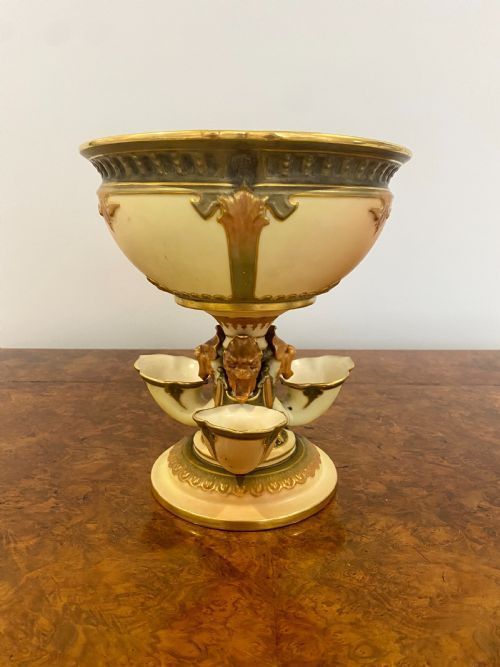
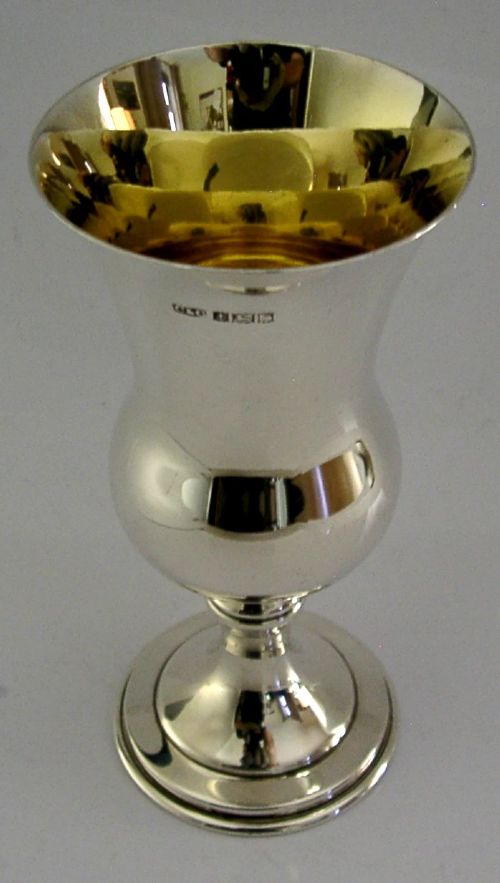
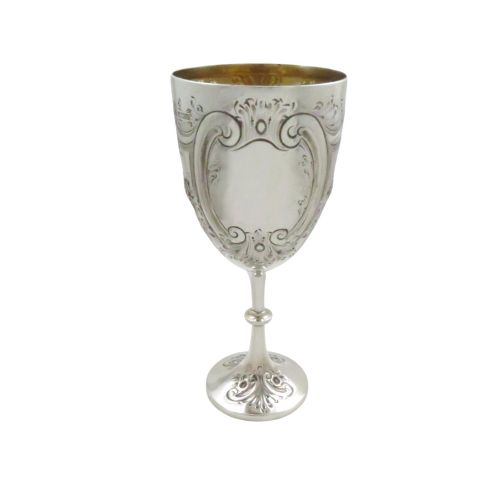
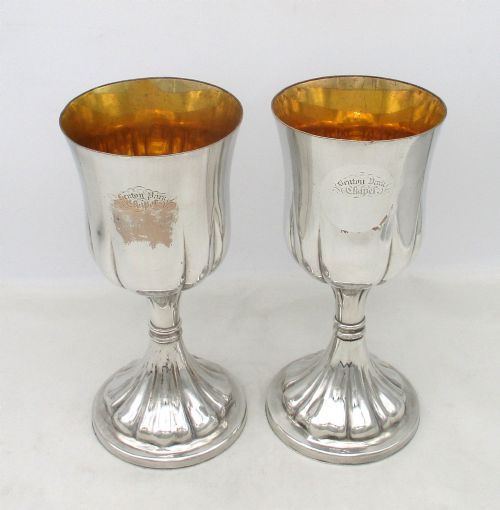
These gilt chalice pieces are historic vessels and decorative objects shining in gold leaf, silver gilt, and gilt bronze, bringing centuries of ritual and artistry straight to your table.
Gilt Chalice
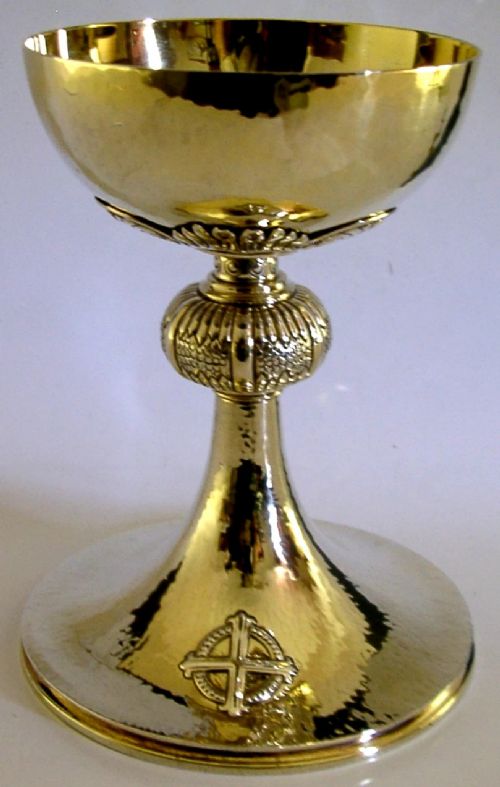
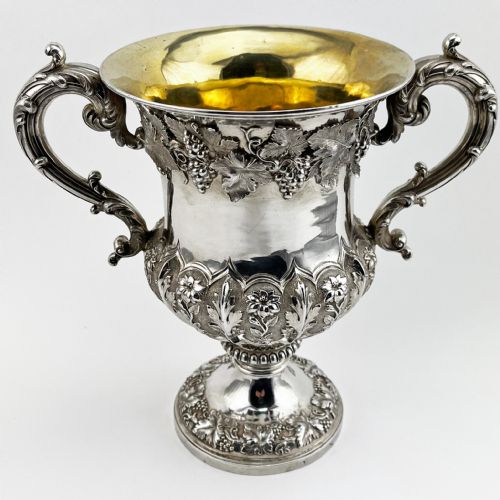
A gilt chalice search covers a striking range of historical drinking vessels, church plate, and decorative metalwork spanning from the nineteenth century back to earlier periods. Buyers are most likely to encounter nineteenth-century examples, including sterling silver parcel gilt goblets, Old Sheffield plate communion chalices, and ornate pairs of Bohemian gilt glass glassware.
The form often overlaps with wine goblets, loving cups, trophies, and architectural ciboria, reflecting both sacred church functions and secular ceremonial displays. These objects showcase diverse regional craftsmanship, from English sterling pieces to French Grand Tour bronze urns.
Materials and construction
Construction relies heavily on precious metals and base metals treated with gold, including sterling silver, silver plate, Old Sheffield plate, copper, and gilt bronze. Artisans applied gold leaf and gold gilt techniques to enrich the surfaces, creating rich golden finishes that endure across centuries.
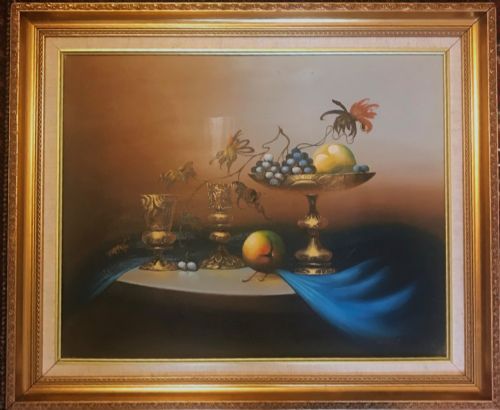
Other examples utilise specialised media such as oil paint on canvas, decorative glass, and lustrous ceramic finishes like the Wedgwood lustre Melba cup. These varied techniques highlight the adaptability of the form across different decorative arts traditions.
Gilt Chalice Retail Price Guide 2026
Typical asking prices for gilt chalice among the pieces listed under this phrase on Sellingantiques today, from the lower quarter to the upper quarter. They describe what is for sale here now, not the wider market.
One recorded artist spent their time immortalising apples and grapes in an oil portrait while metalworkers hammered out communion cups.
Assessing quality
Quality rests upon the crispness of the chasing, engraving, and surface gilding, distinguishing master workshops from standard production. The weight of the metal, the balance of the proportions, and the integrity of the base material define the upper tier of these vessels.
Preservation of the original gold gilt or leaf layer directly influences desirability, alongside the clarity of hallmarks and the provenance of the maker. Pieces that retain their structural form and surface brilliance without heavy intervention command greater appreciation.
Jozsef Molnar·Makeig-Jones Wedgwood·Adelbert Niemeyer
The Gilt Chalice Glossary
- Parcel Gilt
- A method where only specific portions of a silver object are gilded, leaving other areas in contrasting polished silver.
- Old Sheffield Plate
- A fused composite material made by melting a sheet of silver to a copper ingot, prominent in nineteenth-century production.
- Jugendstil
- The continental European manifestation of Art Nouveau, characterised by flowing organic lines seen in early twentieth-century glass.
- Grand Tour
- Cultural travel undertaken by wealthy Europeans in the nineteenth century, acquiring classical souvenir bronzes and urns.
Gilt Chalice: Frequently Asked Questions
What is a gilt chalice?
A gilt chalice is a ceremonial or decorative cup fashioned from metal and coated in gold leaf or wash. These items range from church communion vessels to secular drinking goblets.
They serve as both historical artefacts and decorative centrepieces, reflecting the metalworking traditions of their respective periods.
How were church chalices used?
Church chalices held sacramental wine during religious communion services. Their gilded interiors ensured the wine did not touch base metals.
Over time, many transitioned from active ecclesiastical use into private collections and decorative displays.
How do I care for gilt metal?
Gilt metal requires gentle dusting with a soft, dry cloth to protect the delicate gold leaf or wash. Avoid abrasive cleaning agents and chemical dips that strip the gilding.
Maintaining stable indoor humidity prevents tarnishing and preserves the underlying silver, copper, or bronze structures.
How do I date a silver chalice?
Dating relies heavily on official hallmarks, maker marks, and stylistic indicators associated with periods like the Victorian era or Edwardian years. Assay office symbols and date letters stamped into the silver provide precise manufacturing years.
Stylistic cues such as neoclassical proportions or Jugendstil curves further narrow down the era of production.