
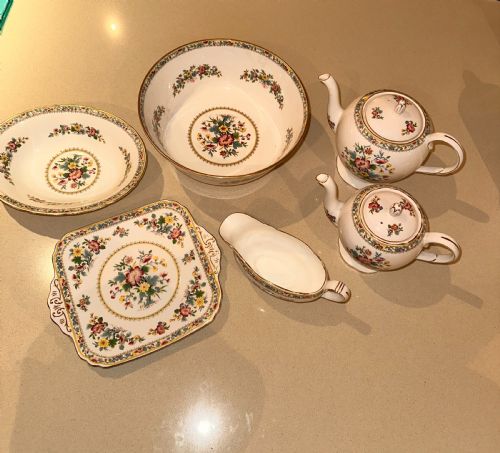
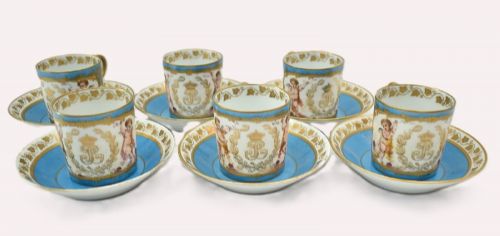


Gilt Ceramic Tea Set
A gilt ceramic tea set brings metallic warmth to the table, combining porcelain bodies with hand-applied gold leaf.
Gilt Ceramic Tea Set
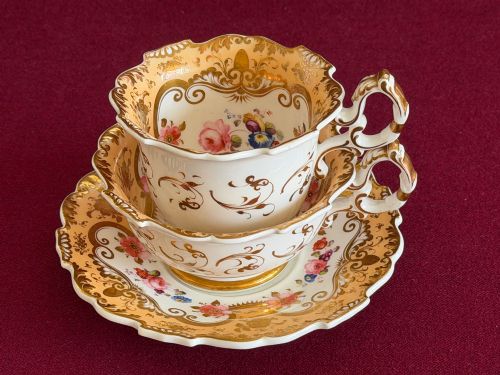
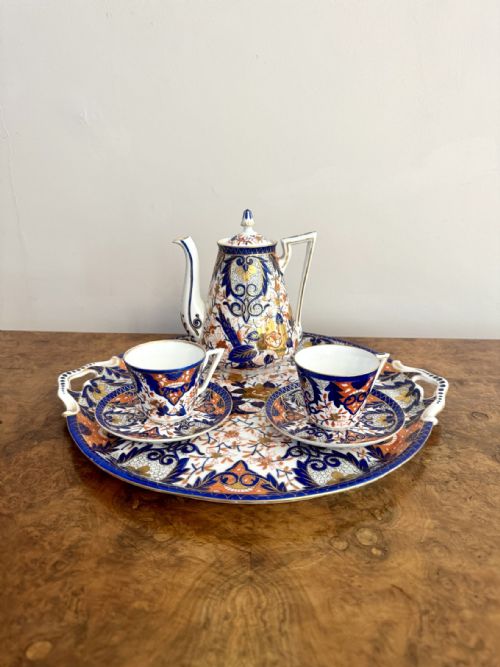
A gilt ceramic tea set comprises matching vessels for serving tea or coffee, decorated with metallic gold highlights. When you search for a gilt ceramic tea set, you encounter groupings that range from small trios to extensive services for ten or more guests.
The objects on this page appear in various forms, including traditional teacups and saucers, complete tea services, and dedicated coffee sets. Makers across the eighteenth, nineteenth, and early twentieth centuries produced these wares for formal entertaining and display.
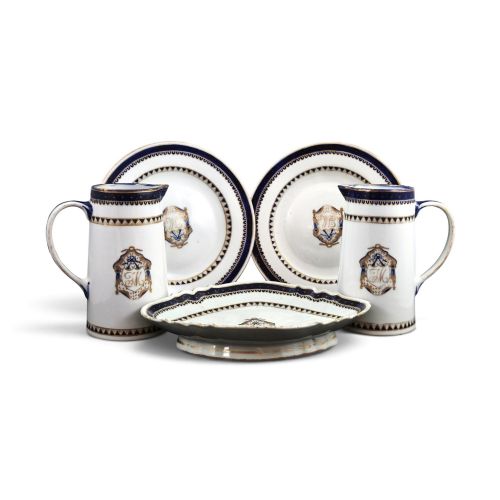
English factories such as Worcester, Derby, and Coalport represent a significant portion of the available pieces. Alongside domestic makers, Chinese Export porcelain and European workshops provide alternative aesthetic traditions within the category.
Materials and technique
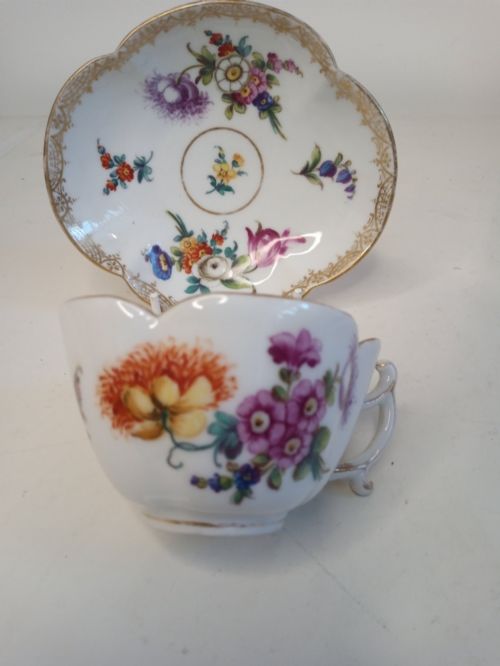
Potters shaped these vessels from ceramic bodies, predominantly porcelain and bone china, alongside earthenware. Artisans then applied enamel colours by hand before finishing the designs with gold leaf or liquid gilding.
Firing techniques allowed enamel and gilt details to fuse permanently to the ceramic surface in kiln environments. Many pieces incorporate hand-painted motifs alongside gilded borders, requiring skilled brushwork and precise temperature control.
Listings span multiple centuries, ranging from eighteenth-century Chinese Export porcelain to early twentieth-century earthenware and bone china sets.
Assessing quality
Quality rests in the crispness of the hand-painted details and the purity of the porcelain body. Thinner, more translucent porcelain indicates superior manufacturing standards compared to heavy earthenware alternatives.
The application of the gold leaf also dictates the grade of the piece, with burnished, thick gilding outlasting thin painted washes over decades of use. Complete sets maintaining matching saucers, cups, and pots command greater consideration than partial trios.
A H & R Daniel·Royal Worcester·Royal Davenport·Ahrenfeldt & Asalvary·Russian Imperial Porcelain Manufactory
The Gilt Ceramic Tea Set Glossary
- Gilding
- The application of gold leaf or gold dust to the ceramic surface. This process highlights rims, handles, and painted motifs.
- Trio
- A matching set comprising a teacup, a saucer, and a matching side plate. Trios represent a standard unit in nineteenth-century collections.
- Bone china
- A type of soft-paste porcelain containing bone ash. It produces a strong, brilliant white body suitable for intricate tea wares.
- Enamel
- Opaque glass-like paint applied over the glaze and fired at lower temperatures. It provides the vibrant colours seen on painted tea services.
- Chinese Export
- Porcelain manufactured in China specifically for Western markets. These services often display monograms or Western armorial designs.
Gilt Ceramic Tea Set: Frequently Asked Questions
How do I date an antique tea set?
Dating relies on maker marks stamped or painted on the underside of the ceramic pieces. Shape styles and decorative motifs also provide clear indicators of the period of manufacture.
Comparing the baseline forms against known factory production dates narrows down the decade of creation. Written clues in the titles, such as specific royal periods, help confirm the era.
Can I use these tea sets for daily tea?
Most antique porcelain and bone china sets tolerate careful hand washing, though age requires gentle treatment. Avoiding abrasive sponges preserves the delicate enamel and gold leaf.
Hot liquids do not harm glazed ceramic, but thermal shock from boiling water poured into freezing cups risks cracking old bodies.
What is the difference between a trio and a service?
A trio consists of a single cup, saucer, and plate designed for one person's tea drinking. A service includes multiple cups, saucers, teapots, and serving vessels for groups.
Services cater to larger gatherings, whereas trios function as modular components or cabinet display pieces.
Why is some gilding worn off?
Centuries of washing and regular handling gradually wear away surface gold leaf, particularly on cup rims and handle edges. Thicker burnished applications resist this friction better than thin painted washes.
Wear patterns indicate how actively a set was used in past households before entering collections.