
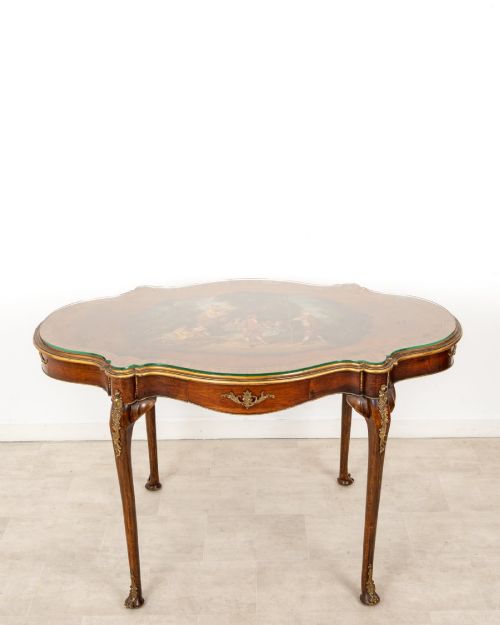
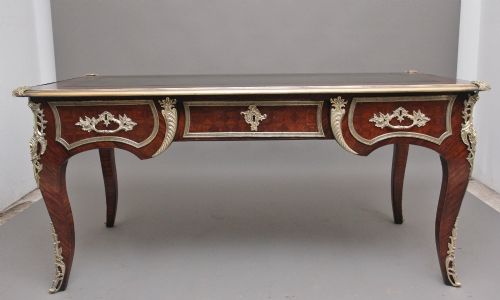
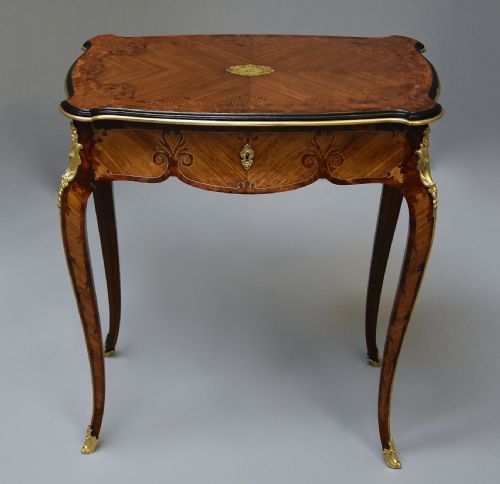
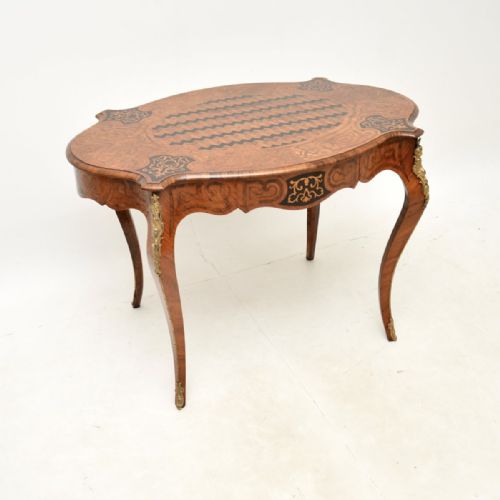
Gilt Cabriole Leg Table
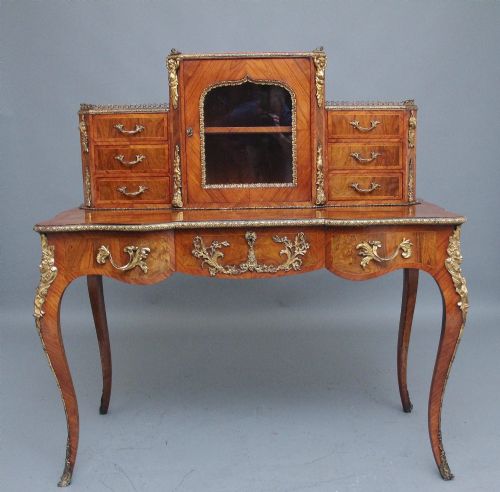
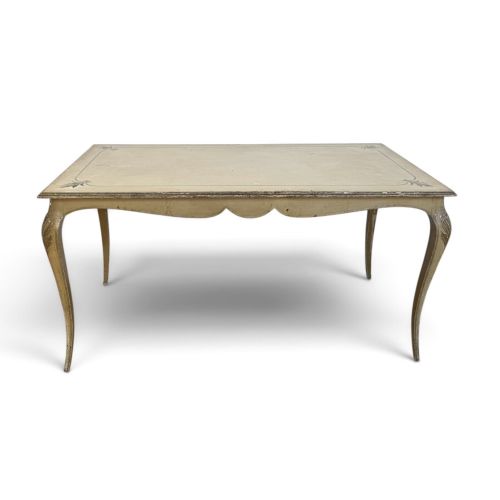
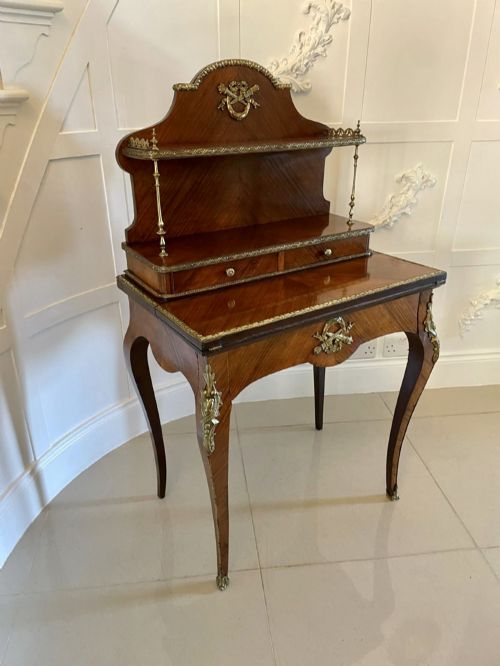
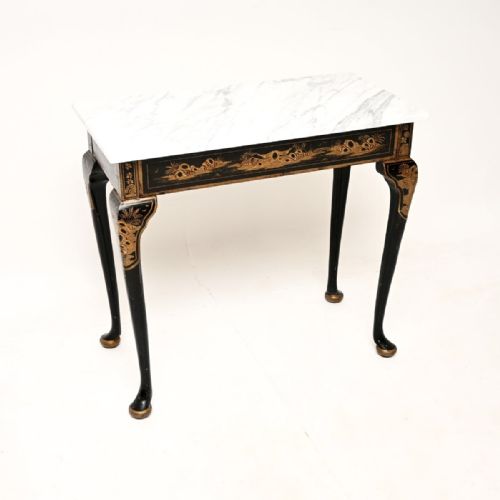
These gilt cabriole leg table pieces bring French Rococo revival elegance to a room through curved supports and gilded mounts.
Gilt Cabriole Leg Table
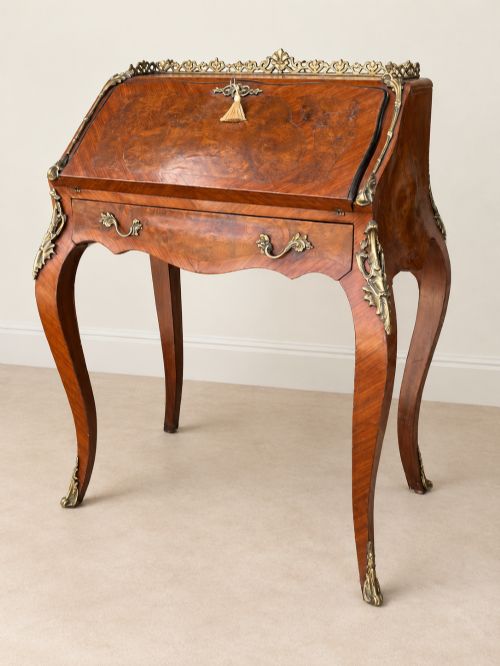
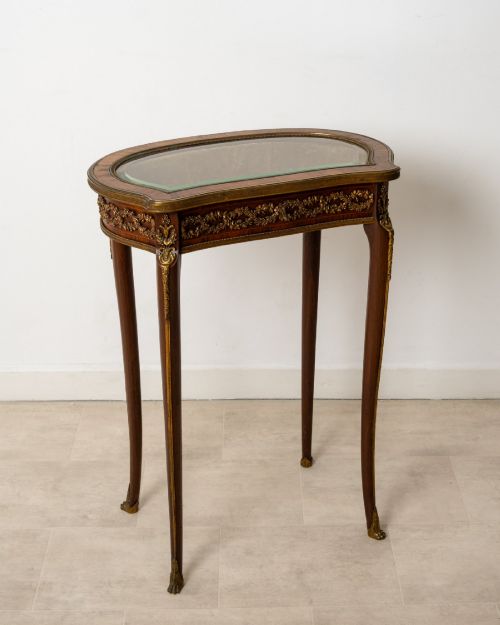
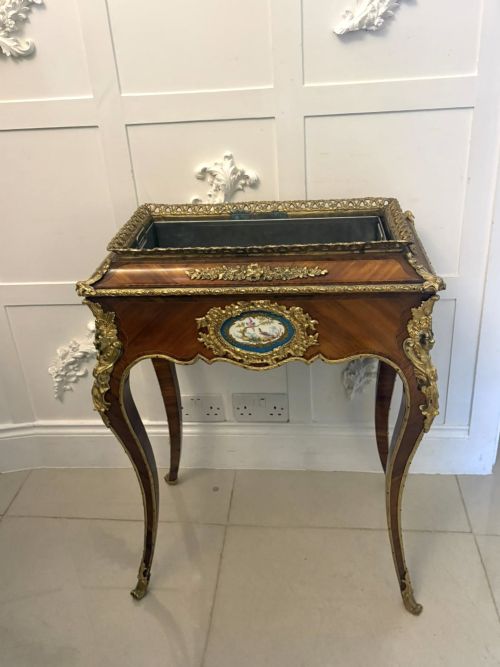
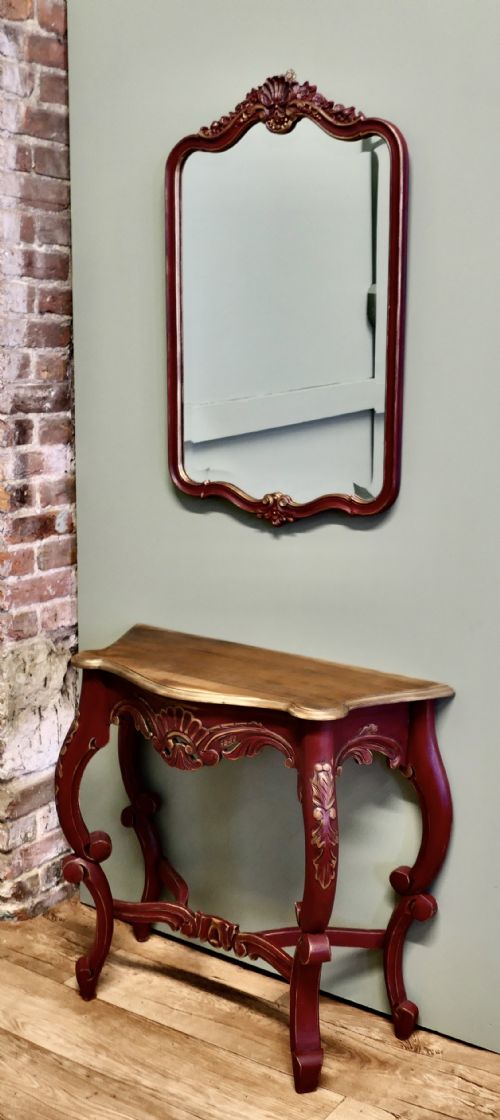
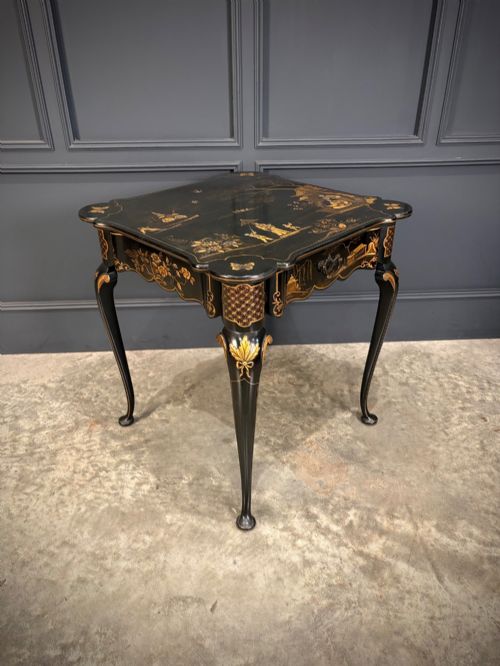
A gilt cabriole leg table combines the distinctive S-curved leg form with gilded metal mounts, drawing heavily on French stylistic revivals. When searching this phrase, buyers encounter various forms designed for display and writing.
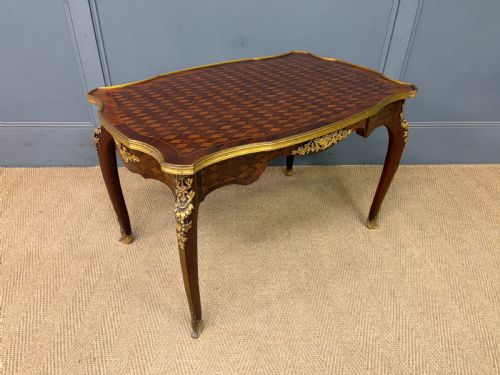
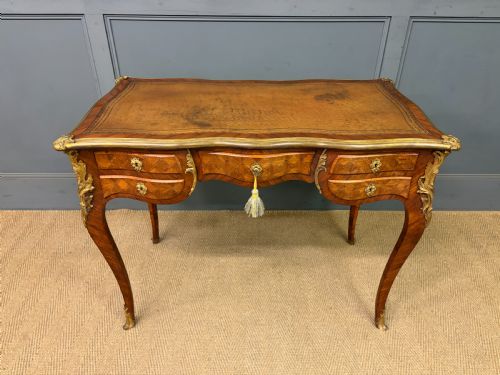
The selection here leans heavily towards nineteenth-century pieces influenced by Louis XV and Napoleon III aesthetics. Centre tables, writing desks, and occasional tables dominate the items available.
Makers from the nineteenth century adapted historical forms into functional furniture for period interiors. Walnut, kingwood, and mahogany provide the foundational timber structures for these works.
Materials and construction
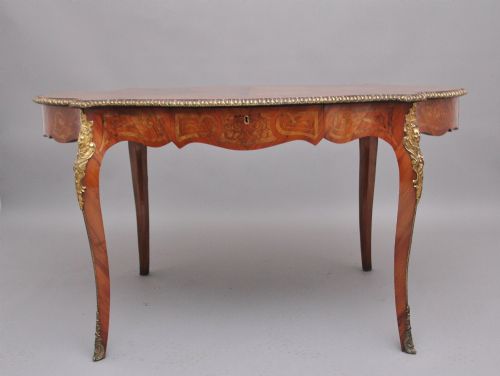
Craftsmen utilised dense hardwoods such as kingwood, rosewood, and mahogany as the base structure for marquetry and parquetry patterns. Veneers were carefully arranged to create geometric and floral designs across table tops and drawer fronts.
Ormolu and gilt bronze mounts were cast and chased then fixed to corners, edges, and legs. These metal elements accentuate the sweeping lines of the cabriole supports.
Several desks conceal writing mechanisms designed for secret correspondence.
Distinguishing quality
Quality rests in the crispness of the bronze chasing and the precision of the timber inlay. Superior pieces exhibit seamless integration between the gilt mounts and the wooden chassis.
Maker attribution and the complexity of mechanisms, such as those found on writing tables, elevate specific pieces above standard production work.
François Linke·Edwards and Roberts·Joseph Emmanuel Zwiener·Durand·CH Jeanselme and Co·Millet
The Gilt Cabriole Leg Table Glossary
- Cabriole leg
- An S-curved furniture leg inspired by animal limbs that tapers outward and then inward to a foot. This form became central to eighteenth-century furniture and later revival periods.
- Ormolu
- Gilded bronze mounts applied to furniture edges and legs for decoration. The technique involves applying a gold amalgam to cast bronze.
- Marquetry
- The art of applying thin pieces of wood veneer to a structure to form decorative patterns. Craftsmen use various timber species to achieve natural colour variations.
- Bureau plat
- A flat-topped writing desk fitted with drawers, often freestanding and finished on all sides. These desks frequently feature leather writing inserts and gilt bronze mounts.
- Parquetry
- Geometric wood veneer patterns arranged in repetitive motifs such as cubes or chequers. This technique decorates table tops and cabinet surfaces.
Gilt Cabriole Leg Table: Frequently Asked Questions
How do I identify a Louis XV style table?
Look for asymmetrical curves, floral marquetry, and prominent cabriole legs terminating in sabots. These design elements reflect eighteenth-century French taste revived during the nineteenth century.
Gilded bronze mounts often trace the contours of the apron and legs to highlight the fluid silhouette.
Where were these tables placed originally?
Centre tables stood in the middle of principal reception rooms as decorative display pieces. Writing desks and bureau plat models served private studies and salons.
Smaller occasional tables moved easily around rooms to hold lamps or decorative objects.
How should I care for a gilt bronze mount?
Dust gently with a soft dry cloth to prevent dirt accumulation in the crevices of the chased metal. Avoid chemical cleaners that can strip the original gilding.
Maintain stable room humidity to protect both the timber structure and the metal fixings.