
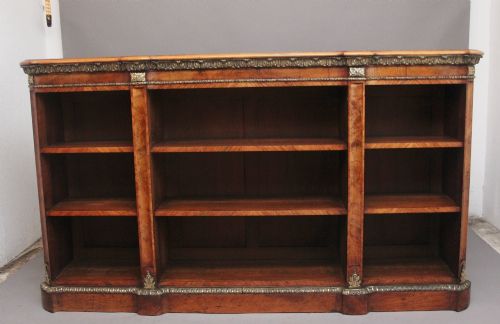
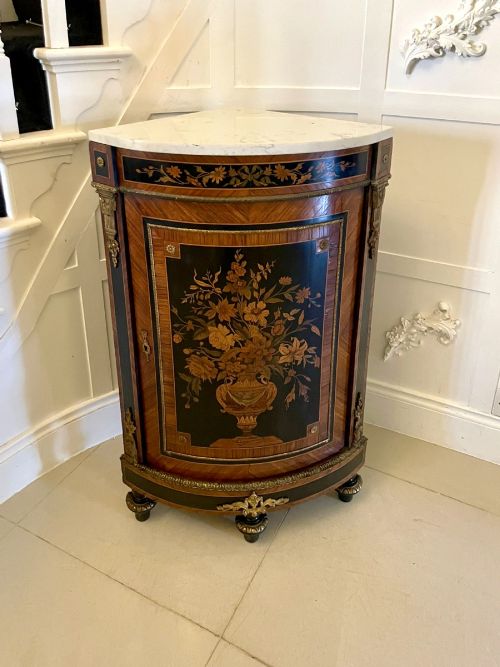
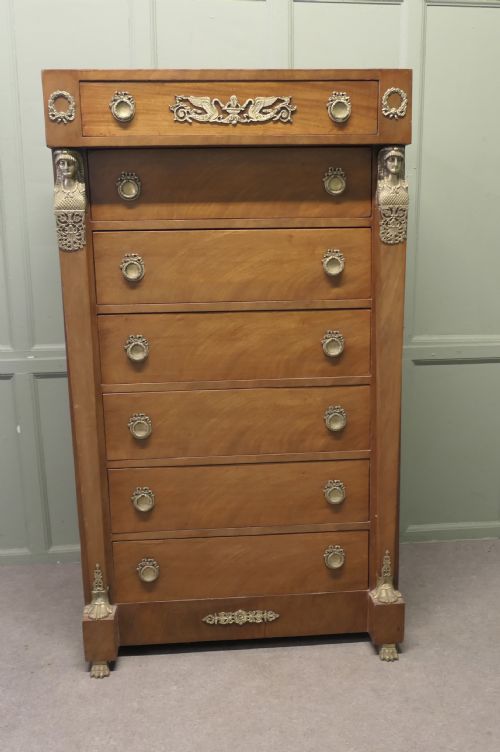
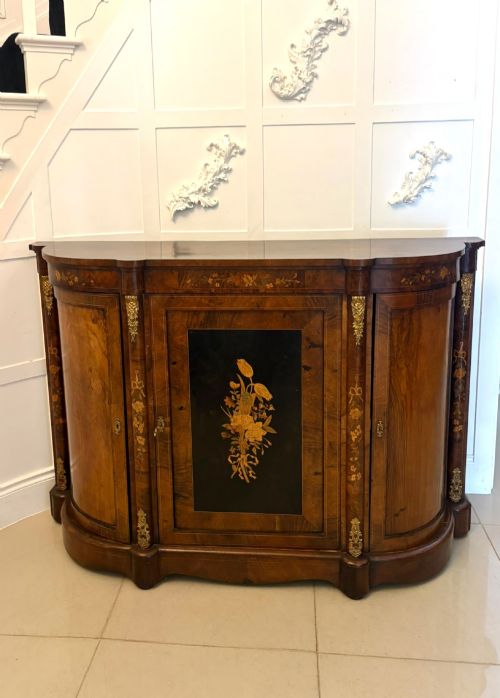

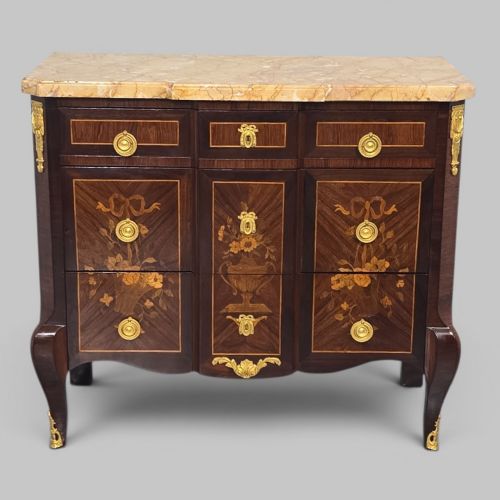


Gilt Bronze Walnut Cabinet
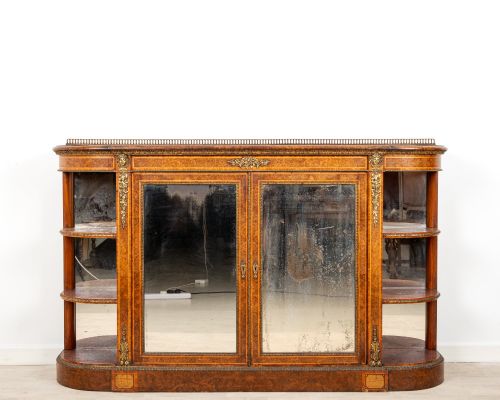
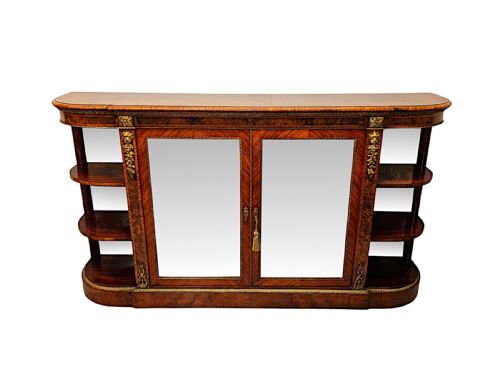
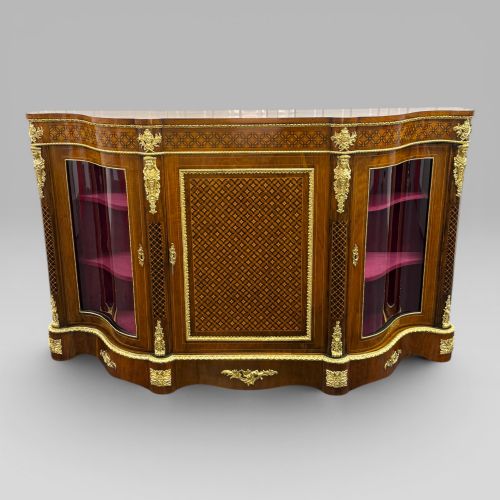
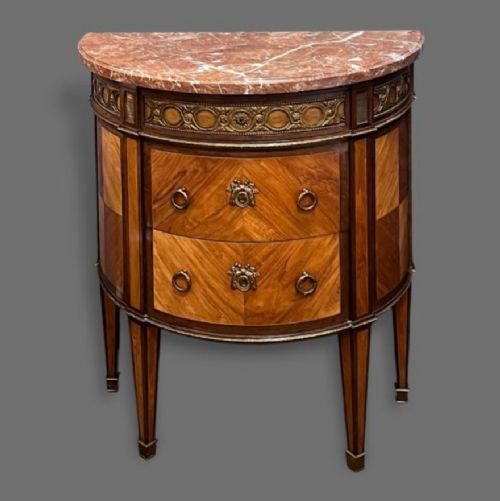
A gilt bronze walnut cabinet brings together rich timber and bright metal mounts in a form designed to display prized possessions.
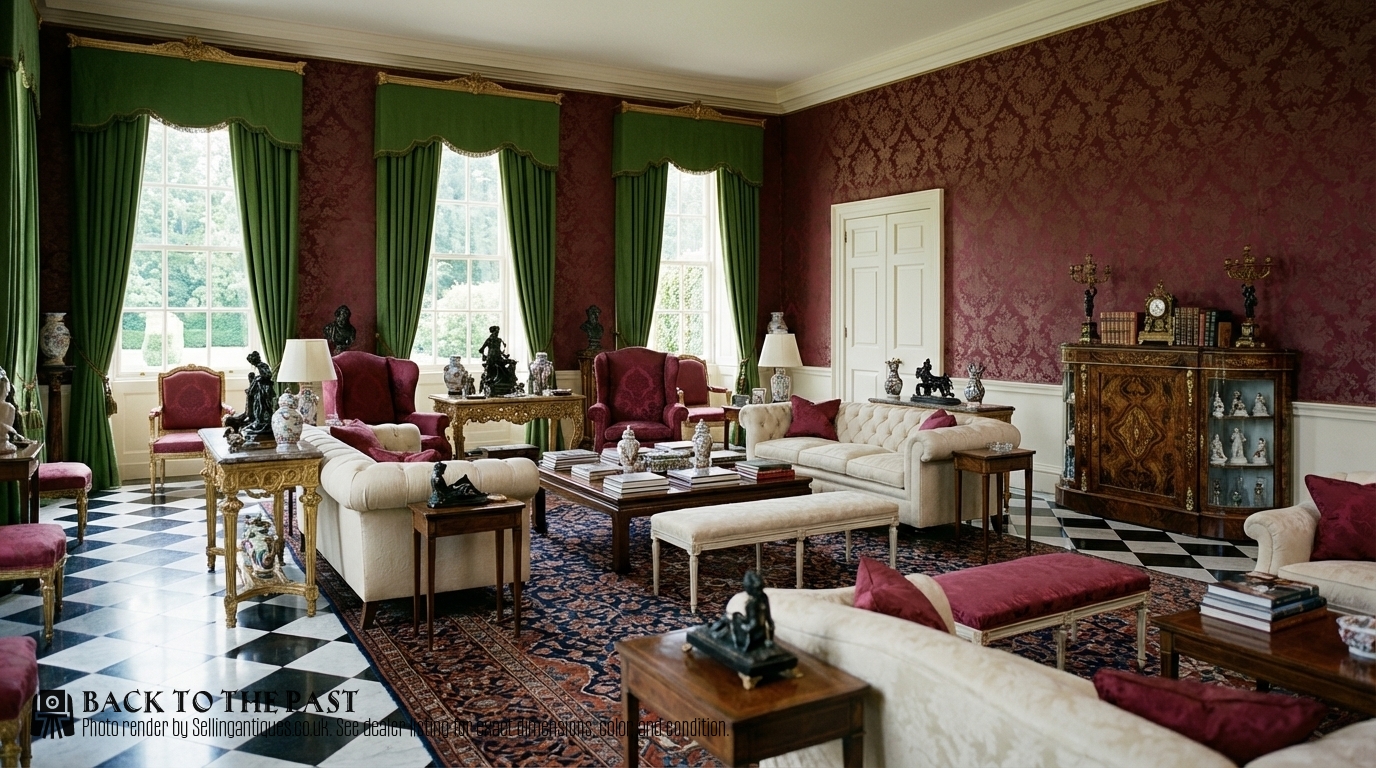
Gilt Bronze Walnut Cabinet
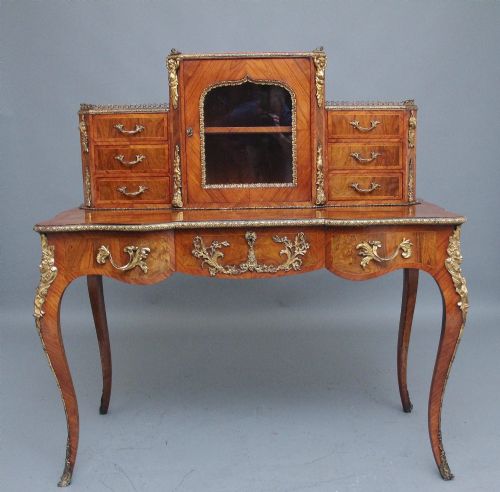
A gilt bronze walnut cabinet covers a range of nineteenth-century forms designed for display and storage, from serpentine credenzas to glazed vitrines. When you search for a gilt bronze walnut cabinet, you encounter pieces that originate in Victorian Britain and nineteenth-century France, spanning decades such as eighteen-sixty and nineteen-hundred.
The selections on this page lean heavily toward credenzas, pier cabinets, and display vitrines rather than simple cupboards. Walnut forms the primary structural timber, often shown as burr walnut with intricate marquetry or parquetry inlays.
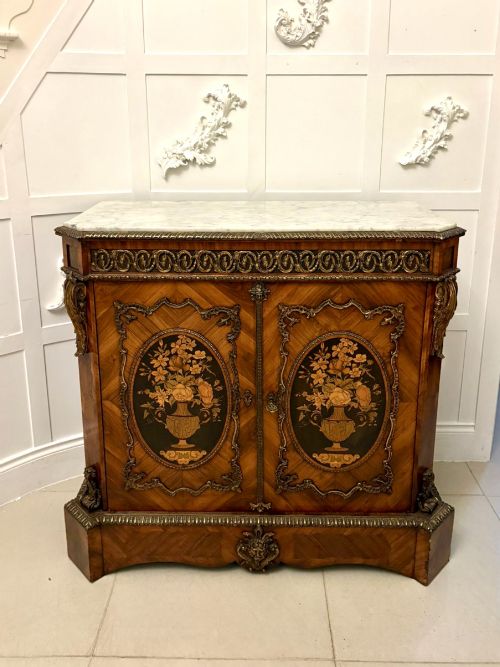
French pieces frequently incorporate marble tops and elaborate mounts, while British Victorian examples favour mirrored doors and inlaid floral motifs. Each version serves the dual purpose of utility and decorative display within a grand interior.
How They Were Made
Cabinetmakers constructed these pieces using solid walnut and decorative veneers like burr walnut and kingwood applied to secondary carcase timbers. Marquetry panels demanded precise hand-cutting of contrasting woods to create floral or geometric patterns across the doors and friezes.
Metalworkers cast and chased the ormolu and gilt bronze mounts separately before fixing them to the corners, feet, and friezes of the timber carcase. Marble slabs were precisely cut and polished to fit the upper surfaces of commodes and side cabinets, while glass panels were glazed into door frames for display pieces.
Materials recorded across these listings include burr walnut, kingwood, gilt bronze, ormolu, marble, glass, and porcelain plaques.
What Varies in Quality
Quality rests upon the crispness of the bronze casting and the depth of the walnut grain selected for the veneers. Superior examples display sharply chased ormolu mounts where the hand-finishing remains distinct, paired with tightly figured burr walnut or intricate multi-wood marquetry.
Construction methods also separate standard production from exhibition pieces, visible in the dovetailing of drawers, the thickness of the marble tops, and the precision with which the doors seal against the frame. Lesser pieces rely on simpler timber selections and stamped metal mounts with softer detail.
Johnstone and Jeanes·Gillows·Maison Gagneau·Linke
The Gilt Bronze Walnut Cabinet Glossary
- Ormolu
- Gilded bronze used for decorative mounts on nineteenth-century furniture. The technique involves applying a gold amalgam to a bronze base and heating it.
- Marquetry
- Inlaid wood patterns creating pictures or geometric designs on furniture surfaces. Craftsmen use thin veneers of various timbers to achieve contrasting colours.
- Vitrine
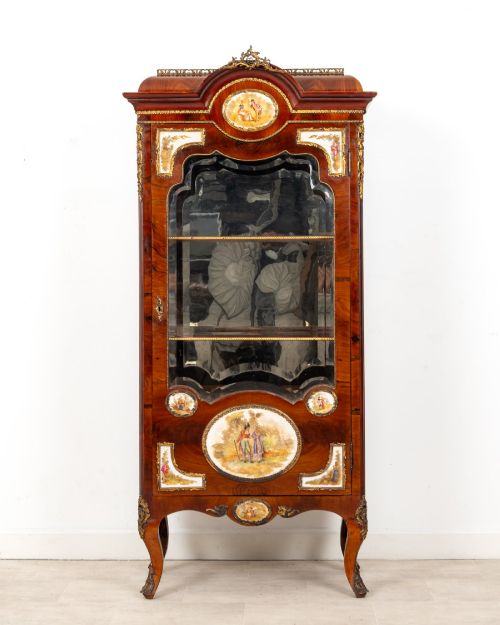
- A glass-fronted display cabinet designed to showcase porcelain, glass, and small objects. These pieces often feature glazed sides as well as doors.
- Credenza
- A low cabinet, typically with doors, popular in the Victorian period for living spaces and dining rooms. They frequently incorporate mirrored backs and central display sections.
- Parquetry
- Geometric wood inlay forming repeating patterns such as cubes or chequers. It differs from marquetry by focusing on repeating shapes rather than pictorial designs.
Gilt Bronze Walnut Cabinet: Frequently Asked Questions
How do I distinguish French styles from Victorian ones?
French cabinets from this period often lean into Louis XV or Louis XVI revivals, featuring shaped serpentine fronts, heavy gilt bronze mounts, and inset marble tops. The timber work frequently employs parquetry or delicate floral marquetry alongside kingwood and walnut.
Victorian British examples tend toward darker burr walnut veneers, architectural proportions, and mirrored doors flanked by carved columns or pilasters. They frequently incorporate extensive marquetry inlays on the central panels and door surrounds.
How should I care for the walnut and bronze?
Maintain the timber by keeping the cabinet away from direct sunlight and sudden temperature shifts that cause veneers to lift. Dust regularly with a dry cloth and apply a quality wax sparingly when the wood appears dry.
Clean the gilt bronze mounts gently with a soft brush, avoiding chemical polishes that strip the gilding. Marble tops require simple wiping with a damp cloth and immediate attention to acidic spills.
What is the difference between a credenza and a pier cabinet?
A credenza is a long, low cabinet featuring a central cupboard flanked by side compartments or curved end display sections. They often include mirrored doors and served as substantial display pieces for grand interiors.
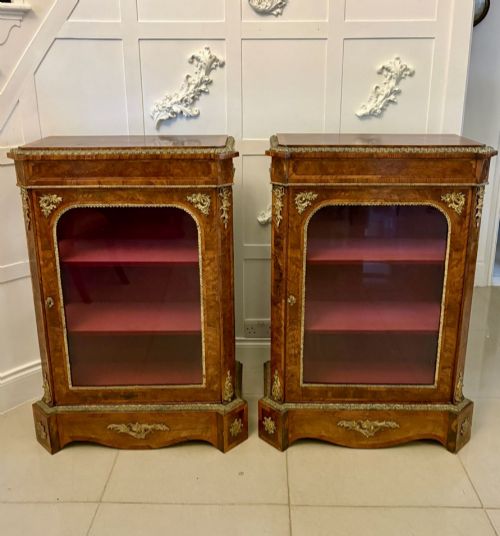
A pier cabinet is a taller, narrower piece built specifically to stand against the wall space between windows, known as the pier. These single-door units focus upward, often topped with a modest mirror or decorative pediment.