


Gilt Bronze Porcelain
Gilt bronze porcelain pieces combine fine ceramic bodies with cast and gilded metal mounts, bringing together Asian and European decorative traditions.
Gilt Bronze Porcelain
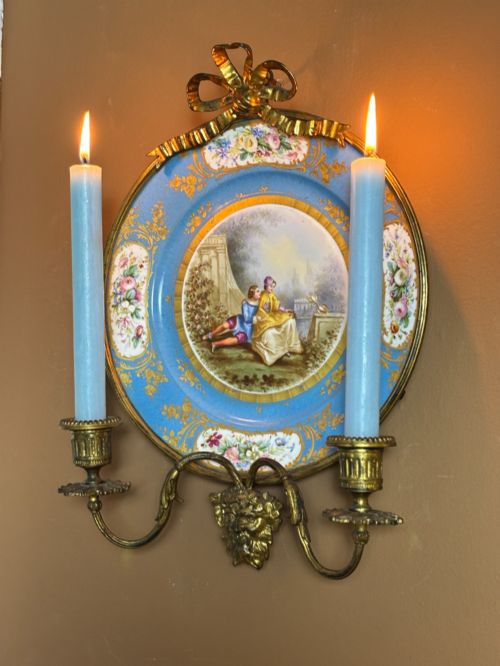
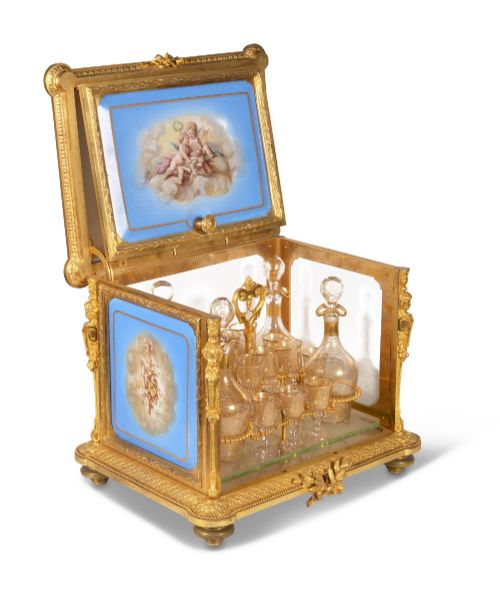
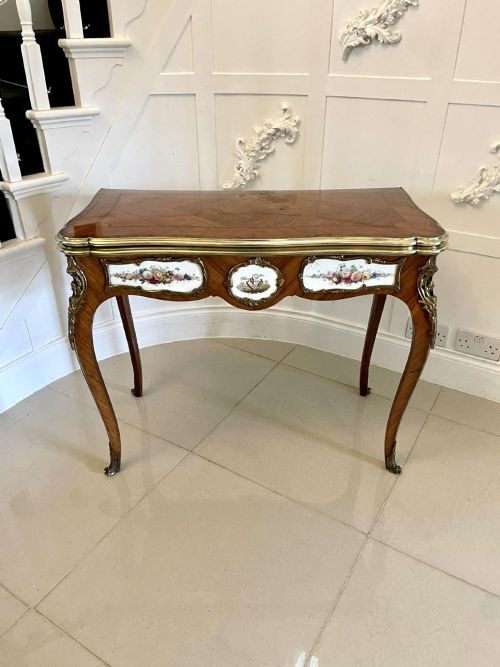
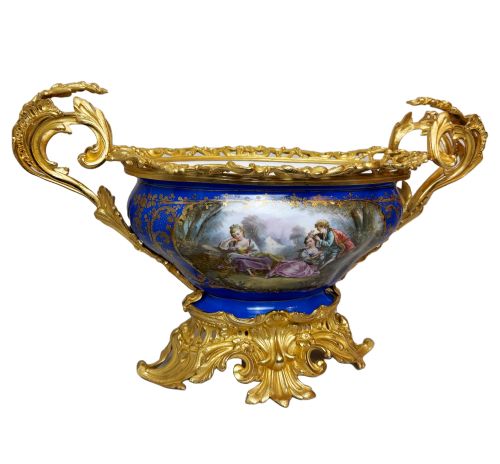
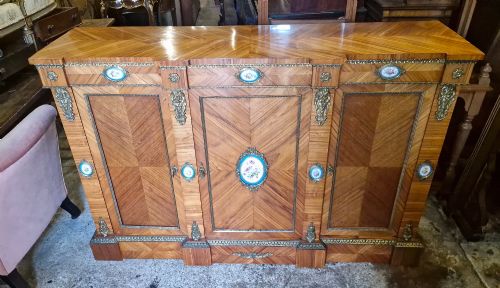
When you examine gilt bronze porcelain, you are looking at decorative and utilitarian objects where ceramic vessels or plaques are secured within cast metal mounts. These pieces predominantly date from the nineteenth century, reflecting intense European enthusiasm for combining imported or factory-made ceramic bodies with elaborate metallic frames.
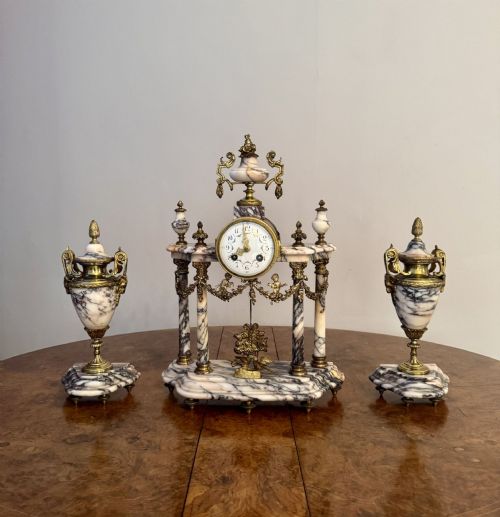
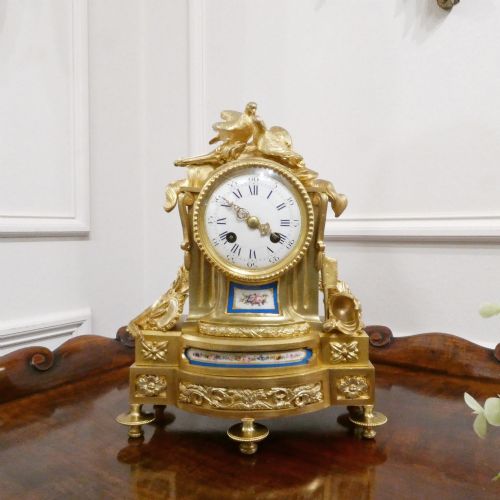
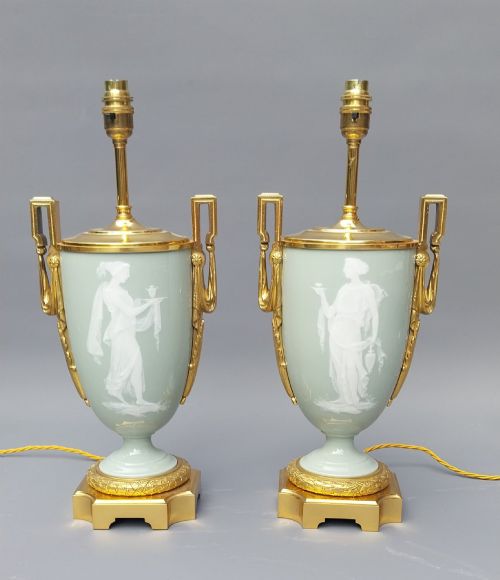
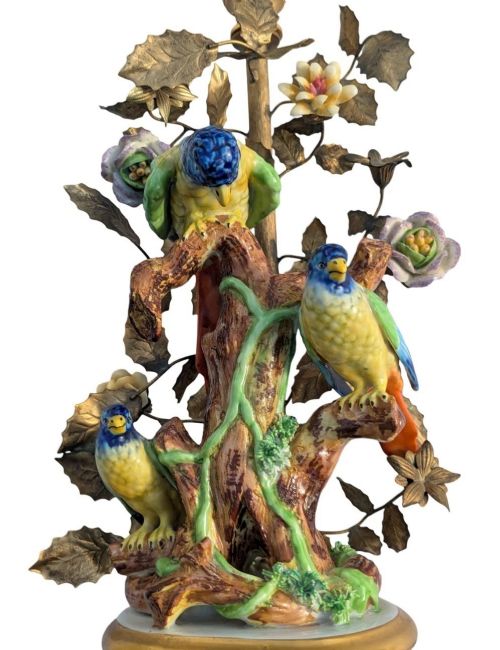
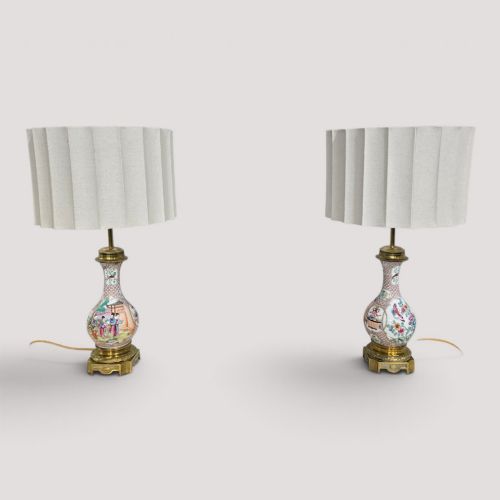
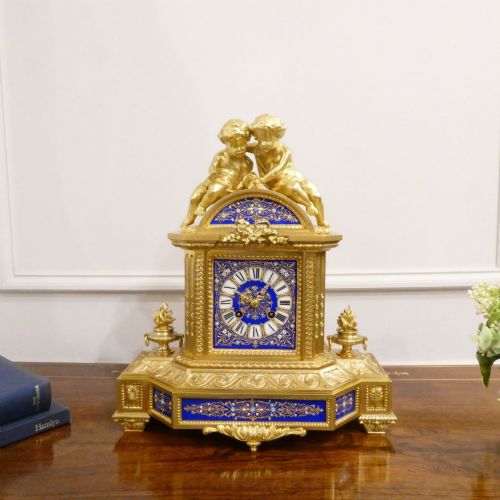
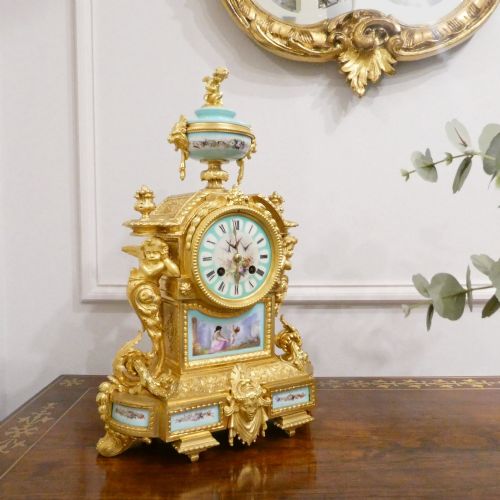
The most common forms on this page include mantel clocks, table lamps, urns, and jardinieres originating from French workshops during the Victorian and Napoleon III periods. Alongside these, earlier Chinese porcelain vessels mounted in Europe appear, demonstrating a long history of decorative adaptation across centuries.
Materials and construction
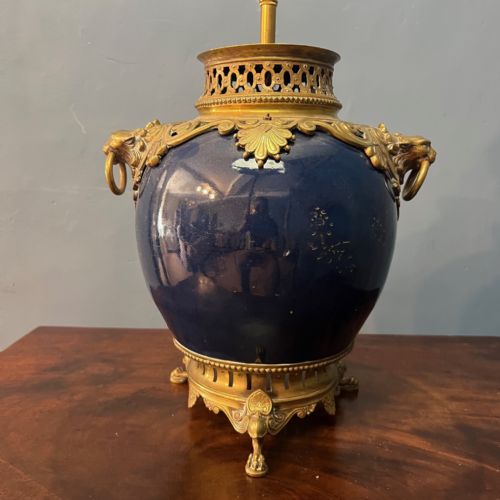
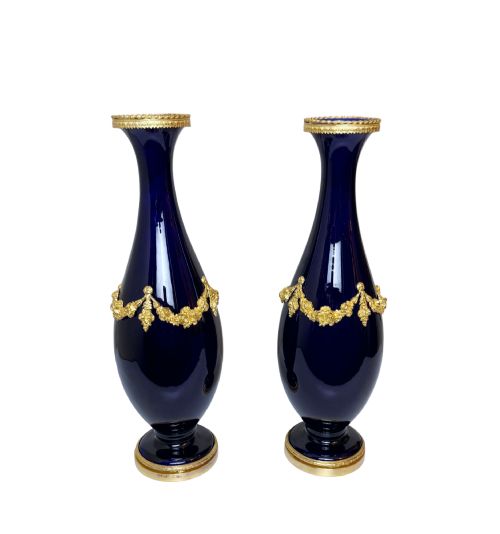
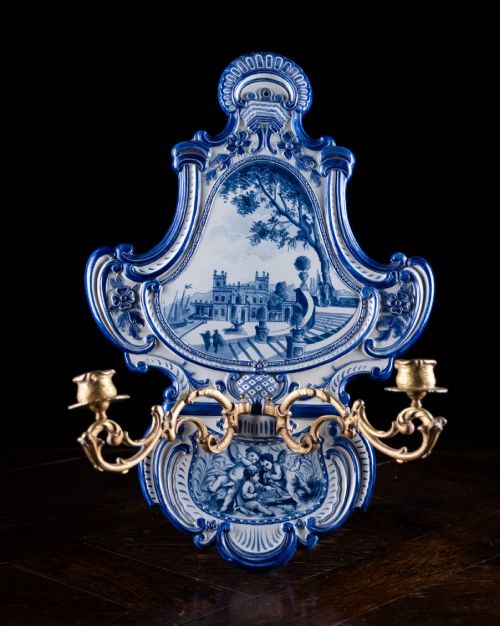
Makers utilised high-fired ceramic bodies, including hard-paste porcelain and earthenware, often decorated with cobalt blue, celadon glazes, or painted figural scenes. These ceramic elements were paired with cast bronze or brass mounts that received a layer of gold gilding, sometimes referred to as ormolu.
The metal components were cast using traditional foundry methods before being chased by hand to sharpen details like foliage or cherubs, then mechanically fitted to secure the fragile ceramic centrepieces without causing damage.
Gilt Bronze Porcelain Retail Price Guide 2026
Typical asking prices for gilt bronze porcelain among the pieces listed under this phrase on Sellingantiques today, from the lower quarter to the upper quarter. They describe what is for sale here now, not the wider market.
Materials span hard-paste porcelain, ormolu, kingwood, and cut crystal across various decorative forms.
Evaluating craftsmanship
The distinction between standard and superior pieces rests on the crispness of the bronze casting and the artistic merit of the porcelain painting. Finer examples display deeply chased metalwork with well-defined contours and hand-painted ceramic plaques signed by artists or marked by recognised factories.
Simpler items rely on repetitive machine-stamped mounts and unadorned monochrome glazes. The integration between the ceramic body and the metal armature also dictates quality, with superior works showing seamless alignment where the mounts hug the curves of the vessel.
Japy Freres·Jean-Baptiste Delettrez·Achille Brocot·Henry Marc·Etienne Lenoir
The Gilt Bronze Porcelain Glossary
- Ormolu
- A method of applying finely ground gold-mercury amalgam to bronze, or simply gilt bronze. This surface treatment gives the metal mounts a warm, enduring golden lustre.
- Jardiniere
- A decorative receptacle or planter designed to hold growing plants or floral arrangements. They frequently incorporate porcelain plaques set within wood or gilt bronze frames.
- Cassolette
- A decorative vessel that can function as a vase or a perfume burner with a reversible lid. These dual-design objects often feature gilt bronze mounts and colourful porcelain bodies.
- Pâte-sur-pâte
- A ceramic decoration technique where successive layers of liquid clay slip are applied to a damp body to build up a low-relief cameo effect. This painstaking process creates translucent white designs against coloured porcelain grounds.
Gilt Bronze Porcelain: Frequently Asked Questions
What are gilt bronze porcelain items?
These objects consist of ceramic vessels, vases, or clock bodies housed within decorative cast metal mounts finished with gold leaf or gilding. They bridge functional utility and ornamental display.
Most surviving examples derive from nineteenth-century European ateliers that drew inspiration from earlier French court aesthetics and imported Asian ceramics.
How do I care for gilt bronze porcelain?
Maintenance requires gentle dusting with a soft, dry cloth to protect both the gilded metal surfaces and the glazed ceramic body. Avoid chemical cleaners that can strip the gold finish.
Keep these objects away from direct sunlight and excessive moisture to preserve the integrity of the adhesive joints and the painted porcelain details.
How can I tell the period?
Dating relies on examining the casting style, the composition of the porcelain body, and any maker stamps or movement signatures on clock components. Nineteenth-century pieces often reflect Revival styles.
Earlier examples from the eighteenth century feature distinct paste compositions and hand-chiselled mounts that differ from later industrial casting methods.
Where were these pieces used?
Original placement was typically on mantelpieces, central display tables, and sideboards within formal nineteenth-century drawing rooms. They served as status symbols and decorative focal points.
Today, many of these items continue to function as table lamps, clocks, or decorative centrepieces in traditional and eclectic domestic interiors.