



Gilt Bronze Plinths
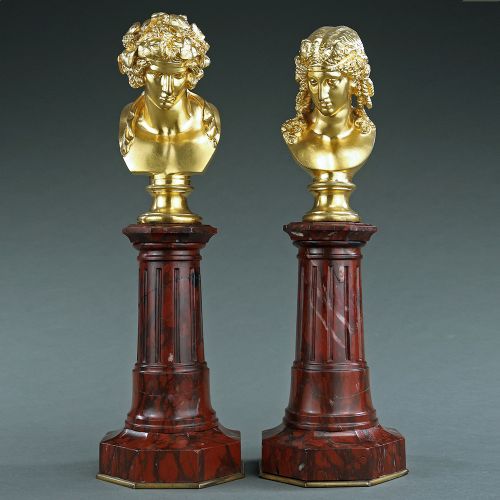
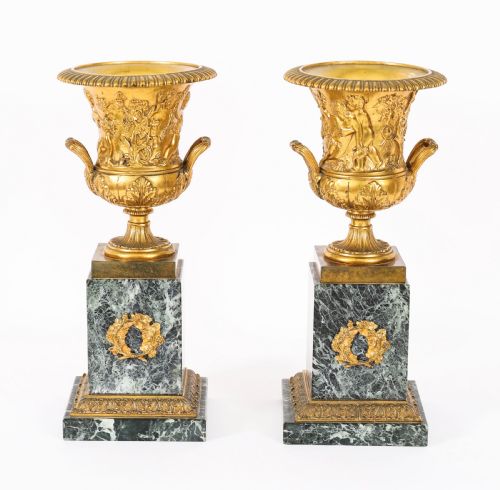
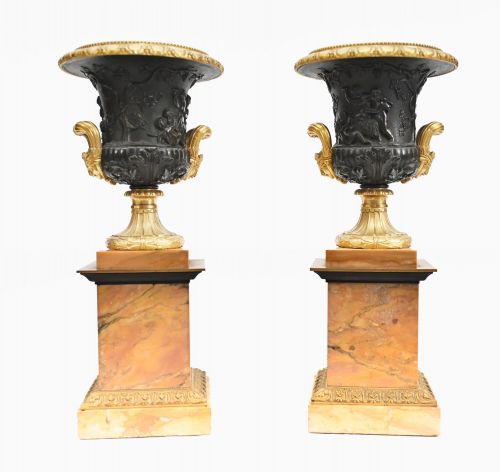
These gilt bronze plinths and pedestals support fine sculptures, clocks and urns with classical gravitas.
Gilt Bronze Plinths
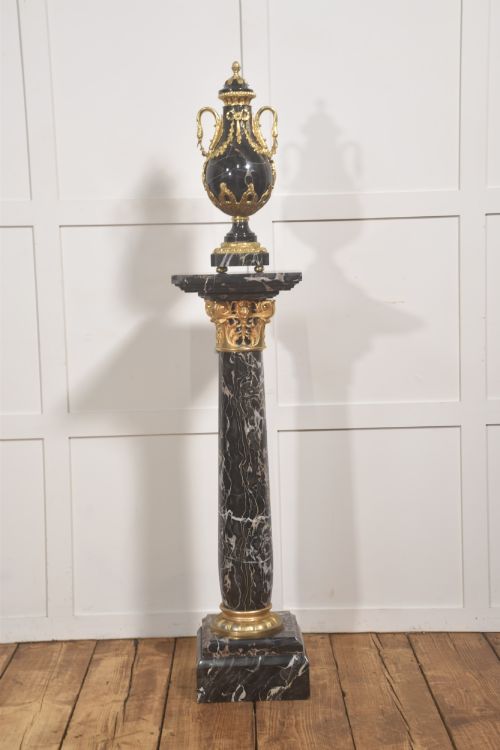
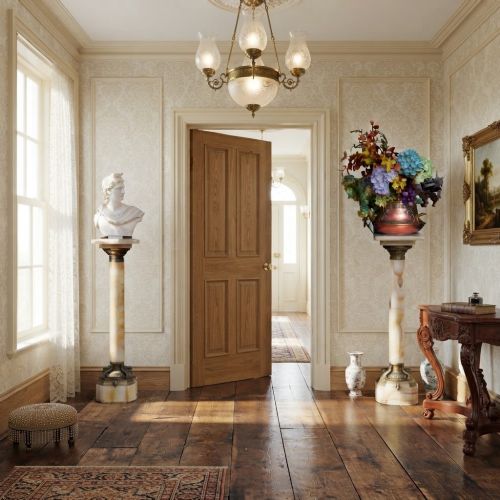
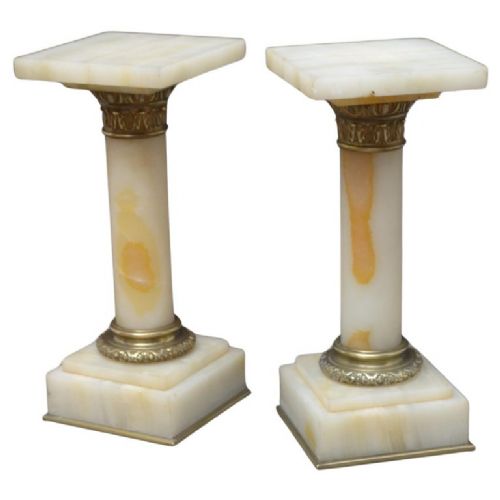
Gilt bronze plinths encompass heavy marble columns, onyx torchere stands and mounted bases that elevate sculptures and decorative urns. These pieces often arrive paired or single, designed to display figures and timepieces with architectural presence.
Nineteenth-century examples dominate the selection, showing neoclassical, French Empire and Grand Tour influences. Buyers frequently encounter marble columns fitted with ormolu collars alongside smaller bronze and marble display plinths.
How they were made
Foundries cast bronze and ormolu mounts through traditional methods, applying gilt finishes to highlight intricate chased surface details. Artisans then combined these metal elements with turned marble, onyx and olive wood bases.
Structural integrity relied on secure mechanical joints between the stone columns and metal collars. Craftsmen integrated wood and glass components where specific decorative forms required mixed media execution.
Gilt Bronze Plinths Retail Price Guide 2026
Typical asking prices for gilt bronze plinths among the pieces listed under this phrase on Sellingantiques today, from the lower quarter to the upper quarter. They describe what is for sale here now, not the wider market.
A solitary farm girl figure stands quietly among marble columns, proving that provincial charm occasionally gatecrashes the grand neoclassical party.
What varies in quality
The refinement of the casting and chasing separates standard mounts from exceptional ones. Sharp detail in the gilt bronze foliage and figures indicates superior workshop execution.
Selection of the underlying stone also dictates grade. Uniformity in the marble veining and richness in the onyx or malachite elevate the overall presence of the plinth.
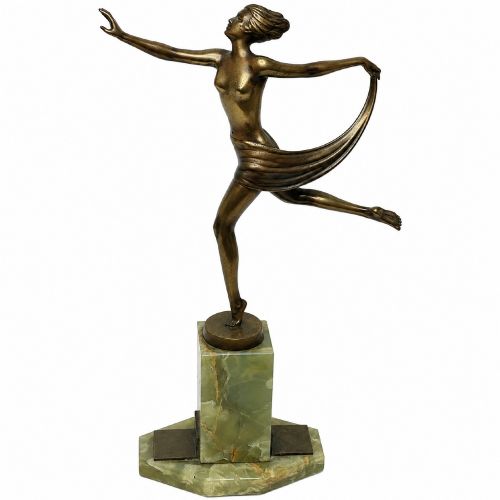
Payne of London·Josef Lorenzl
The Gilt Bronze Plinths Glossary
- Ormolu
- Gilt bronze created by applying a mercury and gold amalgam to cast bronze. This technique produces a durable golden surface common on French decorative objects.
- Grand Tour
- A cultural journey undertaken by wealthy young Europeans in the eighteenth and nineteenth centuries. Souvenirs from these travels included small bronzes and architectural fragments.
- Neoclassical
- A style drawing inspiration from the classical art and culture of ancient Greece and Rome. It emphasises symmetry, columns and restrained ornamentation.
- Torchere
- A tall stand or pedestal designed to support a candelabrum or sculpture. These forms elevate light sources or decorative objects within a room.
Gilt Bronze Plinths: Frequently Asked Questions
What sat on these plinths originally?
Sculptures, bronze figures, timepieces and decorative urns typically occupied these stands. Many supported Grand Tour bronzes or religious statuettes.
Larger columns held substantial marble busts or candelabra in period interiors. The scale of the base generally matched the weight of the object displayed.
How do I date a marble column?
Turned stone characteristics and mounting styles help determine the period. Nineteenth-century examples often feature ormolu collars cast in neoclassical or French Empire idioms.
Tool marks on hidden bronze surfaces and the composition of the underlying marble provide further clues to age.
Where should I place a heavy pedestal?
Solid marble and onyx columns require stable flooring capable of supporting substantial weight. Placing them away from heavy traffic prevents accidental collisions with mounted sculptures.
Positioning them against load-bearing walls ensures secure display for top-heavy bronze figures and urns.
Are these French or Italian pieces?
Both origins appear frequently, alongside English and Austrian works. French pieces often display refined ormolu mounts and Rococo or Empire styling.
Italian workshops specialised in Grand Tour marbles, alabaster and architectural columns derived from classical antiquities.