



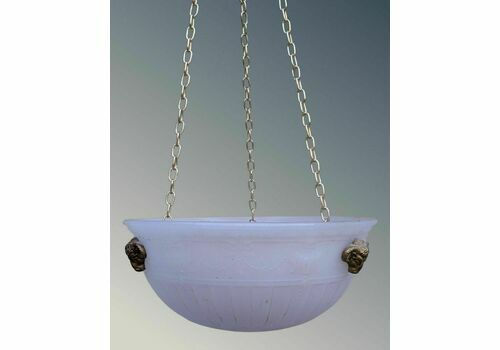


Gilt Bronze Mount Bowl
A gilt bronze mount bowl brings heavy cast metalwork together with glass or porcelain, anchoring a dining table or console with nineteenth-century French weight.
Gilt Bronze Mount Bowl
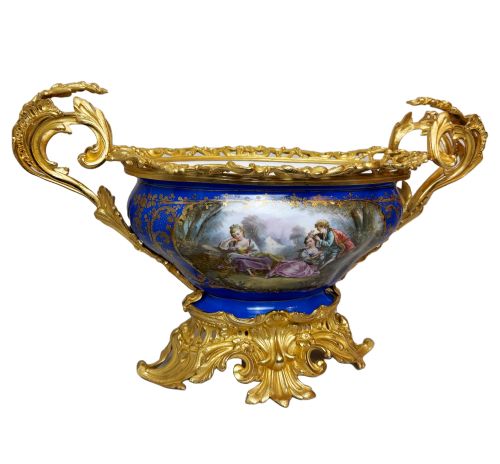
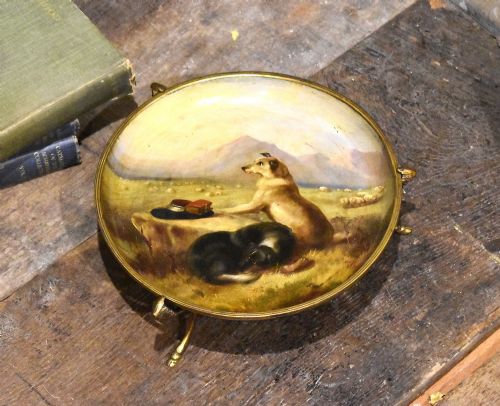
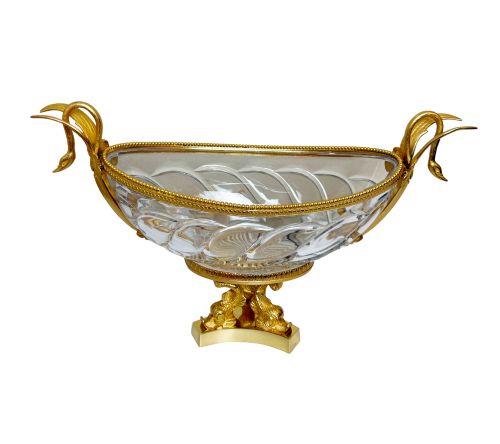
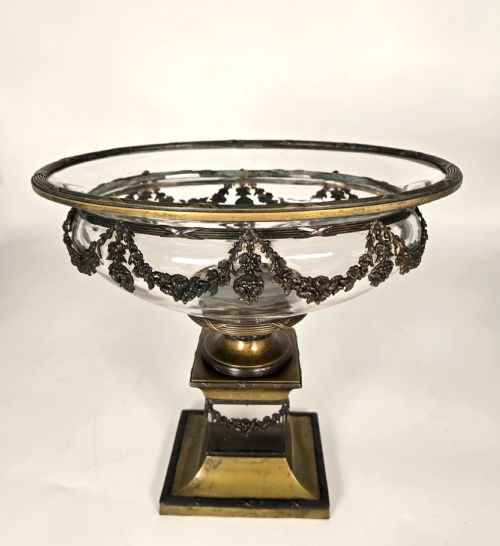
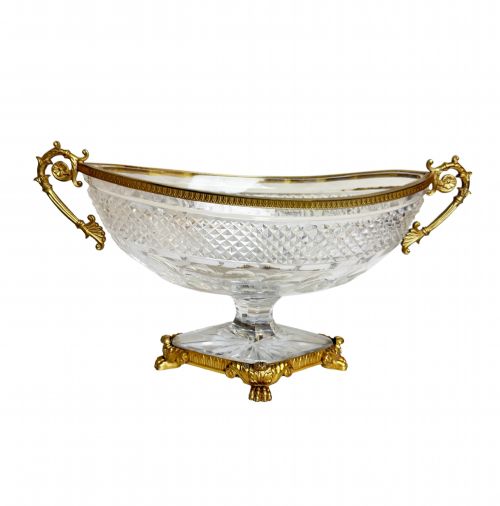
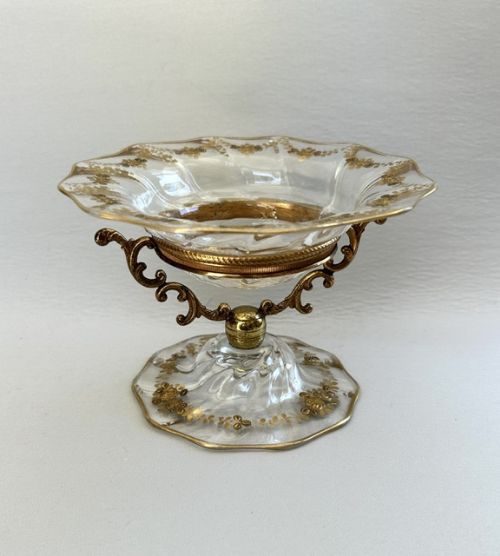
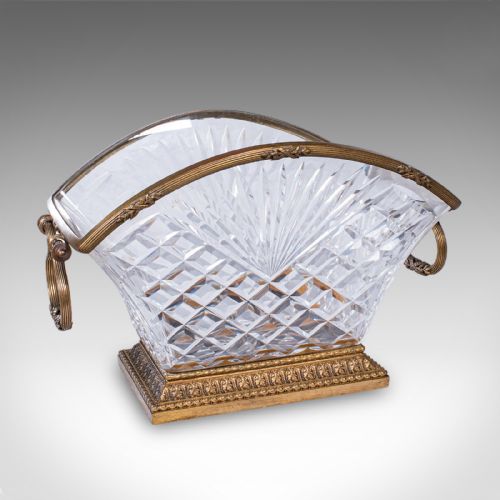
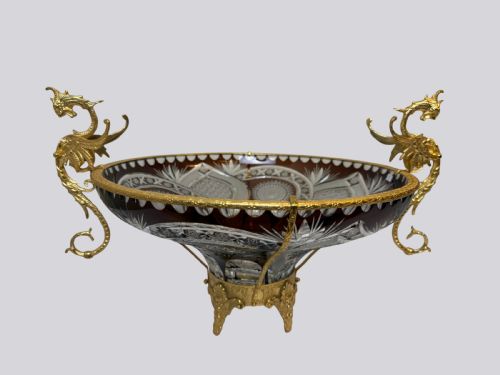
A gilt bronze mount bowl combines a central vessel of porcelain, glass, or papier mâche with cast metal collars, handles, and feet. Buyers searching for a gilt bronze mount bowl encounter centrepieces, comports, jardinieres, and tazzas produced across the nineteenth century and into the early twentieth century.
The majority of these pieces originate from France or follow French decorative conventions such as Rococo Revival, Empire, and Chinoiserie. Makers employed Sevres style porcelain, Cantonese rose-medallion porcelain, and cut crystal, framing them with gilded bronze and ormolu mounts.
Forms range from shallow serving dishes and pedestal comports to deep jardiniere bowls resting on elaborate bronze stands. Many examples incorporate classical motifs, animal figures, or enamel work alongside the primary metal framing.
Materials and construction methods
Foundries created the metal mounts by casting bronze into detailed moulds before applying a mercury gilding or electrogilt finish known as ormolu. Artisans then chased the cooled metal surface with chisels and punches to sharpen foliage, scrolls, and figural details.
Vessels within these mounts relied on distinct manufacturing traditions, utilising blown or cut glass, papier mâche, and hard-paste porcelain. Workshops secured the porcelain or glass bodies into their bronze armatures using threaded rods, pins, or carefully tensioned collar mounts.
Gilt Bronze Mount Bowl Retail Price Guide 2026
Typical asking prices for gilt bronze mount bowl among the pieces listed under this phrase on Sellingantiques today, from the lower quarter to the upper quarter. They describe what is for sale here now, not the wider market.
Victorian artisans occasionally mounted papier mache bowls with gilt bronze, proving that even pressed paper deserved a golden pedestal.
Assessing quality in mounted bowls
Quality rests significantly on the crispness of the bronze chasing and the depth of the gilding. Superior pieces display sharp relief work where every leaf and scroll retains distinct edges, whereas weaker examples show softened, blurred casting details.
The integration between the vessel and its mount indicates the level of craftsmanship. Finer bowls feature bespoke bronze mounts that follow the exact contours of the glass or porcelain, while lesser pieces rely on generic collars that leave visible gaps.
Louis Pierre Malpass·Samson
The Gilt Bronze Mount Bowl Glossary
- Ormolu
- High-quality gilt bronze created by applying a gold-mercury amalgam to cast bronze before heating to drive off the mercury. This technique produced a rich, durable golden surface seen on nineteenth-century French furnishings.
- Comport
- A raised decorative dish or bowl set upon a stem and foot, traditionally used for serving fruit or sweetmeats at the end of a meal. Many nineteenth-century examples combine porcelain basins with cast ormolu stands.
- Jardiniere
- An ornamental container designed to hold potted plants or cut flowers within a room. These vessels frequently feature waterproof ceramic or glass liners secured inside decorative bronze or enamel frames.
- Champlevé
- An enamelling technique where troughs or cells are hollowed out of the metal surface and filled with coloured glass paste before firing. The resulting piece shows vibrant enamel patterns bordered by thin lines of exposed metal.
- Tazza
- A shallow saucer-shaped ornamental vessel elevated on a stem and foot, originating from classical forms. Antique specimens often pair marble or cut glass shallow bowls with ornate bronze mounts.
Gilt Bronze Mount Bowl: Frequently Asked Questions
What is a gilt bronze mount bowl used for?
These vessels served as ornamental centrepieces on dining tables, sideboards, and mantelpieces during the Victorian and Edwardian periods. Wealthy households utilised them to display fruit, flowers, or confectionary during formal gatherings.
Over time, their function shifted toward pure interior decoration. Today, collectors place them on coffee tables or console surfaces as standalone statement objects.
How do I identify French Empire style?
French Empire pieces draw heavily on classical Greek and Roman motifs, featuring symmetrical designs, strict geometry, and restrained ornamentation. You will often see laurel wreaths, paw feet, and sphinx or eagle mounts.
This aesthetic contrasts with the asymmetric scrolls and floral abundance of earlier Rococo Revival forms. The metalwork on Empire pieces tends to have a more architectural and solid character.
What is Sevres style porcelain?
Sevres style porcelain refers to decorative ceramics produced outside the official Sevres royal factory that emulate its distinctive glazes, hand-painted pastoral scenes, and rich cobalt blue grounds. These pieces often incorporate elaborate gilt borders and jewelled enamel accents.
Many nineteenth-century European factories and independent decorators produced these porcelain bodies to satisfy international demand for French court aesthetics.
How should I clean ormolu mounts?
Ormolu requires gentle maintenance to preserve the delicate gold layer applied over the bronze base. Dust the metal regularly with a soft, dry artist's brush to prevent grime accumulation.
Avoid commercial metal polishes, abrasive cloths, and liquid cleaners, as these substances strip away the thin gilding. If necessary, consult a professional conservator for deeper cleaning.