




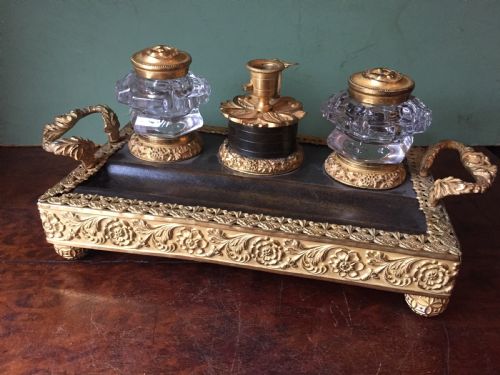


Gilt Brass Tray
These gilt brass tray pieces bring gleaming metalwork and mirrored glass into daily domestic use.
Gilt Brass Tray
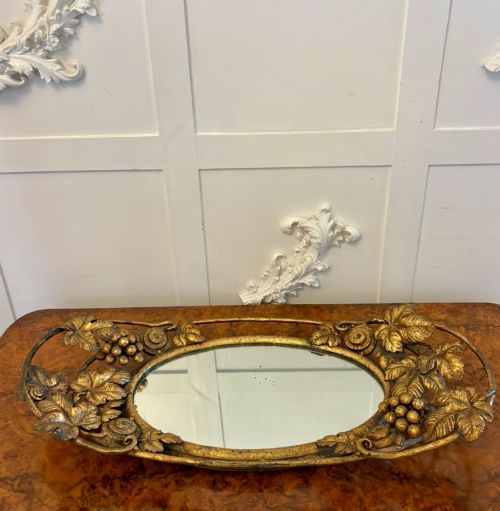
A gilt brass tray brings together polished metal and functional design, often appearing as serving vessels or drinks trays mounted with grape vine motifs and mirrored glass surfaces. These pieces frequently date from the Edwardian period or the late nineteenth century, reflecting ornate domestic habits.
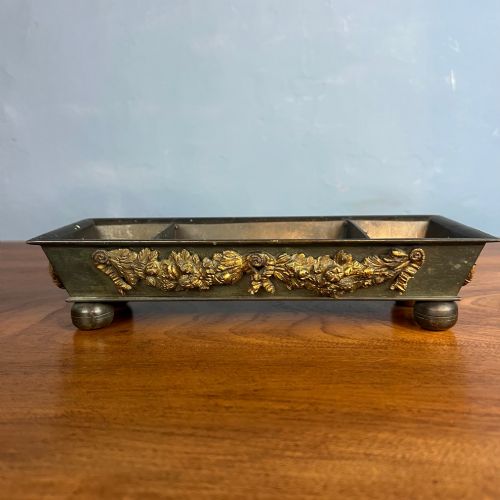
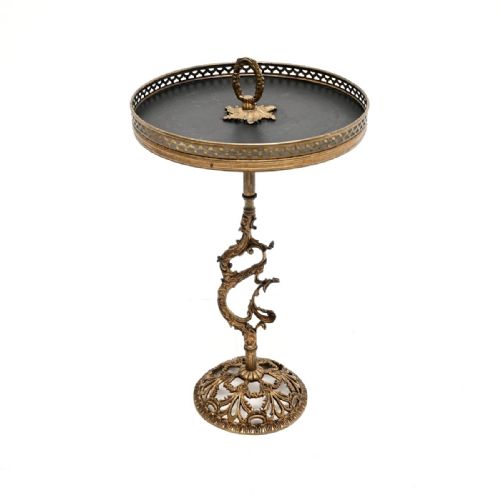
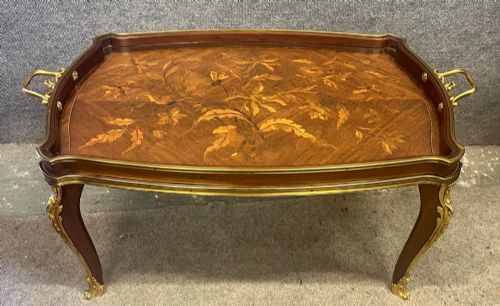
Beyond simple serving wares, the category encompasses smaller desk accessories, pin trays, and vide poche vessels fashioned in French gilt bronze and ormolu. Table adaptations also emerge in the evidence, spanning occasional tables and coffee table formats originating from French and English workshops.
The materials span brass, ormolu, gilt bronze, and gilt metal, occasionally paired with marble or lacquer. Buyers seeking a gilt brass tray will encounter a diverse selection ranging from small desk sets to substantial occasional tables.
How they were made
Maker workshops utilised casting methods to shape brass, ormolu, and gilt bronze into intricate frames, handles, and mounts. These metal elements were frequently gilded to achieve a bright, reflective finish that defined the aesthetic of the period.
Construction often incorporated secondary materials such as mirrored glass bases, marble inserts, papier-mache, and coromandel-wood. Artisans combined these substances securely, fixing metal mounts and handles to glass plates or wooden foundations.
Gilt Brass Tray Retail Price Guide 2026
Typical asking prices for gilt brass tray among the pieces listed under this phrase on Sellingantiques today, from the lower quarter to the upper quarter. They describe what is for sale here now, not the wider market.
Listings feature items from the Victorian period, the Edwardian era, and the nineteenth century, utilising brass, ormolu, marble, and lacquer.
What varies in quality
The crispness of the cast ornamentation dictates the visual impact of the metalwork, distinguishing sharply chased floral or figurative details from softer, worn impressions. Heavier gauge brass and thick gilt bronze demonstrate superior structural integrity compared to thinner gilt metal alternatives.
The integration of secondary elements such as undamaged mirrored glass, unblemished marble slabs, and secure handle attachments marks the difference between standard production and exceptional examples. Superior items maintain their original gilding and structural cohesion across the entire object.
Elkington
The Gilt Brass Tray Glossary
- Ormolu
- A gilded bronze or brass finish created by applying finely ground gold to a metal base. This technique produces a rich, bright gold appearance characteristic of decorative metalwork.
- Vide poche
- A small tray or bowl designed for emptying pockets of coins and keys. These items typically sit on desks or hall tables.
- Champlevé
- An enamelling technique where troughs are dug into a metal surface and filled with vitreous enamel before firing. The resulting design shows vibrant colour framed by metal lines.
- Coromandel-wood
- A dense, dark timber imported from Asia, featuring contrasting light and dark grain patterns. It appears frequently in nineteenth-century desk accessories.
Gilt Brass Tray: Frequently Asked Questions
How are these trays cleaned safely?
Dust the metal surfaces gently with a soft, dry cloth to remove surface particles without disturbing the gilt layer. Avoid abrasive polishes that can strip the delicate surface finish.
Keep mirrored glass and marble inserts clean using a slightly damp cloth, ensuring moisture does not seep into metal joints or wooden frames.
Were these trays meant for serving?
Larger examples featuring mirrored bases and vine handles were designed specifically for serving drinks and small items. Other variations served purely decorative functions on sideboards and desks.
Smaller formats functioned as pin trays or desk accessories rather than active serving pieces for dining.
How do I date a brass tray?
Examine the casting style, weight, and secondary materials to establish a period context. Pieces featuring champlevé enamel or heavy ormolu mounts typically align with nineteenth-century French manufacturing.
Edwardian examples often incorporate lighter gilt metal frames combined with mirrored glass bases and grape vine motifs.
Can I place hot items on them?
These pieces generally serve decorative or light functional purposes rather than withstanding heavy heat. Placing hot cookware directly on the surface risks damaging the gilt finish and underlying materials.
Use coasters or protective pads if utilising a table format for holding beverages.