
Gilt Brass Table
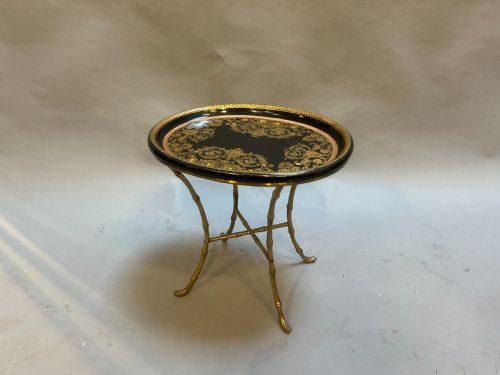
A gilt brass table brings a warm metallic gleam and French revival elegance to a room.
Gilt Brass Table
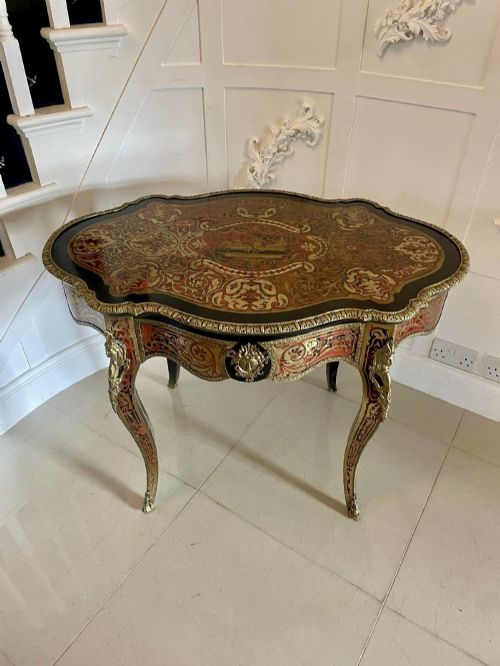
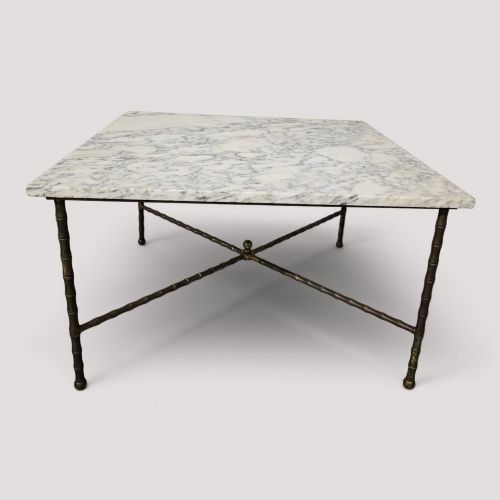
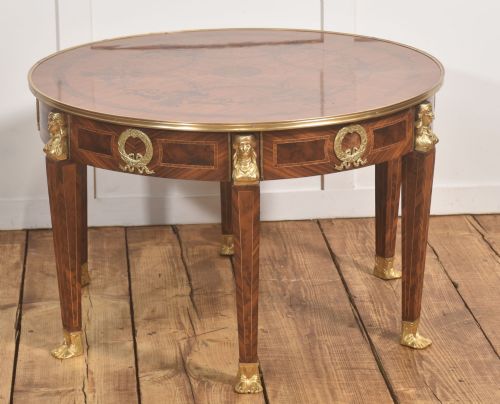
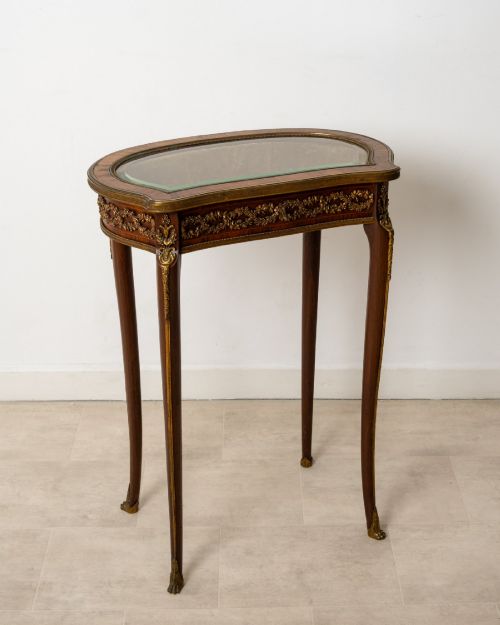
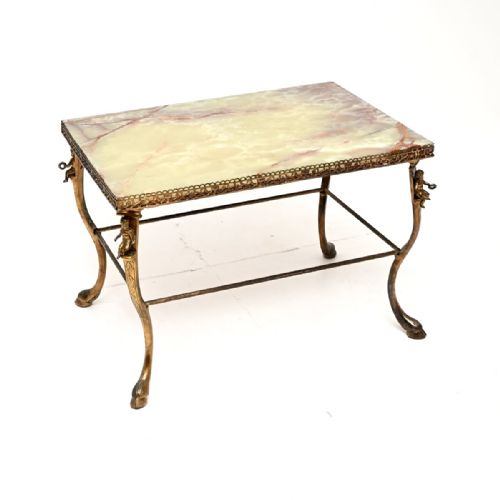
When you search for a gilt brass table, you encounter decorative surfaces and functional stands dating from the nineteenth and early twentieth centuries. These pieces encompass low coffee tables, tall lamp tables, and glazed display vitrines designed for aristocratic salons.
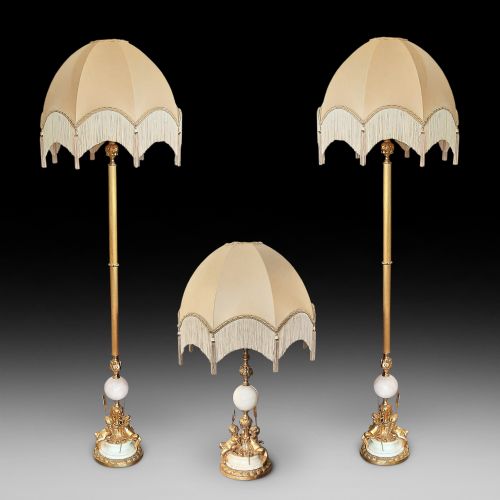
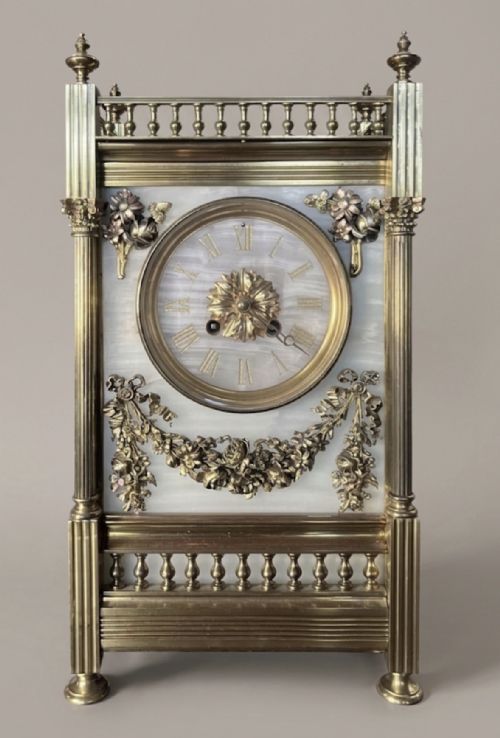
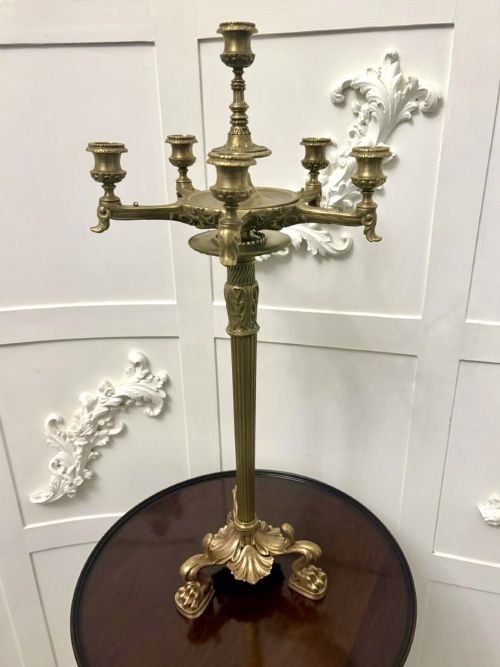
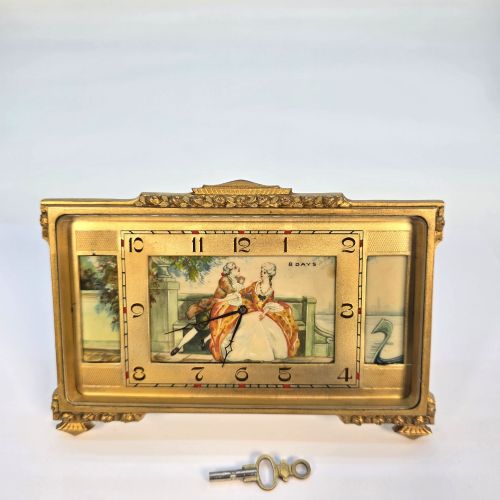
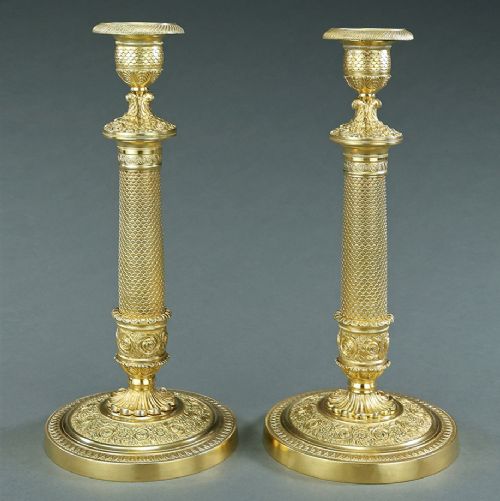
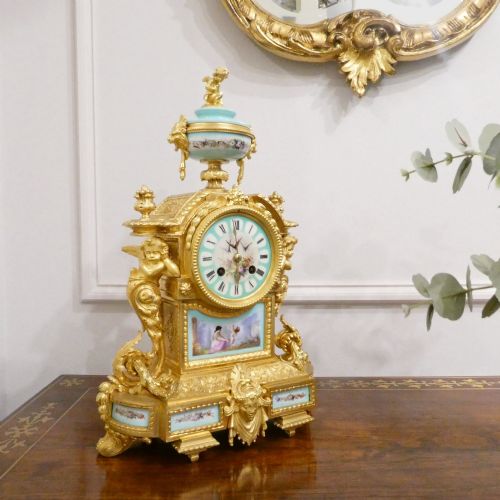
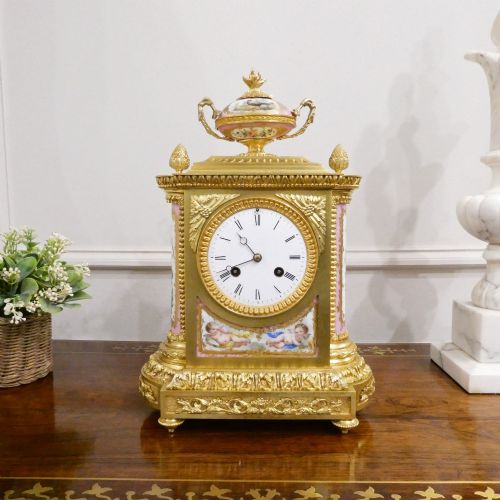
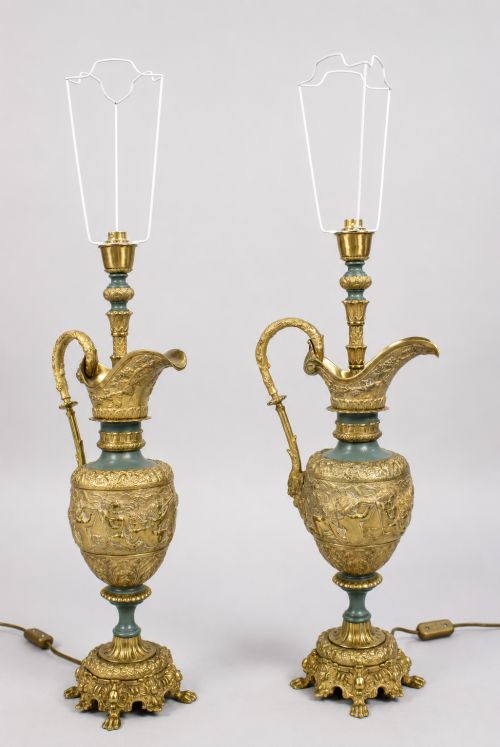
French revival idioms dominate the selection, referencing Louis XVI and Rococo styles through scrolled mounts and classical proportions. Alongside low tables, the inventory includes related gilt metal mantel clocks, candelabra, and lighting fixtures sharing identical brass and ormolu vocabularies.
Origins lean heavily toward French workshops, though Italian and Spanish examples appear with regional stone tops such as alabaster and verde marble. Buyers select these items to anchor a room with nineteenth-century decorative metalwork and polished stone.
How they were made
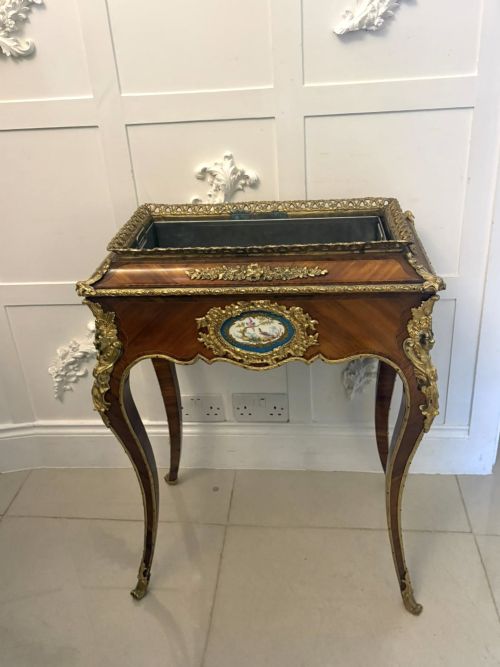
Casting and fire-gilding form the foundation of these decorative mounts, utilising bronze, brass, and ormolu to achieve a bright, enduring surface sheen. Metal components are hand-chased after casting to sharpen leaf motifs and architectural details.
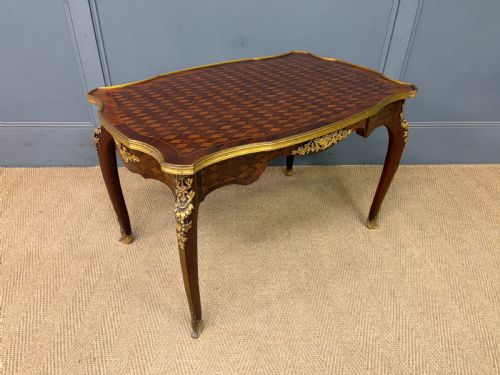
Tables incorporate fine timber framing in kingwood, mahogany, and walnut, often enhanced by marquetry or parquetry floor patterns. Insets of white marble, onyx, and hand-painted porcelain complete the upper surfaces, secured to robust wooden or cast metal chassis.
Listings feature nineteenth-century French revival designs combining gilt brass, marble, and exotic hardwoods across tables and mantel clocks.
What varies in quality
The crispness of the metal chasing separates standard commercial output from superior workshop production. Finer mounts display deep relief work and hand-finished detailing rather than soft, uniform factory casts.
Materials dictate value through the selection of genuine marble, heavy ormolu, and dense hardwoods like kingwood. Subtle details such as mercury gilding, precise parquetry geometry, and signed clock movements elevate individual pieces above standard decorative items.
Jean-Baptiste Delettrez·Achille Brocot·Henry Marc·Maison Millet·Japy Freres·Samuel Marti·François Linke
The Gilt Brass Table Glossary
- Ormolu
- Gilded bronze produced by applying a mercury and gold amalgam to a bronze base before heating. This historic technique creates a warm, deep lustre distinct from modern electroplating.
- Champlevé
- An enamelwork technique where troughs are dug into a metal surface and filled with vitreous paste before firing. The resulting coloured patterns often accent nineteenth-century clock faces and lamp bases.
- Marquetry
- The art of applying small pieces of veneered wood to a structure to form decorative patterns. Makers utilise contrasting timbers like mahogany and kingwood to create geometric or floral designs.
- Vitrine
- A glass-sided display cabinet intended for showing porcelain and small collectibles. These tables often feature glazed tops and hinged lids for secure interior viewing.
- Verde Marble
- A dark green ornamental stone flecked with white calcite veins, frequently quarried in Italy. It provides a heavy, cool contrasting top for gilt metal stands.
Gilt Brass Table: Frequently Asked Questions
How do I clean a gilt brass table?
Dust surfaces gently with a soft, dry microfibre cloth to protect the thin metallic layer. Avoid abrasive commercial cleaners that strip away historic gilding.
Keep moisture away from the metal and wooden joints to prevent corrosion and warping. Natural beeswax applied sparingly helps preserve surrounding timber frames.
Are marble tops original to these tables?
Many nineteenth-century occasional tables and lamp stands were designed specifically with inset marble or onyx slabs. These heavy stone surfaces provided stability and a cool, durable tier for lamps and ornaments.
Matching the stone type to the period style helps confirm originality. White marble and green verde varieties are typical for French revival pieces.
How do I identify Louis XVI style?
Louis XVI design shifts away from curved Rococo lines toward straight architectural symmetry and classical restraint. You notice fluted legs, ribbon twists, and acanthus leaf mounts in gilt brass.
This aesthetic mimics ancient Greek and Roman forms revived during eighteenth-century France and copied widely in the nineteenth century.
Where were these items manufactured?
The majority of these decorative tables and clocks originated in Parisian workshops during the nineteenth and early twentieth centuries. Skilled artisans specialised in bronze casting, cabinetry, and mercury gilding.
Regional variations also emerge from Italy and Spain, incorporating local stone and distinct provincial hardware designs.