






Gilt Armoire
A gilt armoire brings grand scale and gilded light into a room, offering both storage and a striking architectural presence.
Gilt Armoire
A gilt armoire is a large freestanding storage piece defined by its gilded embellishments, typically housing spacious interiors for garments or books behind timber doors. When searching for a gilt armoire, buyers encounter tall wardrobes, cabinets, and bookcases that serve as monumental focal points within bedroom and living spaces. The examples found here span the nineteenth century, including pieces produced during the Victorian era and around nineteen hundred.
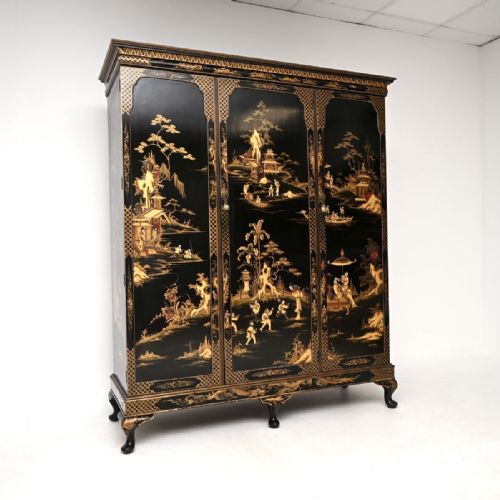
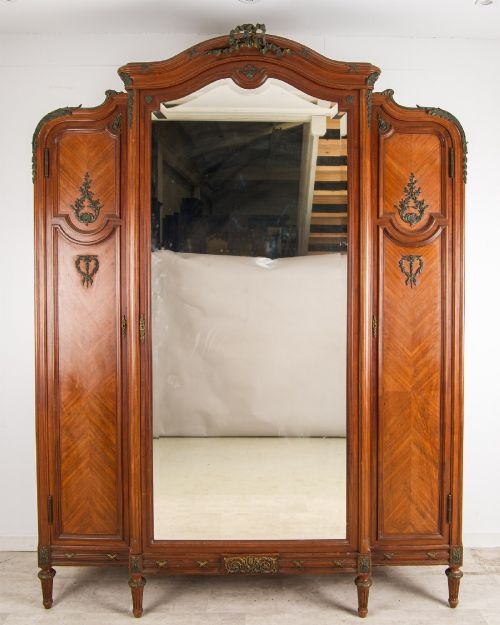
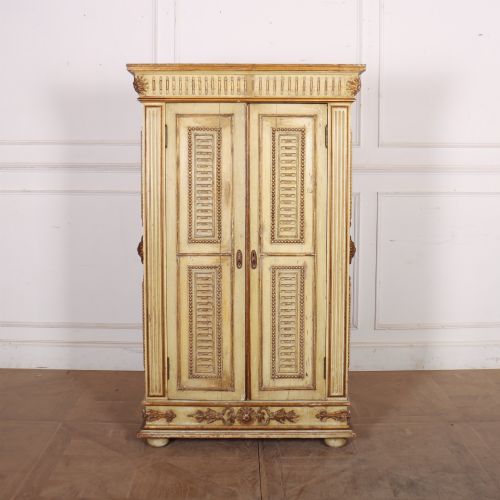
Most items originating from this selection lean towards continental aesthetics, notably French Empire, Louis XVI, and Italian Neoclassical Revival styles. Buyers frequently meet mahogany or burr walnut constructions enhanced by classical architectural details, mirrored doors, and substantial metal mounts. Alongside European designs, the selection includes Chinese lacquer cabinets from the Qing Dynasty, bringing alternative finishes to the category.
Materials and construction
Construction relies heavily on dense timbers such as mahogany and burr walnut, forming sturdy foundational carcasses designed to support heavy mirrored doors and internal shelving. Master cabinetmakers shaped these woods into large wardrobes, cupboards, and multi-piece bedroom suites, employing traditional joinery to ensure stability across substantial heights and widths.
Decorative detailing is achieved through the application of gold leaf, ormolu, and gilt brass, which highlight the structural lines and cornices of each piece. Metal mounts are cast and chased in classical motifs, while alternative finishes utilise Chinese lacquer on wooden frames to create contrasting visual textures.
Gilt Armoire Retail Price Guide 2026
Typical asking prices for gilt armoire among the pieces listed under this phrase on Sellingantiques today, from the lower quarter to the upper quarter. They describe what is for sale here now, not the wider market.
One grand five-piece bedroom suite insists on dominating the entire floor plan with unwavering nineteenth-century confidence.
Judging the range
The distinction between standard examples and finer items rests in the crispness of the cast bronze or ormolu mounts and the precision of the gilding. Superior pieces display deeply chased metalwork and hand-applied gold leaf that catches the light cleanly, whereas lesser versions rely on simpler stamped brass or painted finishes.
Structural harmony also dictates quality, separating straightforward utilitarian cupboards from elaborate pieces boasting architectural pediments, integrated mirrors, and matched timber veneers. The complexity of the style, such as a fully articulated French Empire Revival suite versus a plain two-door wardrobe, defines the upper tier of the selection.
Hille for Harrods
The Gilt Armoire Glossary
- Ormolu
- Gilded bronze, cast and finished by hand, frequently utilised for decorative mounts on nineteenth-century furniture. It provides a rich, metallic highlight against dark timbers like mahogany.
- Gold leaf
- Extremely thin sheets of beaten gold applied to wooden surfaces or carved details to create a luminous, gilded finish. This technique defines the primary aesthetic of these cabinets.
- Marquetry
- The art of applying decorative veneer pieces in various woods to form geometric or pictorial patterns on furniture surfaces. It adds subtle tonal variation to panel doors.
- Vitrine
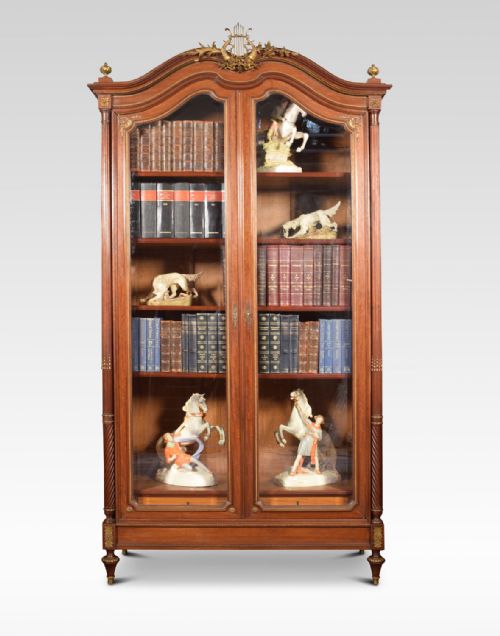
- A glass-fronted cabinet designed for the display of delicate objects or porcelain, sharing construction methods with large wardrobes and bookcases.
- Chinoiserie
- European decorative style reflecting Chinese artistic influences, commonly seen in lacquered cabinets featuring painted figural scenes and motifs.
Gilt Armoire: Frequently Asked Questions
What is a gilt armoire?
A gilt armoire is a large wardrobe or storage cabinet featuring gilded bronze mounts, gold leaf, or brass ornamentation. These substantial pieces combine functional shelving or hanging space with decorative grandeur.
Originating largely from nineteenth-century European workshops, they serve as prominent architectural statements in large bedrooms or dressing rooms.
How were these armoires used originally?
Historically, these large wooden cabinets stored valuable garments, household linens, or precious books within private chambers. Their generous internal volumes accommodated the elaborate clothing of the Victorian and continental periods.
Many incorporate mirrored doors, allowing individuals to check their attire while dressing in grand domestic settings.
How do I fit a gilt armoire into modern rooms?
Given their height and weight, these cabinets require careful placement against sturdy walls with adequate clearance for opening large timber doors. They anchor a bedroom or hallway, often pairing well with minimalist surroundings that allow the gilded details to stand out.
Professional delivery and assembly are generally necessary due to the solid timber construction and heavy mirrored components.
How do I distinguish French Empire from Louis XVI styles?
French Empire pieces, popular around the early nineteenth century, display heavier, militaristic classical motifs, dark mahogany timbers, and bold ormolu mounts. They project an imposing, monumental presence.
Louis XVI style furniture tends to feature lighter proportions, straighter lines, and refined neoclassical carvings or gilt bronze highlights derived from earlier eighteenth-century revivals.