




Gillows Style Side Chair
A gillows style side chair offers robust timber framing and refined proportion, bringing substantial Regency character directly to your dining room or hallway.
Gillows Style Side Chair
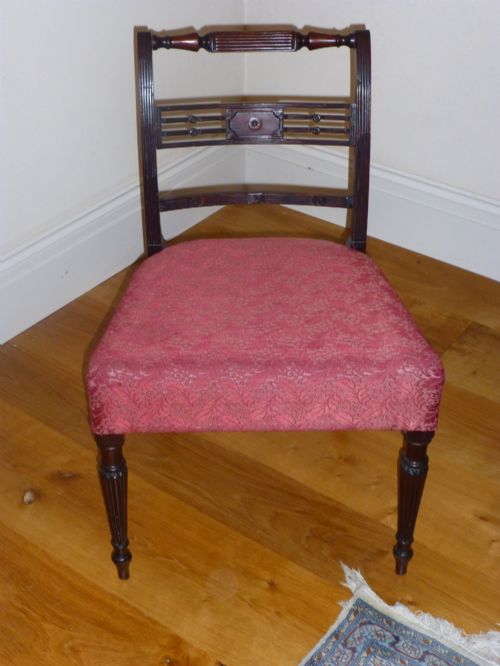
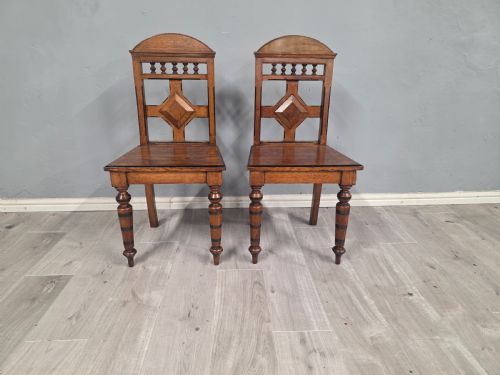
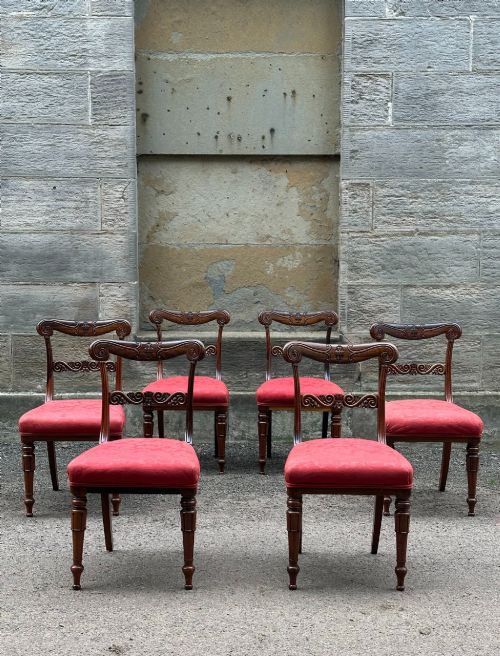
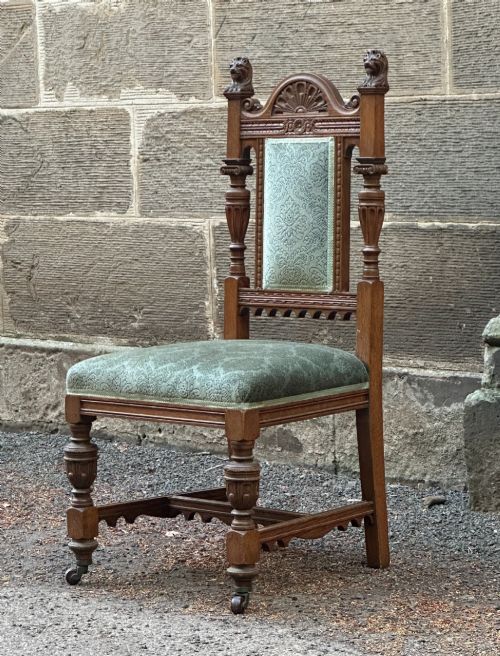
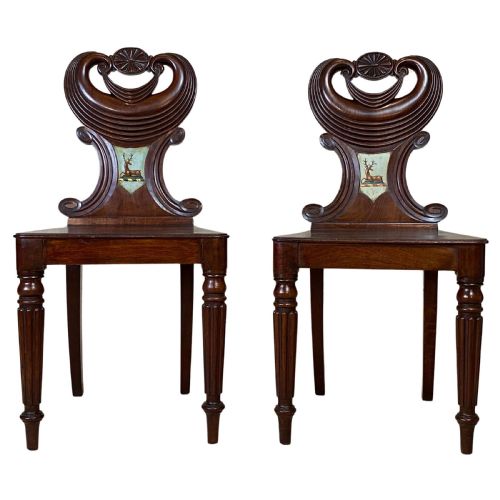
A gillows style side chair captures the aesthetic of the renowned Lancashire firm, spanning Georgian, Regency, William IV, and Victorian periods. You encounter these seating pieces across several distinct forms, most notably hall chairs with solid wooden seats alongside dining and bedroom chairs.
The materials recorded in the evidence lean heavily towards rich mahogany and oak, supplemented by walnut, maple, and rosewood. Makers fashioned these seats using various upholstery fabrics, velvet, brass details, and cane inserts to achieve both comfort and decorative presence.
Designs stretch from simple shield-back hall chairs to larger sets of dining chairs and occasional bedroom seating. Pieces emerge bearing stylistic influences like Gothic Revival and William & Mary, reflecting the evolving tastes of the nineteenth century.
Assessing Craftsmanship
Quality rests upon the selection of timber and the crispness of the carved ornamentation on the crest rail and legs. Dense, well-figured mahogany or quarter-sawn oak indicates superior raw materials chosen by the maker.
The precision of the joinery and the stability of the frame dictate longevity, while original upholstery materials or sympathetic restoration elevate the historical integrity of the piece.
Gillows Style Side Chair Retail Price Guide 2026
Typical asking prices for gillows style side chair among the pieces listed under this phrase on Sellingantiques today, from the lower quarter to the upper quarter. They describe what is for sale here now, not the wider market.
Current listings span the Georgian, Regency, William IV, and Victorian periods, featuring mahogany, oak, rosewood, walnut, and maple timbers.
Bruce Talbert·Waring and Gillow
The Gillows Style Side Chair Glossary
- Hall chair
- A rigid wooden seat designed primarily for display in entrance halls rather than prolonged sitting. These examples usually lack upholstered padding and feature painted or carved family crests.
- Cane
- Plant material woven into open patterns for chair seats and backs. It provides a lightweight, flexible surface that remains cool during warmer months.
- Armorial
- Bearing a coat of arms or heraldic insignia. Craftsmen carved or painted these symbols onto hall chairs to denote family lineage.
- Splat
- The vertical strip of wood down the middle of a chair back. It connects the seat to the top rail and often carries the primary decorative carving.
Gillows Style Side Chair: Frequently Asked Questions
How do I identify a Gillows style chair?
Look for dense mahogany or oak timbers combined with sharp, disciplined carving and solid proportions typical of the nineteenth century.
Many pieces also show specific attribution through construction methods or stylistic traits linked directly to workshop records.
Were these chairs used for dining?
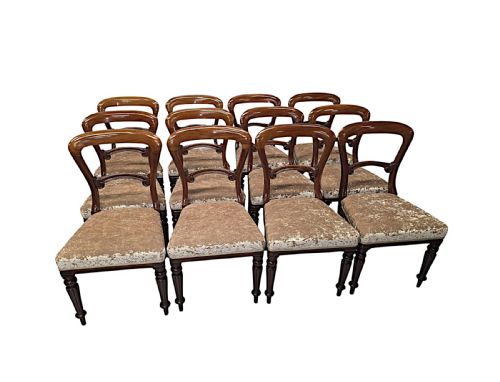
While many examples served as dining chairs in sets of six or twelve, others functioned as hall chairs or occasional bedroom seating.
Solid wooden seats generally indicate hall placement, whereas upholstered variants suited dining rooms and parlours.
Can I use them in a modern interior?
Their classic timber tones and clean Regency lines allow them to sit comfortably alongside contemporary furniture.
They function well as occasional seating in living spaces or as functional desk chairs.
What woods were used?
Makers primarily utilised mahogany and oak, alongside select pieces fashioned from rosewood, walnut, and maple.
These durable timbers supported intricate carving and sustained heavy daily usage over centuries.