




Gilded Wood Wall Decor
Gilded wood wall decor brings warmth and historic craftsmanship to interiors through carved mirrors, painted panels, and architectural fragments.
Gilded Wood Wall Decor
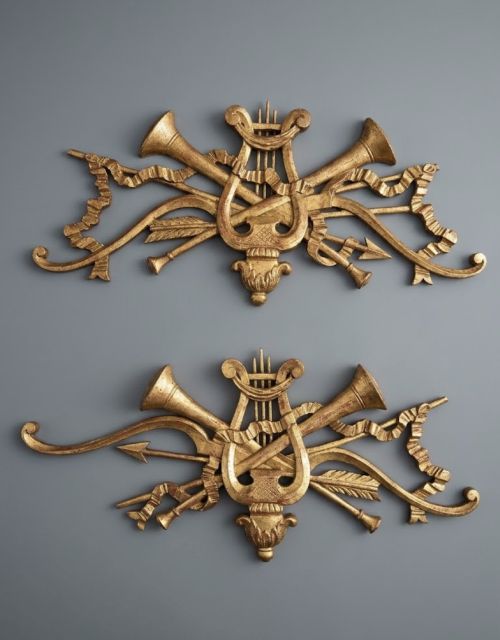
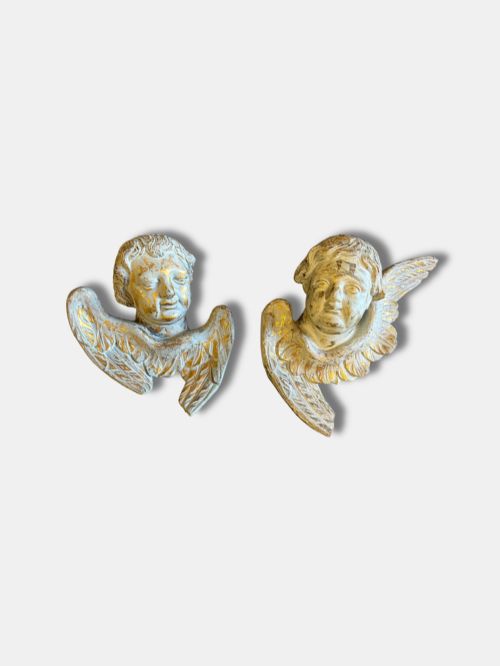
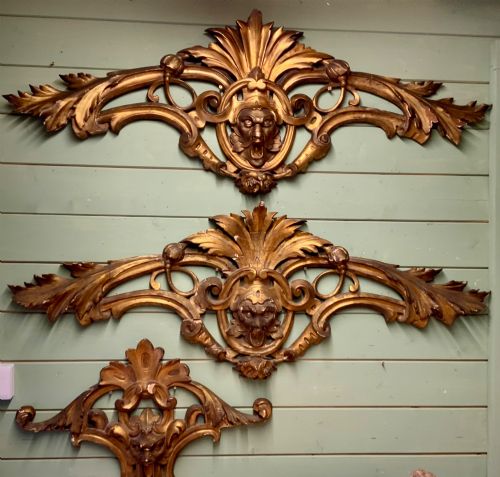
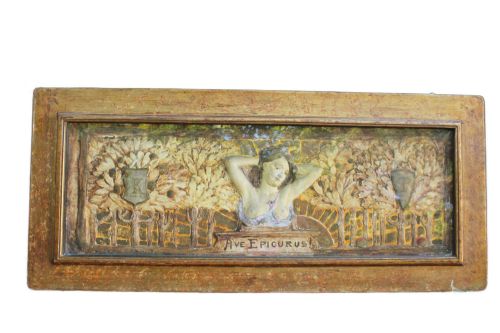
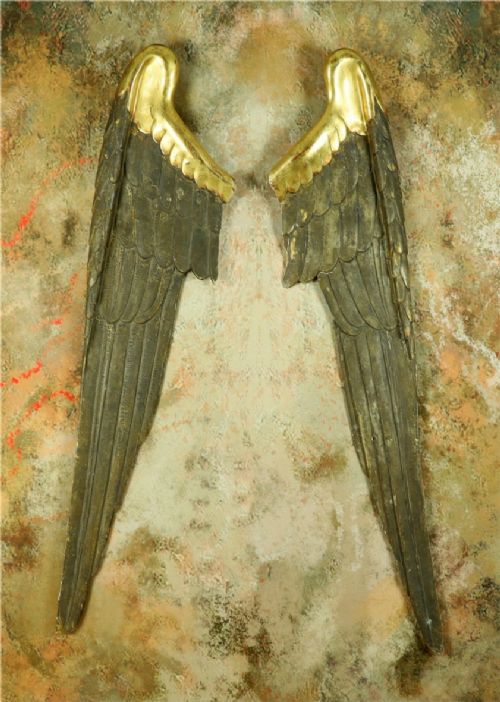
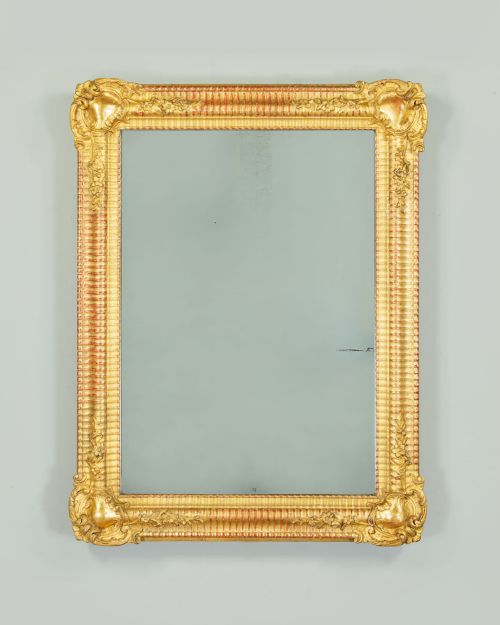
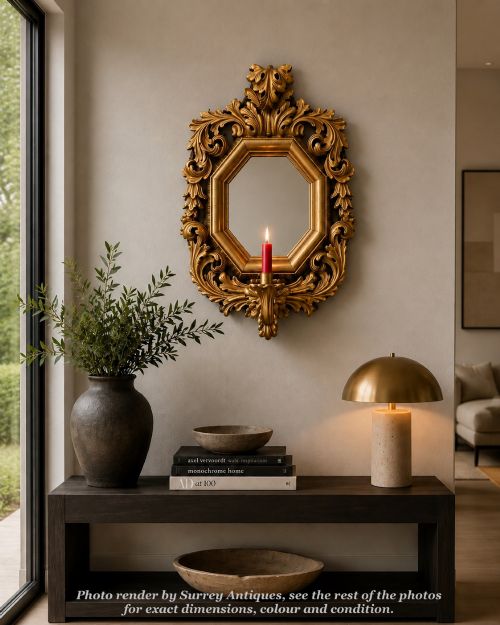
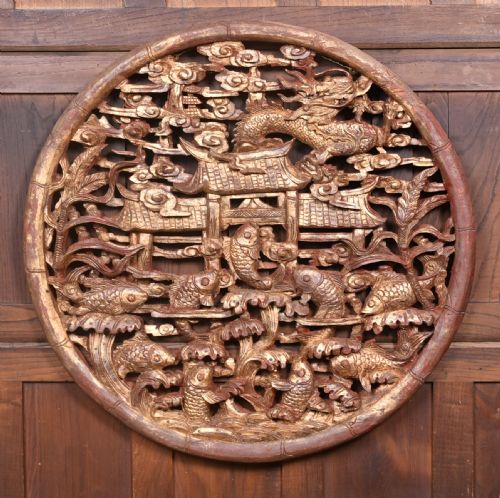
When you search for gilded wood wall decor, you encounter a diverse array of items designed to ornament vertical surfaces, ranging from functional mirrors to purely decorative reliefs and paintings. These pieces span multiple centuries, appearing in forms such as French over-door panels, Italian capitals, and carved angel wings.
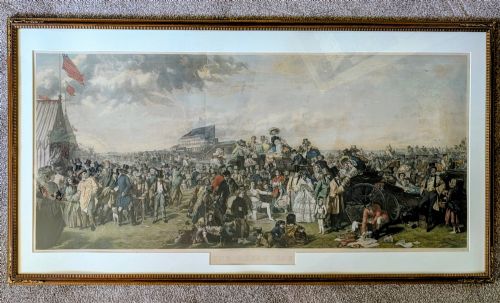
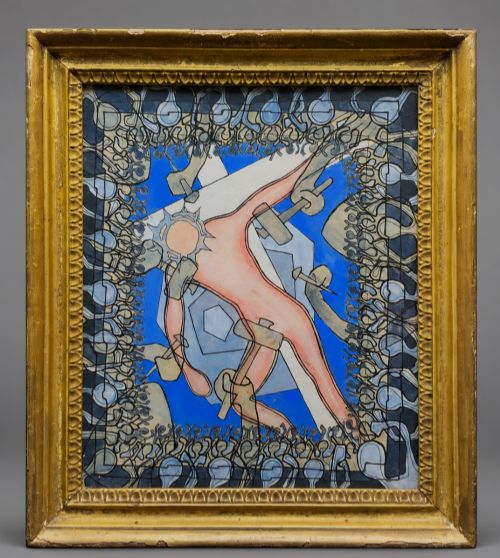
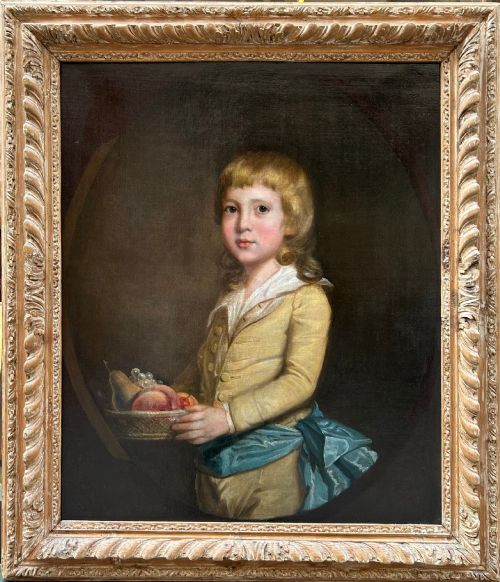
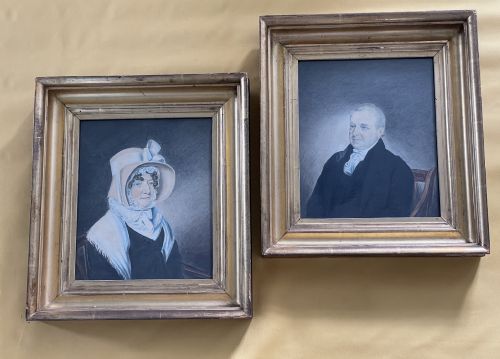
Mirrors and framed artworks dominate the available forms, often utilising gilded gesso and gold leaf to catch and reflect light within a room. Architectural fragments and carved wall plaques also feature prominently, offering sculptural depth and historic character to modern and traditional interiors alike.
Materials and construction techniques
Makers relied on solid timbers such as hardwood and softwood as the foundational base for these decorative objects, carving intricate motifs directly into the material or onto applied wooden elements. Gesso was frequently layered over the timber substrate to create a smooth, responsive surface capable of holding sharp relief details.
Gold leafing was then applied over the prepared gesso or directly to the carved wood, creating the characteristic lustrous finish seen across mirrors, frames, and architectural carvings. Painters also utilised oil paint and canvas or wood panels for accompanying artworks, integrating pictorial elements with gilded surrounds.
Gilded Wood Wall Decor Retail Price Guide 2026
Typical asking prices for gilded wood wall decor among the pieces listed under this phrase on Sellingantiques today, from the lower quarter to the upper quarter. They describe what is for sale here now, not the wider market.
Listings feature works spanning from the seventeenth century through to the mid-twentieth century, encompassing both European fine art and decorative architectural fragments.
Assessing quality in historic wall ornaments
Quality reveals itself primarily in the crispness and depth of the carving, where hand-tooled details display a superior command of form compared to machine-milled or heavily recast substitutes. The precision with which the gesso is applied and burnished beneath the gold leaf dictates how effectively the surface retains its definition and reflective quality over time.
The integrity of the underlying wood and the harmony between the frame or carved element and its original surface treatment define the upper tier of these pieces. Original gilding that has aged naturally without excessive modern intervention preserves the historic character and visual depth valued by collectors.
Thomas Beach·Icilio Federico Joni·Jean Baptiste Isabey·Thomas Murray
The Gilded Wood Wall Decor Glossary
- Giltwood
- Wood that has been coated with gold leaf or powder. This finish provides a durable and reflective metallic surface across mirrors and carved architectural elements.
- Gesso
- A plaster mixture applied to wood surfaces as a base for paint or gold leaf. It allows artisans to carve fine details before gilding.
- Girandole
- A branched wall mirror or candlestick holder designed to reflect candlelight. These fixtures combine functional optics with ornate decorative frames.
- Overmantel
- A large mirror or painting positioned directly above a fireplace mantel. They typically feature expansive proportions and elaborate frames.
- Appliqué
- An applied decorative element fixed to a larger surface. In wood decor, these are often carved separately and attached to panels or frames.
Gilded Wood Wall Decor: Frequently Asked Questions
How do I hang heavy gilded wood mirrors?
Heavy mirrors and architectural fragments require secure fixing directly into wall studs or the use of appropriate structural wall anchors suited to the weight of the timber and gesso.
Professional hanging hardware distributed evenly across the frame ensures the piece remains stable and safe over time.
How should I clean antique giltwood?
Dust surfaces gently with a soft, dry brush or microfiber cloth to prevent abrasion to the delicate gold leaf and underlying gesso layers.
Avoid liquid cleaners, chemical solvents, or excessive moisture, as these can permanently damage historic gilding and exposed wood.
Are these pieces suitable for bathrooms?
High humidity and fluctuating temperatures in bathrooms can cause wood to warp and fragile gesso or gold leaf to crack and flake.
It is best to place gilded wood wall decor in stable, dry living areas, hallways, or bedrooms to preserve their condition.
How do I distinguish 18th-century carvings from later revivals?
Eighteenth-century carvings typically exhibit tool marks, hand-mixed gesso compositions, and timber shrinkage consistent with age and natural wear.
Nineteenth-century revival pieces often display different tool technologies and standardised preparation layers that reflect the manufacturing methods of their later era.