

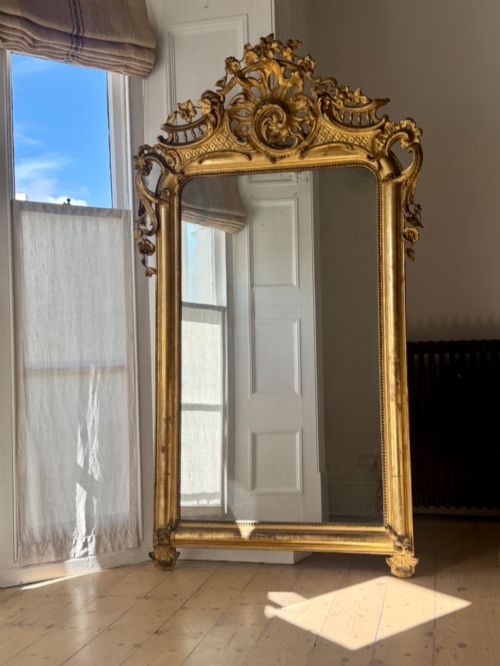

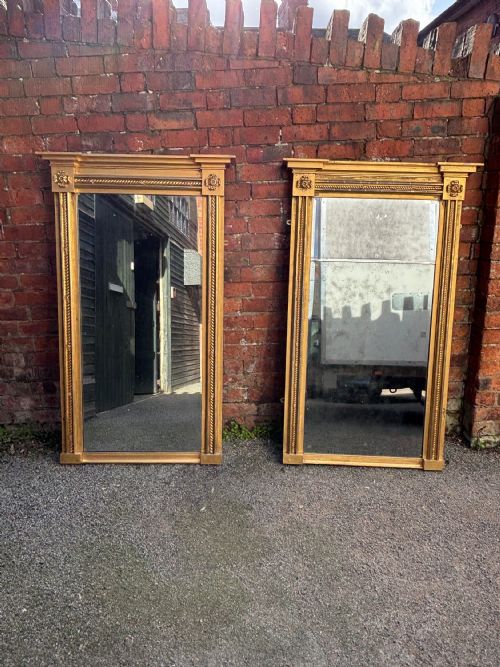
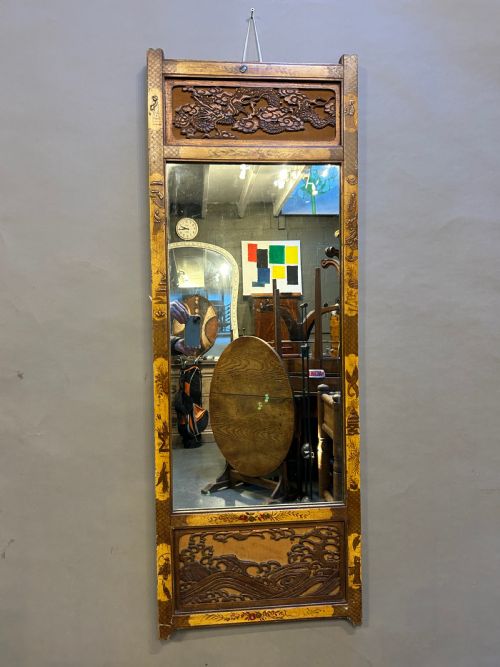

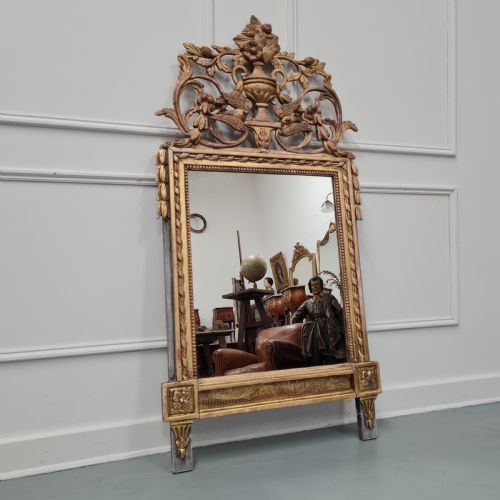


Gilded Wood Trumeau Mirror
A gilded wood trumeau mirror brings architectural presence and classical painted detail to a room, combining a large looking glass with an upper panel.
Gilded Wood Trumeau Mirror
When you search for a gilded wood trumeau mirror, you encounter tall wall-hanging glasses that integrate an oil painting, a carved panel, or decorative foliage above the plate. These pieces originate primarily from French and continental workshops, spanning the eighteenth, nineteenth, and early twentieth centuries.
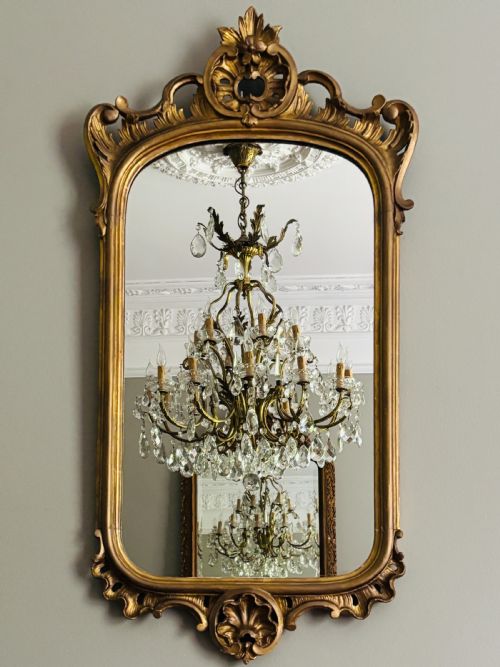
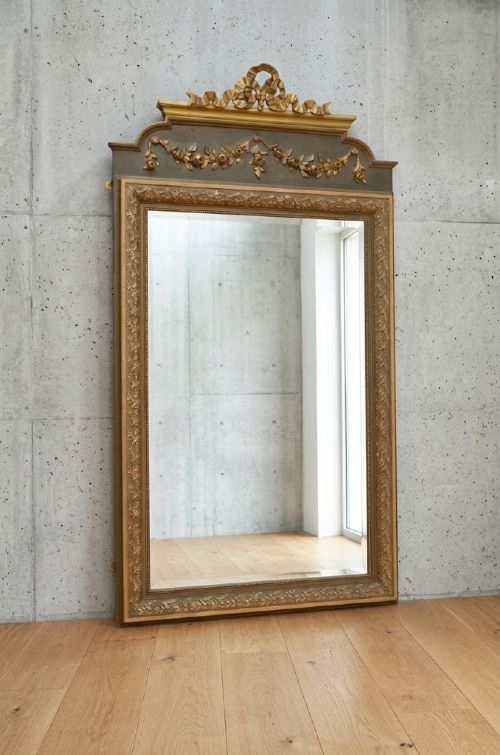
The version you are most likely to meet on this page is the nineteenth-century French pier or wall mirror, frequently combining gilded wood, gesso, and painted surfaces. Many examples include pastoral oil paintings or decorative crests set directly into the frame above the glass.
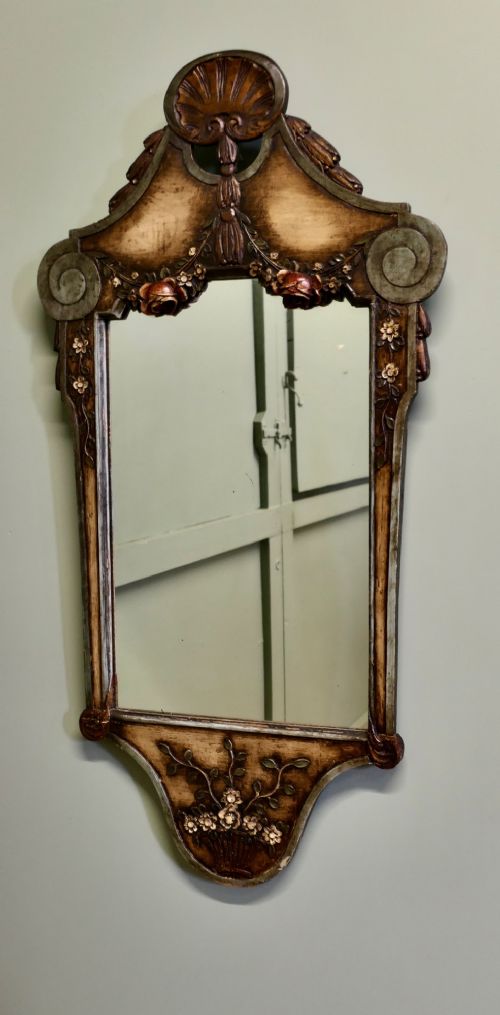
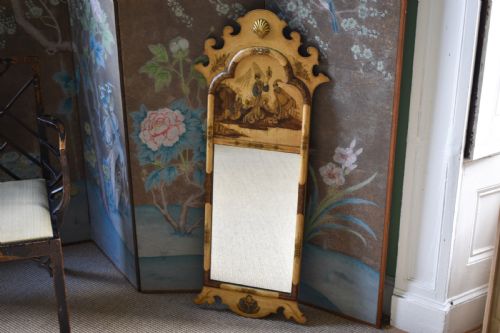
Beyond standard wall mirrors, the selection includes tall floor-standing pier mirrors, marriage mirrors, and pieces designed to sit above console tables. Styles range from restrained Neoclassical and Louis XVI designs to ornate Victorian French revivals and Chinoiserie decorations.
Materials and construction
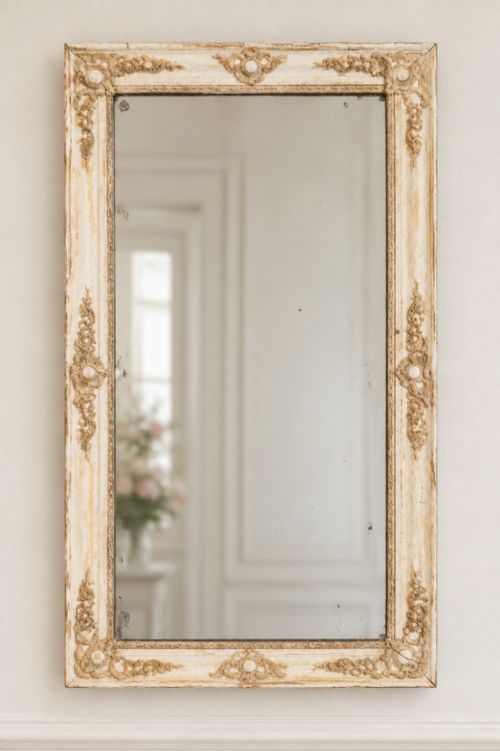
Carved wooden frames form the core of these pieces, built from timber such as walnut, mahogany, or pine, then coated with layers of gesso to provide a smooth base for ornamentation. Artisans applied gold leaf or liquid gilding over the prepared surface, often combining parcel-gilding with painted sections in olive green, cream, or darker tones.
The looking glass itself typically consists of period mirror glass, with older eighteenth-century examples utilising mercury glass plates that show distinctive foxing and clouding. Upper panels frequently contain hand-painted pastoral scenes or floral motifs executed on canvas or wood.
Gilded Wood Trumeau Mirror Retail Price Guide 2026
Typical asking prices for gilded wood trumeau mirror among the pieces listed under this phrase on Sellingantiques today, from the lower quarter to the upper quarter. They describe what is for sale here now, not the wider market.
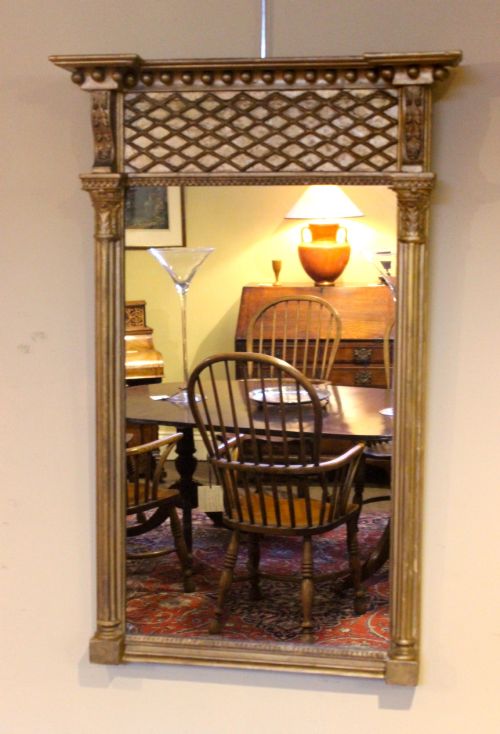
Listings feature pieces spanning the eighteenth century through to the 1930s, encompassing Neoclassical, Louis XVI, Regency, and Belle Epoque styles.
Judging the quality
The distinction between ordinary and exceptional examples rests upon the crispness of the hand-carving in the wood and gesso, alongside the integration of the upper panel. Finer pieces display deeply rendered motifs such as ribbon crests, columns, and foliate scrolls rather than flat, moulded ornament.
Originality of surface finish dictates much of the standing of a mirror, with untouched original paint and gold leaf holding greater visual depth than later repainting. The survival of the original mercury glass plate or the integrity of the integrated oil painting further elevates the piece.
The Gilded Wood Trumeau Mirror Glossary
- Trumeau mirror
- A wall mirror featuring an upper decorative panel, which often contains an oil painting or carved relief. These pieces originated as decorative elements for wood-panelled rooms.
- Pier glass
- A tall mirror designed specifically to hang on the narrow pier of wall space situated between two windows. They frequently sat above matching console tables.
- Gesso
- A plaster-like mixture applied to wood frames to create a smooth surface for carving and gilding. High-quality pieces show sharp detail in the gesso moulding.
- Mercury glass
- An early type of mirror plate produced by coating the rear glass surface with a mercury and tin amalgam. It produces a soft, mottled reflection over time.
- Parcel-gilt
- A decorative treatment where only selected portions of a painted or stained wooden surface receive gold leaf. This technique highlights specific carved details on the frame.
Gilded Wood Trumeau Mirror: Frequently Asked Questions
Where should I hang a trumeau mirror?
These mirrors suit principal reception rooms, hallways, or above a fireplace mantel where their height draws the eye upward. Placing them opposite a window helps reflect natural light deeper into the space.
Ensure the wall structure can support the substantial weight of a carved wooden and gesso frame. Many historical examples were designed to anchor securely above console tables or low furniture.
How do I identify an eighteenth-century mirror?
Eighteenth-century examples often feature mercury glass plates with natural foxing, along with hand-carved wooden frames showing dense gesso layers and subdued gold leaf. Construction details on the reverse, such as hand-cut timbers and old fixings, offer further clues to age.
Stylistic markers like Neoclassical symmetry or early French provincial carving help distinguish these pieces from later nineteenth-century revivals.
What is a French marriage mirror?
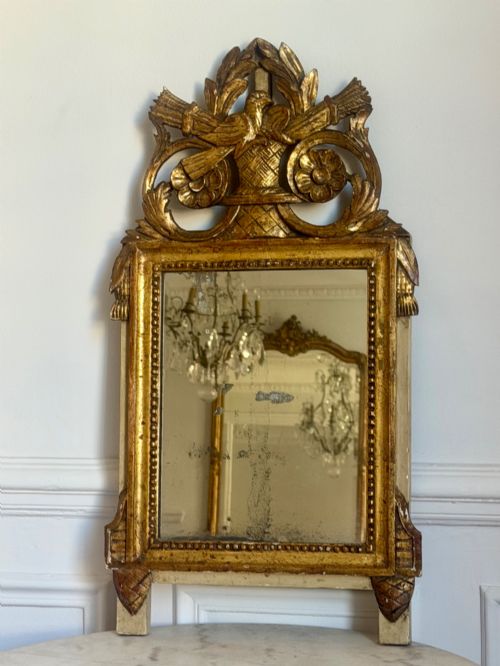
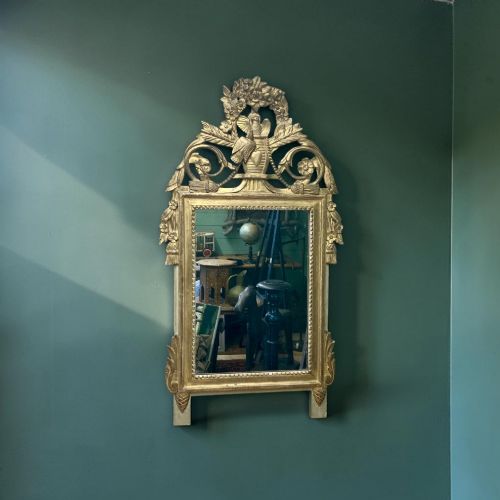
French marriage mirrors were traditional gifts presented to newlyweds, often incorporating symbolic decorative elements such as floral garlands, doves, or ribbon crests. They frequently feature bright gilding and delicate painted details intended to celebrate the union.
These pieces function as intimate wall mirrors, typically smaller in scale than grand pier glasses but sharing the same craftsmanship.
How do I clean a gilded wood frame?
Dust the carved surfaces gently with a soft, dry brush or a feather duster to remove loose particles without disturbing fragile gold leaf. Avoid using water, chemical sprays, or abrasive cloths, which can strip the delicate gesso and gilding.
Professional conservators should handle any repairs to cracked gesso or flaking gold leaf to preserve the historic surface.