



Gilded Wood Panel
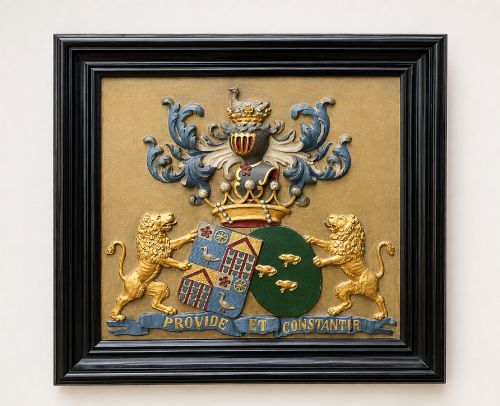
These gilded wood panel pieces bring tactile metallic warmth and carved depth to an interior through centuries of craftsmanship.
Gilded Wood Panel
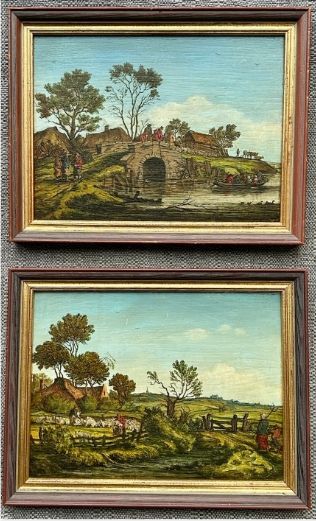
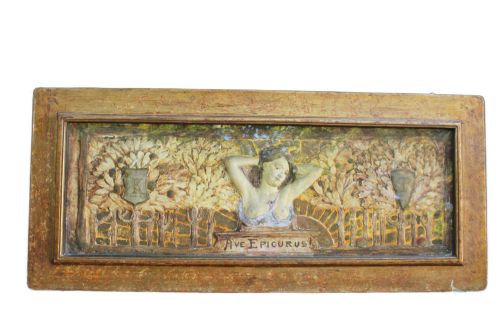
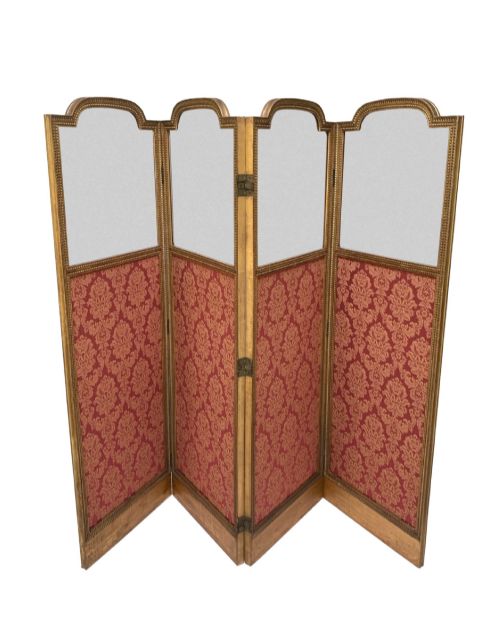
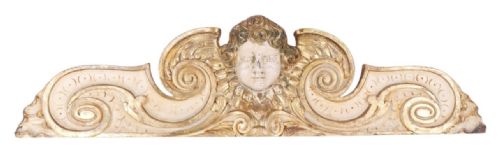
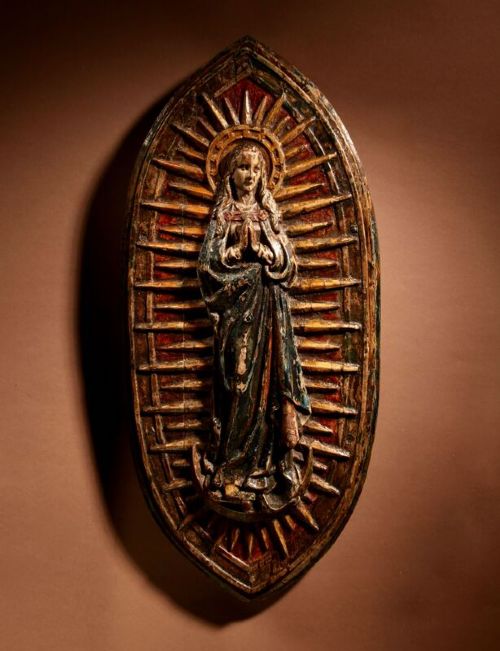
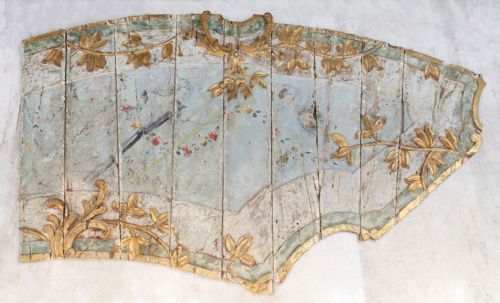
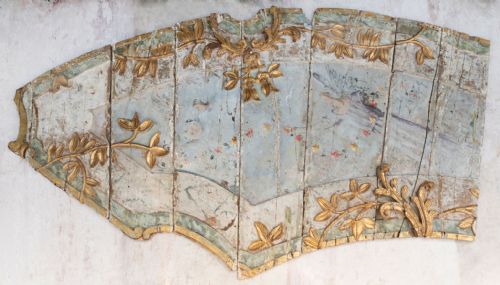
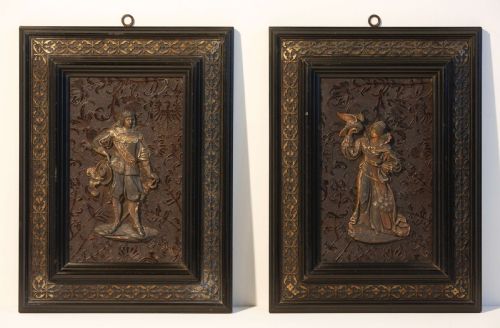
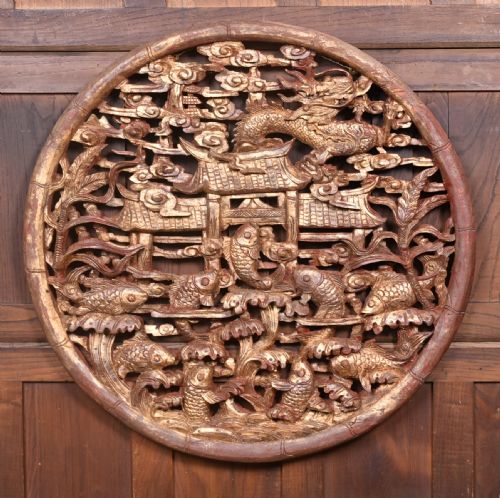
A gilded wood panel encompasses a diverse group of carved wooden objects, decorative architectural fragments, folding screens, and painted surfaces finished with gold leaf or metallic gilt. When searching for a gilded wood panel, buyers will frequently encounter nineteenth-century European mirrors, Chinese carved temple carvings, and devotional icons.
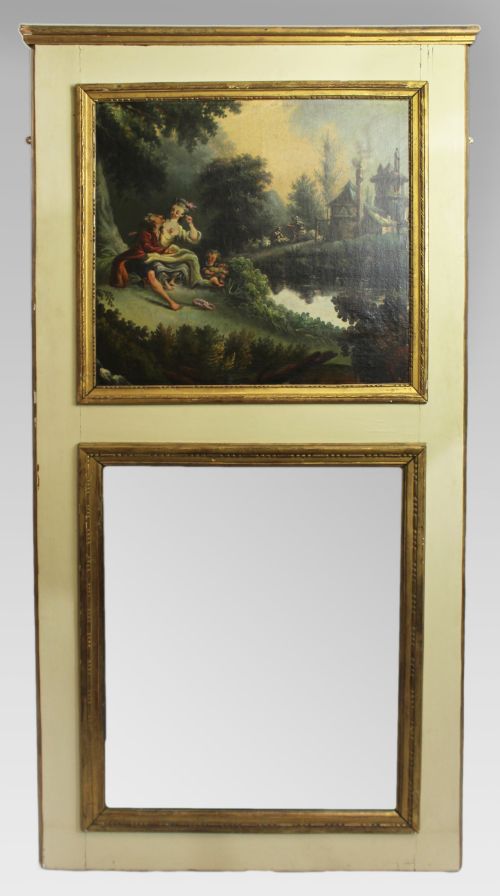
The selections span from sixteenth-century medieval altarpiece fragments to Victorian folding screens and Regency trumeau mirrors. European examples often lean towards French chateau aesthetics, Italian rococo, or architectural over-door carvings, whilst Eastern pieces showcase intricate Qing dynasty relief work.
Many of these objects serve functional roles as wall plaques, mirror frames, or room dividers rather than flat wall art. The variety reflects workshops ranging from British arts and crafts studios to continental European ateliers and traditional Asian woodcarvers.
Materials and Construction Techniques
Makers built these panels using solid timber substrates such as oak, pine, or exotic hardwoods, which were then prepared for gilding. Artisans frequently applied a layer of gesso, a fine plaster mixture, to smooth the wood surface and sharpen carved details before applying metal leaf.
Gold leaf or giltwood finishes were meticulously laid over the prepared ground, sometimes burnished to create high-shine highlights against matte recesses. Additional decorative elements often include oil paint, polychrome pigments, lacquers, and inset glass or eglomise panels.
The listings incorporate diverse materials including gesso, oil paint, glass, and lacquer across periods spanning from the sixteenth century to the mid-twentieth century.
Quality and Execution
The integrity of the original surface finish heavily influences the character of the piece. Panels retaining authentic patinated gold leaf and undisturbed gesso layers demonstrate superior preservation compared to those with modern overpainting.
W Klombeck·Van Rijckevorsel And Verheijen·Icilio Federico Joni·Paul Leon Jazet
The Gilded Wood Panel Glossary
- Giltwood
- Wood that has been coated with gold leaf or a metallic substitute. This finish gives carved mouldings and frames a luminous, reflective quality.
- Gesso
- A mixture of binder mixed with chalk, gypsum, or pigment used as a base coat on wood. It provides a smooth surface for subsequent gilding and fine carving.
- Trumeau
- An architectural wall panel or pier glass mirror featuring an upper oil painting or carved motif. These pieces originated in seventeenth and eighteenth-century French interior design.
- Eglomise
- A technique where gold or silver leaf is applied to the reverse side of glass and then etched or painted. It creates a mirrored, decorative panel with distinctive depth.
Gilded Wood Panel: Frequently Asked Questions
How were gilded wood panels originally used?
These panels functioned primarily as decorative architectural elements, altarpiece components, devotional icons, or ornamental mirror frames within grand domestic and religious interiors.
Over time, many survived as standalone wall art, room dividers, or over-door architectural salvage salvaged from historic buildings.
How do I clean a gilded wood surface?
Dust the panel gently using a soft, dry ostrich feather duster or a clean, dry artist's paintbrush to lift surface particles without disturbing the fragile metallic leaf.
Avoid using water, chemical solvents, or modern cleaning sprays, as moisture and abrasives easily strip historic gesso and gold leaf.
How do I date a carved wooden panel?
Examine the tool marks left on the reverse of the timber, as hand- adzed or pit-sawn wood generally points to earlier centuries before mechanical planing became common.
Stylistic cues such as Regency neoclassical columns, Victorian proportions, or Qing dynasty motifs also provide reliable clues to the period of manufacture.
Can I hang a heavy carved panel securely?
Ensure you locate the wall studs or use appropriate heavy-duty wall anchors rated for the specific weight of the solid timber and plaster construction.
Many antique pieces require professional mirror plates or custom French cleat mounting systems to distribute the weight evenly and safely.