
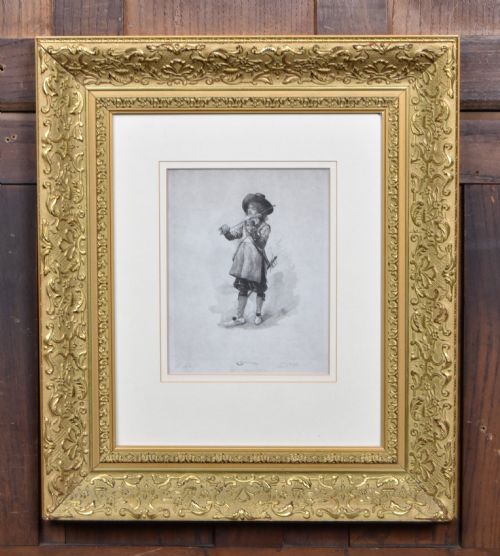
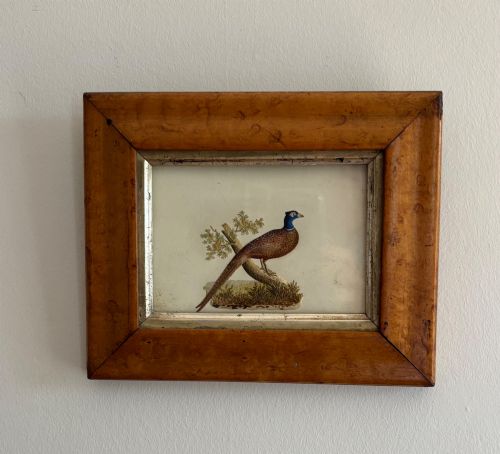
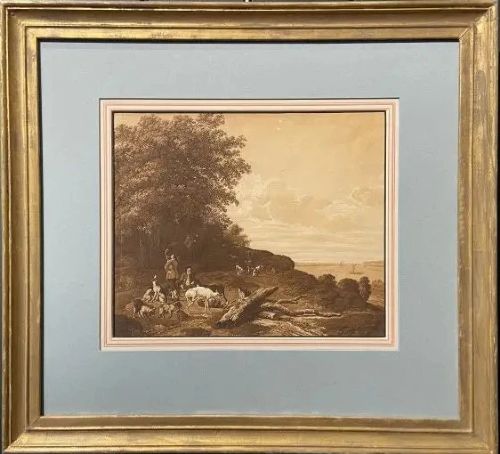
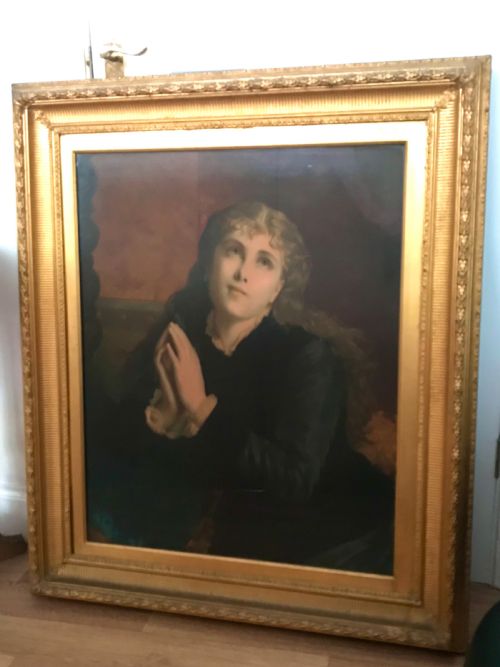



Gilded Wood Framed Print
These gilded wood framed print pieces bring historical maps, religious portraits, and decorative scenes to your walls in classic frames.
Gilded Wood Framed Print
When you search for gilded wood framed print, you encounter a varied selection of wall art, framed artworks, and maps housed within decorative borders. The items span several periods, including the seventeenth, eighteenth, and nineteenth centuries, alongside early twentieth-century examples.
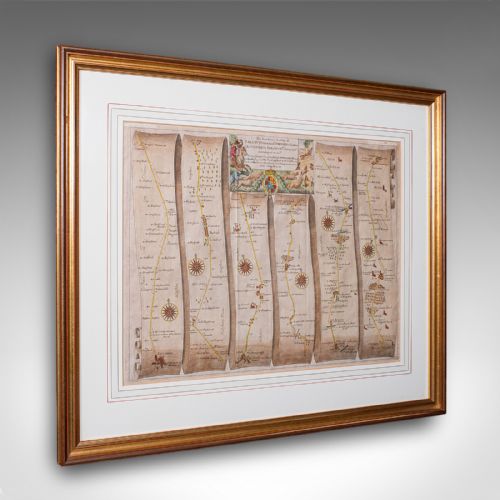
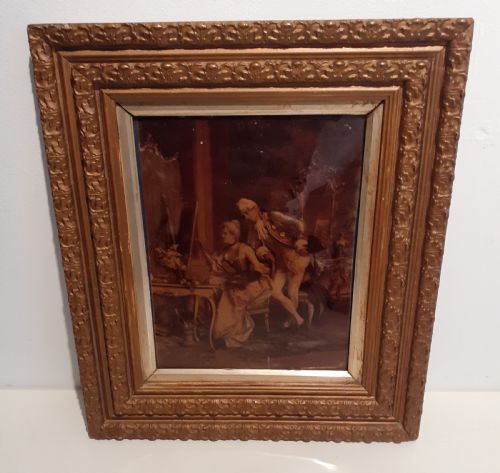
The assortment includes engravings, reverse glass pictures, oleographs, and cartography. Subjects range from religious portraits and coaching maps to equestrian sporting art and continental street scenes.
Framed artworks and prints often incorporate protective glass layers, canvas supports, and paper mediums. Many pieces demonstrate specific historical styles such as Victorian, Georgian, Regency, and Dutch Golden Age aesthetics.
Materials and construction techniques
Makers constructed the frames using wood, gesso, and gold leaf or giltwood to achieve a lustrous metallic finish. Artisans applied thin layers of gold leaf or liquid gilt over prepared wooden mouldings.
Artworks within these frames utilise paper, canvas, or glass as a base for engravings, watercolours, oleographs, and reverse glass paintings. Protective glass frequently covers the paper or canvas elements to preserve the fragile surfaces underneath.
Adam and Eve share wall space here with coaching maps of Salisbury and portraits of mischievous children at play.
Distinguishing quality across pieces
The refinement of the gesso work and the application of the gold leaf separate simpler mouldings from more elaborate scroll-mounted or gesso frames. Relief details, crisp carving, and the preservation of the original gilding indicate superior craftsmanship.
The quality of the internal artwork also shapes the piece, distinguishing finely executed engravings and period watercolours from standard reproductions. The integrity of the glass and the stability of the framed medium contribute to the overall standard of the object.
Samuel Dixon·Johannes Lingelbach·Ogilby·Abraham Cooper·Gustave Doré·Adolphe Pannemaker·Colton·Karl Feiertag·Élisabeth Louise Vigée Le Brun·Victor Valery
The Gilded Wood Framed Print Glossary
- Giltwood
- Wood that has been coated with gold leaf or a gold-coloured substance. This material is common on decorative picture frames from various historical periods.
- Gesso
- A paint mixture consisting of a neutral binder mixed with chalk, gypsum, or pigment. Artisans used this substance to build up relief ornamentation on wooden frames before applying gold leaf.
- Oleograph
- A type of chromolithographic print textured to imitate an oil painting. These prints were popular during the nineteenth century for reproducing fine art accessible to a wider audience.
- Reverse glass print
- An image painted or transferred onto the reverse side of a piece of glass and viewed from the front. This technique produces a glossy surface finish.
- Crystoleum
- A method of applying a hand-coloured photograph to convex glass and then clarifying it for mounting. This technique was prevalent in the late nineteenth and early twentieth centuries.
- Cartography
- The study and practice of making maps. Antique examples often feature hand-coloured borders and detailed geographical engravings.
Gilded Wood Framed Print: Frequently Asked Questions
What periods do these framed pieces come from?
The selection includes pieces originating from the seventeenth, eighteenth, and nineteenth centuries, as well as early twentieth-century examples.
Specific items date from distinct eras such as the Georgian, Regency, Victorian, and Stuart periods.
How are reverse glass prints made?
Makers painted or applied the image directly to the back of a glass panel so that the picture was viewed through the front.
This technique protects the pigment from dust and damage while creating a distinct reflective finish.
What is a crystoleum?
A crystoleum is a photograph applied to convex glass, hand-coloured, and then clarified with oils or varnishes during the late Victorian and Edwardian eras.
This process produced a luminous image with a distinct three-dimensional depth.