
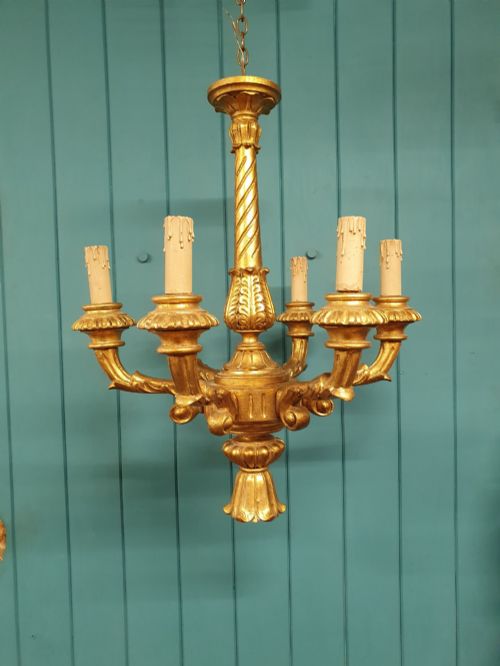


Gilded Wood Ceiling Light
A gilded wood ceiling light brings warmth and decorative brilliance to a room, ranging from grand Florentine chandeliers to carved hanging lanterns.
Gilded Wood Ceiling Light
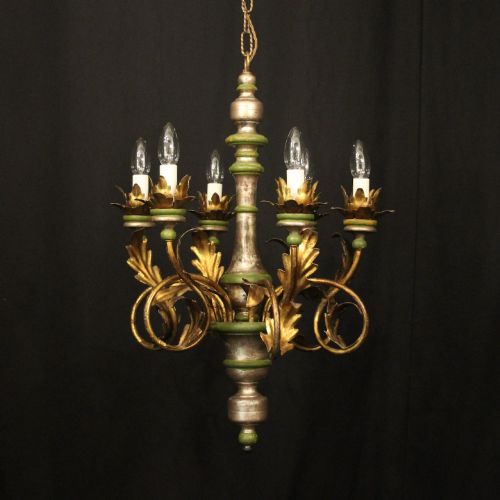
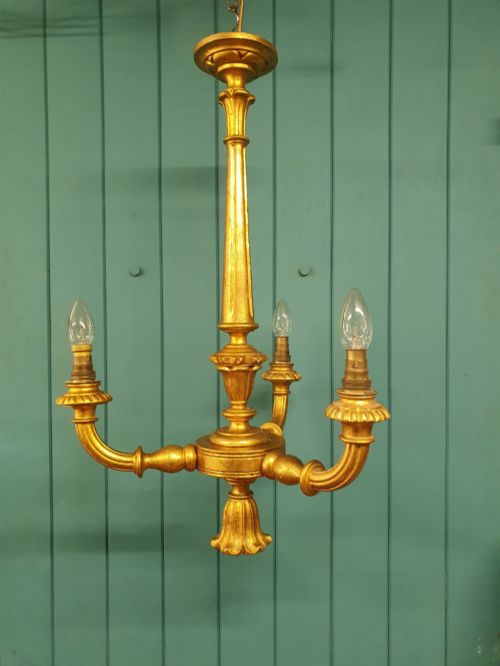
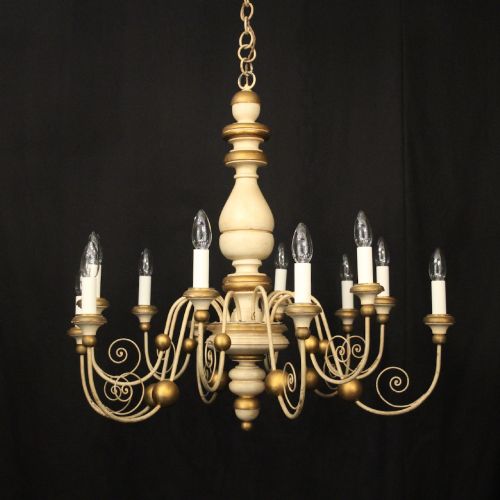
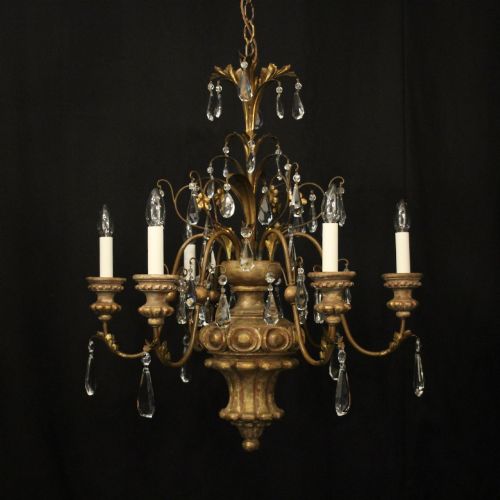
A gilded wood ceiling light covers a striking array of chandeliers and hanging lanterns sourced from periods spanning the eighteenth century through to the nineteen-thirties. Buyers searching for a gilded wood ceiling light typically encounter Italian Florentine multi-arm chandeliers, ornate Venetian lanterns, and French designs.
The selection on this page leans heavily towards Florentine and Italian Baroque examples dating from the nineteen-twenties and thirties, alongside Victorian and Edwardian interpretations. Forms range from compact five-light fixtures to monumental twelve-light showpieces dressed in carved giltwood and polychrome finish.
How they were made
Artisans carved structural forms from wood, often applying a layer of gesso to create a smooth, responsive ground for the application of delicate gold leaf. Metal components and wrought iron frequently provide essential internal armature and arm support for multi-light configurations.
Surface decoration frequently involves polychrome highlights alongside traditional gilding techniques. Glass elements and toleware components appear in select lantern and chandelier configurations to diffuse light and add contrasting texture.
Some lanterns carry traces of old Italian polychrome paint beneath their gold leaf, whispering of forgotten sun-drenched palazzos.
What varies in quality
The depth and intricacy of the hand-carved wooden ornament dictate much of the visual distinction between pieces. Crisp, deeply undercut foliage and scrollwork demonstrate superior sculptural skill compared to softer, shallower moulding.
The application and preservation of the gold leaf and gesso layers also influence the character of the piece. Finishes that retain their original layered complexity and subtle tonal variation hold greater visual depth.
The Gilded Wood Ceiling Light Glossary
- Giltwood
- Wood that has been coated with gold leaf or gold powder. This surface treatment provides the characteristic metallic brilliance seen across these fixtures.
- Gesso
- A plaster mix applied to wood surfaces as a preparation for painting or gilding. It allows carvers to achieve sharp detail before laying down gold leaf.
- Polychrome
- Decorated in multiple colours. This technique appears alongside gilding on several Florentine pieces to add chromatic richness.
- Toleware
- Enamelled and painted metalware used in lighting components. It provides a contrasting material texture next to carved and gilded wood.
Gilded Wood Ceiling Light: Frequently Asked Questions
How do I hang a heavy chandelier?
These substantial fixtures require professional installation involving direct anchoring to ceiling joists or structural steel. Weight distribution must be managed carefully given the dense timber and iron construction.
Consult an electrician to ensure the wiring and ceiling mount safely support the specific scale and weight of your chosen antique.
What rooms suit a giltwood lantern?
Hanging lanterns work particularly well in entrance halls, stairwells, and high-ceilinged corridors where their vertical presence commands attention. Their enclosed nature offers directional illumination suited for transitional spaces.
In larger reception rooms, they act as sculptural focal points that complement architectural period details.
How do I clean a gilded wood light?
Dusting should be performed gently using a soft, dry brush to avoid disturbing fragile gold leaf and gesso layers. Moisture and modern chemical cleaners must be avoided entirely.
Professional restoration is recommended if deeper cleaning or surface stabilisation becomes necessary over time.
How are different periods distinguished?
Eighteenth-century examples display hand-carved structural integration typical of early Italian workshops. Later nineteenth and twentieth-century interpretations often incorporate revival styles such as Florentine Baroque and French Chateau.
Examining the underlying wood, gesso thickness, and joining techniques helps clarify the probable age of the fixture.