
Traditional Hall Ceiling Light
A traditional hall ceiling light sets the tone for an entire interior, offering brass and bronze framing with glass panels to illuminate entryways.
Traditional Hall Ceiling Light
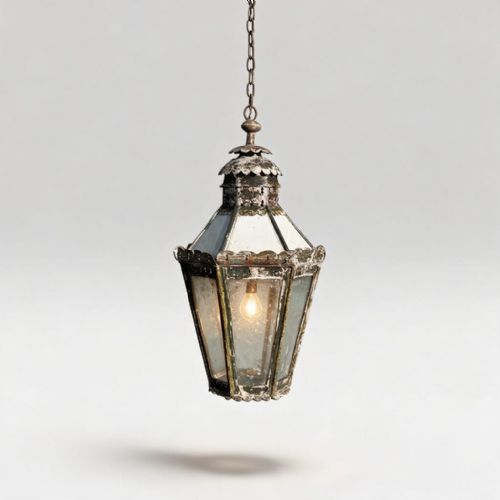
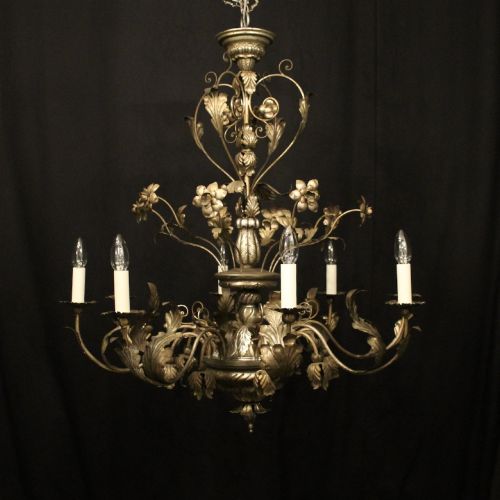
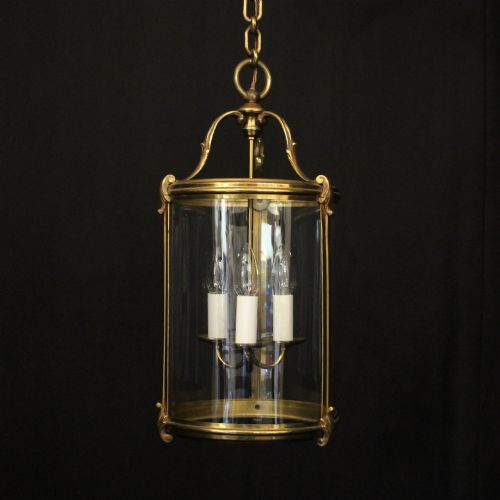
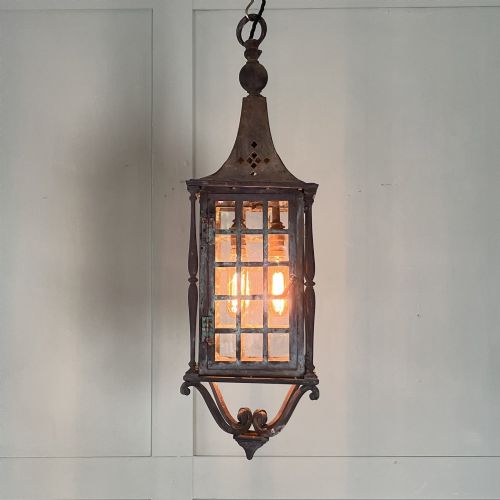
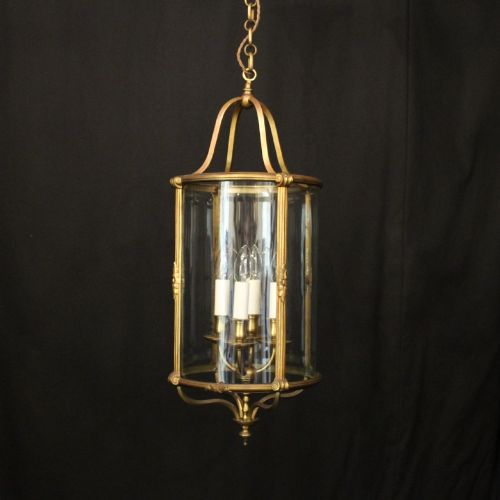
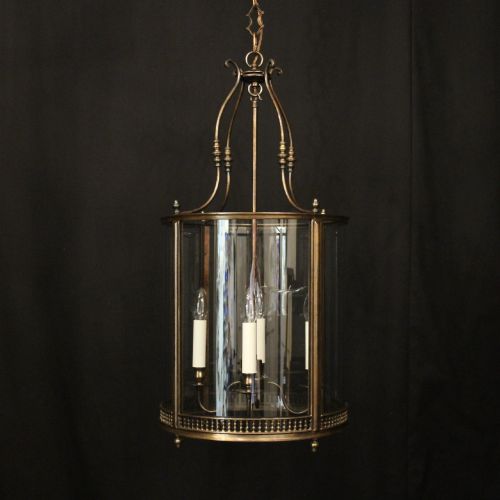
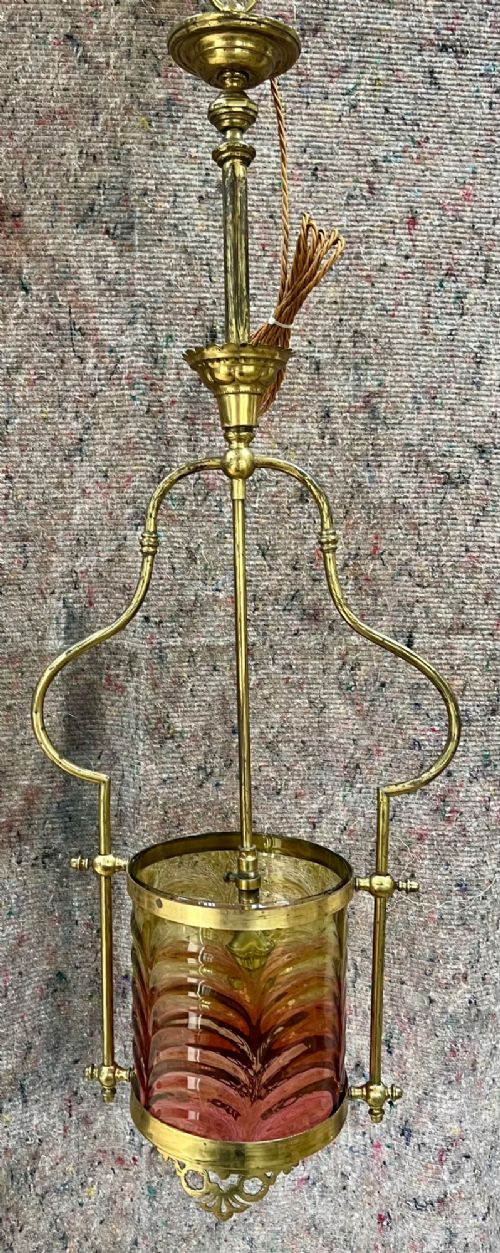
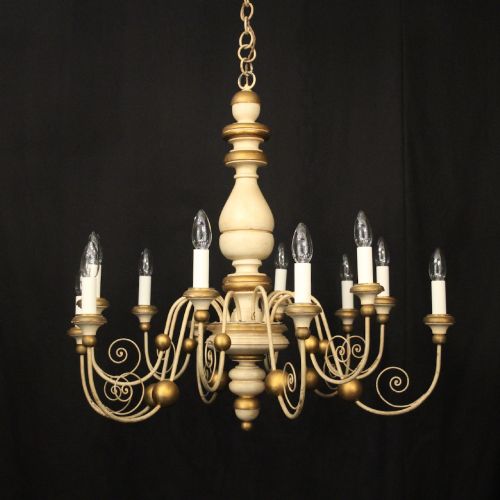
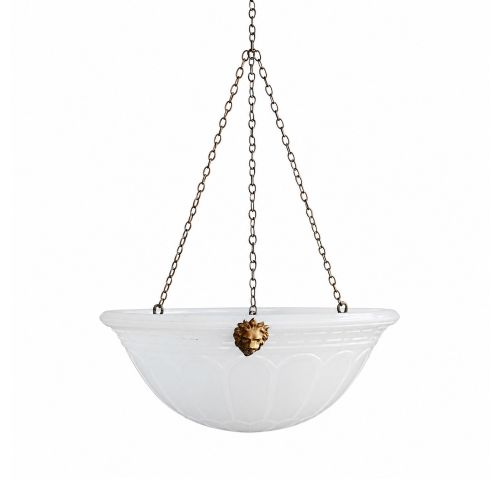
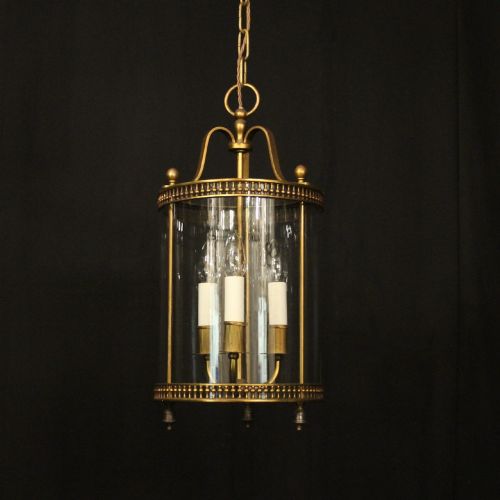
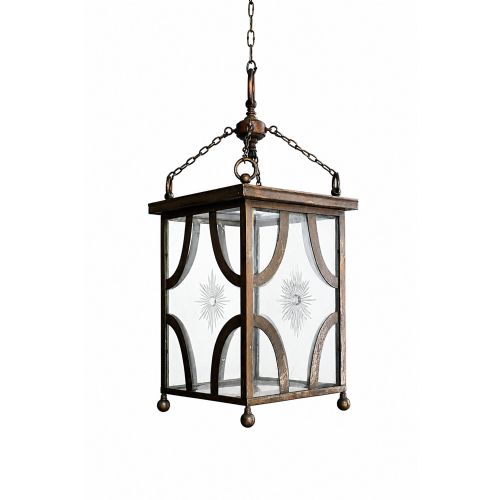
A traditional hall ceiling light comprises hanging lanterns, pendant lights, and chandeliers designed specifically for entrance spaces and corridors. Buyers encounter numerous French and English examples dating from the Victorian and Edwardian eras through to the 1930s.
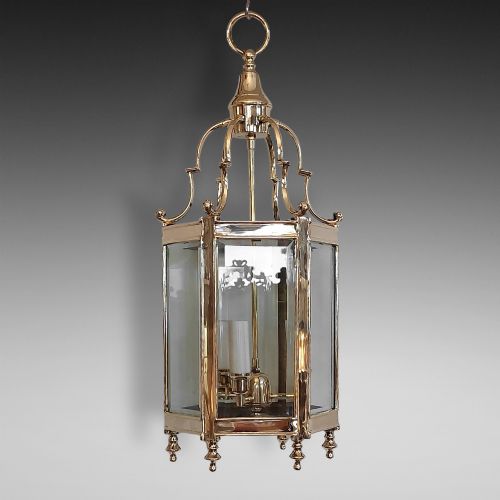
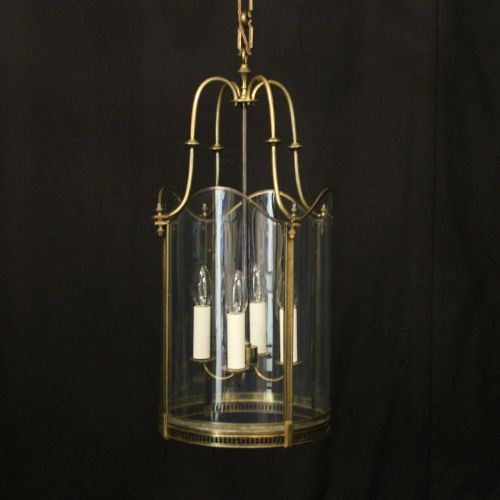
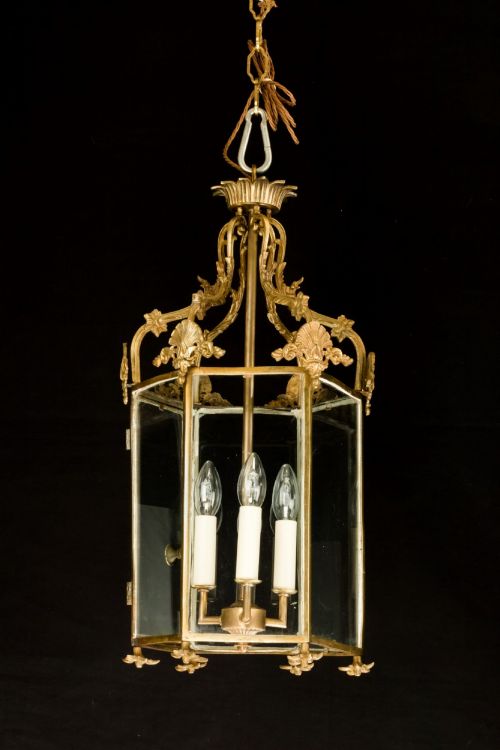
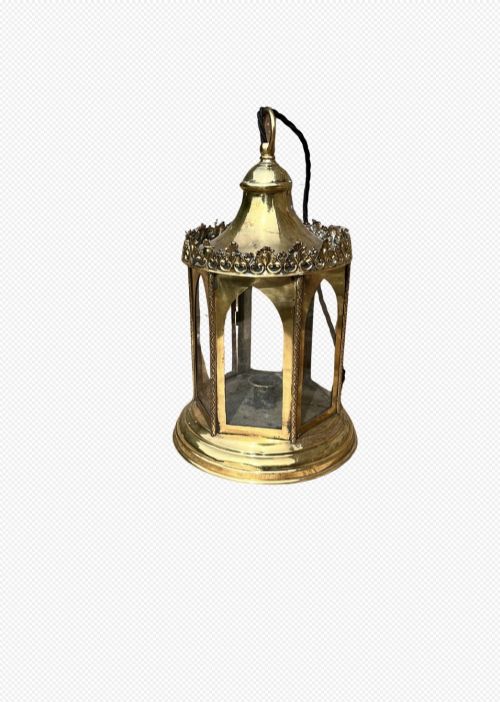
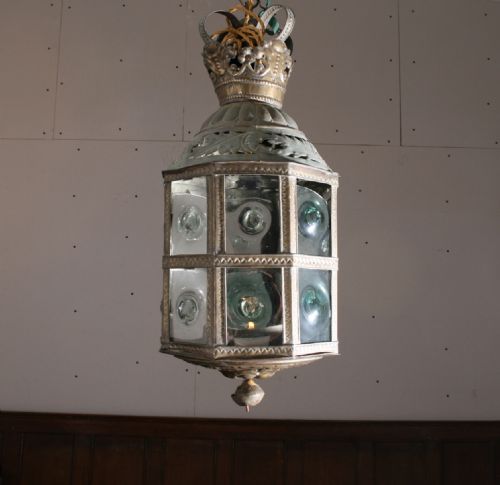
The prevalent form on this page is the hexagonal or convex hall lantern, constructed with metal framing and glass panels. These fixtures range from simple single-bulb pendants to grand multi-light configurations suited to larger entrance halls.
Materials and Construction Techniques
Metalwork forms the skeletal structure of these pieces, utilising brass, bronze, gilt brass, and wrought iron shaped into frames and decorative mounts. Artisans cast bronze and brass components or hammered iron to create durable hanging fixtures.
Glass panels are integral to the design, featuring hand-blown bullseye glass, bevelled panes, or moonstone finishes secured within the metal framework. These glass types diffuse light while protecting the internal bulbholders from draughts in busy corridors.
Listings feature brass, bronze, and wrought iron materials spanning the Victorian, Edwardian, and 1930s periods.
Distinctions in Quality and Finish
The refinement of the cast metal mounts and the weight of the frame separate standard fixtures from superior examples. Heavier gauge brass and finely chased bronze display sharper detailing and greater structural integrity over decades of hanging.
Glass selection significantly impacts the character of the piece, with heavy bevelled or hand-blown panels demonstrating superior craftsmanship compared to plain flat glass. The cohesion between the metal frame and the specific glass type defines the overall success of the design.
The Traditional Hall Ceiling Light Glossary
- Convex glass
- Curved glass panels that project outward to diffuse light across a wider angle. This technique adds depth to the profile of a hall lantern.
- Bevelled glass
- Glass panes with angled edges cut and polished to create prismatic light effects. This treatment is typical of finer Edwardian and early twentieth-century lanterns.
- Gilt bronze
- Bronze metal treated with a thin layer of gold or gold-coloured finish to enhance visual warmth. It provides a rich surface that resists tarnishing.
- Bulls-eye glass
- Thick, circular blown glass panes featuring a central punt mark from the manufacturing process. These lend an authentic texture to nineteenth-century fixtures.
- Hexagonal lantern
- A six-sided hanging light fixture that provides multidirectional illumination. This geometry is a staple of traditional hallway design.
Traditional Hall Ceiling Light: Frequently Asked Questions
How do I hang a hall lantern?
These fixtures suspend from ceilings using matching chain and ceiling roses attached to the primary wiring point. Ensure the hanging height leaves adequate clearance for doors to open fully beneath the fixture.
Professional installation is recommended due to the weight of cast brass and bronze frames. The suspension chain can be adjusted to suit the ceiling height of your entrance hall.
Are these lights suitable for low ceilings?
Most designs hang on chains or suspension rods that can be shortened to accommodate standard ceiling heights. Flush or semi-flush variations sit closer to the plasterwork if vertical space is restricted.
Consider the physical dimensions of the lantern body alongside the suspension length when measuring your space. A compact hexagonal or round lantern prevents the entryway from feeling obstructed.
How do I identify an Edwardian lantern?
Edwardian pieces often feature crisp brass frames with restrained decorative motifs reflecting transitional Arts and Crafts or revival tastes. The metalwork tends to be bright and well-balanced without heavy Victorian ornamentation.
Look for clean geometric lines in the framing alongside bevelled or simple clear glass panels. These fixtures generally date from the period surrounding the turn of the twentieth century.
What is the difference between brass and bronze?
Brass is an alloy of copper and zinc, yielding a bright golden or yellow metallic tone that polishes to a high lustre. Bronze is an alloy of copper and tin, producing a darker, warmer reddish-brown appearance.
Both metals were utilised extensively across different periods for their durability and aesthetic adaptability. Over time, both materials develop a natural patina if left unpolished.